


As you get older, having a strong skeleton is key. It helps you stay upright and prevents osteoporosis and fractures. Sadly, nearly half of adults over 50 have low bone mass, which raises their risk of osteoporosis.
Good nutrition is crucial for strong bones, but it’s not just about calcium. Taking calcium supplements without enough vitamin D might not work well. Experts usually suggest taking vitamin D and calcium together for better bone health. But, your needs can change based on your diet, health, and risk factors.
Key Takeaways
- Calcium and vitamin D are essential nutrients for maintaining strong, healthy bones.
- Nearly 50% of adults over 50 have low bone mass, increasing their risk of osteoporosis.
- Calcium supplements alone may not be effective without adequate vitamin D intake.
- Experts typically advise taking calcium and vitamin D supplements together for best results.
- Individual requirements for these nutrients can vary based on factors like age, gender, and health status.
Understanding the Role of Calcium in Your Body
Calcium is a key mineral for your health. It helps make your bones and teeth strong. It also aids in muscle function, blood clotting, and nerve system work.
Essential Functions of Calcium
Calcium has many important roles in our bodies. Here are some:
- Bone and Tooth Structure: It’s the main mineral in bones and teeth, giving them strength.
- Muscle Function: Calcium helps muscles move and relax, letting us move and function well.
- Blood Clotting: It helps stop bleeding and aids in healing wounds.
- Hormone Secretion: Calcium helps release hormones that control metabolism and bone health.
- Nerve Signaling: It’s key for nerve signals, helping our brain talk to the rest of our body.
Daily Calcium Requirements by Age
The amount of calcium you need changes with age and gender. The NIH says the following:
| Age Group | Recommended Calcium Intake (mg/day) |
|---|---|
| 0-6 months | 200 mg |
| 7-12 months | 260 mg |
| 1-3 years | 700 mg |
| 4-8 years | 1,000 mg |
| 9-18 years | 1,300 mg |
| 19-50 years | 1,000 mg |
| 51-70 years (male) | 1,000 mg |
| 51-70 years (female) | 1,200 mg |
| 71+ years | 1,200 mg |
Getting enough calcium is key for strong bones, muscles, and health at any age.
The Vital Functions of Vitamin D for Health

Vitamin D is key for our health and well-being. It helps with bone health, boosts immune function, and reduces inflammation.
Vitamin D helps our body absorb calcium from food. This is important for strong bones. It also helps with glucose metabolism and keeps cells healthy.
The amount of vitamin D we need changes with age:
- Infants (0-12 months): 400 IU
- Children and adults (1-70 years): 600 IU
- Older adults (71+ years): 800 IU
These amounts are for people who don’t get much sunlight. Sunlight helps our skin make vitamin D.
“Vitamin D is essential for calcium absorption, bone health, immune function, and inflammation reduction. Ensuring adequate vitamin D levels is crucial for overall well-being.”
Knowing how vitamin D works helps us stay healthy. Eating right or taking supplements can boost our health. Keeping vitamin D levels right lets us enjoy its many benefits.
Vitamin D, Calcium: The Dynamic Duo for Bone Health

Keeping bones strong is vital for our health. Vitamin D and calcium are key players in this. They work together to boost bone density and lower the risk of osteoporosis and fractures.
How These Nutrients Work Together
Vitamin D helps our body absorb calcium from food. Without enough vitamin D, our body can’t absorb enough calcium. This can lead to weak bones and osteoporosis.
Synergistic Benefits for Bone Density
Research shows that taking calcium and vitamin D together is better than just vitamin D. It can lower the risk of bone fractures by 6% and hip fractures by 16% in older adults. This duo helps bones stay strong by supporting mineralization.
“Vitamin D and calcium are essential for maintaining strong, healthy bones. Their synergistic relationship is crucial for optimal bone health and reducing the risk of osteoporosis and fractures.”
Recommended Daily Intake Guidelines
Keeping enough calcium and vitamin D is key for good health. This is especially true for strong bones and teeth. The amount you need changes with age and other factors.
Adults between 19 and 50 need 1,000 mg of calcium RDA each day. Those 51 and older should aim for 1,200 mg. For vitamin D RDA, most adults need 600 IU (15 micrograms) daily. This goes up to 800 IU (20 mcg) for those 71 and older.
Research shows that 400-800 IU of vitamin D and 1,000-1,200 mg of calcium daily can lower fracture risk in older adults. But, your needs might differ based on your diet, health, and other factors. Always talk to a healthcare provider for the right supplement dosages and age-specific recommendations.
| Age Group | Calcium RDA | Vitamin D RDA |
|---|---|---|
| 19-50 years | 1,000 mg | 600 IU |
| 51-70 years | 1,200 mg | 600 IU |
| 71+ years | 1,200 mg | 800 IU |
Remember, the safe upper limit for calcium intake is 2,500 mg daily for adults 19 to 50. For those 51 and older, it’s 2,000 mg. Too much calcium can raise heart disease risk and other health problems.
Natural Sources of Calcium

There are many natural sources of calcium to choose from. Dairy products like milk, cheese, and yogurt are known for their high calcium levels. A single cup of milk can give you about 300 mg of calcium, which is almost a quarter of what you need daily.
If you follow a plant-based diet, don’t worry. There are plenty of calcium-rich options. Leafy greens like kale, collard greens, and spinach are great, offering up to 21% of your daily calcium in just one cooked cup. Beans, nuts, and seeds also have a lot of calcium. Foods like almonds, winged beans, and amaranth give 6-19% of your daily value per serving.
There are also fortified foods that can help boost your calcium intake. Cereals, juices, and even plant-based milk alternatives are often fortified with calcium. They can give you up to 100% of your daily calcium needs per serving.
| Food Item | Calcium Content | Percentage of Daily Value |
|---|---|---|
| Milk (1 cup) | 300 mg | 23% |
| Yogurt (1 cup) | 300 mg | 23% |
| Parmesan Cheese (1 ounce) | 242 mg | 19% |
| Collard Greens (1 cup, cooked) | 268 mg | 21% |
| Almonds (1 ounce) | 80 mg | 6% |
| Fortified Cereal (1 serving) | 1,000 mg | 100% |
By eating a variety of calcium-rich foods, you can easily meet your daily calcium needs. This supports your overall bone health.
Best Sources of Vitamin D

Vitamin D is key for good health, helping with bones, immune system, and more. Sunlight is a main source, but food can also help. Let’s look at the top foods for vitamin D.
Fatty Fish
Fatty fish like salmon, mackerel, tuna, and sardines are rich in vitamin D. A 3-ounce cooked salmon gives about 450 IU. A 3.5-ounce can of sardines has 193 IU.
Fortified Foods
Many foods, like milk, orange juice, and cereals, have added vitamin D. For example, a U.S. cup of fortified cow’s milk has 115 IU.
Egg Yolks
Egg yolks are also a good source of vitamin D. A large egg yolk has about 37 IU.
Mushrooms
Some mushrooms, like cremini mushrooms, get UV light to boost vitamin D. They can have up to 1,110 IU per cup.
While sunlight is a natural source, age, skin color, and sunscreen use can limit it. Eating these vitamin D-rich foods helps meet daily needs and supports health.
Supplementation: When Is It Necessary?

Keeping vitamin D and calcium levels up is key for health, especially for strong bones. Some people might need supplements to get enough nutrients. Knowing who’s at risk and who needs extra help can guide when to use supplements.
Risk Factors for Deficiency
Not getting enough sun is a big reason for vitamin D deficiency. People who spend less time outside, live far north, or wear lots of clothing are at higher risk. Certain health issues like Celiac disease and kidney problems can also make it hard to use vitamin D well.
As we get older, our skin makes less vitamin D from sunlight. Our bodies also absorb less calcium. People with very dark skin have a harder time making vitamin D because melanin blocks sunlight.
Special Population Considerations
- Those with osteoporosis or low bone density might need more vitamin D and calcium to keep bones strong and prevent breaks.
- Pregnant and nursing moms need more nutrients for their health and their baby’s growth. Supplements might be advised.
- Young people need enough vitamin D and calcium for their bones to grow right.
If you’re in a high-risk group or worry about your nutrient levels, talk to a doctor. They can check your needs and suggest supplements if needed.
Some people might need supplements due to lack of sun, health issues, age, or dark skin. Those with bone problems or taking certain meds might also need extra help. Always check with a healthcare provider to see if you need supplements.
Timing Your Supplement Intake
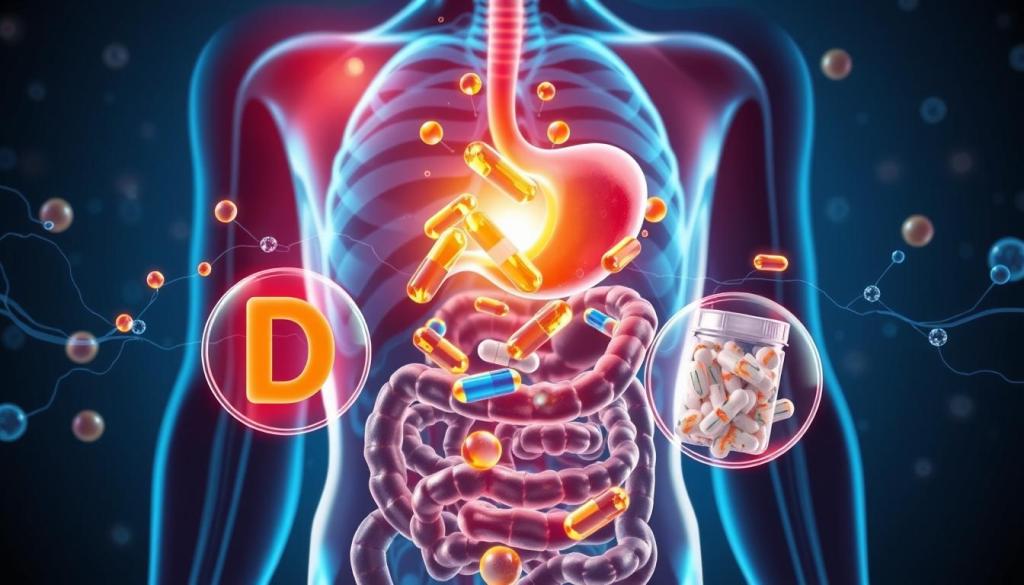
Getting the most out of supplement absorption for calcium and vitamin D starts with timing. Calcium works best in small amounts. Try to take it in doses of 500-600 mg or less, spread out over the day.
The type of calcium matters too. Calcium carbonate needs food to absorb well because it needs stomach acid. But, calcium citrate can be taken with or without food.
Vitamin D supplements can be taken with or without food. But, taking them with a meal that has healthy fats like avocado, nuts, or oily fish helps with absorption.
“One study showed that taking vitamin D with the largest meal of the day increased vitamin D blood levels by about 50% after 2-3 months in 17 people.”
Considering what you eat when you take these supplements can greatly improve their absorption and effectiveness. By timing your intake right and choosing the right foods, you can get the most out of your calcium and vitamin D supplements.
Potential Risks and Side Effects
It’s key to know the risks and side effects of vitamin D and calcium supplements. These nutrients are usually safe but can sometimes cause constipation, gas, and bloating. Too much calcium might raise the chance of kidney stones and, rarely, heart problems. But, the heart issue link is not clear.
Too much vitamin D can cause hypercalcemia. This can lead to nausea, confusion, and odd heart rhythms. To avoid these issues, it’s important to not take too much calcium or vitamin D.
- Gastrointestinal symptoms: constipation, gas, bloating
- Risk of kidney stones with excess calcium intake
- Hypercalcemia (high calcium levels) from high vitamin D levels, leading to nausea, confusion, and abnormal heart rhythms
Always talk to a doctor, especially if you have health issues or take other meds. This ensures calcium and vitamin D supplements are safe and work well. Knowing the risks helps you enjoy the benefits of these important nutrients without harm.
Drug Interactions and Precautions
It’s important to know about drug interactions when taking calcium and vitamin D supplements. These nutrients can affect how well other medicines work. This includes statins, steroids, thyroid hormones, and some antibiotics. Vitamin D might also affect cholesterol-lowering drugs, weight loss meds, and blood pressure meds.
Common Medications That Interact
- Statins (e.g., atorvastatin): Vitamin D can lower the levels of statins in your body.
- Steroids (e.g., prednisone): Taking calcium and vitamin D can help prevent bone loss from steroids.
- Thyroid hormones (e.g., levothyroxine): Calcium might affect how well thyroid meds are absorbed. It’s best to take them at different times.
- Certain antibiotics (e.g., tetracyclines, quinolones): Calcium can make these drugs less effective by binding to them.
When to Consult Healthcare Providers
Always talk to your healthcare provider or pharmacist before starting calcium or vitamin D supplements. They can tell you about any possible interactions with your medicines. They’ll also guide you on how to safely use these supplements, especially if you’re on prescription drugs.
| Medication Interaction | Potential Effect | Recommendation |
|---|---|---|
| Calcium and Vitamin D with Statins | Vitamin D may decrease the concentration of statins in the body. | Consult your healthcare provider to manage the interaction and ensure the effectiveness of both medications. |
| Calcium and Vitamin D with Steroids | Calcium and vitamin D can help mitigate the bone-weakening effects of long-term steroid use. | Work closely with your healthcare provider to determine the appropriate supplementation regimen. |
| Calcium and Thyroid Medications | Calcium may interfere with the absorption of thyroid medication. | Take calcium and thyroid medications at different times to ensure optimal absorption of both. |
| Calcium and Certain Antibiotics | Calcium can bind to some antibiotics, reducing their effectiveness. | Consult your healthcare provider or pharmacist to manage the timing and dosing of these medications. |
Knowing about these medication interactions and talking to your healthcare provider is key. This way, you can use calcium and vitamin D supplements safely and effectively. It helps avoid any adverse effects.
Choosing Quality Supplements
Quality is key when picking calcium and vitamin D supplements. Not every brand is the same. Look for supplement brands that have been tested and verified.
The “USP Verified” label is a sign of quality. It means the supplement meets the United States Pharmacopeia’s (USP) high standards. These standards cover purity, potency, and purity standards. Supplements with this label have been tested to ensure they are safe and effective.
Always check the product label. Look at the amount of calcium and vitamin D in each serving. This helps you know if you’re getting the right amount. Also, think about the cost, how easy it is to use, and where you can buy it.
| Supplement Brand | USP Verified | Purity Standards |
|---|---|---|
| Nature Made | ✓ | ✓ |
| Garden of Life | ✓ | ✓ |
| Rainbow Light | ✓ | ✓ |
| MegaFood | ✓ | ✓ |
Choosing high-quality, verified supplements means you can trust what you’re getting. You’ll know you’re getting the nutrients your body needs safely and effectively.
“The Food and Drug Administration (FDA) does not evaluate the effectiveness, safety, or quality of dietary supplements before they enter the market, indicating limited regulation in this industry.”
Absorption and Bioavailability Factors
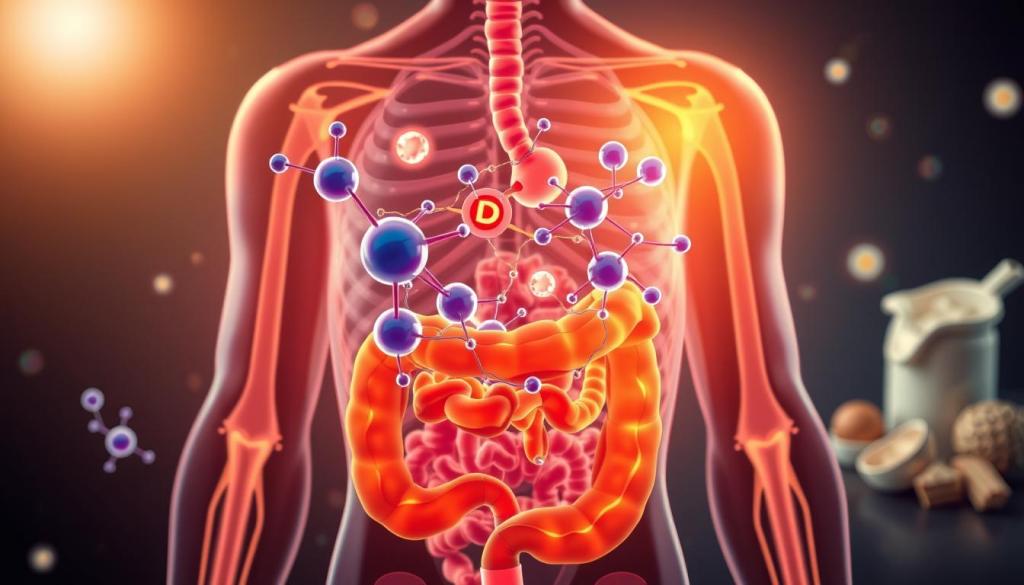
Calcium and vitamin D are key for nutrient absorption and bioavailability. The form of calcium, dose size, and vitamin D presence affect calcium absorption. Vitamin D boosts the body’s calcium absorption ability.
Eating calcium-rich foods or taking supplements with meals helps absorption. This is because proteins and fats in meals aid in absorption. Also, taking vitamin D with meals rich in healthy fats improves its absorption.
Studies reveal that vitamin D insufficiency is common. Over 92% of black Americans and 61% of white Americans lack enough vitamin D. This shortage hampers calcium absorption, posing health risks.
| Factors Affecting Calcium and Vitamin D Absorption | Impact |
|---|---|
| Form of calcium | Different calcium salts have varying degrees of bioavailability |
| Dose size | Higher doses may result in decreased absorption efficiency |
| Presence of vitamin D | Vitamin D enhances intestinal calcium absorption |
| Meal timing | Consuming calcium with meals can improve absorption |
| Dietary fats | Taking vitamin D with foods containing healthy fats can enhance absorption |
Knowing about nutrient absorption, bioavailability, and dietary factors helps improve calcium and vitamin D intake. This supports overall health and well-being.
Conclusion
Calcium and vitamin D supplements can be helpful, especially for those at risk. But, a balanced diet is the best way to get these nutrients. Think about your age, health, and what you eat when deciding if you need supplements.
It’s smart to talk to your healthcare provider about using supplements. They can help you use them safely and give you advice that fits your needs.
Eating a variety of whole foods is key to good health. This way, you get the nutrients you need without supplements. Working with your healthcare team can help you make a plan that’s just right for you.
Getting calcium and vitamin D right is all about balance and good advice. With the right help, you can keep your bones strong and stay healthy for years to come.
FAQ
Why do you need calcium?
Calcium is key for strong bones and teeth. It helps with body movements and blood vessel health. It also aids in muscle function, blood clotting, and hormone secretion.
How much calcium do you need per day?
Calcium needs change with age. For example, 0-6 months need 200mg, and 1-3 years need 700mg. Adults need 1,000mg, and seniors need 1,200mg.
Why do you need vitamin D?
Vitamin D helps your body absorb calcium. It keeps blood calcium and phosphate levels normal. It also supports bone health and boosts immune function.
How much vitamin D do you need per day?
Vitamin D needs vary by age. Infants need 400 IU, and adults need 600 IU. Older adults need 800 IU, especially if they don’t get much sun.
What is the link between vitamin D and calcium?
Vitamin D helps your body absorb calcium. Without enough vitamin D, calcium absorption drops. This can lead to weak bones and osteoporosis.
Should you take vitamin D and calcium together?
Yes, taking both together is better. Studies show it lowers fracture risk more than vitamin D alone. It reduces any bone fracture risk by 6% and hip fracture risk by 16% in older adults.
What are good sources of calcium?
Dairy products like milk and yogurt are rich in calcium. Leafy greens and some fish are also good. For non-dairy options, try fortified plant-based milk and calcium-set tofu.
What are good sources of vitamin D?
Sunlight is a top source of vitamin D. But age, skin color, and sunscreen use can affect it. Foods like fatty fish and fortified foods are also good sources.
When is supplementation necessary?
You might need supplements if you don’t get enough sun or have certain health issues. Older adults and those with dark skin may also need them. People with osteoporosis or taking certain medications might require supplements too.
How should you time your calcium and vitamin D supplement intake?
Take calcium in amounts of 500-600mg or less. Splitting doses throughout the day helps. Calcium carbonate is best with food, while calcium citrate can be taken with or without food. Vitamin D can be taken with or without food, especially with a meal that has healthy fats.
What are the potential risks and side effects of calcium and vitamin D supplements?
Calcium supplements can cause stomach problems like constipation. Too much calcium might increase kidney stone risk and heart issues. High vitamin D levels can lead to nausea, confusion, and heart rhythm problems.
How do calcium and vitamin D supplements interact with medications?
Calcium can affect how certain medications work. Vitamin D might interact with statins and blood pressure drugs. Always check with a healthcare provider or pharmacist before starting supplements, especially if you’re on prescription medications.
How can you choose quality calcium and vitamin D supplements?
Opt for brand-name supplements with a proven track record. Look for “USP Verified” labels for quality assurance. Always check the label to see how much elemental calcium and vitamin D each serving contains.
Source Links
- Calcium/Vitamin D Requirements, Recommended Foods & Supplements – https://www.bonehealthandosteoporosis.org/patients/treatment/calciumvitamin-d/
- What to Know about Taking Vitamin D and Calcium Together – https://www.health.com/mind-body/calcium-and-vitamin-d-supplements
- Getting Enough Calcium and Vitamin D – https://healthy.kaiserpermanente.org/health-wellness/health-encyclopedia/he.getting-enough-calcium-and-vitamin-d.za1487
- Vitamin D and Calcium – https://www.hopkinsmedicine.org/health/wellness-and-prevention/vitamin-d-and-calcium
- What roles do calcium and vitamin D play in the body? – https://www.medicalnewstoday.com/articles/calcium-and-vitamin-d
- Calcium, vitamin D, and your bones: MedlinePlus Medical Encyclopedia – https://medlineplus.gov/ency/patientinstructions/000490.htm
- Office of Dietary Supplements – Vitamin D – https://ods.od.nih.gov/factsheets/VitaminD-HealthProfessional/
- Vitamin D – https://www.mayoclinic.org/drugs-supplements-vitamin-d/art-20363792
- Calcium Update II.3.indd – https://americanbonehealth.org/wp-content/uploads/2016/07/Calcium-and-Vitamin-D-2013.pdf
- The Dynamic Duo of Bone Health: Calcium & Vitamin D – https://foodinsight.org/the-dynamic-duo-of-bone-health-calcium-vitamin-d/
- PDF – https://americanbonehealth.org/shw20duo1
- Are you getting enough calcium? – https://www.mayoclinic.org/healthy-lifestyle/nutrition-and-healthy-eating/in-depth/calcium-supplements/art-20047097
- Office of Dietary Supplements – Calcium – https://ods.od.nih.gov/factsheets/Calcium-HealthProfessional/
- Calcium and Vitamin D: Top Food Sources – https://www.webmd.com/food-recipes/calcium-vitamin-d-foods
- Top 15 Calcium-Rich Foods (Many Are Nondairy) – https://www.healthline.com/nutrition/15-calcium-rich-foods
- Natural Sources of Vitamin D and Calcium – https://www.news-medical.net/health/Natural-Sources-of-Vitamin-D-and-Calcium.aspx
- 7 Healthy Foods That Are High in Vitamin D – https://www.healthline.com/nutrition/9-foods-high-in-vitamin-d
- Calcium and vitamin D supplementation in osteoporosis – https://www.uptodate.com/contents/calcium-and-vitamin-d-supplementation-in-osteoporosis
- The best time to take your calcium supplement – https://www.mayoclinic.org/healthy-lifestyle/nutrition-and-healthy-eating/expert-answers/calcium-supplements/faq-20058238
- How to Take Different Kinds of Vitamins – https://www.webmd.com/vitamins-and-supplements/ss/slideshow-best-ways-to-take-different-vitamins
- Getting Enough Calcium and Vitamin D – https://www.healthlinkbc.ca/health-topics/getting-enough-calcium-and-vitamin-d
- When Is the Best Time to Take Vitamin D? Morning or Night? – https://www.healthline.com/nutrition/best-time-to-take-vitamin-d
- Calcium + Vitamin D Oral: Uses, Side Effects, Interactions, Pictures, Warnings & Dosing – WebMD – https://www.webmd.com/drugs/2/drug-59802/calcium-vitamin-d-oral/details
- Calcium with Vitamin D: Uses & Side Effects – https://my.clevelandclinic.org/health/drugs/20207-calcium-vitamin-d-tablets
- VITAMIN D: Overview, Uses, Side Effects, Precautions, Interactions, Dosing and Reviews – https://www.webmd.com/vitamins/ai/ingredientmono-929/vitamin-d
- Calcium Vitamin D: Side Effects, Uses, Dosage, Interactions, Warnings – https://www.rxlist.com/calcium_vitamin_d/generic-drug.htm
- Drug-vitamin D interactions: A systematic review of the literature – https://pmc.ncbi.nlm.nih.gov/articles/PMC5623087/
- How to Choose High Quality Vitamins and Supplements – https://www.healthline.com/nutrition/how-to-choose-high-quality-vitamins-and-supplements
- How to choose a Calcium & Vitamin D supplement – https://blog.algaecal.com/calcium-vitamind-supplement/
- Calcium and Vitamin D: Skeletal and Extraskeletal Health – https://pmc.ncbi.nlm.nih.gov/articles/PMC2669834/
- Vitamin D and Intestinal Calcium Absorption – https://pmc.ncbi.nlm.nih.gov/articles/PMC3405161/
- Frontiers | Bioavailability of Micronutrients From Nutrient-Dense Whole Foods: Zooming in on Dairy, Vegetables, and Fruits – https://www.frontiersin.org/journals/nutrition/articles/10.3389/fnut.2020.00101/full
- Overview of Vitamin D – Dietary Reference Intakes for Calcium and Vitamin D – https://www.ncbi.nlm.nih.gov/books/NBK56061/
- Vitamin D, calcium homeostasis and aging – Bone Research – https://www.nature.com/articles/boneres201641


 trim down and shape up
Leave a comment