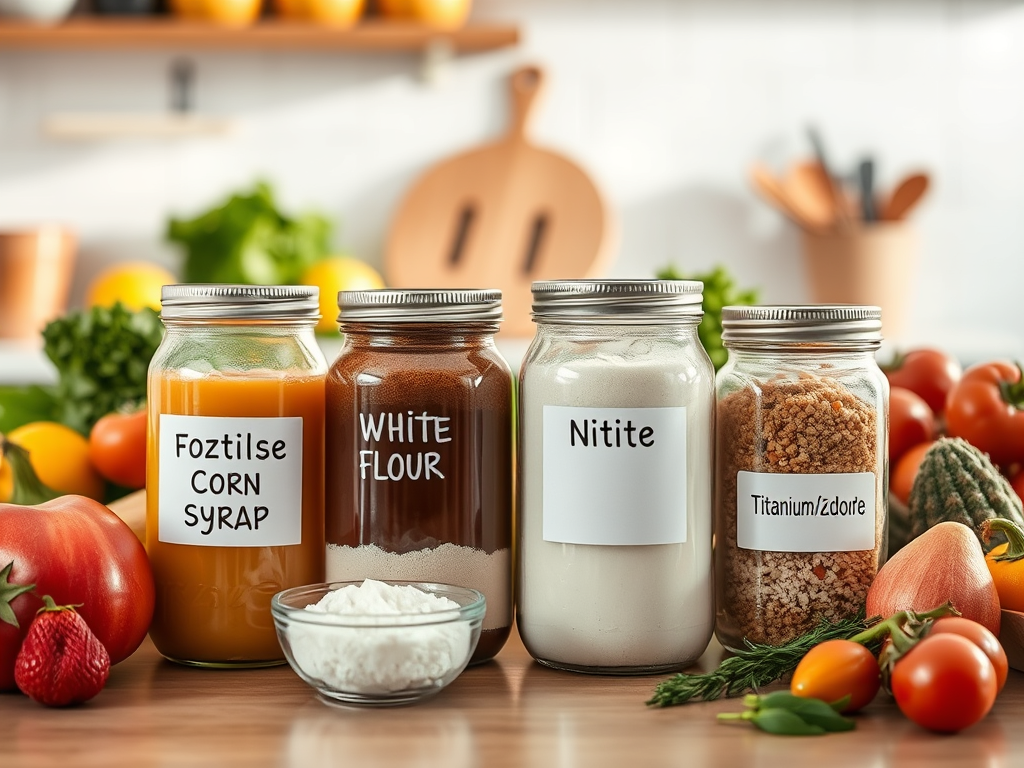


As a nutritionist, I’ve dedicated myself to helping people eat better and avoid hidden dangers in processed foods. Harmful food additives are a big concern for me. They can raise your risk of chronic diseases and affect your appetite and well-being.
After years of research and working with clients, I’ve banned four harmful food additives from my kitchen. I strongly advise you to avoid them too. These are high fructose corn syrup, white flour, nitrites/nitrates, and titanium dioxide. Each has been linked to health problems. By removing them from your diet, you can greatly improve your health and well-being.
Key Takeaways:
- Harmful food additives like high fructose corn syrup, white flour, nitrites/nitrates, and titanium dioxide are common in processed foods and can negatively impact your health.
- These additives have been linked to increased risk of chronic diseases, weight gain, and other health concerns.
- By eliminating these harmful additives from your diet, you can make significant strides towards a healthier lifestyle.
- As a nutritionist, I’ve made it a priority to avoid these additives in my own kitchen and recommend that you do the same.
- Becoming a more informed consumer and reading labels carefully can help you make better choices for your family’s health.
Understanding the Hidden Dangers in Your Kitchen’s Processed Foods
The food industry has added over 3,000 chemical additives to make food taste better, look good, and last longer. These synthetic ingredients have changed the American diet a lot in the last century. Now, more than 75% of what we buy in stores is packaged and processed foods.
Many of these additives could be harmful to our health. Yet, they are still common in American homes. This is because they are easy to use and save money for companies.
The Rise of Chemical Additives in Modern Food
The use of chemical additives in food has grown because of the need to make, store, and move food far. These additives help food last longer, taste better, and look the same. But, many people question if these chemicals are safe.
Some of these chemicals are banned in other countries because of health concerns.
How Food Processing Changed Our Diet
The way we eat has changed a lot with food processing. Now, most of what we eat is packaged and processed. This food often has chemical additives.
This change has led to more health problems like obesity, diabetes, and heart disease. Processed foods are often full of unhealthy fats, sugars, and sodium.
Why These Additives Are Common in American Households
Chemical additives are everywhere in American homes because they save money and are easy to use for companies. They help food last longer and taste the same every time. But, they can be bad for our health.
Many people like the taste and look of processed foods without knowing the risks of synthetic ingredients.
“1 out of a die of dozen food additives are listed as concerning substances.”
As more people learn about the dangers of chemical additives, there’s a push for better rules and safety checks. People are also advised to get help if they think they’re allergic to food additives. Making smart choices about the food we eat is key.
The Truth About High Fructose Corn Syrup (HFCS)
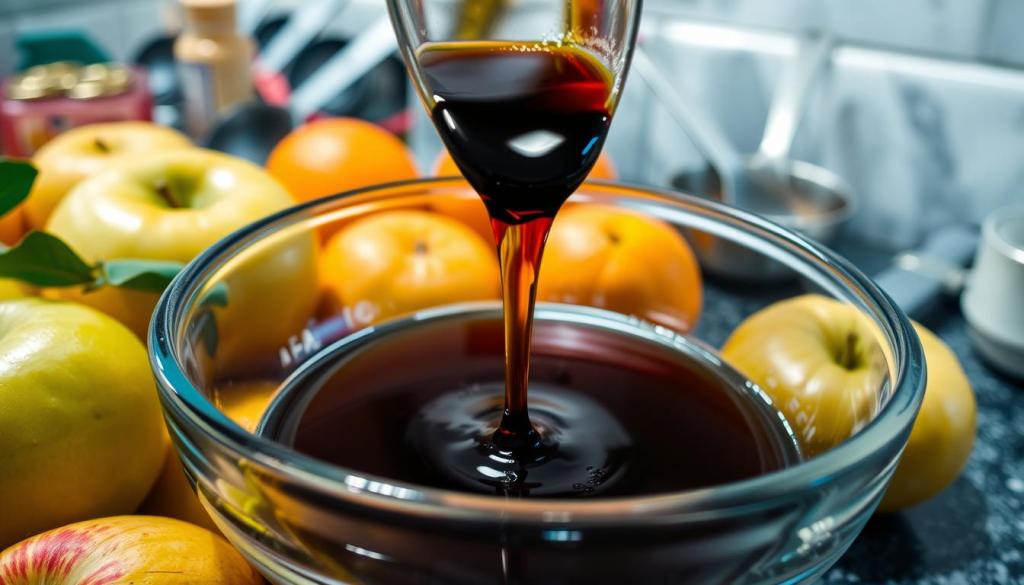
High Fructose Corn Syrup (HFCS) is a cheap, artificial sweetener found in many foods and drinks. It seems convenient and affordable, but it can harm your health. It’s linked to belly fat, high blood sugar, and body inflammation.
HFCS may also lead to chronic diseases like heart disease, some cancers, and type 2 diabetes. It has more fructose than glucose, making it harder for the body to process. This can cause fat buildup in the liver and other organs.
| Statistic | Value |
|---|---|
| HFCS contains about 55% fructose | Compared to regular sugar, which contains 50% fructose and 50% glucose |
| Americans now consume over 500 calories per day from sugar | Which may be 300% more than 50 years ago |
| Excessive intake of HFCS can contribute to increased liver fat | Leading to serious health issues like fatty liver disease and type 2 diabetes |
Try using 100% fruit juice, applesauce, or dates to sweeten your foods and drinks. Choose fresh fruits whenever you can. They offer natural sweetness and nutrients. Making these changes can help you avoid HFCS and improve your health.
“Many serious diseases such as obesity, diabetes, heart disease, and cancer have been linked to the overconsumption of fructose from HFCS and sugar.”
Knowing the dangers of HFCS is key to making better food choices. By cutting down on this artificial sweetener and choosing healthier options, you can protect your health. This can lower your risk of chronic diseases.
White Flour and Its Hidden Health Impacts
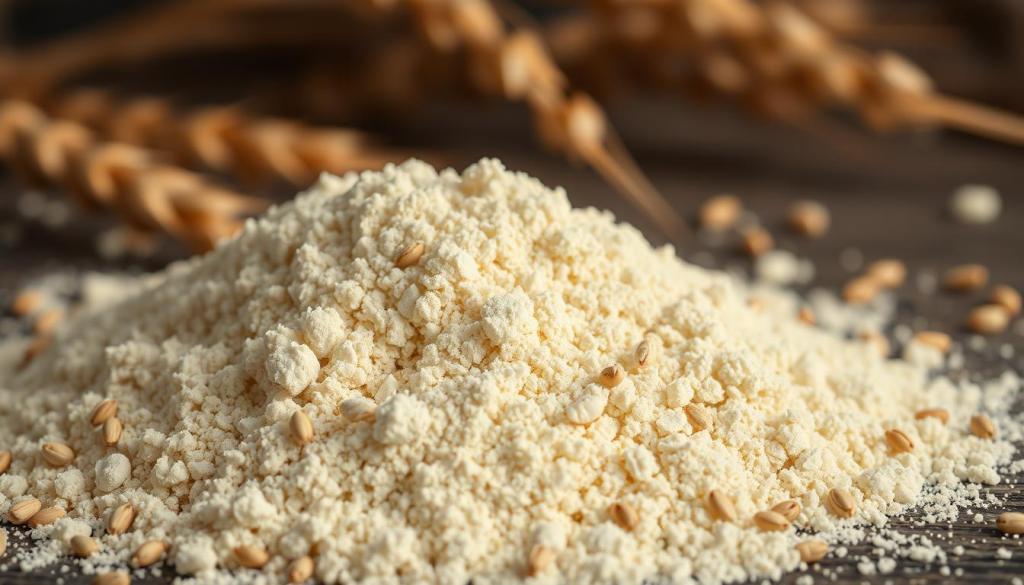
White flour is a common ingredient in many American homes. But it’s not as harmless as it seems. It’s made by removing the bran and germ, leaving only the starchy endosperm. This process takes away important fiber and nutrients, causing blood sugar to spike quickly.
Understanding Refined vs. Whole Grain Benefits
Refined white flour lacks the nutrients found in whole wheat flour. Whole grains, including bran and germ, release energy slowly. This helps control blood sugar and keeps you feeling full. Eating whole grains can lower the risk of obesity, diabetes, and some cancers.
Smart Substitutions for Better Health
- Switch to whole wheat flour in your baking and cooking for an instant health boost.
- Explore alternative flours, such as oat, almond, or chickpea flour, which offer additional nutritional benefits.
- Opt for organic, sprouted flour options, which are more easily digested and provide a higher concentration of enzymes.
Impact on Blood Sugar and Overall Health
White flour quickly enters the bloodstream, causing blood sugar spikes. This can lead to insulin resistance and weight gain. These issues increase the risk of high blood pressure and heart disease. Switching to whole grains can help keep blood sugar steady and improve your health.
| Nutrient Comparison | White Flour | Whole Wheat Flour |
|---|---|---|
| Fiber | 2.4 grams per cup | 12.2 grams per cup |
| Protein | 3.4 grams per cup | 16.0 grams per cup |
| B Vitamins | Partially restored | Naturally occurring |
| Glycemic Index | High (70-100) | Moderate (55-69) |
Switching from refined white flour to whole wheat flour and other whole grain options can greatly improve your health. These simple changes can lead to better blood sugar control and overall well-being. Start making these substitutions for a healthier diet.
Harmful, Toxic, Food Additives: What You Need to Know
As someone who cares about health, you should know about dangers in processed foods. Many additives can cause health problems, from behavioral issues in kids to serious diseases. It’s important to know about these ingredients to keep your family safe.
Aspartame, found in diet foods, has been linked to hormonal changes and heart disease. High fructose corn syrup (HFCS) is also a concern, linked to obesity and diabetes.
BHA and BHT, in cereals and oils, can harm the brain and cause cancer. Sodium nitrite, in processed meats, raises the risk of pancreatic cancer and other diseases.
| Harmful Additive | Health Risks |
|---|---|
| Aspartame | Hormonal effects, heart disease, cancer |
| High Fructose Corn Syrup (HFCS) | Obesity, type 2 diabetes |
| BHA and BHT | Neurological effects, behavior issues, cancer |
| Sodium Nitrite | Pancreatic cancer, other health problems |
Artificial food colorings like Yellow #5 and Red Dye #3 can cause problems in kids. Solvents used in decaffeination, like methylene chloride, also raise cancer risks.
By knowing about these additives and checking labels, you can choose better for your family. Eating whole, unprocessed foods is a smart way to avoid these harmful chemicals.
Nitrites and Nitrates: The Preservative Problem
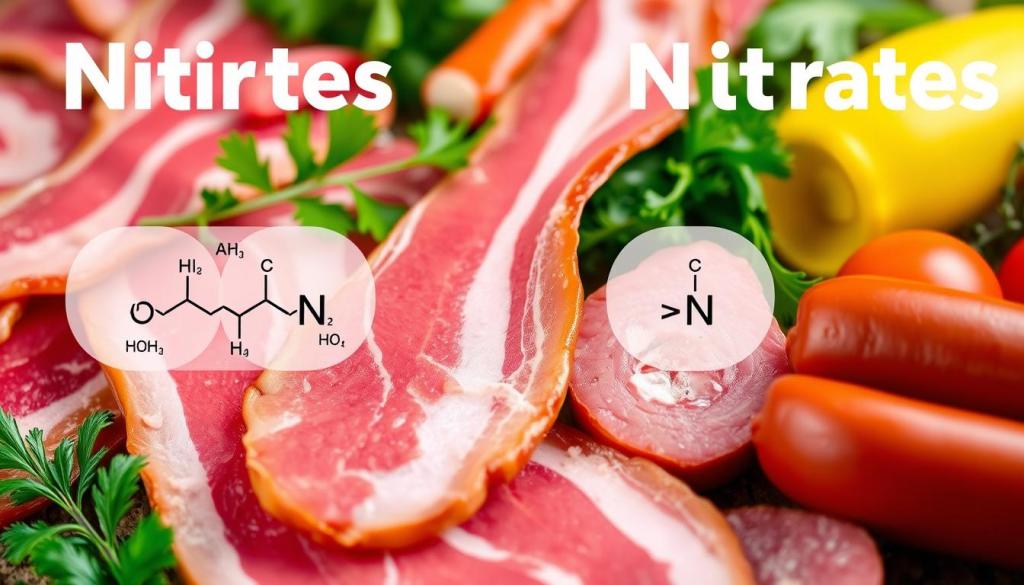
Nitrites and nitrates are found in many processed meats like bacon and sausages. They help keep these foods fresh and prevent bacteria. But, they can also be harmful when heated, forming nitrosamines that might increase cancer risk.
Cancer Risk and Cardiovascular Concerns
These additives have been linked to health problems, including cancer and heart issues. Eating foods with lots of nitrites and nitrates might raise your chance of getting certain cancers. This includes colorectal, breast, and prostate cancer.
They might also harm your heart. While nitrates in veggies can lower blood pressure, the ones in processed meats might not have the same effect.
Common Sources in Processed Meats
- Bacon
- Hot dogs
- Sausages
- Deli meats
- Cured or smoked meats
Not all processed meats have the same amount of nitrites and nitrates. Laws limit how much can be added. Some products also have vitamin C to reduce harmful compounds. But, even “nitrate-free” meats might still have high levels, especially from celery salt.
To cut down on nitrites and nitrates, eat less processed meat. Choose fresh foods instead. When buying processed meats, pick ones with little or no added nitrites and nitrates. Also, avoid cooking methods that can make nitrosamines worse.
Titanium Dioxide: The Hidden Color Additive
In the world of processed foods, titanium dioxide is getting a lot of attention. It’s often called “added color” or “artificial color” on labels. You can find it in candies, gum, icings, and sauces.
This synthetic compound makes foods and personal care items look bright and white. But, it’s causing health worries. The European Union has banned it in food because of lung cancer concerns.
In the US, no ban exists yet. But, California has its own rules. To avoid titanium dioxide, always check food labels. Look for products without artificial colors or “added color” labels.
| Titanium Dioxide Facts | Data |
|---|---|
| Typical Particle Size | 200–300 nanometers |
| Average Consumption for Children Under 10 | 0.18 mg per kg of body weight per day |
| Average Consumption for Adults | 0.1 mg per kg of body weight per day |
| Maximum Allowed in the US | 1% by weight |
| EU Safety Limit | 2,250 mg per kg of body weight per day |
| Global Market Value (2020) | $17.19 billion |
The debate over titanium dioxide shows the need for safer food additives. As people learn more about these chemicals, they want clearer labels and healthier options.
“The EU has decided to phase out titanium dioxide due to concerns about the genotoxicity of nanoparticles, accumulating in the body over time, potentially causing cancer.”
The future of titanium dioxide in food is unsure. But, it’s important for consumers to stay informed. This helps protect their health and that of their families.
Reading Labels: How to Identify Dangerous Additives
Being health-conscious means checking what’s in your food. Labels on processed foods can be tricky, hiding bad stuff in fancy names. Knowing how to read labels helps keep your family safe and healthy.
Understanding Ingredient Lists
Ingredients are listed by how much is in them, with the most being first. Learn the names of bad additives, as they might be called something else. For example, MSG could be “yeast extract” or “hydrolyzed protein.” Knowing these names helps you choose better when you shop.
Common Disguised Names for Harmful Ingredients
- Carrageenan: Some worry it might cause stomach problems and inflammation, even though the FDA says it’s okay.
- High Fructose Corn Syrup: Too much can harm your liver, make you resistant to insulin, lead to obesity, and increase the risk of type 2 diabetes.
- Isomalto-oligosaccharides (IMOs): These carbs can upset your stomach and raise your blood sugar.
- Sugar Alcohols: Artificial sweeteners like erythritol, maltitol, and sorbitol might upset your stomach and mess with your blood sugar.
- Whey Protein: Processed whey protein might have toxins, and people with dairy issues should stay away from it.
By carefully reading food labels, you can make better choices. This helps keep your family safe from harmful additives.
Natural Alternatives for a Healthier Kitchen
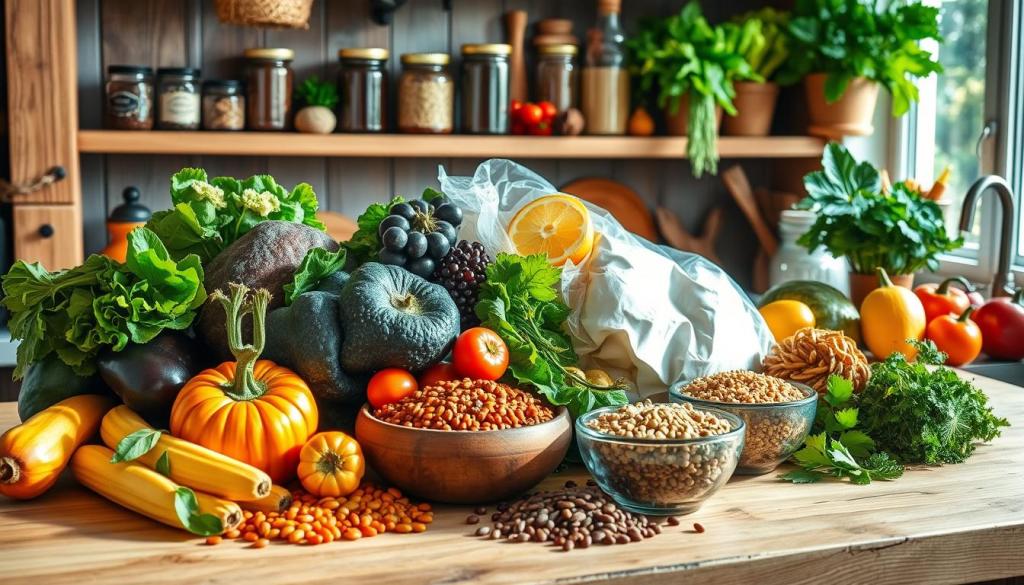
In today’s fast world, we often turn to processed foods. But these foods hide harmful additives that can harm our health. As a nutritionist, I suggest using natural, whole foods instead. This makes your kitchen healthier.
Begin by ditching commercial salad dressings for olive oil and lemon juice. Replace sugary cereals with homemade granola using organic oats and nuts. When baking, choose whole grain flours and natural sweeteners like honey.
It’s also key to avoid single-use plastics in the kitchen. These plastics can harm your food and the environment. Instead, use glass, stainless steel, and wooden items for storage and cutting.
| Processed Food | Natural Alternative |
|---|---|
| Commercial salad dressing | Olive oil and lemon juice |
| Sugary breakfast cereal | Homemade granola with organic oats, nuts, and dried fruit |
| Refined white flour | Whole grain flour |
| High fructose corn syrup | Honey or maple syrup |
| Plastic containers, cutting boards, sponges | Glass, stainless steel, wooden, and reusable silicone alternatives |
By choosing natural food alternatives, organic ingredients, whole foods, and healthy substitutes, you can cut down on harmful additives. This makes your kitchen a healthier, more sustainable place for your family.
Making Smart Choices for Your Family’s Health
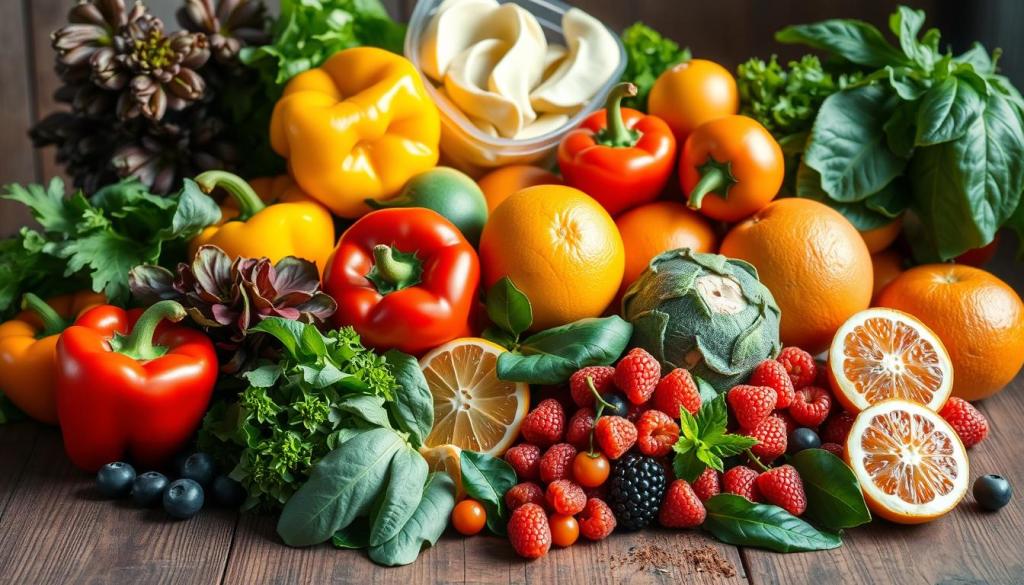
As a parent, your family’s health is very important. The modern food world has many harmful additives. But, you can make changes to keep your family safe.
Teach your family about avoiding bad ingredients. Get them involved in cooking with whole foods. Read labels together and pick foods with natural ingredients.
Switch to fresh foods and homemade snacks. This cuts down on harmful additives. It also helps your family develop good eating habits.
Changing to healthier food doesn’t have to be hard. Start small and your family will adapt. Work together to plan meals that are safe and nutritious.
“The greatest wealth is health.” – Virgil
Supporting your family’s health is crucial. Contact your representatives to push for safer food. Your efforts can help your community and beyond.
| Harmful Additive | Health Concerns | Common Sources |
|---|---|---|
| BPA | Hormone disruption, developmental issues | Food and beverage containers |
| Phthalates | Endocrine disruption, reproductive problems | Plastics, personal care products |
| Synthetic Food Dyes | Hyperactivity, behavioral issues in children | Processed foods, candies, drinks |
Conclusion
Removing harmful food additives like high fructose corn syrup and white flour can greatly benefit your family’s health. Choose whole, unprocessed foods and read labels well. Small changes can lead to big improvements in healthy eating habits and well-being.
Learn about food additive awareness to make better choices for your family. Stay away from processed foods with synthetic additives. Instead, choose natural, whole foods. This simple change can greatly improve your health and lead to a happier, healthier life.
Your family’s health is worth the effort. Making smart food choices is an investment in your long-term health. It also sets a good example for others. Enjoy the benefits of a nutritious, additive-free diet with natural, wholesome ingredients.
FAQ
What are the four harmful food additives that a nutritionist has identified?
A nutritionist has identified four harmful food additives. These are high fructose corn syrup, white flour, nitrites/nitrates, and titanium dioxide. They are commonly found in processed foods and can harm health.
How have chemical additives changed the American diet over the past century?
Over the past century, the American diet has changed a lot. The food industry has added over 3,000 chemical additives. These additives improve flavor, appearance, and shelf life of processed foods. Now, more than 75% of supermarket shelves are filled with packaged and processed foods.
What are the health concerns associated with high fructose corn syrup (HFCS)?
HFCS is linked to belly fat, high blood sugar, and inflammation. These issues may lead to heart disease, certain cancers, and diabetes. Instead, use 100% fruit juice, applesauce, or dates for sweetening. Choose fresh fruits over HFCS-sweetened foods.
How can substituting whole-wheat flour for white flour improve health?
White flour lacks fiber and nutrients because it’s highly processed. This causes quick blood sugar spikes and less fullness. Using whole-wheat flour increases fiber and nutrients. It helps control blood sugar and improves overall health.
What are some examples of harmful food additives to avoid?
Avoid artificial sweeteners like aspartame, preservatives like BHA and BHT, and colors like Red #40 and Yellow #6. These additives can cause health problems, including behavioral issues in children, potential cancer risks, and allergic reactions.
What are the health concerns associated with nitrites and nitrates in processed meats?
Nitrites and nitrates in processed meats like bacon and sausages can form harmful compounds when heated. These compounds increase cancer risk and may harm heart health. Limit processed meats and choose fresh, unprocessed alternatives.
What is the concern with the food additive titanium dioxide?
Titanium dioxide, known as “added color” or “artificial color,” is found in candies and sauces. It’s banned in the European Union due to lung cancer risks. While allowed in the US, some states like California have banned it in certain products.
How can you identify harmful food additives when reading food labels?
Read ingredient lists on food packaging to spot harmful additives. Ingredients are listed by quantity, with the most used first. Some additives have hidden names, like MSG as “yeast extract.” Know common names to make better choices.
What are some healthy alternatives to replace processed foods with?
Choose whole, natural foods instead of processed ones. Use olive oil and lemon juice for salad dressing. Make homemade granola with fruits and nuts. Pick whole grain flours and sweeten with honey, maple syrup, or fruit purees. Focus on whole foods to avoid harmful additives.
How can families make healthier choices and reduce exposure to harmful food additives?
Teach your family about avoiding harmful additives. Involve them in cooking with whole ingredients. Read labels together and choose natural ingredients. Replace processed snacks with fresh fruits and homemade foods. This creates healthy habits and reduces additive exposure.
Source Links
- I’m a Nutritionist and Banned These 4 Harmful Food Additives From My Kitchen – https://bodynetwork.com/harmful-food-additives-nutritionist-guide/
- 12 Common Food Additives — Should You Avoid Them? – https://www.healthline.com/nutrition/common-food-additives
- My Top 13 on the Food Additives List to Avoid – Countryside – https://www.iamcountryside.com/canning-kitchen/food-additives-list-to-avoid/
- 5 Dangerous Ingredients That Are in Our Food but Shouldn’t Be – Consumer Reports – https://www.consumerreports.org/health/food-additives/dangerous-ingredients-that-are-in-our-food-but-shouldnt-be-a4054710317/
- Navigating Food Additives: Identifying and Avoiding Harmful Chemicals – https://chefsforseniors.com/blog/navigating-common-food-additives/
- 6 Reasons Why High-Fructose Corn Syrup Is Bad for You – https://www.healthline.com/nutrition/why-high-fructose-corn-syrup-is-bad
- What to Know About High-Fructose Corn Syrup – https://www.webmd.com/diet/what-to-know-about-high-fructose-corn-syrup
- Avoid the Hidden Dangers of High Fructose Corn Syrup – https://health.clevelandclinic.org/avoid-the-hidden-dangers-of-high-fructose-corn-syrup-video
- The Hidden Truth About Enriched White Flour – https://globalhealing.com/blogs/education/enriched-white-flour?srsltid=AfmBOord150MvMfem9918h7IIiQtRuZI6CXaDU4PmFfGuyrXQcdiB0Yx
- Four “Toxic” Food Additives that Increase Appetite – The Food Institute – https://foodinstitute.com/focus/four-toxic-food-additives-that-increase-appetite/
- Unveiling the Truth About White Flour: Health Risks and Safe Alternatives – https://www.agricolapiano.com/blogpiano/patent-white-flour/?lang=en&srsltid=AfmBOoouiRAl4DJ2KrP4jTsRif-aKFneKC4-5-9QpXJVzoR_Vx8Jy4lu
- EWG’s Dirty Dozen Guide to Food Chemicals: The top 12 to avoid – https://www.ewg.org/consumer-guides/ewgs-dirty-dozen-guide-food-chemicals-top-12-avoid
- 7 Food Additives And Preservatives To Avoid – https://chefsforseniors.com/blog/7-food-additives-and-preservatives-to-avoid/
- Are Nitrates and Nitrites in Foods Harmful? – https://www.healthline.com/nutrition/are-nitrates-and-nitrites-harmful
- The truth about the nitrates in your food – https://www.bbc.com/future/article/20190311-what-are-nitrates-in-food-side-effects
- Nitrites and nitrates from food additives and natural sources and cancer risk: results from the NutriNet-Santé cohort – https://pmc.ncbi.nlm.nih.gov/articles/PMC9365633/
- Titanium Dioxide in Food — Should You Be Concerned? – https://www.healthline.com/nutrition/titanium-dioxide-in-food
- Food additive or carcinogen? The growing list of chemicals banned by EU but used in US – https://www.theguardian.com/environment/2022/jun/23/titanium-dioxide-banned-chemicals-carcinogen-eu-us
- The Top 11 Ingredients to Avoid on Food Nutrition Labels – https://realfoodbar.com/blog/ingredients-to-avoid-on-food-nutrition-labels?srsltid=AfmBOorG0sjkeAibaj9VnEc1PXD4pRVawCKLivRxsdYNzuhL9zM7x2KT
- How to Read Food Labels Without Being Tricked – https://www.healthline.com/nutrition/how-to-read-food-labels
- Food labels – How to read to avoid unhealthy ingredients. – LIFT CHICAGO – https://www.lift-chicago.com/food-labels-how-to-read-to-avoid-unhealthy-ingredients/
- 10 Ways to Create a Non-Toxic Kitchen – Going Zero Waste – https://www.goingzerowaste.com/blog/non-toxic-kitchen/
- 5 Ways to Reduce Intake of Food Additives – https://health.choc.org/reduce-intake-food-additives/
- Food Additives: What Parents Should Know – https://www.healthychildren.org/English/healthy-living/nutrition/Pages/Food-Additives.aspx
- Tips to avoid toxic chemicals in food – Toxic-Free Future – https://toxicfreefuture.org/blog/tips-to-avoid-toxic-chemicals-in-food/
- Toxicological and Teratogenic Effect of Various Food Additives: An Updated Review – https://pmc.ncbi.nlm.nih.gov/articles/PMC9249520/
- Food Additives: Overview of Related Safety Concerns – https://www.scivisionpub.com/pdfs/food-additives-overview-of-related-safety-concerns-2273.pdf


 trim down and shape up
Leave a comment