

We all search for the perfect diet to solve our health issues. This search leads us to try out crazy diet ideas. These ideas might sound great but can actually harm our efforts to lose weight and live healthier.
Here are some common nutrition myths debunked. These dietary fads and food misconceptions come from misread studies, marketing hype, or old information. It’s important to clear up these nutrition myths to make smart dietary choices and stay healthy.
Key Takeaways
- Common nutrition myths can greatly affect your diet and health.
- Myths include thinking all calories are the same, some foods have negative calories, and cutting calories fast is the best way to lose weight.
- Dietary fads and food misconceptions often come from wrong studies, marketing hype, or old info.
- It’s crucial to debunk these nutrition myths to make informed dietary choices and stay healthy.
- Knowing healthy eating facts and avoiding nutrition misinformation is key to a balanced diet and lifestyle.
The Truth About Carbs: Friend or Foe?
Carbohydrates are often debated in nutrition. Are they the enemy or a key part of a balanced diet? The truth is, carbs are crucial for energy and health.
Understanding Complex vs. Simple Carbohydrates
Carbohydrates fall into two groups: complex and simple. Complex carbs are in whole grains, fruits, and veggies. They give lasting energy and important nutrients like fiber and vitamins. Simple carbs, like sugar and refined starches, cause quick blood sugar spikes and drops.
The Role of Carbs in Energy Production
Carbs are the body’s top energy source. Complex carbs turn into glucose, fueling our cells and body functions, including the brain. Research shows 54% of people who ate carbs before a workout did better than those who didn’t.
Debunking Low-Carb Diet Claims
Low-carb diets like keto and Atkins might help you lose weight short-term. But they’re hard to keep up with and can lead to nutrient gaps. The American Heart Association suggests a balanced diet with carbs, focusing on complex carbs and fiber-rich foods. Eating a variety of carbs, like fruits, veggies, and whole grains, gives sustained energy and essential nutrients.
“Carbs are not the enemy – it’s the type and amount of carbs you consume that matters. A balanced diet with a variety of complex carbs is key for optimal health.”
Knowing the difference between complex and simple carbs and their role in energy production helps you make better food choices. This way, you can enjoy a balanced diet that includes carbs as part of a healthy lifestyle.
| Complex Carbs | Simple Carbs |
|---|---|
| Provide sustained energy and essential nutrients | Lead to rapid blood sugar spikes and crashes |
| Found in whole grains, fruits, and vegetables | Found in sugar, refined starches, and sweets |
| Promote healthy digestion, weight management, and reduced disease risk | Offer quick energy but can contribute to weight gain and health issues |
Diet Sodas and Weight Loss: The Artificial Sweetener Deception

The diet soda market is huge, worth $4.1 billion in the U.S. alone. Many people think diet sodas help them lose weight. But the truth is more complicated.
Some studies say diet sodas might help with weight loss at first. But the long-term effects are not clear. It’s not as simple as it seems.
Many believe diet sodas are the key to losing weight. But research shows they might not be as effective as thought. People who drink both regular and diet soda face higher risks of type 2 diabetes and metabolic syndrome.
Diet sodas have more problems than just weight issues. Some artificial sweeteners, like aspartame, can turn into harmful substances in our bodies. They also contain additives like phosphoric acid and potassium benzoate, with unknown effects.
Experts recommend drinking water, regular tea or coffee, or plain seltzer for a soda-like taste. Relying on diet sodas for weight loss might be a nutrition misinformation that could harm you.
In summary, diet sodas might seem like a quick fix for weight loss. But science doesn’t support this. It’s safer to stick to a balanced diet and regular exercise for lasting weight control.
Fat Facts: Separating Truth from Fiction
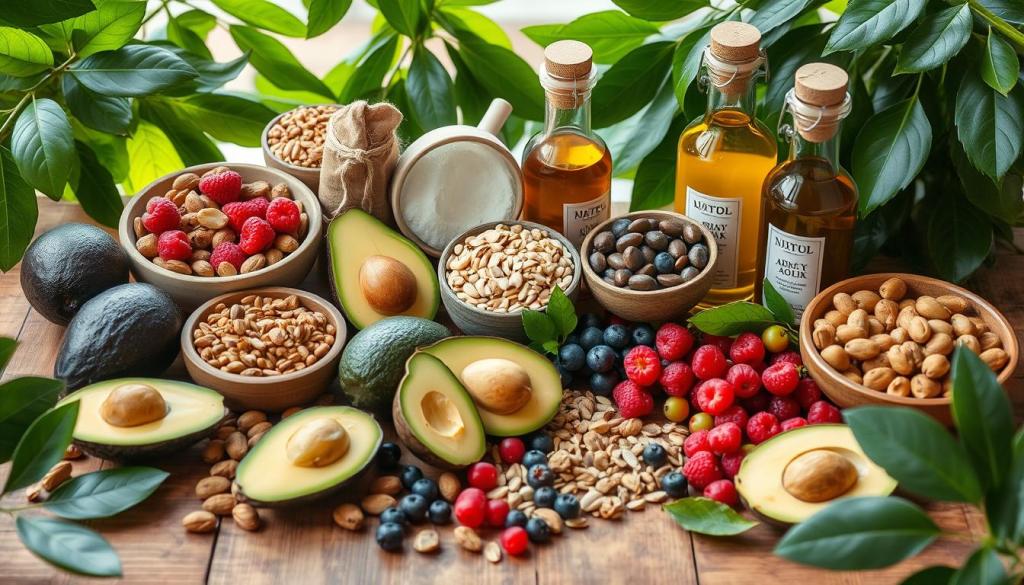
Dietary fats are not all the same. A low-fat diet isn’t always the best choice for health. The type of fat you eat is key to your well-being.
Good Fats vs. Bad Fats
Healthy fats, like those in fish, nuts, and olive oil, are vital. They help with hormone production, nutrient absorption, and brain function. These good fats can also reduce inflammation and lower cortisol, which is good for the heart.
Bad fats, found in fried foods, processed snacks, and red meat, can harm your heart and increase disease risk. It’s crucial to eat more healthy, unsaturated fats and less saturated and trans fats.
The Essential Role of Dietary Fats
- Fats are vital for hormone production, supporting healthy skin, hair, and nails.
- They help absorb fat-soluble vitamins A, D, E, and K, which are key for health.
- Dietary fats provide lasting energy, keeping you full and satisfied.
Impact on Heart Health
The type of fats we eat matters for heart health. Omega-3 fatty acids in fish and some plant oils reduce inflammation and lower cholesterol. This helps protect the heart.
While a low-fat diet is a common myth, it’s more important to focus on healthy, unsaturated fats. Limiting saturated and trans fats is key for healthy eating facts.
Common Nutrition Myths About Protein Sources
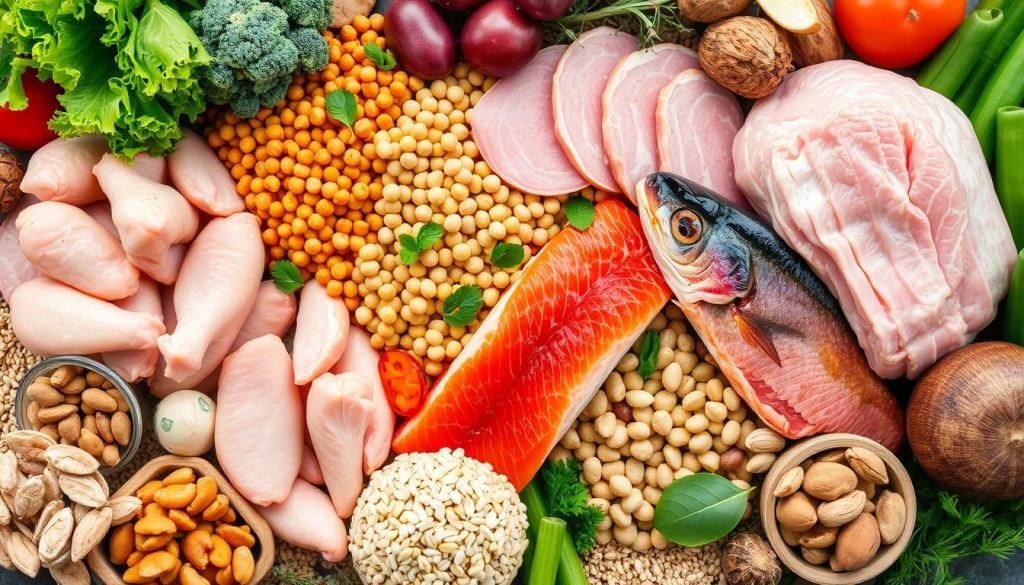
There are many myths about protein that can confuse us. One myth is that eggs are bad because they have a lot of cholesterol. But, most people’s cholesterol levels don’t change much from eating eggs. Eggs are also packed with good protein, vitamins, and minerals.
Another myth is that red meat causes cancer. While some studies link certain red meats to cancer, it’s not that simple. It depends on how the meat is cooked and what else you eat. Lean, unprocessed red meat can be part of a healthy diet.
Peanut butter is often seen as healthy, but it’s high in calories. It has protein, healthy fats, and nutrients, but eat it in small amounts. It’s important to control how much you eat of foods like peanut butter.
It’s better to look at the whole picture of protein sources, not just cholesterol or fat. Eating a variety of protein-rich foods, like poultry, seafood, dairy, eggs, and plant-based options, helps keep your diet balanced.
| Protein Source | Protein Content (per 100g) | Other Nutrients |
|---|---|---|
| Chicken Breast | 31g | Low in fat, high in B vitamins and selenium |
| Tuna (canned in water) | 25g | High in omega-3 fatty acids, vitamin D, and selenium |
| Lentils | 9g | High in fiber, folate, and iron |
| Eggs | 13g | Rich in vitamins A, D, and B12, as well as choline |
| Peanut Butter | 25g | High in healthy fats, fiber, and various minerals |
Knowing the nutritional value of different protein sources helps you make better choices. This supports your health and wellness.
“The 2017 Position Stand on Protein has been cited 890 times as of 2023, highlighting the importance of this topic in the field of nutrition.”
The Science Behind Calorie Consumption
Many believe that “all calories are alike,” but this isn’t true. The body treats different foods differently. This affects hormone levels, how full we feel, and how much energy we use. Knowing this helps us make better food choices.
Metabolic Impact of Different Foods
Whole foods like whole-wheat bread, beans, and fruit are full of good stuff. They have a better effect on our metabolism than simple sugars or refined grains. But, foods labeled as low-fat or no-fat might have more added sugars, starches, or salt. This can make them just as calorie-dense as regular foods.
Timing and Calorie Intake
When we eat can affect our weight, but it’s not everything. Eating a healthy breakfast can help us feel full and avoid bad snacks later. Late-night eating might lead to weight gain, but it’s usually because of high-calorie foods and poor sleep, not just when we eat.
The idea that “nighttime eating makes you fat,” isn’t entirely true. It’s more about how many calories we eat and what they are. Being overweight raises the risk of heart disease and diabetes. So, eating well and staying active is key.
“The timing of calorie intake can influence weight management, but the total daily calorie balance is more important than specific meal times.”
Popular Diet Foods and Their Hidden Truths
Many people think pre-packaged “diet” foods will help them lose weight easily. But, these foods often have hidden sugars and artificial additives. They might not be as healthy as whole foods. Also, not all wheat bread is better than white bread. It depends on the ingredients and how it’s made.
Dietary fads can be misleading, promising quick weight loss. But, real health comes from eating whole foods and staying active. Always check the nutrition labels to know what you’re eating, not just what’s advertised.
- Pre-packaged “diet” foods often contain hidden sugars and artificial additives, undermining their health benefits.
- Wheat bread is not always healthier than white bread; the specific ingredients and processing methods matter more.
- Many popular diet foods may not provide the nutritional benefits they claim, highlighting the importance of reading labels and focusing on whole, minimally processed foods.
Being an informed shopper helps you make better choices for your health. Avoid the myths that pre-packaged diet foods make weight loss easy or all wheat bread is better than white bread. Choose a balanced diet and be cautious of dietary fads that don’t live up to their claims.
The Reality of Metabolism Boosters and Fat Burners
Weight loss promises from “metabolism boosters” and “fat burners” can be tempting. But, the truth often falls short of the hype. Eating smaller, more frequent meals might affect hunger and energy. Yet, it doesn’t really change your metabolic rate.
Understanding Your Metabolic Rate
Your metabolism, or basal metabolic rate (BMR), is how many calories you burn at rest. It’s about 70% of your daily energy use. Your BMR can be influenced by your age, muscle mass, and calorie intake.
For instance, men usually have a higher BMR than women. Taller people burn more calories than shorter ones. Genetics also affect your metabolic rate.
Impact of Eating Patterns
Eating late at night or eating very few calories won’t slow down your metabolism. In fact, long-term low-calorie diets can make your BMR decrease. The best approach is to eat a balanced diet and exercise regularly to keep your metabolism healthy.
“Fat burners” and metabolism boosters, like supplements with caffeine or capsaicin, don’t have strong scientific backing. They might slightly increase calorie burn but the effect is short-lived.
There’s no quick fix for boosting your metabolism. Losing weight and keeping it off requires a balanced diet, exercise, and lasting lifestyle changes. Knowing how your metabolism works helps you make better choices and set realistic weight loss goals.
Debunking Superfood Claims and Marketing Hype
In the world of nutrition, “superfood” is a buzzword. Many foods called superfoods are indeed packed with nutrients. But, they don’t have magical powers to fix all health problems. Nutrition misinformation and superfood claims can be confusing. It’s key to know what’s real and what’s not.
The idea that one food can cure bloating is a myth. No single food can solve complex health issues. Eating a variety of whole, nutrient-rich foods is better than focusing on a few “superfoods.”
- A Nielson survey found people are willing to pay more for healthy foods. Foods seen as healthy with health claims sell the most.
- Most people see food as a way to prevent health problems like obesity and diabetes.
- Mintel found a 36% increase in “superfood” labeled products in 2015. The US led in these launches.
Foods like fruits, vegetables, and whole grains are great for you. But, they’re not magic. The hype around “superfoods” often doesn’t match the science backing their health benefits.
“Exclusionary diets can promote anxiety and orthorexia, and switching to expensive substitutes like gluten-free products does not provide additional health benefits.”
Don’t get caught up in superfood claims. Instead, eat a variety of whole, minimally processed foods. This balanced diet is more likely to give your body what it needs for good health.
The Truth About Meal Timing and Frequency

Many think skipping meals helps with weight loss or that eating small meals often boosts metabolism. But, the science tells a different story.
One study found no weight difference between those who ate breakfast and those who didn’t. The thermic effect of food, which is about 10% of total calorie intake, doesn’t change much with meal frequency. Many studies show that changing meal frequency doesn’t affect calorie burn.
Eating more often may not make you feel less hungry. A study with 16 adults with obesity found no difference in weight or hunger between eating 3 or 6 meals a day. In fact, eating more often might make you hungrier, especially if you have a higher BMI.
Short-term fasting can start autophagy (cell repair) and briefly increase metabolism by up to 14%. But, its long-term effect on weight is complex. Keeping a healthy calorie intake is key for lasting results.
The real secret to managing weight is not just about when or how often you eat. It’s about eating nutrient-rich foods and listening to your body’s hunger and fullness signals. This might be more effective than following a strict meal schedule.
Understanding Food Labels and Marketing Claims
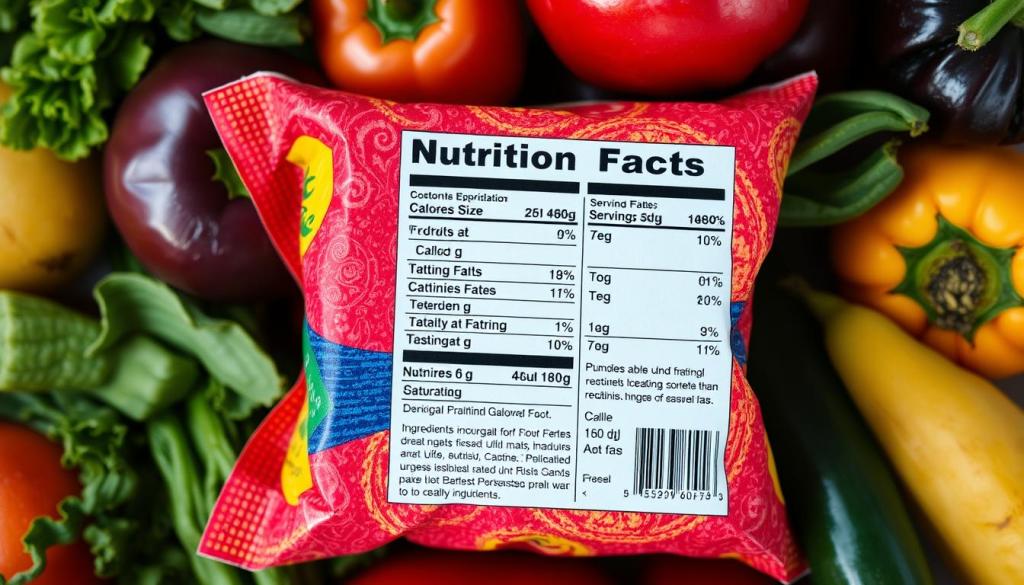
Looking for healthy food can be tough with all the labels and claims out there. Organic food is often seen as better, but it’s not always true. The nutrients in food can change a lot, even if it’s organic or not.
It’s important to read food labels well to choose wisely. This helps you know what you’re eating.
Organic vs. Conventional Foods
The organic label doesn’t mean a food is always healthier. Things like soil, farming, and storage can affect the food’s nutrients. The best thing is to eat a variety of fresh, whole foods, not just organic ones.
Reading Nutrition Labels Effectively
Nutrition labels can be tricky, with confusing claims and sizes. For instance, the % Daily Values don’t always add up to 100%. Small foods are often seen as many servings, even if we eat them all at once. Look at the total calories, fat, sodium, and sugars. Use the % Daily Value to see how a food fits into your diet.
Claims like “natural,” “healthy,” or “low-fat” aren’t always true. Stick to the Nutrition Facts and ingredients list, not the packaging or claims.
“The fight against chronic diseases such as heart disease and type 2 diabetes is a priority for the AMA through its Improving Health Outcomes initiative.”
Understanding labels and claims helps you make better food choices. A diet full of whole, nutrient-rich foods is key to staying healthy. It doesn’t matter if it’s organic or not.
Exercise and Nutrition: Common Misconceptions

Many people think they can eat whatever they want if they exercise a lot. This idea can harm your health and fitness goals. Exercise is good, but it doesn’t mean you can ignore what you eat.
What you eat is still very important, even if you work out a lot. Eating too much or unhealthy foods can ruin your workout gains. This can lead to weight gain and undo your exercise efforts.
To stay healthy and fit, forget the myth that “you can eat whatever you want if you work out.” Eating a balanced diet is key. It fuels your body and helps you reach your fitness goals. Combining exercise with a healthy diet maximizes your health benefits.
Debunking Nutrition Myths
There are many myths about nutrition. It’s important to know the truth to make good food choices. Some common myths include:
- Carbohydrates are “bad” for you, and a low-carb diet is always the best approach.
- Artificial sweeteners are a safe and effective way to lose weight.
- Certain “superfood” supplements can provide all the nutrients you need.
- Detox diets and cleanses are necessary for overall health.
Knowing the truth about these myths helps you make better food choices. This supports your health and fitness goals, whether you exercise a lot or just want to stay healthy.
The Importance of Moderation and Balance
Finding the right balance between exercise and nutrition is crucial. The Dietary Guidelines for Americans, 2020–2025 suggest eating grains and limiting saturated fats. They also recommend 3 servings a day of dairy products.
The Physical Activity Guidelines for Americans, 2nd edition say you need 150 minutes of moderate exercise weekly. They also suggest muscle-strengthening activities twice a week. By matching your diet and exercise, you can avoid common nutrition myths and enjoy a healthy lifestyle.
“Nutrition and exercise go hand-in-hand. You can’t out-exercise a poor diet, and a healthy diet alone won’t give you the full benefits of a well-rounded lifestyle.”
Remember, a healthy lifestyle is about balance. Debunking myths and eating well are key to achieving your wellness goals. This way, you can stay vibrant and full of energy.
Supplement Industry Myths and Facts
The supplement industry is full of myths and exaggerated claims. While some people need meal supplements, most get enough from a balanced diet. Also, vitamin C fights the common cold, but it doesn’t cure it. Many claims lack solid scientific proof, making people fall for nutrition misinformation.
It’s important to be careful with supplements. The U.S. Food and Drug Administration (FDA) doesn’t check them as much as medicines. This means their safety and how well they work aren’t always proven. Some supplements can also react with medicines, causing bad side effects.
For good advice on supplements, talk to a healthcare professional. They can tell you which ones might help you, based on your health and needs. Look for third-party certifications like NSF for Sport and Informed Choice/Sport to find safe supplements.
Some supplement facts might surprise you. For example, to help with injuries, you need 10-20 grams of collagen protein daily. For creatine loading, take 20 grams a day, but only 5 grams for maintenance. Also, don’t take more than 20-30 milligrams of zinc daily.
Energy drinks, though popular, can harm your health. They can cause high blood pressure, fast heart rate, anxiety, nervousness, and heart problems. It’s key to know the risks of these products.
Knowing the truth about supplements helps you make better choices for your health. A healthy diet and exercise usually give you all the nutrients you need. You might not need as many supplements as you think.
“The supplement industry is rife with myths and exaggerated claims. It’s crucial to approach it with a critical eye and consult healthcare professionals for guidance.”
Conclusion: Making Informed Dietary Choices
It’s key to know and debunk common nutrition myths for better dietary choices. A balanced diet includes whole foods, exercise, and eating in moderation. Always question nutrition claims and seek advice from experts.
By doing this, you can build lasting, healthy eating habits. These habits are good for your overall health.
The healthy eating facts in this article show the need to look beyond marketing. It’s important to understand the role of carbs, fats, and proteins. Also, know the limits of diet trends and supplements.
Stay curious about your nutrition. This curiosity is crucial for making smart choices.
Getting healthier means understanding nutrition myths and making informed choices. Focus on whole foods, stay active, and get advice from reliable sources. This way, you can find your way through the complex world of diet information and reach your wellness goals.
FAQ
Are all calories created equal?
No, not all calories are the same. Different foods affect your body in different ways. It’s not just about how many calories you eat, but what kind they are.
Do carbohydrates need to be avoided for good health?
No, carbs are key for energy. They come in two types: complex carbs for lasting energy and simple carbs for quick energy. Eating a balanced diet with carbs is good for your health.
Are diet sodas an effective weight loss aid?
Diet sodas might not help with weight loss. They can make you want sweet foods more. It’s better to focus on your overall diet, not just diet drinks.
Are all fats unhealthy?
No, not all fats are bad. Good fats, like those in fish and nuts, are healthy. It’s the type of fat that matters, not just how much.
Are eggs high in cholesterol and unhealthy?
Eggs are okay for most people, even with their cholesterol. The link between red meat and cancer is complex. It depends on how you cook it and your diet overall.
Does nighttime eating cause weight gain?
Eating at night doesn’t directly cause weight gain. What matters most is your total calorie intake and food choices. When you eat can affect your weight, but it’s not as important as how many calories you eat.
Are pre-packaged diet foods the best option for weight loss?
No, diet foods can be unhealthy. They often have hidden sugars and artificial additives. It’s better to eat whole, unprocessed foods for your health.
Does eating smaller, more frequent meals boost metabolism?
Eating small meals often doesn’t boost your metabolism much. It might affect how hungry you feel and your energy levels. But it doesn’t change your metabolic rate a lot.
Are superfoods the solution to all health problems?
No, “superfoods” are often just marketing terms. While they are nutritious, they’re not magic solutions. Eating a variety of healthy foods is better than focusing on one or two “superfoods.”
Does skipping meals help with weight loss?
Skipping meals doesn’t help with weight loss and can slow down your metabolism. What you eat and how much is more important than when you eat it.
Is organic food always healthier than conventionally grown food?
No, organic doesn’t always mean healthier. The nutritional value depends on many factors. It’s important to understand food labels and marketing claims to make good choices.
Can exercise negate the effects of poor dietary choices?
No, exercise doesn’t let you eat whatever you want. While it’s key for health, it can’t undo the harm of bad eating. Both diet and exercise are important for your health and weight.
Are meal supplements necessary for optimal health?
No, most people don’t need supplements if they eat a balanced diet. Many supplement claims aren’t backed by science. Always talk to a healthcare professional before starting any supplements.
Source Links
- Dietetic Intern Research Articles | Human Sciences | SFA – https://www.sfasu.edu/hms/field-work/di-research-articles
- Molasses malarkey – https://gardenprofessors.com/molasses-malarkey/
- Busting nutrition myths on carbohydrates – https://www.elo.health/articles/busting-nutrition-myths-on-carbohydrates/
- Carbs: Friend or Foe? Let’s Set the Record Straight – https://www.wearebfit.com/post/carbs-friend-or-foe-let-s-set-the-record-straight
- Modern Myths of Aging: Is Diet Soda Harmless? – Rutgers – https://ifh.rutgers.edu/highlight/modern-myths-of-aging-is-diet-soda-harmless/
- Study: diet soda can really mess with your metabolism – https://www.vox.com/science-and-health/2017/8/10/16125654/study-diet-soda-can-mess-with-metabolism
- Dispelling Nutrition Myths: Separating Fact From Fiction – Dr. Lisa Young, PhD, RDN – https://drlisayoung.com/dispelling-nutrition-myths-separating-fact-from-fiction/
- The truth behind common nutrition myths – https://www.nuvancehealth.org/health-tips-and-news/myth-busters-the-truth-behind-common-nutrition-myths
- Nutrition Myths: Fact vs. Fiction – https://movementinnovation.com.au/uncategorized/nutrition-myths/
- Common questions and misconceptions about protein supplementation: what does the scientific evidence really show? – https://pmc.ncbi.nlm.nih.gov/articles/PMC11022925/
- Common Protein Myths | UT Physicians – https://www.utphysicians.com/three-common-protein-myths/
- Diet myths and facts: MedlinePlus Medical Encyclopedia – https://medlineplus.gov/ency/patientinstructions/000895.htm
- 10 Nutrition Myths Experts Wish Would Die (Published 2023) – https://www.nytimes.com/2023/01/19/well/eat/nutrition-myths.html
- 18 Nutrition Facts That Should Be Common Sense (But Aren’t) – https://www.healthline.com/nutrition/20-nutrition-facts-that-should-be-common-sense
- 12 Diet And Nutrition Myths People Still Believe In – HealthifyMe Blog – https://www.healthifyme.com/blog/12-diet-and-nutrition-myths-people-still-believe-in/
- Nutrition Myths Debunked: Is There 1 Food To Guarantee Health? – https://www.wfpusa.org/articles/nutrition-myths-debunked/
- Metabolism Boosters: Weight Loss Fact or Fiction? – https://www.healthline.com/health/metabolism-boosters-weight-loss
- Metabolism Myths and Facts – https://www.eatright.org/health/wellness/weight-and-body-positivity/metabolism-myths-and-facts
- New No-Exercise ‘Skinny Pill’ Melts Belly Fat. Why Every Judge On Shark Tank Backed This Product! – https://nmi.edu/blogs/fat-burners-myths-realities-and-how-they-fit-into-abcb-a-healthy-lifestyle/
- Superfoods or Superhype? – https://nutritionsource.hsph.harvard.edu/superfoods/
- What are ‘superfoods,’ and do they live up to the hype? – https://www.medicalnewstoday.com/articles/superfoods-fad-or-fact
- How marketing obscures science when it comes to what we eat – https://www.abc.net.au/news/2016-10-14/mythbusting-superfoods-how-marketing-obscures-science/7928668
- 11 Myths About Fasting and Meal Frequency – https://www.healthline.com/nutrition/11-myths-fasting-and-meal-frequency
- Myths About Meal Timing and Frequency – IDEA Health & Fitness – https://www.ideafit.com/myths-about-meal-timing-and-frequency/
- How to read Nutrition Facts label: Fighting 5 food misconceptions – https://www.ama-assn.org/delivering-care/public-health/how-read-nutrition-facts-label-fighting-5-food-misconceptions
- How to Read Food Labels Without Being Tricked – https://www.healthline.com/nutrition/how-to-read-food-labels
- Understanding Food Labels – https://nutritionsource.hsph.harvard.edu/food-label-guide/
- Some Myths about Nutrition & Physical Activity – NIDDK – https://www.niddk.nih.gov/health-information/weight-management/myths-nutrition-physical-activity
- Navigating common nutrition myths and misconceptions | Dietitians On Demand Blog – https://dietitiansondemand.com/navigating-common-nutrition-myths-and-misconceptions/
- Discerning Fact from Fiction: Food and Nutrition Myths – https://programs.online.american.edu/msne/masters-nutrition-education/resources/food-and-nutrition-myths
- No title found – https://us.sodexo.com/inspired-thinking/healthcare/blogs/myth-busting-supplements
- Should I take dietary supplements? Common myths – MPCP – https://www.mpcp.com/articles/healthy-lifestyle/should-i-take-dietary-supplements-common-myths/
- 8 Myths About Vitamin Supplements – https://www.henryford.com/blog/2016/03/8-myths-about-vitamin-supplements
- Nutrition Myths vs. Facts – https://www.julienutrition.com/nutrition-myths-vs-facts/
- Debunking the Most Common Nutrition Myths and Misconceptions — THRIVE NUTRITION – https://www.thrivenutritionmn.com/blog/debunking-nutrition-myths-and-misconceptions
- Dispelling Nutrition Myths: Unveiling the Truth for Better Health – https://continentalhospitals.com/blog/dispelling-nutrition-myths-unveiling-the-truth-for-better-health/



 trim down and shape up
Leave a comment