



Turning 70 is a big deal in life, marking a new chapter of experience and wisdom. It’s a time to celebrate your achievements and look forward to new experiences. It’s also a good time to think about changing some old habits for the better.
We’ll look at 15 habits that seniors might want to stop at 70. Embracing wisdom and adapting to life’s changes can be a deep journey. By dropping old habits and adopting new ones, you can stay independent, feel better, and enjoy life more after 70.
Key Takeaways
- Turning 70 is a significant milestone that requires adaptations to new realities.
- This article explores 15 habits to stop after 70, focusing on embracing wisdom and letting go of outdated behaviors.
- The importance of adapting to physical, mental, and social changes while maintaining independence and quality of life is emphasized.
- The article aims to help seniors embrace the finer aspects of life and make positive lifestyle changes.
- Transitioning to a new phase of experience and wisdom is the central theme of the article.
Understanding Life Changes After Seventy
When people hit their 70s, they face big changes in their bodies, minds, and social lives. These changes can be tough but also open up new chances for a happy and healthy life.
Physical Changes to Expect
As we age, our bodies change a lot. We might lose muscle and have trouble moving around. Also, hearing loss becomes more common, affecting about one-third of those aged 65-74 and half of those over 75.
Keeping our bones strong is also key. About 1 in 4 women over 65 have osteoporosis, a disease that makes bones thin.
Mental Adaptations Required
In our 70s, our minds also go through changes. We might sleep less and wake up more often. This can affect how we function every day.
It’s important to remember that our bodies get weaker, making us more prone to getting sick. But, we might also see a drop in allergies and autoimmune diseases.
Social Life Transitions
Retirement, losing loved ones, and changes in family life can shake up our social scene in our 70s. It’s vital to keep our social connections strong. These relationships can help fight off loneliness and depression, common feelings at this age.
By understanding the changes in our 70s, we can tackle them head-on. This way, we can live a rich and rewarding life as we move through this stage.
Over 70, Habits to Stop: Essential Changes for Better Living

As you enter your golden years, it’s time to rethink some old habits. Making senior lifestyle changes can greatly improve your health and happiness. These changes help you age well.
Letting go of grudges is a big step. Healthy aging means being positive and forgiving. Research shows that seniors who are optimistic are 40% more likely to get better from disabilities. Focus on the now, not the past, and stay open to new things.
It’s also time to get better with technology. Don’t be scared to learn new digital skills. Tools like online banking and video calls can make your life better. Staying connected and tech-savvy can greatly improve your life quality.
Don’t compare yourself to younger people. Instead, celebrate your life experiences and wisdom. Enjoy your personal growth and find happiness in the present.
“The greatest weapon against stress is our ability to choose one thought over another.” – William James
By making these changes, you can start a new, fulfilling chapter in your life. Remember, the secret to healthy aging is being adaptable and positive.
Letting Go of Stubborn Independence

As we get older, keeping our independence is key. But, seniors must learn to accept help and create strong support networks. This balance is vital for your safety and happiness in your golden years.
When to Accept Help
It’s hard to admit when we need help, but it’s crucial for our well-being. Look for signs like trouble with daily tasks or declining abilities. Talking to loved ones about your care needs early can help you stay in control.
Building Support Networks
- Involve trusted friends, family, or community resources to create a strong support system.
- Communicate openly about your needs and concerns, allowing loved ones to provide the appropriate level of support.
- Consider enlisting the help of a professional caregiver or joining an adult day care program to ensure your safety and well-being.
Managing Daily Tasks Safely
As we age, some tasks get harder. Making your home safer and using assistive devices can help. This might include grab bars, mobility aids, or meal delivery services. By accepting the support you need, you can stay safe and comfortable at home.
| Potential Safety Concerns | Recommended Adaptations |
|---|---|
| Difficulty with bathing or personal hygiene | Install grab bars, use a shower chair, consider in-home care |
| Risk of falls or mobility issues | Use a walker or cane, remove trip hazards, install ramps or stair lifts |
| Struggling with meal preparation | Utilize meal delivery services, hire a part-time caregiver |
Remember, giving up some senior independence doesn’t mean losing control. By asking for help and building a reliable support system, you can keep your independence. This way, you can enjoy a safer, more fulfilling life in your golden years.
Breaking Free from Technology Resistance

As you enter your golden years, embracing technology can change your life. It helps you stay connected and independent. With a little effort, you can enjoy better communication, more information, and a better quality of life.
Seniors and technology don’t always go together, but it’s time to change that. Digital literacy is now a must for staying connected with loved ones and accessing important resources. By exploring the digital world, you can find new opportunities and make your later years richer.
Overcoming Technology Resistance
One big challenge for seniors is the fear of technology. It’s normal to feel scared by the fast-changing digital world. But, with the right approach, you can beat this fear. Start by finding the tech areas that scare you the most, like smartphones or social media.
Once you know what scares you, look for help. Ask family, friends, or local groups that teach technology to older adults. Don’t rush to become a tech expert. Take it slow, and with patience and help, you can enjoy technology’s benefits.
Embracing the Digital World
- Explore user-friendly smartphone features and apps designed for seniors, such as simplified interfaces and large-print text.
- Familiarize yourself with social media platforms like Facebook and video-calling apps like Skype or FaceTime to stay connected with loved ones.
- Utilize digital tools and services tailored for older adults, such as online banking, grocery delivery, and telemedicine.
- Engage with online communities, forums, and educational resources to learn new skills and explore your interests.
By embracing technology, you’ll improve your digital literacy and connect with important people and resources. Take the leap and discover technology’s power. Your future self will be grateful.
Addressing Unsafe Driving Habits

As we get older, our bodies and minds change. These changes can affect how we drive. Common issues include poor vision, hearing loss, slower reactions, and health problems like arthritis or Parkinson’s disease.
It’s key for seniors to be open about their driving skills. They should get regular checks from doctors or driving experts. Online tests and safety courses can also help spot and fix driving issues.
Recognizing Driving Limitations
Some health issues and physical changes with age can make driving unsafe. Look out for signs like crashes, traffic tickets, high insurance costs, and comments on unsafe driving. Also, worry if night driving or health problems affect your driving.
Regular eye and ear checks, and medication reviews, can spot driving risks early. Using tools like hand controls and automatic braking can also make driving safer for seniors.
Alternative Transportation Options
- Public transport like buses and trains is a good choice for those who stop driving.
- Ridesharing services like Uber and Lyft offer easy, on-demand rides.
- Local community transport programs provide door-to-door service for seniors who can’t drive.
By facing driving limits and trying new transport options, seniors can stay safe and independent. With the right support, they can keep moving and stay connected to their communities, even without a car.
| Statistic | Value |
|---|---|
| Increase in licensed drivers over 70 between 1997 and 2022 | 92% |
| People aged 70 and older who died in crashes in 2022 | 5,626 |
| Decrease in fatality rate per capita for older people since 1975 | 45% |
| Approximate cost for overnight elderly care through CareYaya | $120 per night |
“Taking a driver safety course can lower car insurance costs for older adults.”
Overcoming Social Isolation Tendencies
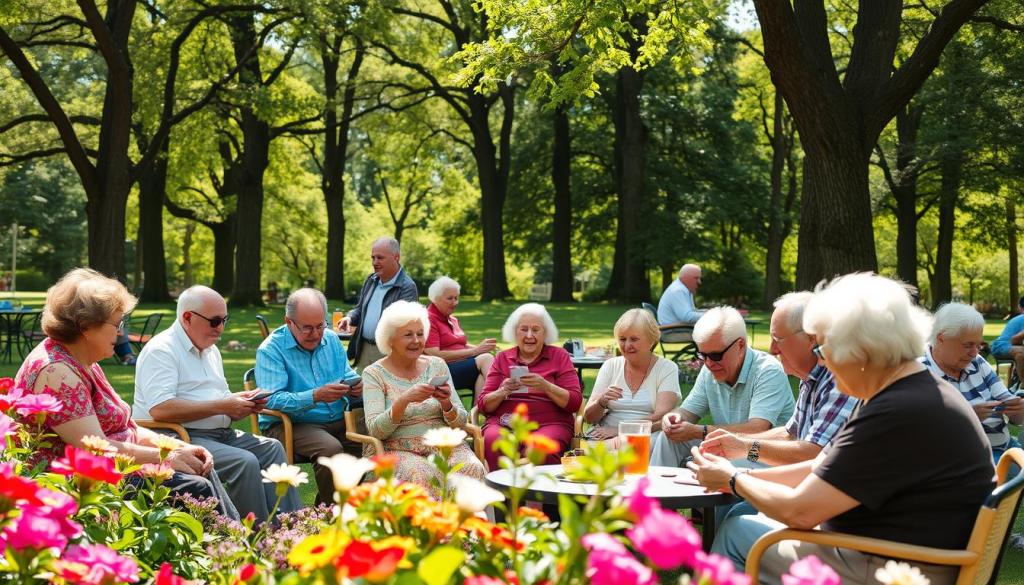
As we get older, we face a higher risk of feeling alone. Feeling lonely can lead to serious health issues like heart disease and depression. Adults who feel lonely often have longer hospital stays and may die sooner than those with friends.
To fight socialization and loneliness, older adults need to find ways to connect. Joining clubs, volunteering, or taking part in community activities can help. These actions can increase life expectancy by up to 50%. Services like companion care also offer social interaction and mental stimulation.
- Exercise classes in group settings help prevent senior isolation by providing a fun way to stay physically active.
- Having relationships with other older adults and younger generations can combat loneliness in seniors.
- Volunteering can help seniors make new friends and stay connected to the community.
Seniors should understand the harm of feeling isolated and take steps to stay connected. By focusing on social engagement, older adults can keep their bodies and minds healthy. This leads to a better quality of life.
“Social connection is crucial for warding off depression and dementia in seniors.”
| Negative Health Impacts of Loneliness | Benefits of Social Engagement |
|---|---|
| Heart disease, Depression, Cognitive decline, Weakened immune function, Increased risk of premature death | Longer life expectancy, Improved mood and well-being, Enhanced cognitive function, Reduced risk of chronic diseases, Stronger sense of purpose |
Managing Medical Care Properly

As you get older, taking care of your health is more important than ever. Regular health checks can spot problems early. This means you can get help quickly and have better results.
It’s also key to handle your medicines safely. This helps avoid bad side effects and keeps you healthy.
Regular Health Screenings
Preventive care is vital for seniors. Doctors suggest yearly check-ups for heart disease, cancer, and brain health. Women over 65 should get bone density tests to check for osteoporosis risks.
Don’t forget about your eyes and ears. Eye exams can catch problems like macular degeneration and cataracts. Hearing tests can help with hearing loss that affects your daily life.
Medication Management
Managing your medicines gets harder with age. Work with your doctors to make sure you’re taking the right medicines. Keep a list of all your medicines and check it often to avoid bad reactions.
Watch for any changes in your medicine needs. Talk to your doctor about them. Good medicine management helps keep you healthy and safe.
“Maintaining open communication with your healthcare providers and actively participating in your treatment plan is crucial for managing your medical care effectively as you age.”
Improving Dietary Choices in Later Years

As we get older, eating right becomes more crucial for our health. The USDA offers guidelines for healthy eating. These include the Healthy U.S.-Style Eating Pattern and the Healthy Mediterranean-Style Eating Pattern. They suggest eating lots of veggies, fruits, whole grains, lean proteins, and healthy fats.
The Mediterranean diet is great for heart health and brain function in seniors. It’s full of omega-3 fatty acids and plants. Staying away from sugary and fatty foods also helps us age better.
The USDA MyPlate Kitchen has many healthy recipes for seniors. You can find dishes like 20-Minute Chicken Creole and Apple Carrot Soup. These meals are balanced and taste good, fitting different tastes and diets.
| Eating Pattern | Key Characteristics |
|---|---|
| Healthy U.S.-Style Eating Pattern | Includes a variety of vegetables, fruits, whole grains, fat-free or low-fat dairy, seafood, poultry, and meat, as well as eggs, nuts, seeds, and soy products. |
| Healthy Mediterranean-Style Eating Pattern | Contains more fruits and seafood and less dairy compared to the Healthy U.S.-Style Eating Pattern. |
| Healthy Vegetarian Eating Pattern | Includes no meat, poultry, or seafood, but contains fat-free or low-fat dairy, more soy products, eggs, beans and peas, nuts and seeds, and whole grains. |
Older adults might find it hard to eat due to less appetite or taste changes. Trying different foods and eating with family can make meals more fun. It helps with eating challenges.
By choosing healthy foods and using resources, seniors can live well in their later years. This supports their overall health and happiness.
Decluttering and Organizing Living Spaces

As you enter your golden years, it’s time for a new approach to your living space. Decluttering and organizing your home can greatly improve your life. Getting rid of things you don’t need makes your home safer and more comfortable.
It also frees your mind, reducing stress and anxiety. This can make you feel more at peace.
Practical Storage Solutions
Using smart storage solutions can make your daily tasks easier. Invest in furniture that serves more than one purpose, like ottomans with storage. This keeps things you use often within easy reach.
Make the most of your space by using shelves and cabinets. Consider getting bigger closets or custom organizers. This will help you store more without cluttering your space.
Letting Go of Unnecessary Items
Decluttering can be tough, but it’s crucial for your well-being. Overcoming guilt and sentimental attachment is key. Start with small areas and develop routines to keep things organized.
Positive self-talk and getting help from professionals or support groups can help. It’s not just about organizing; it’s about the emotional reasons behind clutter. Letting go of unnecessary items makes your space more peaceful and comfortable.
This process can also be a chance to share memories with loved ones. It’s a meaningful and rewarding experience.
| Clutter’s Impact | Decluttering Benefits |
|---|---|
| Increased stress and anxietyDecreased life satisfactionNegative emotional statesDecreased productivityIncreased irritability | Reduced emotional stressIncreased patience and energyMore time for meaningful activitiesImproved mental well-beingSafer and more comfortable living environment |
“Decluttering is not just about reducing possessions, but about creating the life you want to live with the belongings that truly matter.”
Maintaining Brain Health and Cognitive Function

As you get older, keeping your brain healthy is key. Doing mental exercises, learning new things, and playing brain games can help. These habits can make your mind stay sharp and active.
Regular exercise, especially weight training, boosts memory and fights off brain decline. Studies show that lowering blood pressure can also lower the risk of mild cognitive impairment. This is a step before dementia.
Eating right is also good for your brain. The MIND diet, rich in fruits, veggies, and fish, improves brain function a bit. Taking a daily multivitamin can also help older adults remember better.
Doing exercises that target specific brain skills, like memory or speed, is helpful. Older adults who learned new hobbies, like quilting or photography, remembered better than those who just socialized.
Being social and active in your community is also good for your brain. Joining in social activities can slow down brain decline. Also, getting enough sleep, about seven to eight hours, is key for brain health and dementia prevention.
By adding these habits to your daily life, you can keep your brain healthy and sharp as you age.
| Activity | Impact on Cognitive Health |
|---|---|
| Physical Activity | Improved memory, reduced risk of cognitive decline |
| Healthy Diet | Small cognitive improvements, potential to reduce Alzheimer’s risk |
| Cognitive Training | Enhances specific cognitive skills, such as memory and reasoning |
| Social Engagement | Helps offset age-related cognitive decline |
| Quality Sleep | Reduces the risk of developing dementia |
“Engaging in regular mental exercises, learning new skills, and playing brain games can be powerful tools to keep your mind sharp and active.”
Addressing Sleep Pattern Issues

As you get older, it’s more important to sleep well. Good senior sleep health helps your brain, immune system, and keeps you healthy. But, many seniors face insomnia and other sleep problems. By following sleep hygiene tips, you can get the sleep your body needs.
Seniors often deal with insomnia. It can be caused by many things like medicine side effects, pain, anxiety, or health issues. To fight insomnia, have a regular bedtime routine and make your sleep area calm. Stay away from screens and exciting activities before bed. Instead, try reading or gentle stretching.
Older adults might also face sleep apnea, restless leg syndrome, or rapid eye movement (REM) sleep behavior disorder. These can make sleep poor and make you tired during the day. If you think you have one of these, talk to your doctor for help.
Good sleep hygiene is key for seniors. Try to sleep 7-9 hours each night and go to bed and wake up at the same time. Being in natural light during the day helps your body clock. Also, short naps of 15-45 minutes can make you feel more awake and sharp.
By fixing your sleep issues and following healthy sleep tips, you can improve your health in your golden years. Make senior sleep health a priority and enjoy quality sleep.
“Insufficient sleep can lead to serious health problems, including an increased risk of cardiovascular disease, diabetes, weight problems, and breast cancer in women.”
Taking Care of Dental and Oral Health
As you get older, keeping your mouth healthy is more important than ever. Medicare doesn’t cover most dental care. But, you can get private dental insurance or look for cheaper options to get the dental care you need.
Regular Dental Check-ups
How often you should see the dentist depends on your needs. Talk to your dentist about a schedule that works for you. Regular cleanings and check-ups can stop big problems and help you eat well by keeping your teeth and gums healthy.
Proper Denture Care
If you have dentures, taking care of them is key. Bad dentures, poor mouth care, or fungus can cause stomatitis, a common problem in seniors. Clean your dentures well, brush them, and see your dentist often to keep your dentures and mouth healthy.
FAQ
What are the 15 habits you need to stop when you turn 70?
The article talks about 15 habits to stop at 70. It focuses on adapting to physical, mental, and social changes. It also encourages embracing wisdom and enjoying life’s finer aspects.
What physical changes can be expected after turning 70?
After 70, you might lose muscle mass and face mobility issues. It’s important to adapt to these changes. This helps keep you independent and happy.
What mental adaptations are required after turning 70?
You’ll need to make mental shifts and keep learning. Staying mentally active is vital for your brain health.
What social transitions occur after turning 70?
You might retire and see changes in family dynamics. It’s key to keep strong social connections. These connections are good for your health and happiness.
What are some essential changes for better living after turning 70?
Letting go of grudges and embracing new tech are important. Avoiding comparisons to younger people is also crucial. A positive outlook on aging can help you recover from disabilities faster.
When should seniors accept help and build support networks?
Independence is great, but knowing when to ask for help is important. Building a support network can prevent accidents and improve your life. Adapting your home and using assistive devices can help with daily tasks.
Why is it important for seniors to overcome technology resistance?
Overcoming tech resistance helps you stay connected and independent. Using smartphones and social media can improve communication with loved ones. It also gives you access to important information and services.
How can seniors assess and address unsafe driving habits?
As you age, your reaction times and vision may slow down. It’s important to assess your driving skills honestly. If you’re not safe on the road, finding other ways to get around is safer and keeps you independent.
How can seniors overcome social isolation tendencies?
To fight social isolation, get involved in community activities, volunteer, or join clubs. Having strong social ties can increase your life span by up to 50%. Companion care services can also help keep you connected and mentally stimulated.
What are the key aspects of managing medical care properly for seniors?
Regular health screenings and proper medication management are crucial. Keeping open communication with your healthcare team is also important. Preventive care and managing chronic conditions help keep you healthy as you age.
How can seniors improve their dietary choices in later years?
Focus on a balanced diet with fruits, vegetables, whole grains, and lean proteins. The Mediterranean diet is good for your heart and brain. Avoiding sugary and fatty foods can help prevent diseases and increase your life span.
Why is it important for seniors to declutter and organize their living spaces?
Decluttering and organizing can greatly improve your quality of life. Letting go of unnecessary items can reduce stress and make your home safer. Practical storage solutions can make daily tasks easier and make your home more comfortable.
How can seniors maintain cognitive function and brain health?
Engage in mental exercises, learn new skills, and play brain games to keep your mind sharp. Exercise, especially resistance training, can improve memory and reduce cognitive decline. Staying mentally active through social interactions and lifelong learning is key to brain health.
How can seniors address sleep pattern issues?
Aim for 7-9 hours of sleep each night. To improve sleep, create a consistent bedtime routine, avoid screens before bed, and ensure a comfortable sleep environment. Chronic sleep deprivation can lead to brain aging and health risks.
Why is it important for seniors to take care of their dental and oral health?
Good oral health is essential for seniors’ overall well-being. Regular dental check-ups can prevent serious issues and ensure proper nutrition. Proper care and maintenance of dentures are also crucial. Good oral hygiene practices can prevent gum disease and other oral health problems that can impact your quality of life.
Source Links
- No title found – https://www.ageuk.org.uk/information-advice/health-wellbeing/mind-body/10-tips-for-ageing-better/
- Aging Well – HelpGuide.org – https://www.helpguide.org/aging/healthy-aging/staying-healthy-as-you-age
- Habits to Form Now for a Longer Life – https://www.healthline.com/nutrition/13-habits-linked-to-a-long-life
- What to Expect in Your 70s – https://www.webmd.com/healthy-aging/ss/slideshow-what-to-expect-in-your-70s
- Aging: What to expect – https://www.mayoclinic.org/healthy-lifestyle/healthy-aging/in-depth/aging/art-20046070
- Over 70? How Do Your Health Care Needs Change? – https://www.webmd.com/beauty/health-needs-after-70
- What Do We Know About Healthy Aging? – https://www.nia.nih.gov/health/healthy-aging/what-do-we-know-about-healthy-aging
- Health Tips for Older Adults – NIDDK – https://www.niddk.nih.gov/health-information/weight-management/healthy-eating-physical-activity-for-life/health-tips-for-older-adults
- 10 Tips for Dealing With Irrational Elderly Parents – https://www.aplaceformom.com/caregiver-resources/articles/parents-wont-listen
- How to Deal With Aging Parents’ Difficult Behaviors – https://www.agingcare.com/articles/how-to-handle-an-elderly-parents-bad-behavior-138673.htm
- PDF – https://chools.in/wp-content/uploads/bad_habits_no_more.pdf
- How to Break Phone Addiction ADHD? – https://www.niagararecovery.com/blog/how-to-break-phone-addiction-adhd
- Safe Driving for Older Adults – https://www.nia.nih.gov/health/safety/safe-driving-older-adults
- The Hidden Dangers of Senior Driving (And How to Keep Them Safe Without Taking the Keys) | CareYaya – https://www.careyaya.org/resources/blog/the-hidden-dangers-of-senior-driving-and-how-to-keep-them-safe-without-taking-the-keys
- PDF – https://www.floridapta.org/wp-content/uploads/2024/10/Addressing-Unsafe-Driving-Behavior-Blog.pdf
- Loneliness and Social Isolation — Tips for Staying Connected – https://www.nia.nih.gov/health/loneliness-and-social-isolation/loneliness-and-social-isolation-tips-staying-connected
- How to Combat Loneliness in the Elderly – https://www.aplaceformom.com/caregiver-resources/articles/social-isolation
- Five Things to Do Now If You’re a Man Over 65 – https://www.clearwaterliving.com/news-blog/five-things-to-do-now-if-you-re-a-man-over-65?article=combatting-social-isolation-among-seniors
- 10 healthy habits to put in place by age 70 – https://wexnermedical.osu.edu/blog/10-healthy-habits-to-put-in-place-by-age-70
- Tips for Seniors to Maintain Good Health | Banner Health – https://www.bannerhealth.com/healthcareblog/advise-me/for-seniors-a-checklist-for-good-health
- It’s Never Too Late: Five Healthy Steps at Any Age – https://www.hopkinsmedicine.org/health/wellness-and-prevention/its-never-too-late-five-healthy-steps-at-any-age
- Healthy Meal Planning: Tips for Older Adults – https://www.nia.nih.gov/health/healthy-eating-nutrition-and-diet/healthy-meal-planning-tips-older-adults
- Nutrition as We Age: Healthy Eating with the Dietary Guidelines – News & Events – https://odphp.health.gov/news/202107/nutrition-we-age-healthy-eating-dietary-guidelines
- The Clutter-Depression-Anxiety Cycle: How to Stop It – nourishing minimalism – https://nourishingminimalism.com/clutter-depression-and-anxiety-a-vicious-cycle/
- How Less Clutter Makes Your Life Better When You’re Overwhelmed by a Messy House – https://thissimplifiedhome.com/less-clutter/
- Cognitive Health and Older Adults – https://www.nia.nih.gov/health/brain-health/cognitive-health-and-older-adults
- Senior Brain Health Boosters – Harvard Pilgrim Health Care – HaPi Guide – https://www.harvardpilgrim.org/hapiguide/senior-brain-boosters-tips-for-maintaining-brain-health/
- A Good Night’s Sleep – https://www.nia.nih.gov/health/sleep/good-nights-sleep
- Sleep and Aging: Sleep Tips for Older Adults – HelpGuide.org – https://www.helpguide.org/aging/healthy-aging/how-to-sleep-well-as-you-age
- Oral Health for Older Adults: Quick Tips – MyHealthfinder – https://odphp.health.gov/myhealthfinder/doctor-visits/regular-checkups/oral-health-older-adults-quick-tips
- Dental Care for Seniors – https://www.webmd.com/oral-health/dental-care-seniors


 trim down and shape up
Leave a comment