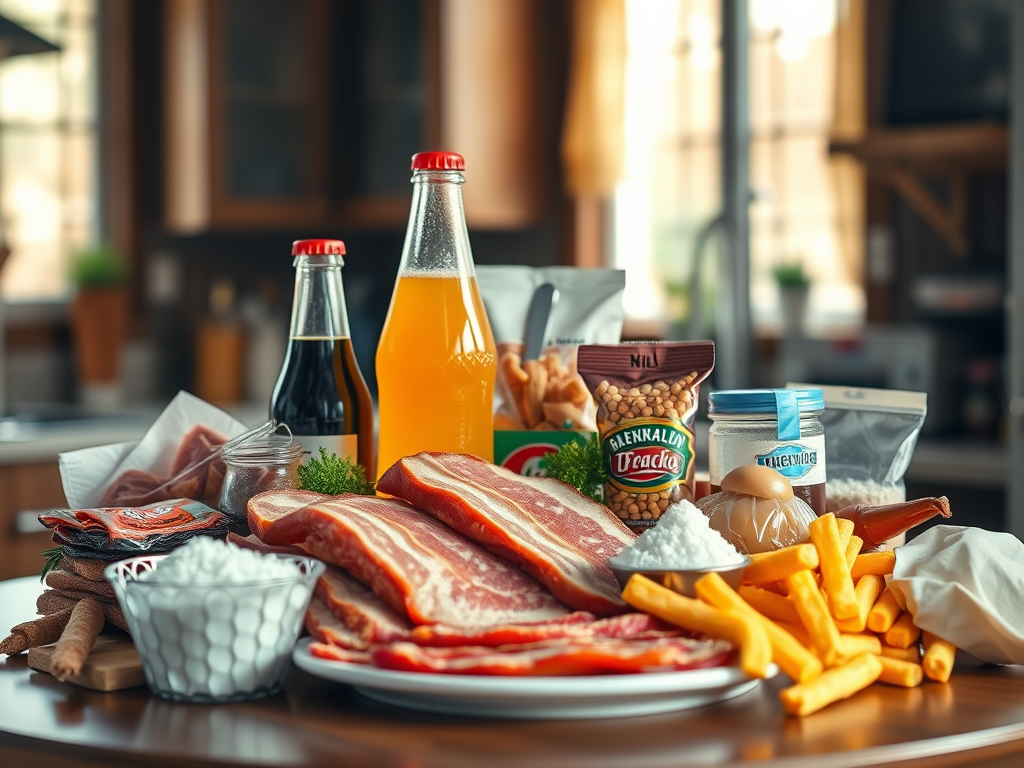


Your heart is the most vital organ in your body. It pumps nutrient-rich blood throughout your system and keeps you alive. Unfortunately, certain foods can harm your heart health and increase the risk of long-term problems.
The following 12 foods have been linked to heart issues. They should be avoided to keep your heart strong and healthy. Knowing what to avoid is a simple step towards a longer, happier life with a strong heart.
Key Takeaways
- A balanced diet is crucial for heart health, with an emphasis on plant-based foods, whole grains, and healthy fats.
- Processed and convenience foods often contain high levels of sodium, sugar, and saturated fats, which can harm the cardiovascular system.
- Limiting your intake of red meat, alcohol, and sugary beverages can significantly improve your heart’s well-being.
- Reading nutrition labels and choosing low-sodium, low-sugar options can help you make informed, heart-healthy choices.
- Incorporating more physical activity and managing stress can also contribute to a healthier heart.
Understanding the Impact of Diet on Heart Health
Your diet is key to a healthy heart. Foods high in saturated fats and sodium can harm your heart. They can lead to high cholesterol, high blood pressure, and heart problems.
The Role of Saturated Fats and Sodium
Saturated fats are found in animal products and some oils. They can increase bad cholesterol, causing artery buildup. This makes it hard for your heart to pump blood.
Too much sodium can also raise blood pressure. High blood pressure is a big risk for heart disease.
How Poor Diet Choices Affect Cardiovascular Health
Eating too much unhealthy food can cause weight gain and obesity. These can lead to type 2 diabetes. All these increase the risk of heart disease.
Long-term Consequences of Unhealthy Eating
Poor diet choices can harm your heart over time. It can lead to heart disease, the top killer in the U.S. Eating less saturated fats and sodium helps. Focus on fruits, veggies, whole grains, and lean proteins for a healthier life.
“A healthy diet and lifestyle can reduce the risk for heart disease, heart attack, and stroke.”
Processed Meats and Their Cardiovascular Risks
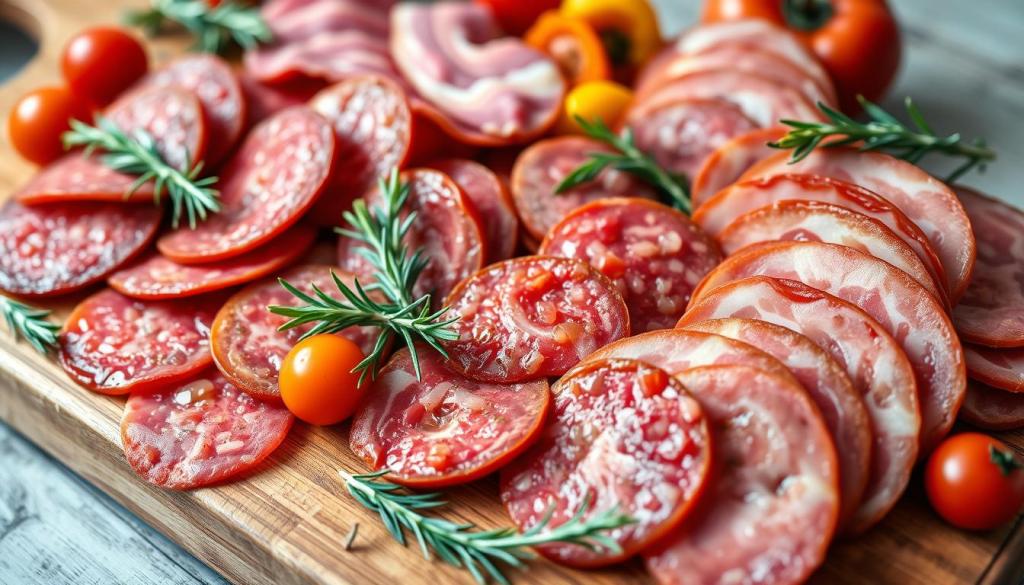
Processed meats like bacon, sausages, and deli meats are not good for your heart. They have a lot of saturated fats, sodium, and additives. These can harm your heart health.
Hidden Dangers in Bacon and Sausages
Bacon and sausages are bad for your heart. Bacon has a lot of saturated fat, which can raise bad cholesterol. This increases heart disease risk. They also have a lot of sodium, which can raise blood pressure.
Sodium Content in Deli Meats
Deli meats like turkey, ham, or roast beef are also risky. They have a lot of sodium. Too much sodium can cause water retention, high blood pressure, and stroke risk.
Healthier Alternatives to Consider
- Lean cuts of fresh, unprocessed meat or poultry
- Plant-based protein sources like beans, lentils, or tofu
- Nuts and seeds, which are linked to a lower risk of heart disease
- Liquid plant oils, such as avocado oil, which can help lower LDL cholesterol
Choosing healthier foods can protect your heart. Limit processed meats. A balanced diet is key for a healthy heart.
| Food Item | Potential Health Risks | Healthier Alternatives |
|---|---|---|
| Bacon | High in saturated fat, which can raise LDL cholesterol and increase the risk of heart disease | Lean cuts of fresh, unprocessed meat or poultry |
| Sausages | High in sodium, which can contribute to high blood pressure and cardiovascular problems | Plant-based protein sources like beans, lentils, or tofu |
| Deli Meats | Contain high levels of sodium, which can increase the risk of stroke and other heart-related issues | Nuts and seeds, which are associated with a lower risk of heart disease |
“Eating 150 grams (slightly more than 5 ounces) or more of processed meat a week increases the risk of cardiovascular disease by 46% and the risk of death by 50% compared to eating no processed meat.”
Choosing heart-healthy foods is important. It helps protect your heart and reduces heart disease risk.
Sugar-Laden Beverages and Heart Disease

If you love sugary drinks, it’s time to think again. These drinks can harm your heart health a lot. A single can of soda has more sugar than you should have in a whole day.
Drinking soda can lead to weight gain and health issues like obesity and diabetes. It also raises the risk of high blood pressure and heart disease. Diet drinks aren’t safe either; they can cause weight gain and increase stroke risk.
- Diets high in sugar can contribute to obesity, increasing the risk of diabetes, high blood pressure, and high cholesterol.
- Sugar consumption can lead to higher levels of “bad” LDL cholesterol, causing plaque buildup in arteries and elevating heart disease risk.
- Sugar-rich diets can result in chronic inflammation, stressing the heart and blood vessels.
Choosing plain water is the best option. Quitting sugary drinks can lower your heart disease risk and prevent other serious health issues.
| Beverage | Added Sugar (Teaspoons) | Heart Disease Risk |
|---|---|---|
| Regular Soda (12 oz) | 10 | High |
| Fruit Juice (8 oz) | 6 | Moderate |
| Unsweetened Water | 0 | Low |
Not all sugars are the same. Sugars in fruits and veggies are better than those in processed foods and drinks. Choosing wisely can keep your heart healthy and extend your life.
White Flour Products and Cardiovascular Health

Choosing the right grains is key to a healthy heart. White flour products, like bread and pasta, don’t have the fiber and nutrients of whole grains. They quickly turn into sugar, causing blood sugar spikes and fat storage, especially around the belly.
Impact on Blood Sugar Levels
White rice and white bread can quickly raise your blood sugar. This can stress your body and increase the risk of heart disease. It may even lead to insulin resistance and type 2 diabetes.
Connection to Belly Fat and Heart Disease
Excess sugar from refined grains often turns into belly fat. This fat is linked to heart disease. It can cause inflammation, high blood pressure, and other heart problems.
Better Grain Choices for Heart Health
- Choose whole grains like whole wheat, brown rice, oats, and quinoa for their fiber and nutrients.
- Eat a variety of whole grains to get different health benefits.
- The American Heart Association suggests eating at least three whole grain servings a day. This can lower heart disease risk.
Switching to whole grains is a big step towards heart health. It can greatly improve your cardiovascular well-being.
Heart Health, Foods to Avoid

Keeping your heart healthy is key to feeling good. What you eat matters a lot. Many foods can hurt your heart if you eat too much of them. This includes processed meats, sugary drinks, white flour, and fried foods.
Processed meats like bacon and sausages have too much fat and salt. They can make your cholesterol and blood pressure go up. This increases your risk of heart disease.
Sugar in drinks like soda and juice can lead to weight gain and heart problems. It’s linked to heart attacks and strokes.
White flour products, like bread and pasta, are bad for your heart too. They can make your blood sugar go up. This can lead to diabetes and heart disease.
Deep-fried foods, like french fries, are also bad. They have unhealthy fats that can harm your heart. These fats can make your bad cholesterol go up and your good cholesterol go down.
Processed and salty foods, like canned soups and frozen meals, are also bad. They have too much sodium. This can cause high blood pressure and heart disease.
By avoiding these foods and choosing healthier options, you can protect your heart. Eating a balanced diet is the best way to keep your heart healthy.
“An ounce of prevention is worth a pound of cure.” – Benjamin Franklin
Fast Food and Deep-Fried Items

Choosing the right foods is crucial for a healthy heart. Fast food and deep-fried items are bad for your heart. They are full of trans fats, sodium, and calories, harming your heart.
The Dangers of Trans Fats
Fast food and fried items have a lot of trans fats. Trans fats increase bad cholesterol and lower good cholesterol. Eating them can raise your risk of heart disease and stroke.
Even a little trans fat is bad. Always check labels and avoid foods with them.
Impact on Blood Pressure
Fast food and fried foods also have a lot of sodium. Too much sodium can raise your blood pressure. High blood pressure is a big risk for heart disease and stroke.
Eating less of these foods can help lower your blood pressure. This improves your heart health.
Healthier Cooking Methods
Fast food and fried items might be tempting, but they’re not good for your heart. Try baking, grilling, or air frying with healthy oils instead. These methods are tasty without the extra calories, fat, and sodium.
Changing your diet to healthier options is a big step for your heart. It reduces your risk of heart disease. Your heart will appreciate it.
“Moderation is key when it comes to fast food and fried items. Consuming these foods in excess can have serious consequences for your heart health.”
Dairy Products High in Saturated Fat
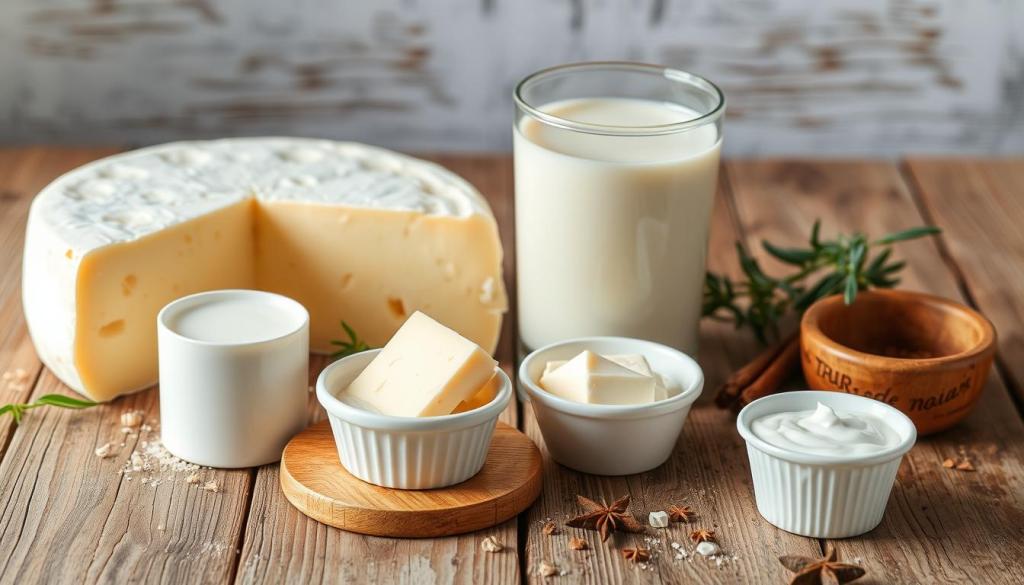
The type of fat in your diet is key for heart health. Dairy products, especially those with , can be risky if eaten too much.
Butter is a big example. It’s full of , which can increase bad cholesterol. This can lead to heart disease and stroke. The American Heart Association says to keep under 6% of your daily calories.
Also, many have a lot of . This is bad for your heart. Instead, pick plain, low-fat yogurt and add fresh fruit for sweetness.
| Dairy Product | Saturated Fat Content | Healthier Alternative |
|---|---|---|
| Butter | High in saturated fat | Olive oil or vegetable oil-based spreads |
| Flavored Yogurt | High in added sugar | Plain, low-fat yogurt with fresh fruit |
Choosing dairy products with less and helps your heart. It also lowers your risk of heart disease.
“Decades of science have shown that can raise ‘bad’ cholesterol levels and increase the risk of heart disease.”
Sodium-Rich Prepared Foods
Canned soups and pre-made meals often have too much sodium. A single serving of canned soup can have over 700 mg of sodium. A 6-inch sub sandwich might have 1,127 mg. This can cause high blood pressure and heart problems.
Hidden Salt in Canned Products
Canned foods, like beans and sauces, are high in sodium. Even healthy options like canned peas have 310 mg of sodium per serving. Always check nutrition labels and choose low-sodium options to control sodium intake.
Reading Labels for Sodium Content
When buying prepared foods, compare nutrition labels. Look for the lowest sodium content per serving. The daily sodium limit is 2,300 mg, but Americans often eat over 3,400 mg. By choosing wisely, you can lower your sodium intake and protect your heart.
Low-Sodium Alternatives
To avoid sodium in canned foods, cook meals from scratch. Use low-sodium broths and spices. Draining and rinsing canned beans and vegetables can cut sodium by up to 40%. When eating out, ask about sodium levels and choose lower-sodium options.
FAQ
What role does diet play in heart health?
Diet is key to heart health. It affects risk factors like blood pressure and cholesterol levels. Foods high in saturated fats and sodium can harm your heart.
Poor diet choices lead to obesity and diabetes. These can increase your risk of heart disease and stroke. Eating well is crucial for a healthy heart.
What are the health risks associated with processed meats?
Processed meats like bacon are bad for your heart. They have a lot of saturated fat, which is bad for cholesterol. They also have a lot of sodium, which raises blood pressure.
Choose lean meats or plant-based proteins instead. They are better for your heart.
How do sugary beverages impact heart health?
Sugary drinks, like soda, have too much sugar. Drinking them can lead to weight gain and obesity. They also increase the risk of heart disease.
Even diet drinks can be harmful. The best choice is plain water or unsweetened flavored water.
What are the concerns with white flour products?
White flour products lack fiber and nutrients. They turn to sugar quickly, which can lead to belly fat. This is linked to heart disease and diabetes.
Whole grains are better for your heart. The American Heart Association suggests eating them daily to lower disease risk.
What foods should you avoid for heart health?
Avoid processed meats, sugary drinks, white flour, fried foods, and high-sodium foods. They are high in fats and sugars that harm your heart.
Ultra-processed foods are especially bad. They make up a lot of our diet but are not good for us.
How do fast food and deep-fried items impact heart health?
Fast food and fried items are bad for your heart. They have trans fats that raise bad cholesterol. They also have a lot of sodium.
Deep-frying adds extra calories and fat. It’s better to bake, grill, or air fry with healthy oils.
What are the concerns with butter and flavored yogurts?
Butter is high in saturated fat, which is bad for your heart. Flavored yogurts have a lot of added sugar.
Use olive oil or vegetable oil instead of butter. Choose plain yogurt and add fruit for flavor.
How can high-sodium prepared foods impact heart health?
Canned soups and prepared foods have a lot of sodium. This can lead to high blood pressure and heart disease.
Read labels for sodium content. Choose low-sodium options or make soups from scratch. Be careful of hidden salt in packaged foods.
Source Links
- 50 foods to avoid with high blood pressure – https://www.medicalnewstoday.com/articles/foods-to-avoid-with-high-blood-pressure
- Heart Failure Diet: Foods To Eat and Avoid – https://health.clevelandclinic.org/heart-failure-diet
- Heart disease and diet: MedlinePlus Medical Encyclopedia – https://medlineplus.gov/ency/article/002436.htm
- The American Heart Association Diet and Lifestyle Recommendations – https://www.heart.org/en/healthy-living/healthy-eating/eat-smart/nutrition-basics/aha-diet-and-lifestyle-recommendations
- The effects of processed meats on your heart health – https://www.uclahealth.org/news/article/the-effects-of-processed-meats-on-your-heart-health
- I’m a cardiovascular dietitian. Here are 7 things I eat and avoid for heart health – https://health.ucdavis.edu/blog/good-food/im-a-cardiovascular-dietitian-here-are-7-things-i-eat-and-avoid-for-heart-health/2023/02
- Is Sugar Bad for Your Heart? – https://health.clevelandclinic.org/is-sugar-bad-for-your-heart
- 50+ Names for Sugar – https://health.clevelandclinic.org/sugary-foods-to-avoid
- Is Sugar Bad for Your Heart? – https://www.henryford.com/blog/2018/02/sugar-bad-heart
- Unhealthy Heart Foods: A Guide to Protecting Your Cardiovascular Health – https://avicennacardiology.com/blog/unhealthy-heart-foods/
- Eating These Types of Grains Can Lower Your Heart Disease Risk – https://www.healthline.com/health-news/eating-these-types-of-grains-can-lower-your-heart-disease-risk
- Foods That Are Bad for Your Heart – https://www.webmd.com/heart-disease/ss/slideshow-foods-bad-heart
- Top Foods Cardiologists Want You to Avoid for Heart Health – https://www.brownhealth.org/be-well/top-foods-cardiologists-want-you-avoid-healthy-heart
- 8 steps to a heart-healthy diet – https://www.mayoclinic.org/diseases-conditions/heart-disease/in-depth/heart-healthy-diet/art-20047702
- Why Are Fried Foods Bad for You? – https://www.healthline.com/nutrition/why-fried-foods-are-bad
- Diet After Heart Attack – https://www.healthline.com/health/heart-health/food-eat-avoid
- I’m a cardiologist. Here are 8 foods I’ll never eat – https://www.today.com/health/eating-heart-health-8-foods-cardiologists-try-avoid-t132853
- Saturated Fat – https://www.heart.org/en/healthy-living/healthy-eating/eat-smart/fats/saturated-fats
- Full-fat dairy foods and cardiovascular disease: Is there a connection? – Mayo Clinic Press – https://mcpress.mayoclinic.org/dairy-health/full-fat-dairy-foods-and-cardiovascular-disease-is-there-a-connection/
- 30 Foods High in Sodium and What to Eat Instead – https://www.healthline.com/nutrition/foods-high-in-sodium
- Foods High in Sodium – https://www.webmd.com/diet/foods-high-in-sodium
- How to Reduce Sodium in Your Diet – https://www.heart.org/en/healthy-living/healthy-eating/eat-smart/sodium/how-to-reduce-sodium


 trim down and shape up
Leave a comment