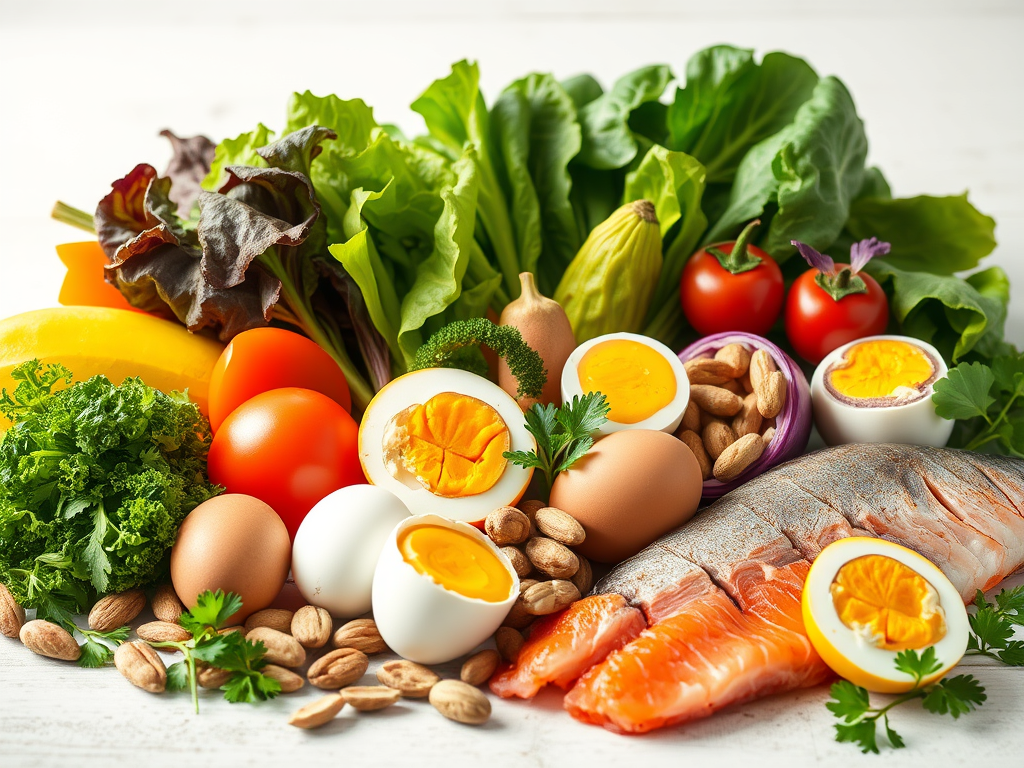


To lose weight, start by eating fewer calories and exercising more. Also, get enough sleep, manage stress, and drink plenty of water. Supplements alone won’t help much. But, a diet rich in nutrients is key to health and disease prevention. Vitamins and minerals are vital for our well-being.
No single vitamin can make you lose weight. But, a mix of important nutrients can help. They boost your metabolism, control blood sugar, and help your body process fats and proteins better. Doctors say vitamins like Vitamin D, Vitamin B12, Zinc, Magnesium, and Iodine are important for weight loss.
Key Takeaways
- Vitamins play a crucial role in supporting weight loss by boosting metabolism, regulating blood sugar, and enabling efficient fat and protein processing.
- Medical experts highlight the importance of Vitamin D, Vitamin B12, Zinc, Magnesium, and Iodine in aiding weight loss efforts.
- Vitamin D deficiency is linked to obesity, making it vital for maintaining a healthy weight.
- Vitamin B12 is crucial for metabolizing fats and proteins, contributing to weight management.
- Zinc supports metabolism and muscle mass, which are important for weight control.
Understanding the Role of Vitamins in Weight Management
Vitamins are key compounds that help with many body functions. They support metabolism, energy, and hormone balance. Eating a balanced diet is key to keeping your metabolism healthy and managing your weight.
How Vitamins Support Metabolic Functions
Vitamins play a big role in how your body handles fats, carbs, and proteins. Vitamins B and C are important for energy. Vitamin D helps with insulin and calcium. Getting enough of these vitamins helps your body work well, keeping you at a healthy weight.
The Connection Between Nutrient Deficiency and Weight Gain
Not getting enough nutrients can mess with your metabolism. It can lead to problems with hormones and insulin. People lacking in vitamins like B12, iron, and magnesium often have trouble losing weight.
While cutting calories is key for losing weight, vitamins and minerals help too. A diet full of vitamins and minerals supports your body’s natural processes. This helps with weight loss and keeps you healthy.
5 Vitamins That Aid in Weight Loss, best consumed naturally

Vitamins play a big role in weight loss. Five key vitamins are Vitamin D, Vitamin B12, Zinc, Magnesium, and Iodine. They help with metabolism, energy, and hormone balance, all important for weight management.
Getting these vitamins from natural vitamin sources and whole foods is best. A diet full of nutrient-dense foods gives you enough vitamins for weight loss support.
- Vitamin D: This sunshine vitamin helps regulate appetite, improve insulin sensitivity, and boost fat-burning.
- Vitamin B12: Essential for efficient fat metabolism and energy production, supporting your weight loss efforts.
- Zinc: Crucial for maintaining a healthy metabolism and promoting muscle growth, which in turn aids weight management.
- Magnesium: Helps regulate blood sugar levels, reduce stress, and enhance sleep quality – all of which are linked to successful weight loss.
- Iodine: Plays a vital role in thyroid function, which is crucial for regulating metabolism and maintaining a healthy weight.
| Vitamin | Natural Food Sources | Benefits for Weight Loss |
|---|---|---|
| Vitamin D | Fatty fish, egg yolks, fortified dairy products | Regulates appetite, improves insulin sensitivity, boosts fat-burning |
| Vitamin B12 | Meat, poultry, fish, dairy products, eggs | Supports efficient fat metabolism and energy production |
| Zinc | Oysters, red meat, poultry, beans, nuts, seeds | Maintains a healthy metabolism and promotes muscle growth |
| Magnesium | Whole grains, leafy greens, nuts, seeds, avocado | Regulates blood sugar, reduces stress, enhances sleep quality |
| Iodine | Seaweed, fish, dairy products, iodized salt | Supports healthy thyroid function and metabolism |
Adding these natural vitamin sources and whole foods to your diet helps. They support your weight loss journey and keep you healthy.
Vitamin D: The Sunshine Vitamin’s Impact on Weight Loss

Vitamin D, known as the “sunshine vitamin,” is crucial for health. Research shows it might help with weight loss too. A lack of vitamin D can lead to weight gain by affecting how we metabolize food and feel hungry.
Natural Sources of Vitamin D
The best way to get vitamin D is from sunlight. Our skin makes it when exposed to UVB rays. You can also find it in oily fish, egg yolks, lean meats, and some dairy products.
Recommended Daily Intake and Benefits
The Institute of Medicine suggests 600 IU of vitamin D daily for everyone. It’s key for strong bones and metabolism. Vitamin D might also help with weight loss by controlling fat cells.
| Natural Sources of Vitamin D | Vitamin D Content |
|---|---|
| Salmon (3.5 oz) | 386 IU |
| Mackerel (3.5 oz) | 345 IU |
| Tuna (3.5 oz) | 154 IU |
| Egg yolk (1 large) | 41 IU |
| Fortified milk (1 cup) | 120 IU |
Eating foods high in vitamin D and getting enough sun can boost health. It might also help with weight loss.
Vitamin B12: Essential for Fat Metabolism
Vitamin B12 is key for breaking down fats in the body. Research shows a link between low B12 and more body fat and obesity. An animal study found that mice with severe B12 deficiency gained more body fat and cholesterol.
Another study on rats showed that B vitamins helped reduce weight gain on a high-fat diet. This was due to increased enzymes that help with metabolism.
Human studies on vitamin B12 and metabolism are limited but interesting. A study of 9,075 people found that higher B12 levels were linked to less obesity. However, another study of 976 participants found that low B12 levels were associated with more weight.
Children with lower B12 levels also had a higher BMI, according to a study of 256 kids. While B12 deficiency doesn’t directly cause weight gain, it can lead to symptoms like fatigue and poor balance. These symptoms can make it harder to manage weight.
On the other hand, a B12 deficiency can also cause loss of appetite. This could lead to unintentional weight loss if not treated.
| Vitamin B12 Sources | Vitamin B12 Daily Requirements |
|---|---|
| Beef liver (70.7 mcg per 3-ounce serving)Fortified nutritional yeast (8.3 to 24 mcg per 1/4 cup)Shellfish (5-20 mcg per 3-ounce serving)Dairy products (1.2-1.5 mcg per cup of milk)Eggs (0.6-1.2 mcg per large egg) | Recommended Dietary Allowance (RDA) for adults: 2.4 mcg per dayBioavailability from supplements is about 50% higher than from food sourcesSupplements typically provide 5-25 mcg of vitamin B12 |
Getting enough vitamin B12, through diet or supplements, is important. It helps with fat metabolism and can aid in weight management.
“Vitamin B12 is essential for the metabolism of proteins and fats, making it a crucial nutrient for supporting healthy weight management.”
Zinc: The Mineral That Supports Weight Management
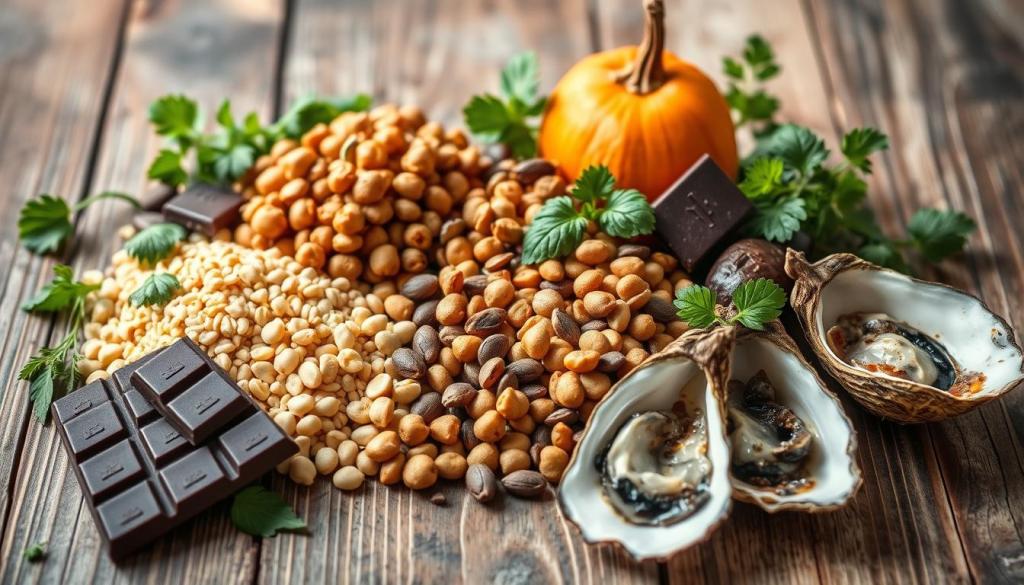
If you want to lose weight, zinc might help. This important mineral helps control your metabolism and keeps your muscles strong. Both are key for managing your weight well.
How Zinc Affects Metabolism and Muscle Mass
Zinc is vital for your body’s energy use. It helps turn carbs and fats into energy for your day. It also supports thyroid hormones, which set your metabolic rate.
Zinc also helps keep and grow lean muscle. Muscle burns more calories than fat. So, having more muscle helps you lose weight.
Food Sources Rich in Zinc
- Chicken: 3 ounces provide 2 mg of zinc, or 18% of the daily value (DV).
- Red meat: A 3-ounce serving of beef or lamb has 4-5 mg of zinc, or 45-50% of the DV.
- Certain breakfast cereals: Fortified with zinc, a 1-cup serving can give up to 100% of the DV.
- Oysters: An exceptionally rich source, with 6 medium oysters containing 32 mg of zinc, or 291% of the DV.
- Whole grains: Oatmeal, bran, and other whole grain products are good sources of zinc.
To help with weight management, eat these zinc-rich foods every day. Your body will appreciate the boost to your metabolism and muscles.
Magnesium: The Relaxation Mineral for Weight Loss
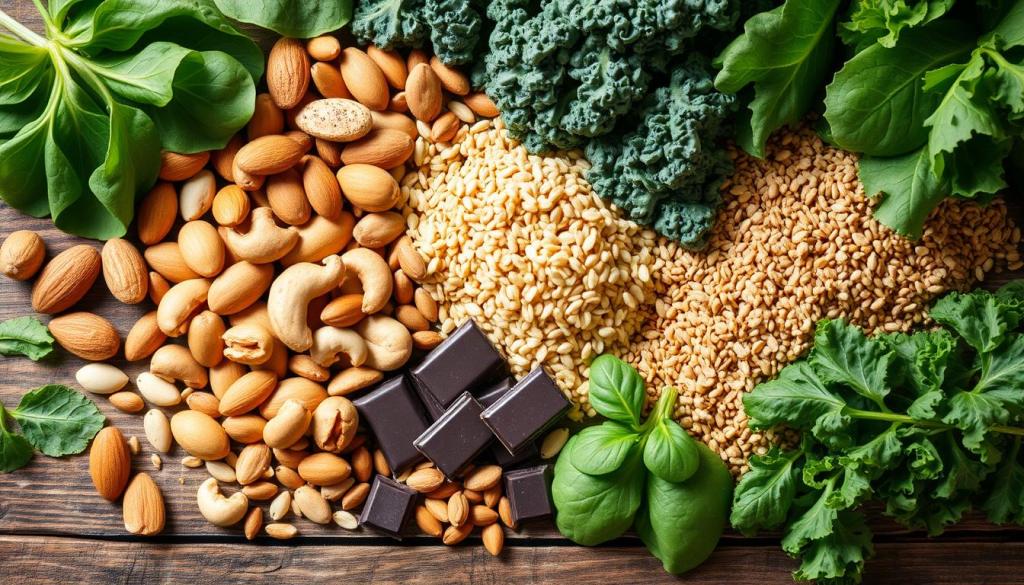
Magnesium is key for weight loss, though often ignored. It helps with relaxation and sleep, important for managing weight. This mineral is crucial for turning food into energy, aiding in weight loss.
Research shows magnesium helps with metabolism. It can improve blood sugar control and insulin use, aiding in weight loss. Taking 200-400 mg of magnesium daily can also reduce inflammation, helping with weight loss.
Magnesium does more than just help with metabolism. It lowers cortisol levels, reducing stress fat gain. It also improves sleep, which helps maintain a healthy weight. Magnesium citrate is better absorbed than magnesium oxide, making it a top choice for weight loss.
“Magnesium is a crucial mineral for overall health and weight management. Ensuring adequate magnesium intake, whether through diet or supplements, can have a significant impact on your weight loss journey.”
To boost magnesium in your diet, eat foods like pumpkin seeds, almonds, cocoa, avocado, and black beans. The daily magnesium needs vary by age and gender. Adult males need 400-420 mg, while females need 310-320 mg. Prioritizing magnesium can help with relaxation and metabolism, supporting your weight loss goals.
| Magnesium Intake Recommendations | Daily Dose (mg) |
|---|---|
| Adult Males | 400-420 |
| Adult Females | 310-320 |
| Pregnant Individuals | 350-400 |
| Breastfeeding Individuals | 310-360 |
Iodine: The Thyroid’s Best Friend for Weight Control

Iodine is key for a healthy thyroid. It helps control your metabolism and hormone levels. Without enough iodine, you might gain weight because your thyroid doesn’t work right.
Natural Sources of Iodine
There are many natural ways to get iodine. Here are some of the best ones:
- Seafood, such as tuna, oysters, and shrimp
- Seaweed, like kelp and nori
- Eggs
- Dairy products, including milk and yogurt
Eating these foods can help your thyroid and keep your metabolism healthy.
Daily Requirements and Benefits
Adults need about 150 micrograms of iodine each day. This amount helps your thyroid make the right hormones. It keeps your body’s metabolism and weight control working well.
| Iodine’s Benefits for Weight Control | Consequences of Iodine Deficiency |
|---|---|
| Supports thyroid function and metabolism | Can lead to the development of goiter (enlarged thyroid gland) or hypothyroidism |
| Helps maintain healthy hormone production | Contributes to weight gain due to slowed metabolism |
| Promotes efficient energy utilization | Increases the risk of other health issues, such as fatigue and brain fog |
By eating enough iodine, your thyroid works better. This helps you manage your weight.
The Truth About Vitamin Supplementation for Weight Loss
The idea of a quick fix for weight loss is tempting. But, the truth is that vitamin supplements can’t replace a healthy diet and lifestyle. Some vitamins and minerals can help with weight management, but relying only on supplements won’t work for long.
Studies have found that vitamin D and more calcium don’t really help with losing weight. Many popular weight loss supplements, like African mango and Garcinia cambogia, don’t have strong evidence of working. They might even be harmful. Always talk to a doctor before taking any supplements, as they can interact with medicines or cause side effects.
Healthy weight loss comes from eating well, staying active, and avoiding toxins. Supplements should only be used if a doctor says they’re needed to fix a nutrient gap. Slow, steady weight loss is best for keeping muscle and avoiding quick weight gain. There’s no quick fix for losing weight – the secret is a balanced, evidence-based approach to health.
FAQ
What are the 5 key vitamins that support weight loss?
The 5 key vitamins for weight loss are Vitamin D, Vitamin B12, Zinc, Magnesium, and Iodine.
How do these vitamins aid in weight loss?
These vitamins help with metabolism, energy, and hormone balance. They are key for a healthy weight and overall health.
Should I take vitamin supplements to lose weight?
Always talk to a healthcare professional before taking supplements. The supplement world is not always safe. Instead, aim for a healthy weight with a balanced diet and regular exercise.
Where can I find these vitamins naturally?
You can get these vitamins from foods like oily fish, lean meats, and dairy. Nuts, seeds, and leafy greens are also good sources. Eating a variety of these foods helps meet your vitamin needs.
How much of each vitamin do I need for weight loss?
The amount you need varies by vitamin. A healthcare professional can give you advice based on your health goals and needs.
Source Links
- The 5 Most Important Vitamins That Medical Experts Say Aid Weight Loss – https://www.menshealth.com/weight-loss/a61974586/best-vitamins-for-weight-loss/
- Vitamins and Supplements for Weight Loss – https://www.aarp.org/health/healthy-living/info-2024/vitamins-supplements-weight-loss.html
- Understanding The Role Of Vitamins For Weight Loss – HealthifyMe Blog – https://www.healthifyme.com/blog/vitamins-for-weight-loss/
- What Are the Best Nutrients to Boost Your Metabolism? – https://www.healthline.com/health/food-nutrition/vitamins-to-boost-metabolism
- Office of Dietary Supplements – Dietary Supplements for Weight Loss – https://ods.od.nih.gov/factsheets/WeightLoss-HealthProfessional/
- Supplements and Herbs for Weight Loss – https://www.webmd.com/vitamins-and-supplements/herbal-remedies
- 5 Natural Fat Burners That Work: 5 Types, Pros & Cons, 4 Drugs – https://www.medicinenet.com/5_natural_fat_burners_that_work/article.htm
- What to know before you buy weight-loss supplements – https://www.mayoclinic.org/healthy-lifestyle/weight-loss/in-depth/weight-loss/art-20046409
- Vitamin D – https://nutritionsource.hsph.harvard.edu/vitamin-d/
- Vitamin D: Benefits, Sources, Deficiency | Supplements – https://longevity.stanford.edu/lifestyle/2024/03/11/vitamin-d-benefits-sources-deficiency/
- 15 Benefits of Vitamin D – https://www.discovermagazine.com/lifestyle/17-vitamin-d3-benefits-everyone-should-know
- Does Vitamin B12 Promote Weight Loss? – https://www.healthline.com/nutrition/b12-weight-loss
- The 5 best vitamins to boost metabolism – https://www.medicalnewstoday.com/articles/322644
- Office of Dietary Supplements – Vitamin B12 – https://ods.od.nih.gov/factsheets/VitaminB12-HealthProfessional/
- Office of Dietary Supplements – Zinc – https://ods.od.nih.gov/factsheets/Zinc-HealthProfessional/
- Zinc Supplements: Benefits, Dosage, and Side Effects – https://www.healthline.com/nutrition/zinc-supplements
- The Independent Pharmacy – The Safe & Trusted Online Pharmacy – https://www.theindependentpharmacy.co.uk/weight-loss/guides/the-benefits-of-magnesium-and-other-vitamins-on-weight-loss
- 6 Ways Magnesium Can Help You Reach Your Weight Loss Goals – https://www.verywellhealth.com/magnesium-for-weight-loss-8742553
- Stimulate Your Thyroid and Lose Weight | Rose Wellness – https://rosewellness.com/stimulate-thyroid-and-lose-weight/
- Can certain foods improve thyroid function in people with hypothyroidism? – https://www.mayoclinic.org/diseases-conditions/hypothyroidism/expert-answers/hypothyroidism-diet/faq-20058554
- Can I Use Vitamins for Weight Loss? – https://www.healthline.com/health/vitamins-for-weight-loss
- Office of Dietary Supplements – Dietary Supplements for Weight Loss – https://ods.od.nih.gov/factsheets/WeightLoss-Consumer/
- Is There Really Any Benefit to Multivitamins? – https://www.hopkinsmedicine.org/health/wellness-and-prevention/is-there-really-any-benefit-to-multivitamins



 trim down and shape up
Leave a comment