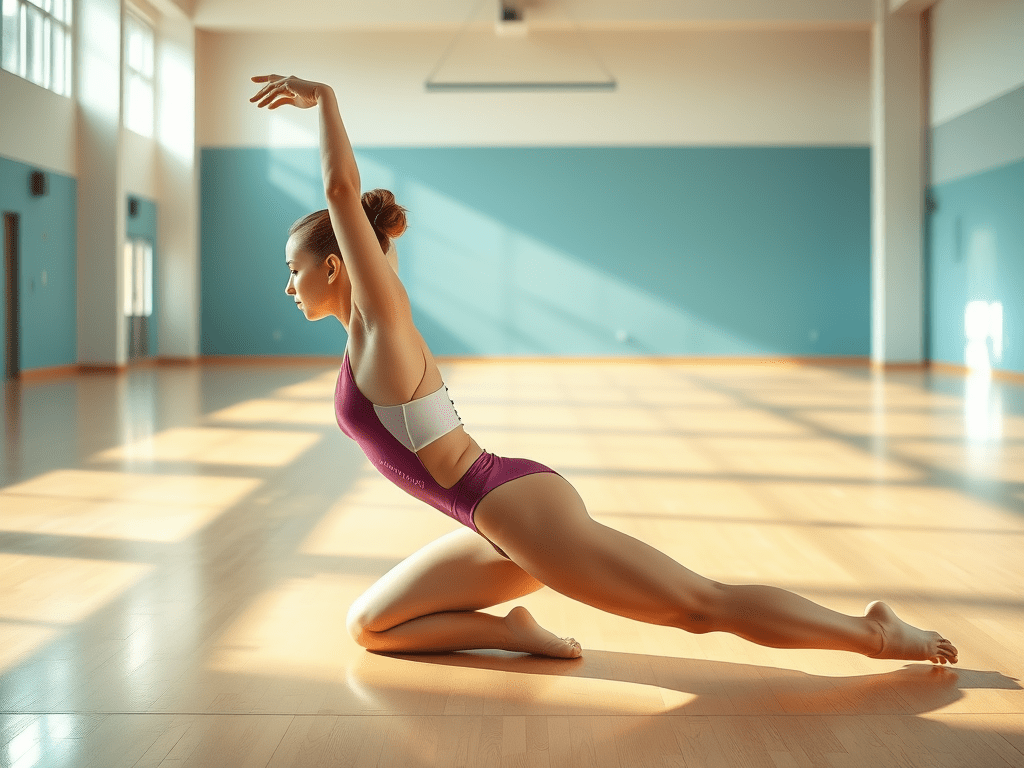


Flexibility is key to keeping your body healthy and active. It’s not just about stretching. It’s about how well your body moves and functions every day. Here are some reasons why flexibility is important and how to keep yours in check.
Stretching regularly can lower your risk of getting hurt, especially as you get older. It’s good to stretch at least three times a week. This helps loosen tight muscles in your back and shoulders.
Adults should stretch for 10-60 seconds to cover major muscle groups. Older adults who stretch often have fewer falls and a better life quality. Stretching keeps you mobile and independent.
Key Takeaways
- Flexibility is essential for overall health and daily functioning.
- Regular stretching can prevent injuries and reduce muscle tension.
- Older adults benefit greatly from improved flexibility through reduced fall risk and better quality of life.
- Incorporating stretching into your routine 2-3 times per week is recommended for adults.
- Flexibility exercises can boost circulation and cardiovascular health.
Understanding the fundamentals of flexibility and mobility
Flexibility lets your muscles and joints stretch and move easily. It’s key for daily activities and keeping your body healthy. The science behind it involves how muscles and tendons stretch and handle too much stretching.
Definition and Importance in Daily Activities
Being flexible helps you keep a good posture and balance. It also lowers the chance of getting hurt. Studies show that stretching boosts flexibility, making your joints move better.
Stretching regularly, three times a week for 10-60 seconds, can greatly improve your joint health. This makes your body more flexible.
The Science Behind Muscle and Joint Movement
Being flexible can make you perform better and avoid injuries. Good mobility means less strain on your muscles and joints when you’re active. Adding mobility exercises to your routine helps keep you doing the things you love, like surfing.
Role in Overall Physical Wellness
In older adults, staying mobile can stop falls and keep them active and independent. Mixing stretching with gentle exercises like tai chi, Pilates, or yoga is good for flexibility. Stretching exercises three to five times a week, focusing on big muscle groups and tight spots, can improve how well you move.
“Flexibility can improve physical performance, reducing the risk of injuries.”
Flexibility, key to health, staying active

Maintaining flexibility is key for your health and staying active. It prevents injuries by making your muscles flexible and ready for action. This reduces the chance of strains and sprains.
When you’re more flexible, you often have better balance and posture. This is because flexibility exercises keep your muscles long and loose.
But flexibility does more than just help with injury prevention. It also enhances your physical performance in sports and daily activities. A greater range of motion and improved muscle efficiency are two ways flexibility boosts your capabilities.
Whether you’re an athlete or just want to move easily, flexibility is essential. It’s a foundational element of health and fitness.
| Benefit | Impact |
|---|---|
| Injury Prevention | Keeps muscles pliable, reducing strain and sprain risk |
| Balance and Posture | Maintains muscle length and joint mobility for better alignment |
| Enhanced Performance | Increases range of motion and muscle efficiency for improved capabilities |
Adding flexibility to your lifestyle is a smart move for your long-term health. It helps you prevent injuries, maintain better balance and posture, or enhance your physical performance. Flexibility is a powerful tool worth developing.
Preventing injuries through enhanced flexibility
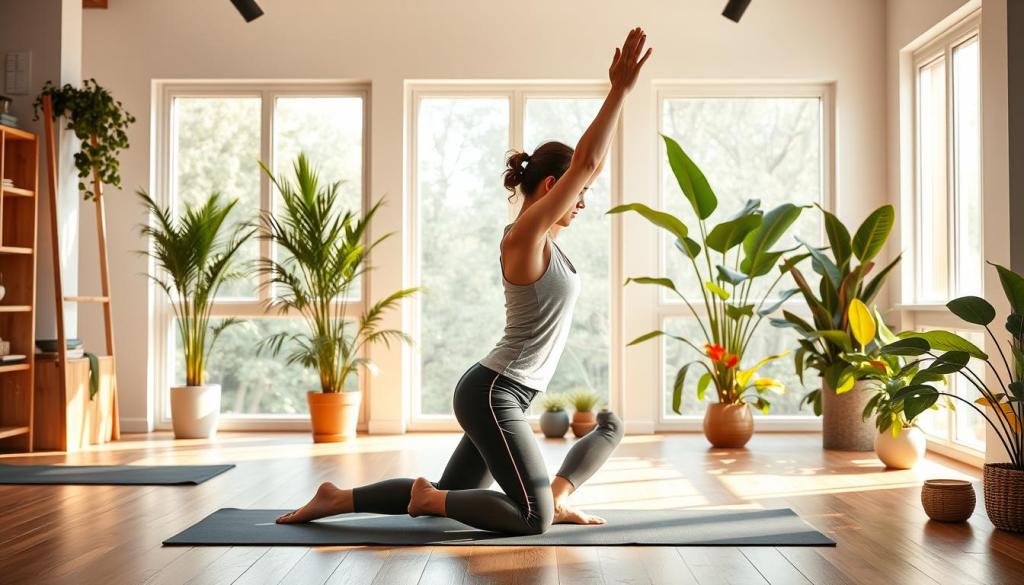
Improving your flexibility is a great way to avoid injuries. It keeps your muscles and joints in good shape. This reduces the chance of muscle strains and joint sprains.
Using the right techniques and strategies can help you stay active and healthy. This way, you can enjoy your activities without worrying about getting hurt.
Muscle Strain Prevention Techniques
Stretching regularly is essential for muscle flexibility. Spend at least 10-15 minutes on stretching after working out. Hold each stretch for 15-60 seconds.
Being consistent is important. Stretch at least three times a week for the best results. Adding short stretches to your daily routine can also help with muscle tension.
Joint Protection Strategies
Keeping your joints flexible is key to protecting them. Dynamic stretches help move your joints fully. This prepares your body for activity and lowers injury risk.
Start with a warm-up before stretching. Light aerobic activity helps prevent injuries.
Recovery and Rehabilitation Benefits
Flexibility is crucial for recovery and rehabilitation. Stretching improves blood flow, helping muscles heal faster. It also reduces soreness.
Studies show stretching lowers injury risk, especially for older adults. Adding flexibility exercises to your routine helps you recover quickly. It keeps you active and healthy.
“Flexibility is the key to staying active and healthy. By prioritizing stretching and mobility, you can dramatically reduce your risk of muscle strains, joint injuries, and other physical setbacks.”
The connection between flexibility and posture improvement

Good posture is key for health and well-being. Flexibility is crucial for this. Adding flexibility exercises to your routine can help improve balance and alignment. This reduces fall risks and boosts confidence in movement, especially with age.
Studies show that flexibility training can greatly improve your posture. Long and loose muscles make it easier to stay aligned. This prevents poor posture from sitting too long or doing other activities. Better flexibility also means better balance, as your body can move more freely.
For older adults, flexibility and posture are even more linked. Flexible muscles and joints help prevent falls. Falls are a big cause of injury and loss of independence in this age group. By getting more flexible, older people can improve their balance, stability, and confidence in moving.
| Benefit | Impact |
|---|---|
| Better Balance and Posture | Reduced risk of falls and improved alignment |
| Improved Alignment | Prevention of poor posture from prolonged sitting |
| Fall Prevention | Increased confidence and independence for older adults |
To see the benefits of better flexibility and posture, add stretching exercises to your daily routine. Try gentle yoga poses or stretches for specific muscles. There are many ways to boost your mobility and alignment. By focusing on flexibility, you’re taking a big step towards better balance, posture, and health.
How flexibility enhances athletic performance

Flexibility is key to physical fitness and boosts athletic performance. It improves your range of motion. This affects your strength, speed, and sport-specific skills, giving you an edge.
Range of Motion Benefits
More flexibility means easier, more efficient movements in sports. It lets you do techniques and maneuvers smoothly. This reduces the chance of muscle or joint injuries.
Impact on Strength and Speed
Being flexible makes your muscles work better, letting you move faster and stronger. Tight muscles slow you down. Flexibility unlocks your full potential in sports.
Sports-Specific Advantages
Flexibility training tailored to your sport offers big benefits. It improves agility, reduces muscle tension, and boosts performance. Adding flexibility exercises to your routine can give you a competitive edge.
Studies show flexibility training boosts athletic performance in many ways. It improves aerobic fitness and muscular strength. Prioritizing flexibility reduces injury risk, enhances physical abilities, and reaches your athletic peak.
Different types of stretching techniques
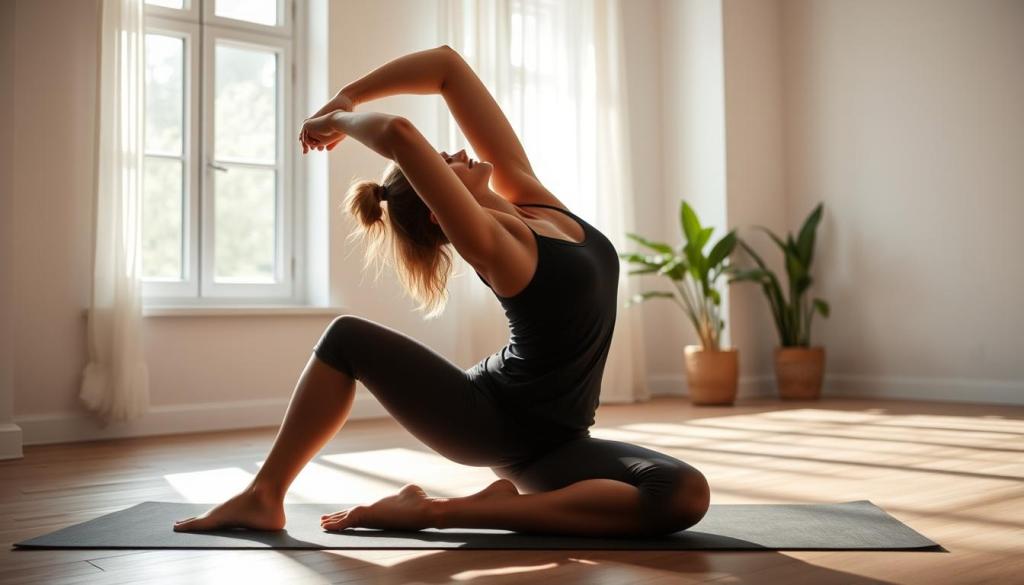
Keeping your body flexible is key to staying healthy and active. There are many stretching methods to choose from. Each has its own benefits, from static stretching to dynamic stretching, and even yoga and Pilates. Knowing about these can help you pick the best one for you.
Static Stretching
Static stretching means holding a stretch for 10-60 seconds. It helps your muscles get longer and move better. It’s great after working out to ease soreness and aid in recovery.
Dynamic Stretching
Dynamic stretching uses moving stretches to warm up your muscles. It slowly increases your range of motion. This makes your body ready for harder activities and lowers injury risk.
Yoga and Pilates
Yoga and Pilates mix stretching with strength training. They improve your flexibility and also help with balance, posture, and muscle control. These practices are mindful and focus on the body and mind.
| Stretching Technique | Description | Benefits |
|---|---|---|
| Static Stretching | Holding a position for 10-60 seconds | Improves range of motion, promotes recovery |
| Dynamic Stretching | Controlled, gradual movements to warm up muscles | Prepares the body for physical activity, reduces injury risk |
| Yoga and Pilates | Mindful practices that combine flexibility and strength | Enhance flexibility, balance, posture, and muscle control |
Trying out different stretching methods can boost your flexibility and health. Find what works for you and your fitness goals. This way, you can enjoy better flexibility and overall well-being.
“Flexibility is the key to a healthy body and a healthy mind. Regular stretching can help reduce the risk of injury, improve posture, and enhance your overall quality of life.”
The role of flexibility in pain management
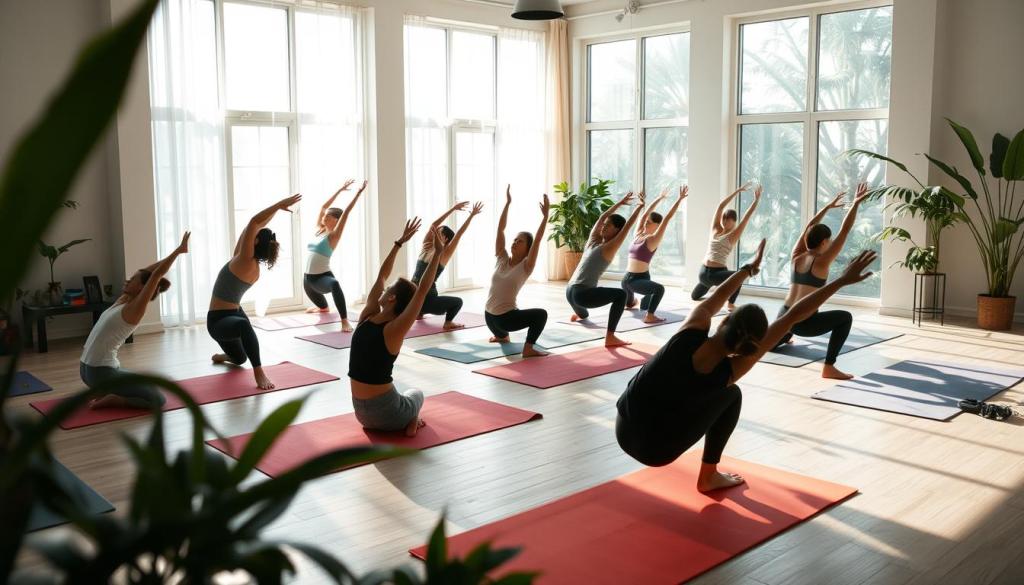
Flexibility exercises are key in managing pain. They improve muscle and joint mobility. This helps with chronic back pain, neck tension, and muscle soreness.
Regular stretching and flexibility training are very effective. They help reduce reduced muscle tension and pain, chronic pain, back pain, and neck tension.
Addressing Chronic Back Pain
Chronic back pain can be eased with flexibility exercises. These exercises lengthen muscles and improve blood flow. They target the lower back, hips, and hamstrings.
These stretches help restore proper alignment. They reduce strain on the spine.
Neck Tension Relief Methods
Neck tension is common in today’s world. It’s caused by sitting too much and looking at screens. Specific neck and shoulder stretches can help.
These exercises release tight muscles around the neck. They improve range of motion and reduce discomfort.
Managing Muscle Soreness
Flexibility training helps with muscle soreness after hard workouts. Stretching the affected muscles reduces reduced muscle tension and pain. It also speeds up recovery.
Stretching at least three times a week is effective. It helps in areas like the lower back and shoulders.
“Consistent flexibility training can be a game-changer in managing various types of pain, from chronic back issues to neck tension and muscle soreness. By improving mobility and blood flow, these exercises can provide lasting relief and enhance overall physical well-being.”
Before starting a flexibility program, see a healthcare professional. They can give personalized advice. With the right approach, flexibility can greatly improve your life.
Flexibility training for different age groups

Improving flexibility is key for everyone, from kids to seniors. It helps keep you moving well at any age. Adding specific exercises to your routine can boost your health at every life stage.
Children and Adolescents
Flexibility is vital for kids and teens. It helps them move right and avoid injuries. Activities like yoga, dance, and play can make their bodies more flexible and support their growth.
Adults
Adults need to stay flexible to do everyday tasks and avoid injuries. Experts say adults should stretch 2-3 times a week. This helps loosen muscles, improve how you move, and keep your posture strong.
Older Adults
Flexibility is key for seniors to stay mobile and independent. Gentle stretches, like chair yoga, are great for older folks. They help keep seniors moving well and reduce fall risks.
| Age Group | Recommended Flexibility Exercises |
|---|---|
| Children and Adolescents | YogaDanceActive play |
| Adults | Stretching routines (2-3 sessions per week)Targeting various muscle groupsImproving range of motion and posture |
| Older Adults | Chair yogaGentle stretching exercisesMaintaining mobility and independence |
Flexibility training is good for all ages. It boosts mobility, lowers injury risk, and improves health. Whether you’re young or old, focusing on flexibility keeps you active and healthy.
Incorporating flexibility exercises into daily routine
Maintaining flexibility is key for good health. Adding flexibility exercises to your daily routine boosts mobility and prevents injuries. It also improves your life quality. Let’s see how to add these exercises to your day, from morning stretches to evening cool-downs.
Morning Stretching Routines
Begin your day with stretching. Morning stretches wake up your body and get it ready for the day. Target muscles like shoulders, neck, and back to release tension from sleep. Simple moves like arm circles, neck rolls, and gentle twists can greatly improve how you feel.
Workplace Flexibility Exercises
Sitting for long periods harms your body, causing tightness and less mobility. Add workplace exercises to your day to fight this. Short standing stretches, desk pushups, and ankle rotations keep you flexible and energized at work.
Evening Cool-Down Stretches
As the day ends, relax and stretch your muscles. Evening cool-down stretches relax your body, improve sleep, and prepare you for tomorrow. Focus on tight areas like hips, hamstrings, and lower back. Gentle stretches like forward bends, twists, and calf stretches soothe your body at the end of the day.
Even a few minutes of stretching daily can greatly improve your flexibility and health. Being consistent is crucial. With dedication, you’ll see better range of motion, less injury risk, and better physical and mental health.
The connection between flexibility and circulation

Maintaining proper flexibility is not just about enhancing your range of motion. It also plays a vital role in promoting improved circulation throughout your body. Regular flexibility exercises, such as stretching, can have a profound impact on your cardiovascular health and overall well-being.
When you engage in flexibility training, you stimulate increased blood flow to your muscles. This improved circulation delivers more oxygen and essential nutrients to the affected areas. It aids in faster recovery and maintains the health of your musculoskeletal system. Stretching exercises, in particular, have been shown to boost circulation. This can have far-reaching benefits for your heart and overall cardiovascular function.
Research indicates that incorporating flexibility work into your routine can contribute to better cardiovascular health and help prevent long-term cardiovascular conditions. By improving blood flow, flexibility training can support optimal heart function. It can also reduce the risk of hypertension and enhance the efficiency of your circulatory system.
So, don’t underestimate the power of flexibility when it comes to your overall physical well-being. Dedicating time to stretching, mobility drills, and other flexibility-focused activities can not only improve your range of motion. It also has a positive impact on your cardiovascular health and improved circulation. Invest in your flexibility, and reap the rewards of enhanced bodily function and vitality.
“Flexibility is the key to both physical and mental health. When you’re flexible, you’re able to adapt to changes and handle stress more effectively.”
Building a progressive flexibility program
Getting more flexible takes time and a plan that fits you. Set flexibility goals that are achievable. Practice different stretching techniques regularly to boost your mobility and lower injury risks.
First, check where you stand in terms of flexibility. This step helps you know what to focus on. Then, create a progressive program that slowly gets your stretches more intense and longer.
- Add dynamic stretches to your warm-up to get blood flowing and muscles ready.
- As you get more flexible, make your static stretches longer and more intense.
- Try out various stretching methods like ballistic, PNF, and active-isolated to target specific muscles and improve mobility.
- Keep track of your progress and tweak your program to keep improving.
Being consistent is crucial for a good flexibility program. Spend at least 15 minutes a day on flexibility exercises. Be patient, as you’ll see big improvements in 30 days with regular practice.
| Technique | Description | Benefits |
|---|---|---|
| Dynamic Stretching | Active, controlled movements that mimic your sport or activity. | Boosts blood flow, enhances range of motion, and lowers injury risk. |
| Static Stretching | Holding a stretch for 15-60 seconds in a comfortable position. | Improves joint mobility, increases muscle length, and relaxes the body. |
| Ballistic Stretching | Uses momentum to stretch beyond normal limits. | Increases dynamic flexibility and power, but be careful to avoid injury. |
| PNF Stretching | Combines muscle contraction and relaxation for a deeper stretch. | Offers a deeper stretch and can lead to significant flexibility gains. |
Creating a progressive flexibility program is a journey. Stay consistent and adjust your routine as needed. This way, you can fully enjoy the benefits of better flexibility and mobility, improving your health and performance.
“Flexibility is the key to both physical and mental wellness. By incorporating a progressive flexibility program into your lifestyle, you can unlock a world of improved mobility, injury prevention, and enhanced athletic performance.” – Fitness Expert, Sarah Johnson
Conclusion
Flexibility is key to your health and staying active. It helps prevent injuries, improves posture, and boosts performance. It also manages pain and enhances blood flow.
Adding flexibility exercises to your day can greatly improve your health. It doesn’t matter how old or fit you are. Flexibility exercises can make a big difference in your life.
By focusing on flexibility, you can live a more active and pain-free life. Simple activities like walking or stretching can improve your heart health and help manage weight. They also strengthen bones and improve your mind.
Flexibility is your body’s secret to staying healthy and active. Making it a priority can open up many benefits. It helps you live your best life, now and in the future.
So, embrace flexibility and start your journey to a healthier, more vibrant you. It’s a powerful tool for a better life.
FAQ
What is the definition of flexibility and why is it important for daily activities?
Flexibility means how easily muscles and joints can stretch and move. It’s crucial for everyday tasks and keeping fit. Simple actions like reaching or tying shoes need it.
How does the science behind muscle and joint movement impact flexibility?
Muscle and joint movement science deals with how muscles stretch and resist too much stretching. Good flexibility is key for posture, balance, and injury prevention.
What are the key benefits of improved flexibility?
Better flexibility stops injuries by keeping muscles ready. It also lowers strain and sprain risks, boosts sports and daily activity performance, and improves balance and posture.
How does flexibility help prevent injuries?
Regular stretching keeps muscles flexible, preventing strains. Flexibility protects joints and aids in quicker recovery and healing by improving blood flow.
What is the connection between flexibility and posture improvement?
Stretching keeps muscles long, helping maintain proper posture. It’s especially vital for older adults to prevent falls and boost confidence in movement.
How does flexibility enhance athletic performance?
Flexibility increases movement range, making movements easier and more efficient. It also boosts strength and speed by making muscles more efficient and reducing injury risks. Sports benefits include better agility and performance.
What are the different types of stretching techniques?
There’s static stretching, dynamic stretching, and yoga/Pilates. Each has unique benefits and can be adjusted for different fitness levels.
How can flexibility exercises help manage pain?
Flexibility exercises can ease chronic back pain by lengthening muscles and improving blood flow. They also relieve neck tension and muscle soreness, especially in tight areas like the lower back and shoulders.
How can different age groups benefit from flexibility training?
Kids and teens can improve flexibility with yoga, dance, and play. Adults should stretch regularly. Older adults need flexibility to stay mobile and independent. Gentle exercises like chair yoga are good for them.
How can you incorporate flexibility exercises into your daily routine?
Morning stretches improve mobility. Workplace exercises counteract sitting effects. Evening stretches relax muscles and enhance sleep. Even short stretches daily can greatly improve flexibility and well-being.
What are the benefits of flexibility exercises on circulation?
Stretching boosts blood flow to muscles, aiding recovery and muscle health. It also benefits heart health and prevents cardiovascular diseases.
How can you build a progressive flexibility program?
Start with realistic goals and gradually increase stretch intensity and duration. Consistent practice is essential. A good program includes various stretches and targets major muscle groups.
Source Links
- How to improve your flexibility – the body’s secret weapon for staying healthy and active – https://theconversation.com/how-to-improve-your-flexibility-the-bodys-secret-weapon-for-staying-healthy-and-active-236549
- How to improve your flexibility – the body’s secret weapon for staying healthy and active – https://uk.news.yahoo.com/improve-flexibility-body-secret-weapon-145125761.html
- Stretching is not a warm up! Find out why – https://www.mayoclinic.org/healthy-lifestyle/fitness/in-depth/stretching/art-20047931
- Unlocking The Key To Health – Understanding Mobility – Heart Research Australia – https://www.heartresearch.com.au/understanding-mobility/
- Four Types of Exercise Can Improve Your Health and Physical Ability – https://www.nia.nih.gov/health/exercise-and-physical-activity/four-types-exercise-can-improve-your-health-and-physical
- Benefits of Flexibility and How To Improve It – https://health.clevelandclinic.org/how-to-improve-flexibility-and-benefits
- The Importance of Flexibility and Mobility – https://sites.psu.edu/kinescfw/health-education/exercise-articles/the-importance-of-flexibility-and-mobility/
- The Power of Stretching: Enhance Flexibility & Prevent Injuries – https://vosct.com/the-power-of-stretching-how-to-enhance-your-flexibility-and-prevent-injuries/
- Stretching Routines to Improve Flexibility and Prevent Injuries – Fitness CF Gyms – https://fitnesscfgyms.com/exercise/stretching-routines-to-improve-flexibility-and-prevent-injuries/
- Stretching and Flexibility: Benefits, Techniques, and Tips – https://www.opaortho.com/the-importance-of-stretching-and-flexibility/
- The Importance of Posture, Balance and Flexibility – https://www.tcspine.com/blog/posts/the-importance-of-posture-balance-and-flexibility/
- The Key Benefits of Flexibility and Mobility | Banner Health – https://www.bannerhealth.com/healthcareblog/advise-me/the-key-benefits-of-flexibility-and-mobility
- The Impact of Flexibility Training on Performance – https://www.acefitness.org/resources/pros/expert-articles/5598/the-impact-of-flexibility-training-on-performance/?srsltid=AfmBOor1fijCLSvXuLrv-yvVEr86kXg6VDzfdajVmxHxMbK2-ofkNn__
- FLEXIBILITY | Sports Medicine Today – https://www.sportsmedtoday.com/flexibility-va-247.htm
- A guide to basic stretches – https://www.mayoclinic.org/healthy-lifestyle/fitness/in-depth/stretching/art-20546848
- The Different Types of Stretching & The Benefits – https://shelteringarmsinstitute.com/rehablogs/the-different-types-of-stretching-the-benefits/
- STRETCHING AND FLEXIBILITY – Types of Stretching – https://web.mit.edu/tkd/stretch/stretching_4.html
- Flexibility: The Key to Optimizing Your Health – Folsom Physical Therapy – https://folsomphysicaltherapy.com/flexibility-the-key-to-optimizing-your-health/
- Staying Active with Chronic Pain: Modifications and Low-Impact Exercises You Can Enjoy – Jersey Rehab – https://jerseyrehab.com/staying-active-with-chronic-pain-modifications-and-low-impact-exercises-you-can-enjoy/
- How to Reduce Pain and Improve Flexibility – Eastside Ideal Health – https://www.eastsideidealhealth.com/how-to-reduce-pain-and-improve-flexibility/
- The Key to Wellness: Flexibility and Mobility for All Ages – The Launch – https://www.launchsp.com/the-key-to-wellness-flexibility-and-mobility-for-all-ages/
- Flexibility Exercises for Young Athletes – OrthoInfo – AAOS – https://orthoinfo.aaos.org/en/staying-healthy/flexibility-exercises-for-young-athletes/
- VA.gov | Veterans Affairs – https://www.va.gov/WHOLEHEALTHLIBRARY/tools/improving-flexibility.asp
- A Daily 5-Minute Stretching Routine That Everyone Needs – https://www.healthline.com/health/fitness-exercise/daily-stretching-routine
- Flexibility Exercises for Seniors: Staying Agile with Age – https://www.lifeline.ca/en/blog/flexibility-exercises-for-seniors-staying-agile-with-age/
- Active Stretching: What It Is and How To Do It – https://health.clevelandclinic.org/active-stretching
- Flexibility, Strength, and Balance in Healthy Movement: How They Work Together – https://www.ewmotiontherapy.com/blog/flexibility-strength-balance-healthy-movement
- Why Is Flexibility Important? Five Benefits of Flexibility – https://www.integrativenutrition.com/blog/why-is-flexibility-important
- Dynamic Flexibility: 12 Exercises, Benefits, and More – https://www.healthline.com/health/exercise-fitness/dynamic-flexibility
- Science of Stretching – https://www.yogabody.com/stretching/?srsltid=AfmBOorFphx-83FDgKH7WQN6vwyB_0Gp3Gl8_XrFlFq2x_KRuDiLo56_
- The importance of staying active: a healthy life – https://www.aurelerossi.com/en/the-importance-of-staying-active/
- Why Is Physical Activity So Important for Health and Well-Being? – https://www.heart.org/en/healthy-living/fitness/fitness-basics/why-is-physical-activity-so-important-for-health-and-wellbeing
- Why Flexibility is So Important for Your Health – https://vocal.media/bookclub/why-flexibility-is-so-important-for-your-health



 trim down and shape up
Leave a comment