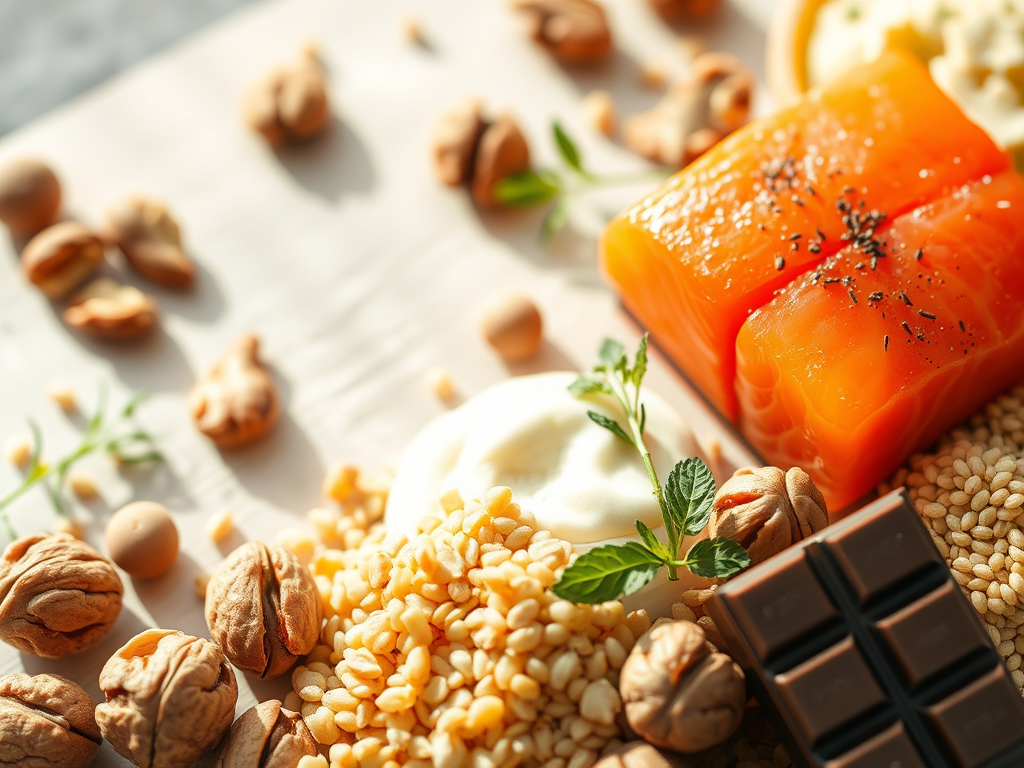


Food is more than just fuel for your body. It also affects your mood, energy, and mental clarity. Eating the right foods can improve your mental health. It can boost your brain function and help manage stress.
Omega-3 fatty acids and a healthy gut are key for your mind. Foods like salmon and walnuts can lower depression and anxiety symptoms. Eating fermented veggies and yogurt supports a healthy gut.
Choosing the right foods is a big step towards better mental health. The right diet can support your brain, reduce stress, and enhance your overall well-being.
Key Takeaways
- Foods rich in omega-3 fatty acids can help reduce symptoms of depression and anxiety
- A healthy gut microbiome is essential for mental well-being
- Fermented vegetables and yogurt can help support gut health
- Omega-3 fatty acids and gut health are crucial for mental health
- Making informed food choices can help transform your mental health
- Supporting your brain health through diet can reduce stress and anxiety
- A balanced diet that includes omega-3 rich foods and supports gut health can improve overall well-being
Understanding the Food-Mind Connection
Exploring how food affects our mental health is key. The gut-brain axis is a network that links our brain and gut. It helps with digestion and mood changes. Foods like dark chocolate and whole grains are good for our minds.
Studies show that 95% of serotonin, linked to mental health, is made in the gut. A healthy gut microbiome is vital. Eating foods rich in fiber and B vitamins, like whole grains, supports this.
Eating dark chocolate and whole grains can boost your mood. Dark chocolate’s flavonoids help reduce stress. Whole grains give us energy and support good gut bacteria. Making smart food choices is a great way to support your mental health.
Why Omega-3 Rich Foods Are Your Brain’s Best Friend

Omega-3 rich foods are key for brain health. These fatty acids, EPA and DHA, fight inflammation and boost brain function. A 3:2 EPA to DHA ratio is best for mental health. You can find them in salmon, sardines, and walnuts.
Antioxidant-rich fruits like berries and pomegranates also protect the brain. They fight oxidative stress.
Eating these foods can greatly improve your mental health. A 1,000 mg daily dose of EPA and DHA is good for brain and heart health. Also, caffeine in small amounts can make you more alert and focused. Here are some benefits of omega-3 foods:
- They lower the risk of mood disorders like anxiety and depression.
- They improve heart health by lowering triglycerides and inflammation.
- They support brain growth and development in infants.
Choosing the right foods can help your brain health. With omega-3 foods, antioxidant-rich fruits, and some caffeine, you can lower mental health risks. This promotes overall well-being.
The Surprising Impact of Dark Chocolate on Mental Health
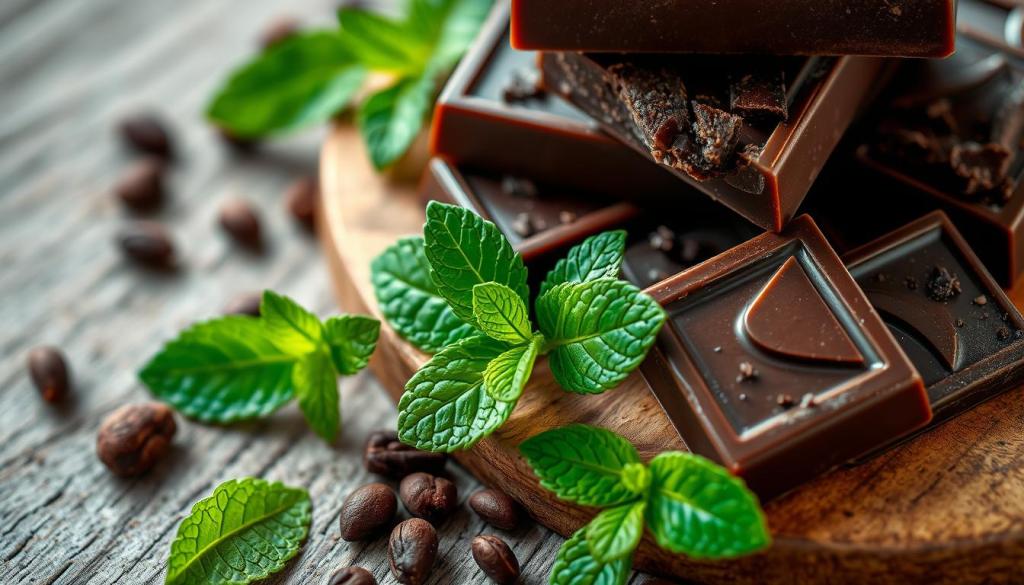
Dark chocolate is good for your mental health. It has lots of magnesium and flavonols. Magnesium is key for mental health, and flavonols help improve mood and reduce stress. Plus, it has vitamin D, which helps with mood.
When picking dark chocolate, choose one with at least 70% cacao. This ensures you get the most flavonols. But remember, dark chocolate has calories, fat, and sugar. So, eat it in small amounts. Studies show it can boost brain function, especially in older people, and protect heart health.
Here are some benefits of dark chocolate for mental health:
- Reduces stress and anxiety
- Improves mood and cognitive function
- Supports cardiovascular health
In short, dark chocolate is great for a healthy diet. It gives you magnesium, vitamin D, and flavonols. These help with mental health and overall well-being.
| Benefit | Description |
|---|---|
| Reduces stress and anxiety | Dark chocolate contains flavonols that have been shown to reduce stress and anxiety |
| Improves mood and cognitive function | Dark chocolate contains magnesium and vitamin D, which are essential for mood regulation and cognitive function |
| Supports cardiovascular health | Dark chocolate contains flavonols that have been shown to support cardiovascular health |
Whole Grains: Your Mental Energy Powerhouse

Whole grains are packed with complex carbs, giving your brain a steady energy boost. Foods like whole-grain bread, brown rice, and quinoa are great sources. On the other hand, simple carbs like white bread can cause energy drops and mood swings.
Leafy greens like kale and spinach are full of folate, helping your mood. Pairing whole grains with protein-rich foods like lean meats and nuts creates a balanced diet. This supports your mental health and brain function.
Here are some whole grains and their benefits:
- Barley: rich in soluble fiber, which helps stabilize energy levels
- Oats: rich in fiber and protein, which stabilizes blood sugar levels and promotes mental clarity
- Quinoa: a complete protein source, containing all nine essential amino acids
Eating whole grains regularly can help with mood swings, fatigue, and depression. They support brain health and mood regulation. Adding whole grains, leafy greens, and protein to your diet boosts your mental energy and overall health.
| Food | Benefit |
|---|---|
| Whole grains | Provides complex carbohydrates for sustained energy |
| Leafy greens | Rich in folate for mood regulation |
| Protein-rich foods | Supports brain function and mood regulation |
Antioxidant-Rich Fruits That Combat Mental Stress

Looking to improve your mental health? Think about adding antioxidant-rich fruits to your diet. Berries and tropical fruits are full of vitamins and minerals that help your mind. Plus, herbal teas can help reduce stress and make you feel more relaxed.
Blueberries, strawberries, and pineapple are among the best fruits for antioxidants. They taste great and are full of B vitamins, which are key for your mental health. Adding these fruits to your meals can help fight mental stress and boost your mood.
- Eat a variety of fruits to get different antioxidants
- Include fruits in your diet at different times, like breakfast or snacks
- Pair fruits with other nutrient-rich foods, like nuts or whole grains, for extra benefits
By making these simple diet changes, you can support your mental health and lower stress. Don’t forget to drink plenty of water and try herbal teas for an extra mental boost.
The Coffee Paradox: How Caffeine Affects Your Mental State
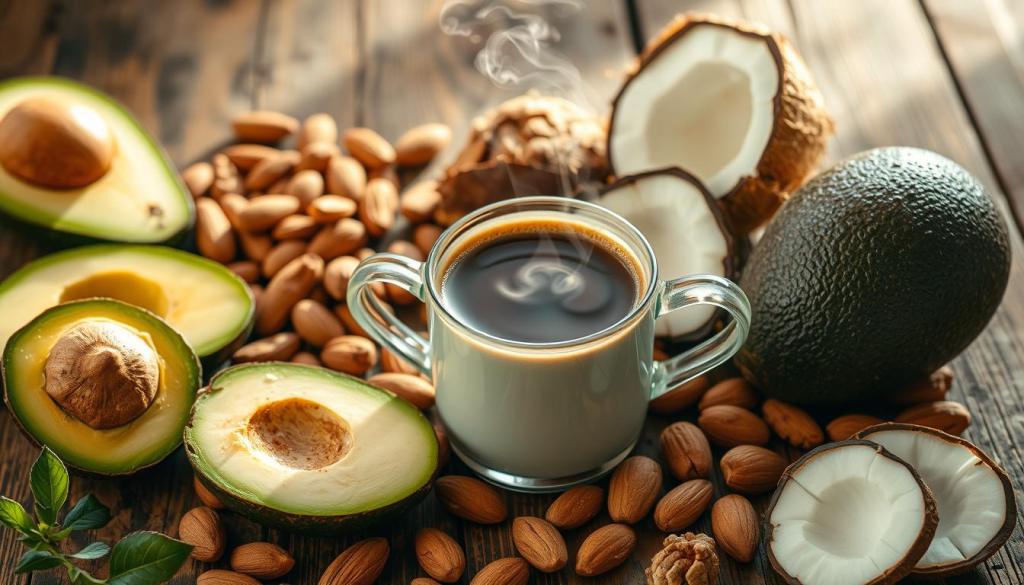
Caffeine is a common substance that can affect your mind in different ways. It can make you feel more alert and focused. This is why many students, athletes, and people with busy minds choose it.
But too much caffeine can cause anxiety, jitters, and a fast heart rate. To counteract these effects, eating healthy fats is key. They help reduce inflammation and support brain health.
Spicy foods also have a positive effect on your mind. The capsaicin in chili peppers can lower stress and boost your mood. Mixing a bit of caffeine with a diet rich in healthy fats and spicy foods can help you enjoy caffeine’s good sides while avoiding its bad ones.
Here are some tips for caffeine use: * Watch how much caffeine you take in, from coffee to energy drinks. * Don’t have caffeine in the afternoon or evening to avoid sleep issues. * Eat a balanced diet with healthy fats and spicy foods to balance out caffeine’s effects. Following these tips can help you enjoy caffeine’s benefits while keeping your mind healthy.
Magnesium-Rich Foods for Anxiety Relief
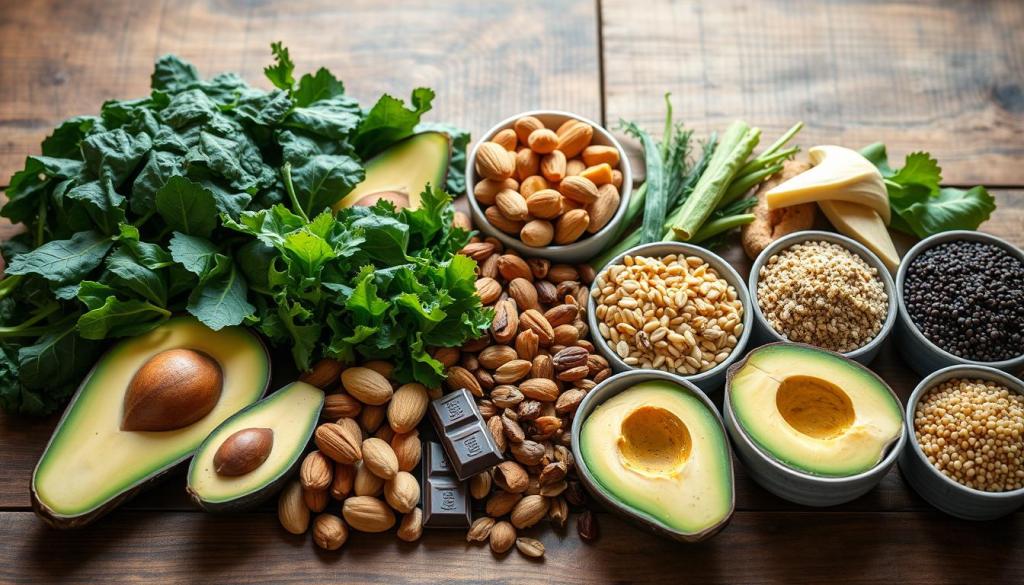
Incorporating magnesium-rich foods into your diet can help manage anxiety. Magnesium is key in reducing anxiety and depression symptoms. Dark leafy greens, nuts, and seeds are natural sources of magnesium.
Staying hydrated is also vital for mental health. Foods rich in omega-3 fatty acids can reduce inflammation and support brain function.
Some magnesium-rich foods include bananas, avocados, spinach, almonds, and lentils. These can help ease stress and anxiety. A balanced diet with quality carbs, fats, and proteins is also important for anxiety management.
A Mediterranean diet, rich in omega-3 fatty acids from fatty fish like salmon, tuna, and sardines, can lower anxiety and depression.
- Eat dark leafy greens like spinach and kale
- Include nuts and seeds in your meals
- Consume fatty fish like salmon and tuna
- Stay hydrated by drinking plenty of water
| Food | Magnesium Content |
|---|---|
| Spinach | 157mg per 1 cup cooked |
| Almonds | 80mg per 1 ounce |
| Salmon | 59mg per 3 ounces cooked |
Vitamin D Foods for Mental Clarity and Focus

Vitamin D is key for mental clarity and focus. Foods like fatty fish, egg yolks, and fortified dairy products boost mood and fight depression. Good gut health is also vital for mental well-being. Foods like fermented veggies and yogurt help with this.
Adding vitamin D to your diet is easy. Try salmon in your meals or fortified dairy products. Dark chocolate is also great, as it has flavonoids that lift mood and reduce stress. Here’s how to get more vitamin D:
- Eat fatty fish like salmon and mackerel
- Include fortified dairy products in your diet
- Snack on dark chocolate with high cocoa content
By eating these foods, you support your mental health and overall well-being. Don’t forget to focus on gut health and enjoy dark chocolate for a mood boost.
Leafy Greens: Nature’s Brain Protection Formula

Leafy greens are key to a healthy diet for brain protection. They are full of nutrients that fight inflammation and boost brain function. Adding whole grains and antioxidant-rich fruits to your meals also helps protect your mental health.
Eating leafy greens like spinach and kale can make your brain feel 11 years younger. This is thanks to folate and B vitamins. Whole grains like brown rice and quinoa give you energy and fiber, helping your mind stay well.
Top Green Vegetables for Mental Health
- Spinach: rich in folate and iron
- Kale: high in vitamins A, C, and K
- Collard greens: packed with calcium and vitamins
Preparation Methods to Maximize Benefits
To enjoy the best of leafy greens, try different ways to add them to your meals. Blend spinach into smoothies, sauté kale with garlic, or use collard greens in stews. Mixing these greens with antioxidant-rich fruits like berries and pomegranates boosts brain protection even more.
Protein-Rich Foods That Enhance Brain Function

Exploring brain-boosting foods, you find protein-rich foods are key. Lean meats, fish, and legumes are crucial for brain health. They give the brain what it needs to function well. Herbal teas like chamomile and lavender help reduce stress and promote calm. B vitamins in foods like lean meats, fish, and whole grains support mental health.
A diet rich in protein can boost focus and concentration. Here are some protein-rich foods that help the brain:
- Lean meats like chicken and turkey
- Fatty fish like salmon and sardines
- Legumes like lentils and chickpeas
- Nuts and seeds like almonds and pumpkin seeds
Herbal teas are also great for relaxation and stress relief. A warm cup of tea can calm you down after a busy day. Paired with a diet rich in B vitamins, it supports brain health.
Adding protein-rich foods and herbal teas to your diet supports brain health. Don’t forget to include foods rich in B vitamins for mental health and overall well-being.
Herbal Teas: Your Natural Stress-Relief Solution

Exploring ways to manage stress and relax? Herbal teas are a great option. They’ve been calming minds and bodies for centuries. Adding them to your self-care routine can help reduce anxiety and boost well-being, especially when paired with healthy fats and spicy foods.
Some top teas for mental health include:
- Chamomile tea, known for its calming effects and floral scent
- Lavender tea, which contains compounds that can help reduce anxiety and promote relaxation
- Peppermint tea, which can help relieve headaches and soothe anxiety levels
To start a tea routine, pick a tea you like and fits your life. You can enjoy herbal teas hot or cold, with or without sugar. Try to drink at least one cup a day. Pair it with activities like meditation or yoga for even more benefits.
| Tea Variety | Benefits |
|---|---|
| Chamomile | Calming effects, reduces anxiety |
| Lavender | Promotes relaxation, reduces stress |
| Peppermint | Relieves headaches, soothes anxiety |
Spicy Foods and Their Mood-Boosting Properties

Eating spicy food can really help your mental health. Studies show it can lower death rates by 14 percent if eaten six or seven days a week. Spices like cumin, cinnamon, turmeric, peppers, and chilies can boost your metabolism and slow down hunger. Hydration is key when eating spicy foods to avoid dehydration.
Spicy foods release endorphins, which make you feel better and less stressed. Omega-3 fatty acids in foods like salmon and walnuts also help your brain and reduce inflammation. Here’s how to add spicy foods to your meals:
- Add red pepper flakes to your meals for an extra kick
- Try cooking with turmeric and cumin for their anti-inflammatory properties
- Experiment with different types of hot peppers to find the one you like best
Staying hydrated and eating foods rich in omega-3 fatty acids also supports mental health. Adding these foods to your diet can help reduce stress and boost your mood.
| Food | Mood-Boosting Properties |
|---|---|
| Spicy peppers | Release endorphins, improve mood |
| Fatty fish | Rich in omega-3 fatty acids, reduce inflammation |
| Nuts and seeds | Rich in omega-3 fatty acids, support brain function |
Hydration Choices to Support Mental Health and Boost Your Mood

Drinking enough water is key for good mental health. It can make you feel better and lower depression symptoms. Eating foods like watermelon and cucumbers also helps your brain.
A healthy gut is important for your mind too. Foods like fermented veggies and yogurt can help with that. Don’t forget about dark chocolate for your mood. It has flavonoids that can make you feel happier and less stressed.
Water-Rich Foods for Brain Health
- Watermelon: rich in water and electrolytes
- Cucumbers: high in water and antioxidants
- Strawberries: rich in water and vitamin C
Optimal Daily Hydration Strategies
Drink at least eight glasses of water a day. Eating water-rich foods and avoiding sugary drinks also helps. By focusing on hydration and gut health, you can feel better mentally.
Eating right, including water-rich foods, dark chocolate, and fermented veggies, supports your mental health. Making smart food choices can improve your life quality.
| Foods | Benefits for Mental Health |
|---|---|
| Watermelon | Rich in water and electrolytes, supports brain health |
| Dark Chocolate | Contains flavonoids, improves mood and reduces stress |
| Fermented Vegetables | Supports gut health, reduces stress and anxiety |
Conclusion: Transforming Your Mental Health Through Mindful Eating
Your food choices can deeply affect your mental health. Adding omega-3 fatty acids and whole grains to your diet is key. Omega-3s in foods like salmon and walnuts fight inflammation and boost brain function. Whole grains, such as brown rice and quinoa, give you fiber and B vitamins for mental energy.
Eating mindfully is crucial. It helps you understand hunger, avoid emotional eating, and build a healthier food relationship. Studies show mindful eating can lower stress, improve mood, and manage depression and anxiety better.
Use what you’ve learned to improve your mental health through food. Focus on omega-3s, whole grains, and mindful eating. This will unlock your mind-body connection’s full potential. Your mental health is worth this care and attention.
FAQ
What are the benefits of omega-3 fatty acids for mental health?
Omega-3 fatty acids are found in foods like fatty fish, flax seeds, and walnuts. They help reduce inflammation and support brain function. This can positively impact your mental well-being.
How does gut health influence mental wellness?
The gut-brain axis is a two-way communication system. The health of your gut can directly affect your mental state. A balanced gut microbiome supports neurotransmitter production and reduces inflammation, benefiting your mental health.
Can dark chocolate actually lift your spirits?
Yes, dark chocolate contains compounds like theobromine and flavanols. These can improve mood and reduce stress. Enjoy dark chocolate in moderation as part of a balanced diet to support your mental well-being.
How do whole grains provide steady energy for the mind?
Whole grains are rich in complex carbohydrates, fiber, and B vitamins. They help regulate blood sugar levels and provide steady energy to the brain. This supports focus and concentration.
What are the benefits of antioxidant-rich fruits for mental health?
Antioxidant-rich fruits, such as berries and tropical fruits, combat oxidative stress and inflammation. These are linked to mental health issues. Incorporating these foods into your diet can support mood and cognitive function.
How can caffeine affect my stress levels?
Caffeine can have a paradoxical effect on mental health. It can improve alertness and focus but overconsumption can lead to anxiety and jitteriness. Moderation is key when incorporating caffeine into your diet.
How can magnesium-rich foods help with anxiety relief?
Magnesium is a mineral that regulates the body’s stress response. Foods like leafy greens, nuts, and whole grains are excellent sources of magnesium. They can help alleviate symptoms of anxiety and depression.
How does vitamin D improve mental clarity?
Vitamin D, obtained from sunlight or certain foods, is linked to improved mood and cognitive function. It reduces symptoms of depression. Incorporating vitamin D-rich foods, such as fatty fish and fortified dairy products, can benefit your mental well-being.
How do leafy greens protect your brain?
Leafy green vegetables, like spinach and kale, are rich in antioxidants, vitamins, and minerals. They help reduce inflammation and protect the brain from oxidative damage. This supports cognitive function and overall mental health.
How does protein enhance brain function?
Protein-rich foods, like lean meats, eggs, and legumes, provide the building blocks for neurotransmitters. These are essential for regulating mood, focus, and cognitive processes. Incorporating protein into your diet can support optimal brain function.
How can herbal teas help you relax?
Certain herbal teas, like chamomile, lavender, and lemon balm, contain compounds that have a calming effect. They promote relaxation and reduce stress levels.
How do B vitamins combat brain fog?
B vitamins, found in foods like whole grains, leafy greens, and animal proteins, play a crucial role in energy production and neurological function. Ensuring adequate B vitamin intake can help alleviate symptoms of brain fog and improve cognitive clarity.
How do healthy fats improve cognitive function?
Healthy fats, found in avocados, nuts, and fatty fish, are essential for brain health. They support the structure and function of brain cells. This enhances cognitive abilities and supports overall mental well-being.
Can spicy foods boost endorphins and improve my mood?
Yes, the capsaicin compounds in spicy foods can trigger the release of endorphins. These are the body’s natural feel-good hormones. Incorporating moderate amounts of spicy foods into your diet may help boost your mood and alleviate stress.
How does proper hydration support mental clarity?
Adequate hydration is essential for brain function. Dehydration can lead to fatigue, poor concentration, and impaired cognitive abilities. So, maintaining proper hydration is crucial for mental well-being.
Source Links
- Happy Food, Happy Mood: What to Eat to Feel Good – https://greatist.com/eat/foods-that-make-you-happy
- 15 Foods To Help Improve Mental Health – https://www.foodmatters.com/article/15-foods-to-help-improve-mental-health
- Best Foods to Eat for Optimal Mental Health – https://www.mindful.org/what-to-eat-for-optimal-mental-health/
- You are what you eat: Diet may affect your mood and brain function – https://www.uclahealth.org/news/article/you-are-what-you-eat-diet-may-affect-your-mood-and-brain
- Food, Mood, and Brain Health: Implications for the Modern Clinician – https://pmc.ncbi.nlm.nih.gov/articles/PMC6170050/
- Omega-3 Fatty Acids: The Brain’s Best Friend – Cypress Counseling & Wellness – https://cypress-counseling.com/omega-3-fatty-acids-for-mental-health/
- 17 Science-Based Benefits of Omega-3 Fatty Acids – https://www.healthline.com/nutrition/17-health-benefits-of-omega-3
- The Benefits of Having a Healthy Relationship with Chocolate – https://www.hopkinsmedicine.org/health/wellness-and-prevention/the-benefits-of-having-a-healthy-relationship-with-chocolate
- UT Health Austin | Dark Chocolate and Your Brain – https://uthealthaustin.org/blog/dark-chocolate-and-your-brain
- The neuroprotective effects of cocoa flavanol and its influence on cognitive performance – https://pmc.ncbi.nlm.nih.gov/articles/PMC3575938/
- Mental Health | 7 Foods To Eat To Boost Your Mental Health – https://www.answersofidaho.com/7-foods-that-boost-your-mental-health/
- How whole grains impact mood and energy – Good in Every Grain – https://goodineverygrain.ca/2024/10/02/how-whole-grains-impact-mood-and-energy/
- 14 Healthy Foods High in Antioxidants – https://www.healthline.com/nutrition/foods-high-in-antioxidants
- 10 Best Foods to Fight Stress – https://www.everydayhealth.com/diet-nutrition-pictures/how-to-reduce-stress-with-diet.aspx
- Solving the Caffeine Paradox – https://appliedfoods.com/solving-the-caffeine-paradox/
- The Paradox of Coffee: Navigating Health Benefits and Risks – SWEET INSTITUTE – Continuing Education for Mental Health Professionals – https://sweetinstitute.com/the-paradox-of-coffee-navigating-health-benefits-and-risks/
- Coffee and Endothelial Function: A Coffee Paradox? – https://pmc.ncbi.nlm.nih.gov/articles/PMC6770186/
- 9 foods that help reduce anxiety – https://www.medicalnewstoday.com/articles/322652
- Anxiety Diet Essentials: Foods That Reduce Stress and Combat High Cortisol | Banner – https://www.bannerhealth.com/healthcareblog/better-me/can-certain-foods-increase-stress-and-anxiety
- 11 Best Foods to Boost Your Brain and Memory – https://www.healthline.com/nutrition/11-brain-foods
- 10 Foods That Boost Mental Health – https://www.icanotes.com/2018/04/04/10-foods-that-boost-mental-health/
- 10 foods to boost your brainpower – https://www.bbcgoodfood.com/health/wellness/10-foods-boost-your-brainpower
- These are the best foods to support brain health, from salmon to strawberries – https://www.yahoo.com/lifestyle/these-are-the-best-foods-to-support-brain-health-from-salmon-to-strawberries-144909139.html
- Food for thought: How diet affects the brain over a lifetime – https://www.heart.org/en/news/2024/09/27/food-for-thought-how-diet-affects-the-brain-over-a-lifetime
- An Anti-Inflammatory Diet and Its Potential Benefit for Individuals with Mental Disorders and Neurodegenerative Diseases—A Narrative Review – https://pmc.ncbi.nlm.nih.gov/articles/PMC11357610/
- 5 Foods That Are Proven to Improve Brain Health | Tomah Health – https://www.tomahhealth.org/wellness/5-foods-that-are-proven-to-improve-brain-health/
- Best Foods to Boost Your Memory | Emerson Health – https://www.emersonhospital.org/articles/best-brain-boosting-foods
- 10 Best Foods To Improve Brain Health and Memory | Metropolis Healthcare – https://www.metropolisindia.com/blog/preventive-healthcare/foods-to-improve-brain-health-and-memory
- Relaxing Teas for Stress, Anxiety, Digestion, and Sleep – https://cerebral.com/blog/relaxing-teas-for-stress-anxiety-digestion-and-sleep
- 18 of the Best Stress-Relieving Foods – https://www.healthline.com/nutrition/stress-relieving-foods
- Harnessing The Power Of Tea For Anxiety Relief | Firebelly Tea US – https://www.firebellytea.com/blogs/all/teas-for-anxiety?srsltid=AfmBOorOcVSyQJrPDMMVkai5b03uNy0Q9_Uvx86WXcXbodinEWCBOCUr
- The Top Five Benefits of Spicy Foods – https://www.healthline.com/health/five-reasons-to-eat-spicy-foods
- 12 Mood-Boosting Foods: Eat Your Way to Happiness! – https://www.mountelizabeth.com.sg/health-plus/article/mood-boosting-foods
- The Flavor-Mood Connection in the Nutrition Market – Synergy – https://www.synergytaste.com/insights/the-flavor-mood-connection-in-the-nutrition-market/
- Nutrition And Mental Health: Foods That Boost Your Mood – https://mhcsandiego.com/blog/nutrition-and-mental-health/
- Food and Mood – https://www.heart.org/en/healthy-living/healthy-lifestyle/mental-health-and-wellbeing/food-and-mood
- Mindful Eating for Improved Mental Health: Practices and Benefits – https://www.linkedin.com/pulse/mindful-eating-improved-mental-health-practices-benefits-shah–fwo9f
- Mindful Eating: Elevating Mental Wellness Through Dietary Counselling – Obesity Care Clinic – https://obesity-care-clinic.com/nutrition-and-well-being/mindful-eating-elevating-mental-wellness-through-dietary-counselling/



 trim down and shape up
Leave a comment