


Starting your workout journey? It’s key to know what’s real and what’s not. The fitness world is vast, and it’s easy to get lost, especially if you’re nervous about the gym. You might have heard myths like women getting bulky from lifting weights.
Many people believe in common fitness myths. For instance, women can’t build big muscles because of estrogen. But, strength training helps keep bones strong and can even make them denser. A mix of cardio, strength training, and a healthy diet is vital for showing off your muscles.
Pain during exercise doesn’t mean you’re doing it right. A bit of soreness is okay, but pain is a warning sign. Cutting calories too much can harm your metabolism and make you store fat. It’s better to eat smaller, more frequent meals.
Key Takeaways
- Separating fact from fiction is crucial in your workout journey to achieve your fitness goals.
- Women have too much estrogen to build large amounts of muscle bulk, making strength training a great way to increase bone density.
- A mixture of cardio, strength training, and a balanced diet is essential for achieving muscle definition.
- Experiencing pain during exercise is not a sign of effective training.
- Severe calorie cutting can lead to the body entering starvation mode, slowing metabolism and promoting fat storage.
- Understanding fitness myths is essential for creating a successful workout journey and separating fact from fiction.
Understanding Common Fitness Myths and Their Impact
Starting your fitness journey means knowing what’s real and what’s not. A big myth is that lifting heavy weights will make women bulky. But, fitness misconception research shows this isn’t true. Women usually don’t get too big because they have less testosterone.
Another myth is that treadmill running is easier on the knees than running outside. But studies say running, whether on a treadmill or outside, is good for your body. It’s key to use evidence-based fitness information to choose the right workouts.
To avoid fitness misconceptions, it’s important to stay up-to-date. Here are some myths and the facts:
- Myth: Lifting weights will bulk you up. Truth: Strength training can make muscles more defined, but it won’t make you bulky.
- Myth: You need to stretch before a workout. Truth: Stretching is good, but you don’t have to do it before working out.
- Myth: Running on a treadmill is less taxing on joints. Truth: Running, whether on a treadmill or outside, can improve your bones.
Why Fitness Misconceptions Persist
Even with evidence-based fitness information, myths still exist. One reason is not knowing the value of credible sources. As you keep working out, it’s important to base your choices on facts, not myths.
The Importance of Evidence-Based Fitness Information
Using evidence-based fitness information helps you create a workout plan that fits your needs. This way, you avoid common mistakes and get the most from your exercise.
The Truth About Women and Weight Training
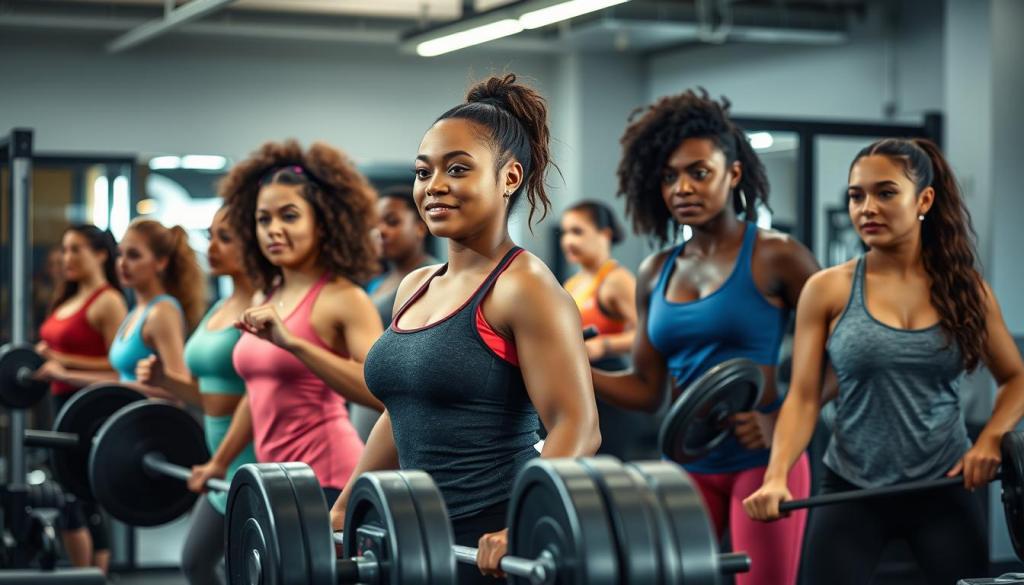
There are many myths about women and weight training. One big myth is that heavy weights will make you bulky. But, this isn’t true for everyone. Women can definitely do weight training and it’s good for them.
Muscle development is key for women’s health. It helps keep bones strong and healthy. Hormones, like testosterone, also help build muscle. Even though women have less testosterone than men, they can still see big gains from weight training.
- Increased muscle mass and bone density
- Improved body composition
- Enhanced metabolic function
- Reduced risk of osteoporosis and other age-related diseases
Women can do the same lifts as men, like squats and deadlifts. Adding weight training to their routine can greatly improve their health and well-being.
Scale Weight vs. Body Composition
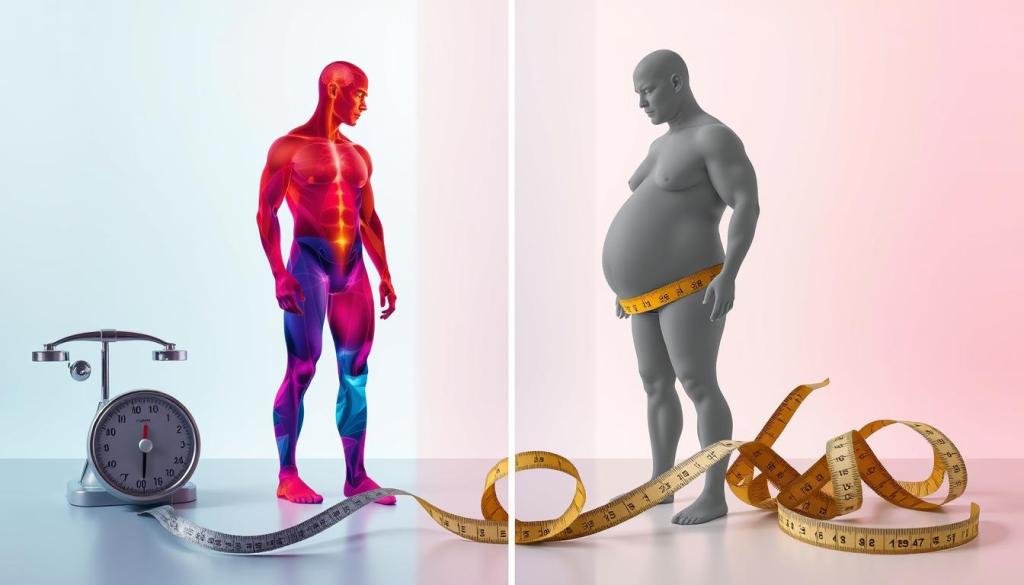
Many people focus on the scale number to track progress. But, this can be misleading. The myth # 2 your weight on the scale not going down means you’re not losing weight is a common mistake. A better measure is body composition, which looks at body fat, muscle, and other tissues.
Your scale weight might not change, but your body composition can. For instance, losing 5 pounds of fat and gaining 5 pounds of muscle keeps your scale weight the same. Yet, your body composition improves. Muscle is heavier than fat but takes up less space, making you look leaner and healthier.
The table below shows the recommended body fat percentages for different ages and genders:
| Age Group | Female | Male |
|---|---|---|
| 20-29 | 16%–24% | 7%–17% |
| 30-39 | 17%–25% | 12%–21% |
| 40-49 | 19%–28% | 14%–23% |
| 50-59 | 22%–31% | 16%–24% |
| 60+ | 22%–33% | 17%–25% |
Understanding body composition is key to tracking progress and achieving a healthy body. By focusing on body composition instead of just scale weight, you get a clearer picture of your progress. This helps you make better choices about your diet and exercise.
The Science Behind Effective Cardio Training
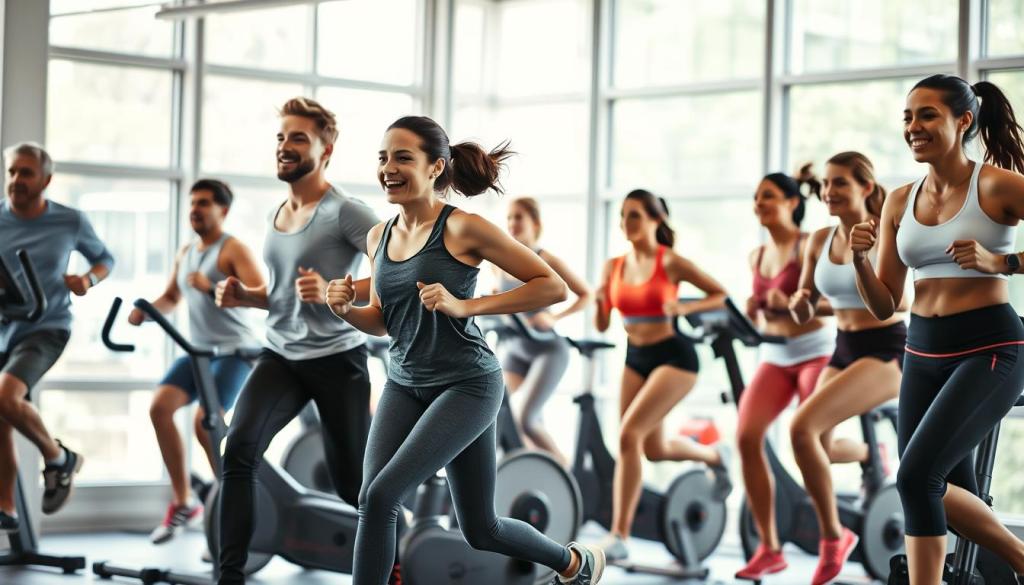
Many think that longer cardio sessions lead to more weight loss. But research shows this isn’t true. What really matters is the quality of your workout, not just how long it lasts. Understanding this balance is key to effective cardio training.
Regular cardio can lower cancer risks, like colon, breast, and endometrial cancers. Doing at least 150 minutes of moderate activity weekly can help. Or, 75 minutes of vigorous activities, like running, is also effective.
Optimal Cardio Approaches for Different Goals
For weight loss, high-intensity interval training (HIIT) might be best. For better heart health, steady-state cardio is better. Remember, diet and nutrition are more important for weight and health than exercise.
Some key points to keep in mind when it comes to cardio training include:
- Regular exercise is associated with reduced risks of several types of cancer
- Engaging in at least 150 minutes of moderate physical activity per week can help lower cancer risks
- Maintaining a healthy weight through exercise can help fight off diseases, including various types of cancer
By understanding the science behind effective cardio training, you can reach your fitness goals. It’s not just about how long you work out. The quality of your exercise matters too. Quality vs. duration is crucial for getting the best from your workouts.
Nutrition and Exercise: Breaking Down the Balance
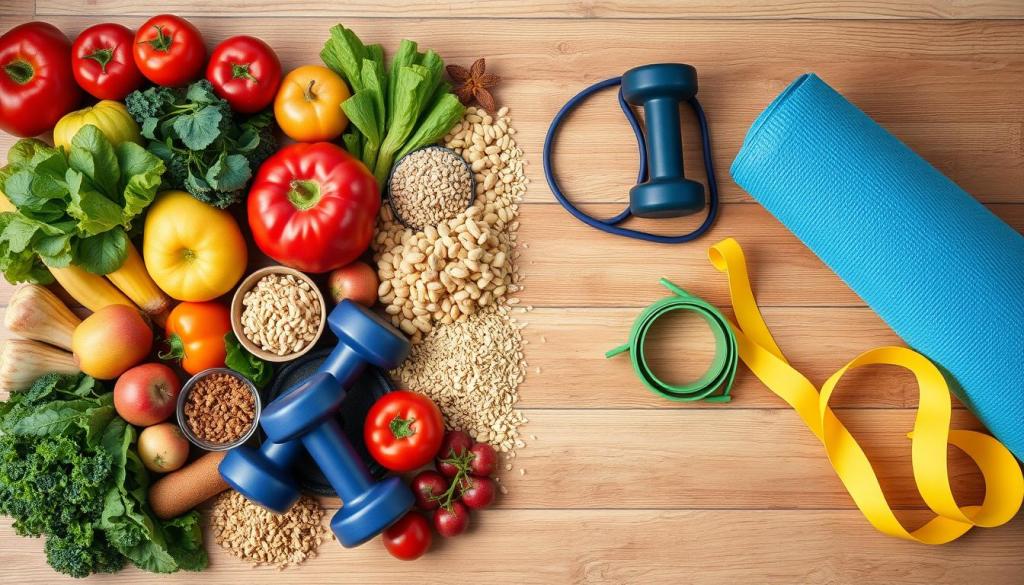
Reaching fitness goals requires both nutrition and exercise. Many think myth # 4 as long as you work out, you can eat whatever you want. But, a bad diet can stop your progress, no matter how much you exercise. It’s key to build sustainable nutrition habits for real results.
To find a balanced way, here are some tips:
- Eat more often, with smaller portions to boost your metabolism
- Choose whole grains, fruits, and veggies for a nutrient-rich diet
- Keep saturated fat under 10% of your daily calories
Remember, nutrition and exercise are both vital. A healthy diet and regular exercise help you reach your fitness goals.
| Nutrition Tip | Exercise Recommendation |
|---|---|
| Eat at least 50% whole grains | Aim for 150 minutes of moderate-intensity physical activity per week |
| Limit saturated fat intake | Engage in muscle-strengthening activities 2-3 days per week |
Rest and Recovery in Fitness Progress

Many think fitness progress comes from just working out. But, rest and recovery are key too. The idea that resting too long will undo your progress is a myth. Really, giving your body time to heal is vital for fitness gains.
Good rest and recovery can lower injury risk, boost muscle growth, and improve performance. For instance, a study showed active recovery doesn’t hurt performance in a 5-km time trial. Sometimes, it even helps your mental health. Plus, sleeping 7-9 hours, like Olympic swimmer Michael Phelps suggests, is crucial for recovery.
Some benefits of rest and recovery are:
- Less muscle soreness
- Better muscle growth
- Improved athletic performance
- Enhanced mental health
Remember, resting too long will undo your progress is a myth. Adding rest and recovery to your routine can actually help your fitness progress. This way, you can reach your goals more effectively.
Exercise During Menstruation: Facts vs. Fiction

Many people think you shouldn’t exercise on your period. But, research shows that exercise can help with menstrual cramps and mood. A 2018 study found that regular exercise for 30 minutes, 3 times a week, for 8 weeks can lessen menstrual pain.
To adapt workouts for your needs during menstruation, try these tips:
- Choose low-intensity activities like yoga or brisk walking to manage symptoms
- Avoid high-intensity workouts during the luteal phase, especially when experiencing PMS symptoms
- Stay hydrated by drinking plenty of water, aiming for at least 8 glasses a day
By understanding your body’s cycles and adapting workouts, you can debunk the myth # 6 you shouldn’t exercise on your period. This way, you can enjoy the benefits of exercise during menstruation, like less cramps and better mood.
Addressing Additional Popular Fitness Myths
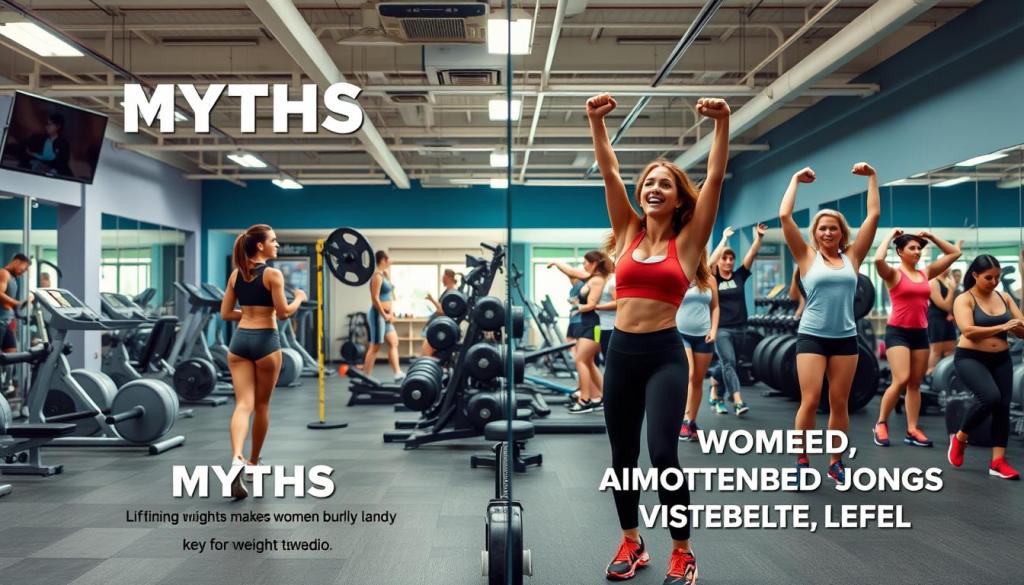
As you keep working on your fitness, it’s key to know what’s real and what’s not. Two myths that can slow you down are spot reduction and the “no pain, no gain” idea. Spot reduction is a myth because you can’t pick where to lose fat. Fat loss happens all over your body, not just in one spot. So, doing lots of crunches won’t make you have a six-pack, and spot training can make you feel discouraged.
The “no pain, no gain” idea is also a myth. It’s true that some discomfort is normal when you start new exercises. But too much pain is not needed to get better. In fact, delayed onset muscle soreness (DOMS) can last up to 48 hours after a workout. It’s not a good sign of a great workout. A good workout plan that mixes cardio and strength training can help you reach your goals without hurting your body.
- Spot reduction is a myth, and fat loss occurs uniformly throughout the body.
- The “no pain, no gain” misconception can lead to injury and discouragement.
- A well-structured workout routine that includes a mix of cardio and strength training can help you achieve your fitness goals.
| Fitness Myth | Reality |
|---|---|
| Spot reduction | Fat loss occurs uniformly throughout the body |
| No pain, no gain | Excessive pain is not necessary for progress |
By knowing these fitness myths and following a balanced workout plan, you can reach your fitness goals and stay healthy. Always listen to your body and don’t hesitate to ask a fitness expert for help if you’re unsure about your workout.
Conclusion: Building a Sustainable Fitness Journey Based on Facts
Starting your sustainable fitness journey means knowing the truth from myths. It’s crucial to use evidence-based fitness information. This way, you can avoid common mistakes and make a fitness plan that fits you perfectly.
Being consistent is vital for a sustainable fitness journey. Short, effective workouts and balanced eating can lead to great results. You don’t need to spend hours or follow strict diets. Focus on recovery, rest, and strategies that work for you.
The key to lasting fitness success is embracing facts over fads. Stay informed, stay consistent, and listen to your body. This approach will not only change your body but also improve your overall health. Start this journey with confidence, knowing the science-backed tips will help you reach your goals.
FAQ
Is it true that using heavy weights will make women bulky?
No, this is a common myth. Women don’t naturally have enough testosterone to get bulky from weight training. Lifting heavy can actually boost strength, bone density, and metabolism.
If the number on the scale isn’t going down, does that mean I’m not losing weight?
No, this is not necessarily true. The scale isn’t the only way to measure progress. Looking at body composition, like muscle to fat ratio, is more accurate. Remember, muscle weighs more than fat.
The longer I do cardio, the more weight I’ll lose, right?
This is a myth. Cardio’s effectiveness for weight loss isn’t just about how long you work out. Intensity, type of cardio, and energy balance matter more. It’s better to mix up your cardio and find the right intensity for your goals.
As long as I work out, I can eat whatever I want and still lose weight, right?
No, this is a common misconception. To reach your fitness goals, you need to balance exercise and nutrition. You can’t just exercise away a bad diet. Eating right, with a balanced, calorie-controlled diet, is key for weight loss and health.
If I rest too long, it will undo all my progress, won’t it?
No, this is not true. Rest and recovery are crucial for fitness success. Adequate rest lets your body repair and build muscle, which is vital for progress. Too much without rest can lead to burnout and injuries, so finding the right balance is important.
Should I avoid exercising on my period?
No, this is a myth. You might need to adjust your workout during your period, but exercise can be good. Listen to your body and do what feels right, rather than avoiding exercise.
Source Links
- 6 exercise myths debunked – https://www.piedmont.org/living-real-change/6-exercise-myths-debunked
- PDF – http://www.northwesternexecutivehealth.com/uploads/1/0/4/3/104373889/6-fitness-myths-debunked.pdf
- 6 Fitness Myths Exposed | Guthrie – https://www.guthrie.org/blog/6-fitness-myths-exposed
- Are you falling victim to these commonly accepted fitness myths? – https://www.nbcnews.com/better/health/5-most-commonly-believed-fitness-myths-are-holding-you-back-ncna837236
- 10 fitness myths that may be holding you back – https://www.communitymedical.org/about-us/newsroom/10-fitness-myths-that-may-be-holding-you-back
- Busting Group Fitness Myths: The Truth Behind Common Misconceptions – https://www.sweatkelowna.com/post/busting-group-fitness-myths-the-truth-behind-common-misconceptions
- 4 myths about lifting weights for women – https://www.bswhealth.com/blog/women-drop-the-pink-dumbbells-and-lift-heavy
- 5 Myths About Women’s Fitness and Training – Busted! | Blog – https://www.therapeuticassociates.com/5-myths-about-womens-fitness-and-training-busted/
- Debunking 10 Fitness Myths: Women and Weightlifting – https://sunnyhealthfitness.com/blogs/health-wellness/women-weightlifting-fitness-myths?srsltid=AfmBOop-M0TreYhLMTK8CttN1YqDp9k5fvmJ1uHa1m4otseOO30ZnNZ9
- Does Muscle Weigh More Than Fat? The Truth About Body Composition – https://www.healthline.com/health/does-muscle-weigh-more-than-fat
- Muscle vs. Fat: Understanding the Real Differences and Why ‘Muscle Weighs More’ is a Myth — Real World Nutrition – https://www.shelleyrael.com/blog/density
- 7 exercise myths debunked – https://www.mdanderson.org/publications/focused-on-health/exercise-myths.h12-1589046.html
- Don’t let these 7 exercise myths fool you – https://www.cspinet.org/article/dont-let-these-7-exercise-myths-fool-you
- Some Myths about Nutrition & Physical Activity – NIDDK – https://www.niddk.nih.gov/health-information/weight-management/myths-nutrition-physical-activity
- Breaking Down Fitness Myths and Misconceptions – https://www.acefitness.org/resources/everyone/blog/6913/breaking-down-fitness-myths-and-misconceptions/?srsltid=AfmBOoqzb2yyk4uJyT3-MAKt_Jg5pNdFHU9hzNKsZa9UkNEnfZ8-_sfx
- Debunking Common Recovery Myths – https://stories.strava.com/articles/debunking-common-recovery-myths
- 6 Workout Recovery Myths, Busted by Pros | Garage Gym Reviews – https://www.garagegymreviews.com/post-workout-recovery-myths
- Exercise during a period: Tips, benefits, and more – https://www.medicalnewstoday.com/articles/326364
- Working Out On Your Period: Debunking the Myths and Facts – https://healthbyscience.co.uk/health/working-out-on-your-period/
- 6 Myths About Periods: Busting the Taboos for a Healthier Conversation – Alliance for Period Supplies – https://allianceforperiodsupplies.org/6-myths-about-periods/
- 10 Common Fitness Myths to Avoid | Integrated Rehab – https://integrehab.com/blog/health-wellness/common-fitness-myths/
- 10 Fitness Myths Debunked » Raffles Rehabilitation Centre, Singapore – https://www.rafflesmedicalgroup.com/health-resources/health-articles/10-fitness-myths-debunked/
- Debunking Common Fitness Myths – https://shop.olivehc.com/blogs/blog/bello-debunking-common-fitness-myths
- Fitness Myths & Facts You Need to Know: Dr. Mike Israetel – https://dr-muscle.com/fitness-myths/
- Debunking Fitness Myths: Get the Facts at Sweat FXBG – https://sweatfxbg.com/blog/busting-common-fitness-myths-get-the-facts-and-improve-your-fitness-journey-at-sweat-fxbg/
- Workout Myths Debunked: Separating Fact from Fiction – Fitness CF St Cloud FL Gym – https://fitnesscfgyms.com/stcloudfl/blog/fitness-tips/workout-myths-debunked-separating-fact-from-fiction/



 trim down and shape up
Leave a comment