



Starting a fitness journey can change your life in many ways. It boosts your physical and mental health. You’ll know you’re burning fat when you can do exercises for longer. You might also find your clothes fit better, showing you’ve lost fat, especially around your waist and hips.
Knowing these signs keeps you motivated to reach your fitness goals. Doing regular workouts, like strength training and cardio, helps burn fat. A healthy diet and regular exercise are key to losing and keeping off weight.
Key Takeaways
- Increased stamina and endurance are signs of effective fat burning, allowing you to complete exercises for longer durations.
- Better-fitting clothes can indicate fat loss, particularly when inches lost around the waist and hips are noticeable.
- Regular exercise, including strength training and aerobic exercise, can help you achieve effective fat burning.
- A healthy lifestyle, including a balanced diet and regular physical activity, is crucial for achieving and maintaining weight loss.
- Monitoring your progress, including tracking your weight and body dimensions, can help you stay motivated and committed to your fitness goals.
- Effective fat burning can lead to improved overall health, including reduced risk of chronic diseases and improved mental health.
- Stable energy levels throughout the day can indicate that your body is efficiently utilizing fat as a fuel source, reducing energy crashes associated with carbohydrate intake.
Understanding the Science of Fat Burning
Exercise is key to fat metabolism. It helps your body use fat for energy. This boosts your athletic performance and health.
High-intensity exercise is great for losing fat. It triggers fat breakdown and stops fat storage. Adding HIIT or intense workouts to your routine can boost fat burning.
Knowing about fat-burning zones is also important. The aerobic zone is good for long workouts. The anaerobic zone is best for quick, intense efforts. Mixing both in your routine can enhance fat metabolism and reach your fitness goals.
Remember, being consistent and patient is crucial. It might take time to see results. But with a good workout plan and healthy diet, you can achieve your goals and keep your body burning fat efficiently.
Increased Heart Rate and Breathing During Exercise
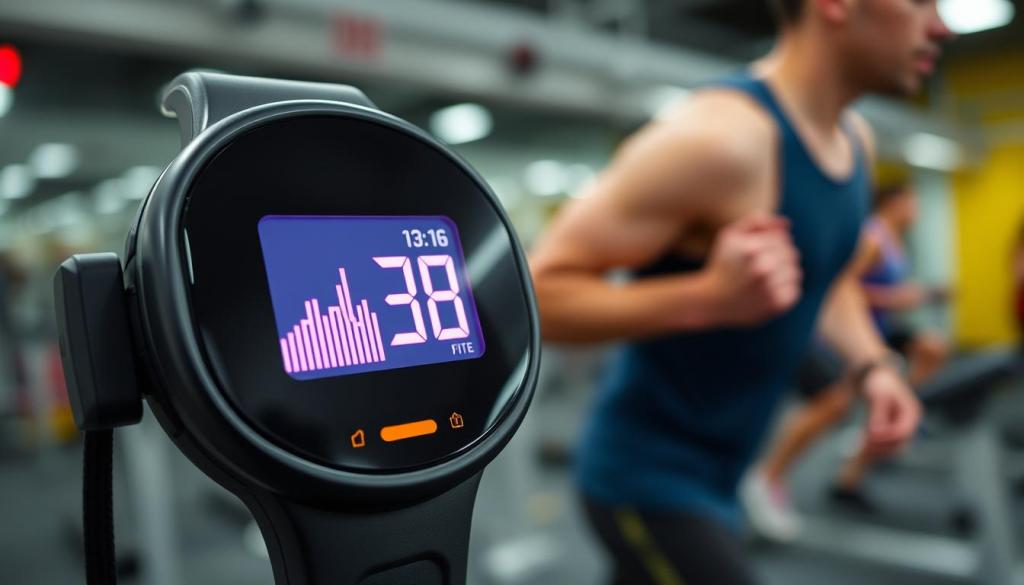
When you exercise, you might notice your heart rate and breathing get faster. This is normal because your body needs more oxygen and nutrients for your muscles. Your heart pumps more blood, and you breathe deeper to get more oxygen.
A study showed that when you burn fat, your energy stays steady. Seeing your heart rate and breathing go up during exercise means you’re burning fat well. It’s key to watch your heart rate and breathing while exercising.
Here are some tips to track your heart rate and breathing during exercise: * Use a heart rate monitor to see your heart rate live. * Focus on your breathing and try to breathe deeply and in sync. * Change how hard you’re exercising based on your heart rate and breathing to burn fat better.
| Exercise Intensity | Heart Rate | Breathing |
|---|---|---|
| Low | 50-60% of maximum | Slow and deep |
| Moderate | 60-70% of maximum | Steady and rhythmic |
| High | 70-80% of maximum | Fast and deep |
Sweating More Than Usual During Workouts

When you exercise, sweating is a natural way for your body to cool down. Your body temperature goes up, and sweat helps lower it. This process is linked to fat loss because your body burns calories to work out.
The harder you work out, the more you sweat and the more calories you burn. This is why intense exercise is good for losing fat.
Knowing how sweating and fat loss are connected can help you get the most out of your workouts. For example, Bikram yoga is very intense and burns a lot of calories. A 90-minute Bikram yoga class can burn up to 460 calories for men and 330 calories for women.
Understanding Different Types of Sweat
There are different kinds of sweat, each helping your body cool down. When you exercise, you sweat a mix of eccrine and apocrine sweat. Eccrine sweat is everywhere on your body, while apocrine sweat is mainly in your armpits and groin.
The Connection Between Sweating and Fat Loss
As you sweat during exercise, you’re not just cooling down. You’re also losing water weight. But this water weight loss is temporary and will be replaced by drinking water.
The real fat loss happens when you burn more calories than you eat. This creates a calorie deficit. Regular exercise and a healthy diet can help you achieve this and lose weight.
To maximize fat loss and stay healthy, drink plenty of water before, during, and after workouts. Aim to drink at least one pint of water for every pound of sweat lost. Also, consider drinking electrolyte-rich beverages to replace lost salts and minerals.
Changes in Your Energy Levels Throughout the Day
When you do regular exercise and focus on fat burning, you might see your energy levels change. Having steady energy levels means your body is using fat well for energy.
Studies show that about 10% of what we eat goes to digesting food. Also, non-exercise activity thermogenesis (NEAT) can burn 100 to 800 calories a day. Adding exercise to your day can up your NEAT and help burn more fat.
Here are some tips to keep your energy levels stable:
- Do regular exercise to boost your metabolism and increase fat burning
- Watch your calorie intake to make sure you get enough energy
- Drink lots of water all day to stay hydrated
By using these tips and adding exercise to your daily life, you can keep your energy levels steady. This helps with your fat burning goals.
| Energy Level | Description |
|---|---|
| High | Engaged in regular exercise and physical activity |
| Stable | Maintaining a balanced diet and meeting daily energy needs |
| Low | Experiencing fatigue and decreased motivation |
Noticeable Improvements in Muscle Definition
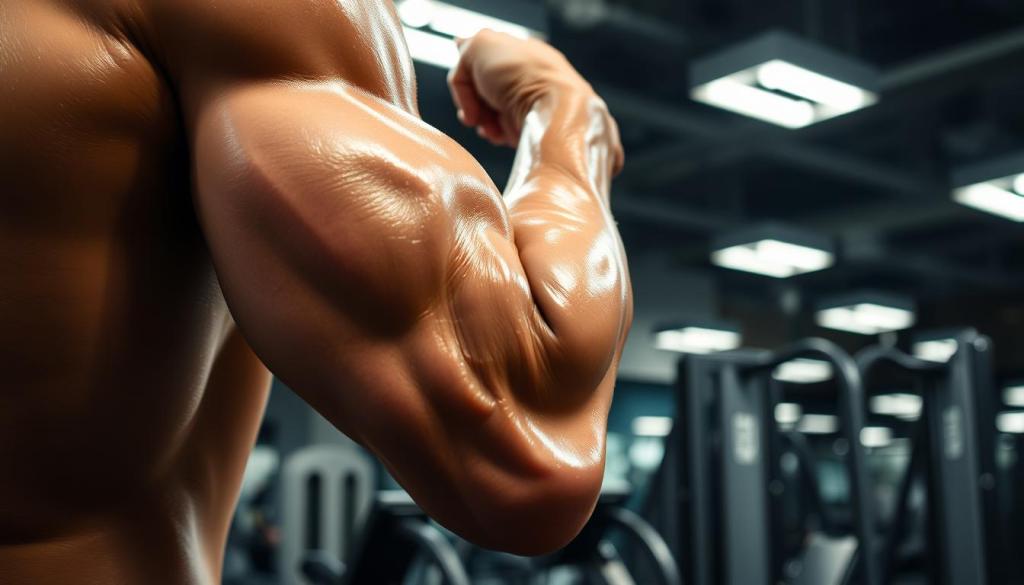
As you get better at fitness, you might see your muscles getting more defined. This means you’re burning fat and growing muscle. With regular workouts and a good diet, you can get a leaner, more toned body.
Building muscle and losing fat go hand in hand. When you have more muscle, you burn more calories, even when you’re not moving. Working out specific muscles, like your arms and legs, can also make them look better.
The Relationship Between Muscle Growth and Fat Loss
Muscle growth and fat loss are connected. Building muscle helps you burn more calories, which can lead to losing fat. To grow muscle and lose fat, mix strength training with cardio and eat well.
Areas Where Definition Appears First
First, you’ll see muscle definition in your arms, legs, and shoulders. These muscles get worked a lot in strength training. As you keep going, you’ll see definition in your core and back too.
To see how you’re doing, take measurements and photos regularly. Use a food diary or app to track your diet and workouts. This helps you see what’s working and what needs more work.
| Muscle Group | Exercise | Frequency |
|---|---|---|
| Arms | Bicep curls, tricep dips | 2-3 times per week |
| Legs | Squats, lunges | 2-3 times per week |
| Shoulders | Shoulder press, lateral raises | 2-3 times per week |
By doing strength training and cardio, and eating right, you’ll see big changes in your muscles. Keep track of your progress, stay on track, and adjust your plan as you go to get the best results.
Better-Fitting Clothes and Body Composition Changes

As you work on losing fat, you might find your clothes fit better. This shows you’re burning fat and changing your body. It’s key to track these changes to keep losing fat effectively.
You can measure these changes by watching your weight, taking body measurements, and using bioelectrical impedance scales. Remember, the scale number doesn’t always show your body fat. You might have a low weight but still have a lot of body fat. Or, you could have a higher weight but more muscle.
Using clothing fit and body measurements can give you a clearer picture. Regularly weighing yourself helps keep your weight loss steady.
Here are some important points to remember when tracking your progress:
- Weight can change daily due to food, water, bathroom use, and water retention.
- When you lose fat and gain muscle, your weight might stay the same but you lose inches.
- Measuring progress with clothing fit and body measurements can give you a better view of body changes.
By focusing on changing your body composition, you can get a leaner, more toned body. This means building muscle and losing fat. As you progress, your clothes will fit better, and you’ll feel more confident.
Stay consistent and don’t hesitate to ask for help if you need it on your fat loss journey.
Enhanced Recovery and Reduced Post-Workout Fatigue

As you keep going on your fat-burning journey, you might see your recovery time get better. You’ll also feel less tired after working out. This shows your body is getting used to the challenges you’re giving it. Eating right is key for recovery, with a mix of carbs, protein, and healthy fats.
Good nutrition helps refill your energy, fix muscles, and keep you healthy. The International Society of Sports Nutrition says eating 20-40 grams of protein every 3-4 hours helps a lot. Also, eating a lot of carbs, about 3.6-5.5 grams per pound of body weight daily, boosts glycogen stores for better recovery.
- Eat a meal with carbs and protein within 1-2 hours after working out
- Drink 10-12 glasses of water a day to stay hydrated
- Add healthy fats like nuts and avocados to your diet
Focus on recovery and nutrition to cut down on post-workout tiredness. This helps support your health and fitness goals. Always listen to your body and tweak your recovery plan as you see fit, based on your own needs and progress.
| Nutrient | Recommended Intake |
|---|---|
| Carbohydrates | 40-60% of daily calories |
| Protein | 20-30% of daily calories |
| Healthy Fats | 10-15% of daily calories |
Decreased Cravings for Processed Foods

As you move forward on your fat loss journey, you might notice you crave processed foods less. This is a good sign. It shows your body is getting used to a healthier diet and lifestyle. Cravings for unhealthy foods can really slow down your weight loss. But, by changing your diet and exercise habits, you can fight these cravings and keep moving forward.
Studies have found that eating more protein can help control cravings. Also, eating more whole foods and fewer processed snacks can keep your blood sugar stable. This helps reduce cravings for unhealthy foods.
Here are some tips to manage cravings:
- Eat regular, balanced meals to avoid extreme hunger.
- Do physical activities, like exercise, to lower stress and anxiety.
- Get enough sleep to control hunger hormones and lessen cravings.
- Stay hydrated to avoid mistaking thirst for hunger.
By using these tips and making lasting lifestyle changes, you can cut down on cravings for processed foods. This will help you stay focused on your fat loss goals.
Recent studies show that over 90% of the world’s population feels food cravings. A big drop in cravings can mean you’re losing fat effectively. Watch your cravings and choose healthy options to boost your fat loss journey and reach your goals.
Improved Sleep Quality and Patterns

As you keep working on burning fat, you might notice better sleep. Fat burning and sleep are linked. When you burn fat well, your body manages energy better, helping you sleep well.
Studies show sleep is key for losing fat. Sleeping less can lead to weight gain. But, enough sleep helps control hunger and metabolism, boosting fat burning. Adults should sleep 7-9 hours a night, with 7.5 hours being best.
To better your sleep for fat loss, try these tips: * Stick to a sleep schedule * Have a calming bedtime routine * Stay away from caffeine and screens before bed * Exercise regularly, but not right before sleeping Making sleep a priority can improve your health and fat loss success.
The Connection Between Fat Burning and Sleep
Fat burning and sleep are closely linked. Sleep lets your body repair and recover, building muscle and boosting metabolism. It also controls hunger and metabolism hormones, like ghrelin and leptin.
Optimal Sleep Patterns for Fat Loss
To sleep well for fat loss, keep a regular sleep schedule and a good sleep environment. Keep your bedroom cool, dark, and quiet. Avoid screens before bed. Prioritizing sleep is crucial for your fat loss journey.
Enhanced Mental Clarity and Mood Stability

As you work on losing fat, you might notice your mind feels clearer and your mood is more stable. Studies show that losing fat can improve your mental state. A study with 92 Hispanic women found that better mental health led to more weight loss.
Eating a balanced diet can boost your brain and mood. For instance, a diet with about 65 grams of fat daily is good for your mental health. Also, eating a healthy breakfast and keeping regular meal times can help keep your mood steady and prevent tiredness.
Here are some tips to help your mental health and fat loss: * Eat a diet with 15-20% protein to help manage mood and lower cortisol. * Include complex carbs, making up 50% of your diet, for brain energy. * Avoid low-fat diets, as they can increase depression. * Stay hydrated and exercise regularly for better mental health and fat loss.
By focusing on your mental health and making smart choices, you can improve your mental clarity and mood. This will help you reach your fat loss goals and improve your overall health.
Measurable Improvements in Cardiovascular Health
As you keep working on losing fat, it’s key to watch your heart health. This is because heart health is a big part of being well. Seeing your heart health get better means you’re burning fat well. By tracking important heart health signs, you can make your heart even healthier.
Important signs of heart health include blood pressure, resting heart rate, and cholesterol levels. Watching these signs helps you see where you can get better. Then, you can change your diet and workout plan to help.
To see how your heart health is doing, try these steps:
- Check your blood pressure and resting heart rate often
- Have your cholesterol checked every year
- Do aerobic exercises like walking or jogging to boost heart health
By changing your lifestyle, like eating healthy and working out, you can lower heart disease risk. This leads to better fat loss and cardiovascular health.
The Role of Consistency in Fat Burning Success

When it comes to fat burning, consistency is key. Studies show that sticking to a regular exercise routine and healthy diet leads to lasting fat burning success. A study with 183 overweight or obese adults found that losing a steady 1 pound a week helped them keep the weight off.
Some important findings from the study include:
- Big weight swings in the first 6-8 weeks were linked to less success in keeping weight off.
- Those who lost weight steadily were more likely to keep it off.
- Strict diets might help you lose weight fast at first, but often lead to overeating and weight gain later.
As you aim for fat burning, remember that consistency is essential. Focus on making lasting lifestyle changes, like regular exercise and healthy eating. Avoid quick fixes and fad diets. This way, you’ll be more likely to reach your fat burning goals and keep a healthy weight.
| Study Findings | Results |
|---|---|
| Weight loss consistency | More likely to maintain weight loss over time |
| Significant weight fluctuations | Reduced long-term weight maintenance |
| Strict dietary methods | Associated with periods of overeating and weight regain |
Consistency is key to fat burning success. By making sustainable lifestyle changes and maintaining a consistent exercise routine, you can achieve long-term fat burning success and maintain a healthy weight.
Conclusion: Maintaining Your Fat-Burning Journey
Reaching your fat-burning goals is just the start. Keeping up a fat-burning lifestyle needs constant effort and commitment. Make sure to include regular exercise in your daily life. Aim for at least 150 minutes of moderate activity each week, as the American Heart Association suggests.
Combine your workouts with a balanced, high-fiber diet. Listen to your body to avoid overtraining or burnout. This way, you can keep your body in top shape.
Fat-burning is a journey, not a one-time goal. Stay true to your health and fitness goals, even when faced with setbacks. With time and effort, you’ll see improvements in your body, energy, and overall health.
Use fitness trackers and get advice from health experts. Surround yourself with people who support your fat-burning journey. This will help you stay on track.
FAQ
What are the signs that indicate effective fat burning during a workout?
Signs of effective fat burning include better stamina and endurance. You might notice your clothes fitting better. Improved sleep quality and muscle definition are also signs.
Reduced cravings for unhealthy foods and enhanced recovery are key. Stable energy levels and positive body changes are important too. Improved heart health and mood can also indicate fat burning.
How does the body mobilize fat for energy, and what is the role of exercise in fat metabolism?
The body breaks down fat for energy through fat metabolism. Exercise increases the body’s energy demand. This triggers the use of fat as a primary fuel, leading to better fat burning.
How can increased heart rate and breathing during exercise indicate effective fat burning?
Increased heart rate and breathing show effective fat burning. As the body works harder, it uses fat more. This leads to these changes.
What is the relationship between sweating and fat loss, and how can it be optimized?
Sweating is a sign of fat burning. The body uses sweat to cool down and remove waste. Different sweat types show how well the body is burning fat. Exercise and staying hydrated can improve sweating and fat loss.
How can monitoring energy levels throughout the day help optimize fat burning?
Stable energy levels show effective fat burning. The body uses fat consistently as fuel. Watching energy levels and adjusting exercise and diet can help keep energy stable and burn fat better.
How can increased muscle definition be a sign of effective fat burning?
Muscle definition shows fat burning. As fat is lost, muscles become more visible. The first areas to show definition and how fast can reveal how well you’re burning fat.
How can better-fitting clothes and changes in body composition indicate effective fat burning?
Better-fitting clothes and body changes show fat loss. As fat is lost and muscle is gained, clothes fit better. Watching these changes can show how well you’re burning fat and reaching fitness goals.
How can enhanced recovery and reduced post-workout fatigue be signs of improved fat-burning efficiency?
Better recovery and less fatigue show improved fat burning. The body becomes more efficient at using fat for fuel. Proper nutrition and exercise help improve recovery and reduce fatigue, enhancing fat burning.
How can decreased cravings for processed foods be a sign of effective fat burning?
Less craving for processed foods shows fat burning. As the body uses fat more, it needs less quick carbs. This indicates successful fat burning efforts.
How can improved sleep quality and patterns contribute to effective fat burning?
Good sleep is key for fat burning. Better sleep patterns help the body use fat for fuel. This leads to more effective fat loss.
How can enhanced mental clarity and mood stability be signs of effective fat burning?
Better mental clarity and mood show fat burning. Using fat for fuel increases energy and focus. This improves mental state and mood.
How can measurable improvements in cardiovascular health be linked to effective fat burning?
Better heart health shows fat burning. Lower heart rate, better blood pressure, and endurance are signs. Using fat for fuel improves the heart.
How important is consistency in achieving long-term fat-burning success?
Consistency is key for long-term fat burning. Regular exercise and a balanced diet lead to lasting fat loss. This improves health and fitness.
Source Links
- 10 Signs You’re Effectively Burning Fat While Working Out – https://www.eatthis.com/signs-youre-burning-fat-while-working-out/
- 5 Signs You Are Burning Fat While Exercising – https://bodynetwork.com/fitness-nutritionist-guide-fat-burn-signs-during-exercise/
- 10 Signs of Weight Loss to Look for – https://www.healthline.com/health/weight-loss/signs-of-weight-loss
- Scientific Challenges on Theory of Fat Burning by Exercise – https://pmc.ncbi.nlm.nih.gov/articles/PMC8290478/
- Physiological process of fat loss – Bulletin of the National Research Centre – https://bnrc.springeropen.com/articles/10.1186/s42269-019-0238-z
- Weight loss and exercise training effect on oxygen uptake and heart rate response to locomotion – https://pmc.ncbi.nlm.nih.gov/articles/PMC3664274/
- What to Know: Heart Rate for Fat-Burning Vs. Cardio – https://www.webmd.com/fitness-exercise/what-to-know-heart-rate-fat-burning-cardio
- The Truth of the Fat Burning Zone: What is the Best Heart Rate to Lose Fat? – https://www.mountelizabeth.com.sg/health-plus/article/fat-burning-zone-heart-rate-to-lose-fat
- Does Sweating Burn Calories? – https://www.healthline.com/health/does-sweating-burn-calories
- The relation between sweat rate and weight loss when sweat is dripping off the body – https://pmc.ncbi.nlm.nih.gov/articles/PMC1351439/
- Can you boost your metabolism? – https://www.mayoclinic.org/healthy-lifestyle/weight-loss/in-depth/metabolism/art-20046508
- How Your Body Fights Weight Loss – https://www.nm.org/healthbeat/healthy-tips/how-your-body-fights-weight-loss
- 10 Signs of Gaining Muscle and Losing Fat | Spren – https://www.spren.com/blog/10-signs-of-gaining-muscle-and-losing-fat
- Recognizing the Signs of Gaining Muscle and Losing Fat – https://zozofit.com/blogs/news/recognizing-the-signs-of-gaining-muscle-and-losing-fat?srsltid=AfmBOopr-WYxVvdUr5VE2PF9LotTO7dslh1kJoCCh6y8NW4NuqQi24K5
- Do you need to work out all the time to get more muscle definition? – https://www.nbcnews.com/better/lifestyle/how-get-more-muscle-definition-what-you-should-know-about-ncna1076431
- Are You Losing Inches But Not Losing Weight? – https://www.verywellfit.com/losing-inches-but-not-losing-weight-1231559
- Losing Inches but Not Weight? What to Do – https://www.healthline.com/nutrition/losing-inches-but-not-weight
- Lose Weight and Gain Lean Muscle at the Same Time With This Effective Strategy – https://www.cnet.com/health/fitness/lose-fat-and-gain-muscle-at-the-same-time-with-this-strategy/
- Post-Workout Muscle Recovery: How to Let Your Muscles Heal and Why – https://www.everydayhealth.com/fitness/post-workout-muscle-recovery-how-why-let-your-muscles-heal/
- How to Avoid Fatigue from Working Out – https://www.hss.edu/article_fatigue-from-working-out.asp
- Post-Workout Nutrition – https://www.healthline.com/nutrition/eat-after-workout
- 12 Effective Ways to Manage Food Cravings – https://www.healthline.com/nutrition/how-to-stop-food-cravings
- Cravings – https://nutritionsource.hsph.harvard.edu/cravings/
- Regulating Food Craving: From Mechanisms to Interventions – https://pmc.ncbi.nlm.nih.gov/articles/PMC7321886/
- Sleep Deprivation: Effects on Weight Loss and Weight Loss Maintenance – https://pmc.ncbi.nlm.nih.gov/articles/PMC9031614/
- Sleep and Weight Loss – https://www.sleepfoundation.org/physical-health/weight-loss-and-sleep
- Relationship Between Sleep Quality and Quantity and Weight Loss in Women Participating in a Weight-Loss Intervention Trial – https://pmc.ncbi.nlm.nih.gov/articles/PMC4861065/
- Association of changes in mental health with weight loss during intensive lifestyle intervention: does the timing matter? – https://pmc.ncbi.nlm.nih.gov/articles/PMC5893461/
- The link between nutrition and your mental health – https://www.gundersenhealth.org/health-wellness/eat-move/the-link-between-nutrition-and-your-mental-health
- Weight Change, Psychological Well-Being, and Vitality in Adults Participating in a Cognitive-Behavioral Weight Loss Program – https://pmc.ncbi.nlm.nih.gov/articles/PMC4733266/
- Impact of Lifestyle Modifications on Cardiovascular Health: A Narrative Review – https://pmc.ncbi.nlm.nih.gov/articles/PMC10460604/
- Effects of Exercise to Improve Cardiovascular Health – https://pmc.ncbi.nlm.nih.gov/articles/PMC6557987/
- What Is Cardiovascular Endurance? – https://www.webmd.com/fitness-exercise/what-is-cardiovascular-endurance
- When it comes to weight loss, consistency may be key to success – https://www.cbsnews.com/news/weight-loss-consistency-is-key-to-success-study/
- Dieting: Success Depends on Calories and Consistency : USDA ARS – https://www.ars.usda.gov/news-events/news/research-news/2006/dieting-success-depends-on-calories-and-consistency/
- Consistency is key for weight loss, study says | CNN – https://www.cnn.com/2017/08/28/health/weight-loss-consistency-study/index.html
- Role of Physical Activity for Weight Loss and Weight Maintenance – https://pmc.ncbi.nlm.nih.gov/articles/PMC5556592/
- Successful weight loss: 10 tips to lose weight – https://www.medicalnewstoday.com/articles/303409

 trim down and shape up
Leave a comment