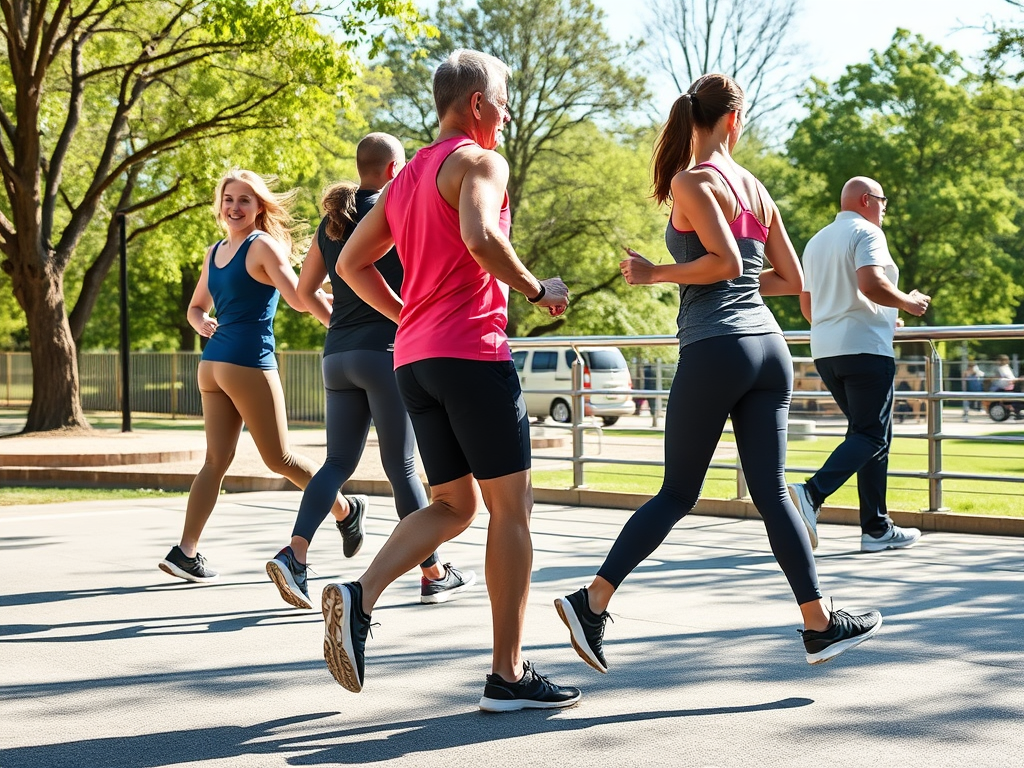


Walking backwards, or retro walking, has many benefits backed by research. It can boost flexibility, strength, and brain health. This exercise can be part of physical therapy or your regular workout routine. It targets muscles like the quadriceps and gluteal muscles, making them stronger.
You can walk backwards with handrails or on a treadmill. But, always think about safety, especially if you’re doing it alone.
Key Takeaways
- Walking backwards can improve flexibility, strength, and brain health by working different muscles to improve their strength.
- The quadriceps and gluteal muscles are particularly engaged when walking backwards, which can help improve their strength and endurance.
- Walking backwards can help improve balance, cardiovascular health, and cognitive function.
- Incorporating backward walking into your fitness routine can potentially benefit those in rehabilitation programs.
- Research shows that engaging in backward walking can stimulate the prefrontal cortex, which is related to problem-solving, memory processing, and decision-making.
- Walking backwards requires less range of motion at the hip and knee joint than forward walking, potentially reducing stress on the knee joint.
- Studies indicate that practicing backward walking can enhance balance and coordination due to the challenge it poses to proprioception and the inner ear.
Understanding Retro Walking: A Revolutionary Fitness Trend
Retro walking, or walking backwards, has been around for centuries. It’s used in exercise and physical therapy. This simple change in direction can significantly impact your muscles and benefits.
Engaging your hamstrings, anterior tibialis, and posterior tibialis muscles can improve balance and flexibility. Experts say retro walking is great for improving health and fitness. It strengthens your lower body, improves balance, and reduces injury risk.
Some benefits of retro walking include:
- Improved balance and coordination
- Increased strength in the hamstrings, glutes, and calves
- Enhanced agility and reaction time
- Reduced joint stress and strain
Retro walking is more than just a simple change in direction. It’s a revolutionary fitness trend that can greatly impact your health and well-being. With its rich history and modern applications, it’s an excellent way to improve balance, strengthen muscles, and enhance fitness.
Adding retro walking to your daily routine can bring many benefits. It’s great for improving balance, strengthening muscles, or trying something new. So, why not give it a try and see the difference it can make in your life?
The Science Behind Walking Backwards

Walking backwards works different muscles and burns more energy than walking forward. This can help you burn more calories per minute, aiding in weight loss and improving heart health. Studies show that backward walking has a metabolic equivalent of task (MET) rating of about 6 METs. This means it requires more energy and burns more calories than walking forward.
Regular backward walking boosts cardio fitness by raising your heart rate and improving blood flow. It also works more gluteal muscles, quadriceps, and hip flexors than regular walking. This can help avoid injuries from repetitive motions.
Some benefits of backward walking include:
- Improved balance due to the increased demand for body stability
- Enhanced posture by promoting an upright stance
- Increased strength in the quadriceps, glutes, and hip flexors
Incorporating backward walking into your fitness routine offers many health benefits. It helps you burns more calories per minute and builds cardio fitness. Adding it to your workout routine is a great idea.
| Benefits of Backward Walking | Description |
|---|---|
| Improved Balance | Increased demand for body stability |
| Enhanced Posture | Promoting an upright stance |
| Increased Strength | Engaging more gluteal muscles, quadriceps, and hip flexors |
Muscle Engagement and Strength Benefits

Walking backwards can greatly improve muscle strength and engagement. Your quadriceps and hamstrings work harder, boosting their strength and endurance. This exercise also improves flexibility and balance, lowering injury risks. Regular walking backwards can improve mobility, making it a great fitness addition.
Walking backwards offers several key benefits:
- Improved knee health and overall joint health
- Enhanced balance and coordination
- Increased strength in the quadriceps, hamstrings, and glutes
- Potential cognitive benefits, as it works the brain to challenge normal movement patterns
Adding walking backwards to your fitness routine can bring these benefits to life. Begin with short sessions, 5-10 minutes, three times a week. As you get more comfortable, increase the duration and frequency.
| Benefit | Description |
|---|---|
| Improved flexibility | Walking backwards can help improve flexibility and range of motion |
| Increased strength | Regular practice can increase strength in the quadriceps, hamstrings, and glutes |
| Cognitive benefits | Walking backwards can challenge normal movement patterns, potentially improving cognitive function |
Enhanced Calorie Burning and Weight Management
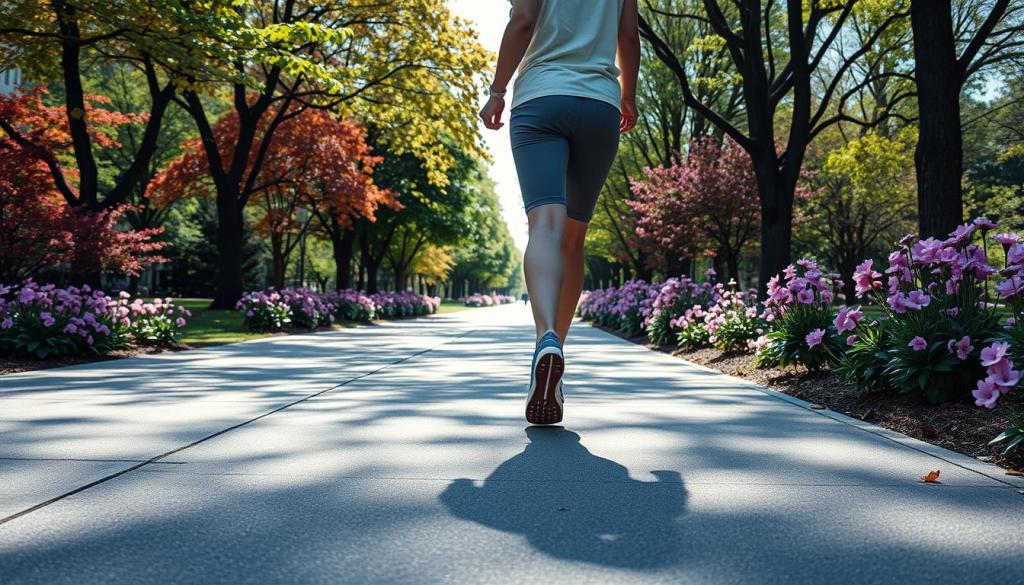
Walking backwards can help you burn more calories and manage your weight. It burns more calories per minute than walking forward. This exercise is also good for the knees, as it reduces the impact on the joint and can help improve balance.
Some of the benefits of walking backwards include:
- Increased calorie burn due to the increased difficulty of the movement
- Improved cardiovascular fitness and coordination
- Enhanced strength and flexibility in the legs and glutes
- Potential reduction in knee pain and discomfort
Research shows walking backwards can burn up to 25% more calories than walking forward. It’s great for weight management. It also helps improve balance and reduces the risk of falls, which is good for older adults or those with mobility issues.
Incorporating walking backwards into your fitness routine offers many benefits. It boosts calorie burning and weight management. It also improves balance and coordination. Its low-impact nature makes it perfect for those with knee issues, offering a great alternative to traditional forward walking.
| Benefits of Walking Backwards | Description |
|---|---|
| Calorie Burn | Up to 25% more calories burned than walking forwards |
| Cardiovascular Fitness | Improved heart health and increased coordination |
| Muscle Strength and Flexibility | Enhanced strength and flexibility in the legs and glutes |
Balance and Coordination Improvements

Walking backwards can greatly improve balance and coordination. It engages different muscles and uses more energy. This helps improve how well you sense your body’s position and movement.
This, in turn, improves mobility and lowers the chance of falling. Research shows that walking backwards strengthens back muscles and increases hamstring strength and flexibility. It also improves balance and posture.
It can also ease lower back pain because it’s gentler on knee and hip joints. If you have health conditions or mobility issues, talk to a healthcare professional before starting.
However, some people should avoid walking backwards. This includes those with severe balance or coordination problems, or certain eye or ear issues. It’s important to think about the benefits and risks before adding it to your workout routine.
- Enhance quadricep strength
- Increase energy expenditure
- Improve gait, speed, and balance during forward walking
- Ease lower back pain
Walking backwards can be a great addition to your fitness routine. It offers many benefits for balance and coordination. Knowing who should walk backwards and who should avoid it helps you decide if it’s right for you.
| Benefit | Description |
|---|---|
| Improved balance and coordination | Enhanced proprioception and reduced risk of falls |
| Increased energy expenditure | Higher caloric burn compared to forward walking |
| Strengthened back muscles | Improved posture and reduced lower back pain |
Joint Health and Flexibility Advantages

Walking backwards can greatly improve your joint health and flexibility. It reduces the impact on your joints and boosts balance and coordination. This can help ease joint pain and lower injury risks. It’s important to start slowly and gradually increase the time and frequency of walking backwards.
Research shows that walking backwards can alter how you walk, reducing knee and joint pressure. This is great for people with osteoarthritis or past injuries. It also improves balance, strength, and flexibility, lowering the chance of falls and fractures.
To begin walking backwards, start with 10-minute sessions, three times a week. Move at a slow pace, about one-half mile per hour, and increase speed and time as you get more comfortable. Always prioritize your safety and learn how to safely add walking backwards to your routine.
Walking backwards offers many benefits, including:
- Improved balance and coordination
- Reduced joint pain and inflammation
- Increased strength and flexibility
- Enhanced cognitive function and spatial awareness
By adding walking backwards to your routine, you can enjoy these benefits and improve your health and wellbeing. So, why not give it a try and see the advantages for yourself?
Cognitive Benefits of Walking Backwards

Walking backwards can greatly improve your brain function. It engages different muscles and uses more energy. This can stimulate your brain and enhance mental focus.
Some key benefits of walking backwards include:
- Brain stimulation effects: Walking backwards can help stimulate the brain, leading to improved cognitive function and a reduced risk of age-related cognitive decline.
- Mental focus enhancement: The physical activity of walking backwards can help improve mental focus and concentration, making it easier to stay focused and alert.
- Memory improvement potential: Walking backwards can help improve memory and cognitive function, which can be beneficial for overall health and well-being.
By adding backward walking to your routine, you can see its benefits. It strengthens different muscles and boosts your brain power. Regular practice can lead to better cognitive function, lower risk of cognitive decline, and better overall health.
| Benefit | Description |
|---|---|
| Improved cognitive function | Walking backwards can help stimulate the brain, leading to improved cognitive function and a reduced risk of age-related cognitive decline. |
| Enhanced mental focus | The physical activity of walking backwards can help improve mental focus and concentration, making it easier to stay focused and alert. |
| Memory improvement | Walking backwards can help improve memory and cognitive function, which can be beneficial for overall health and well-being. |
Safety Guidelines and Precautions
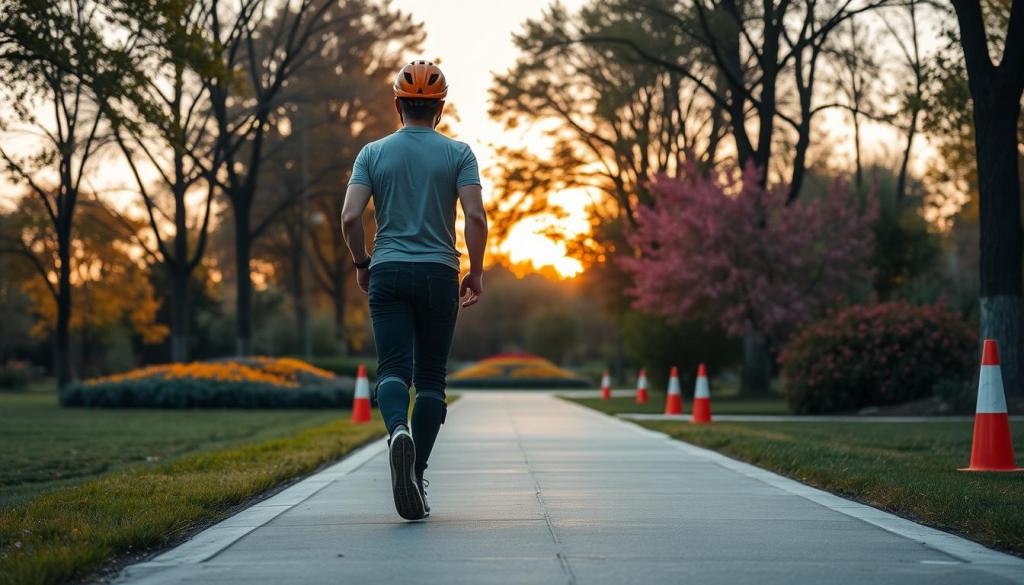
When walking backwards, safety is key to avoid injuries. It’s important to use your quadriceps, gluteal muscles, and hamstrings. This helps keep you balanced and stable.
Choose a safe place with no obstacles or tripping hazards to start. Avoid busy areas or places near stairs. Always warm up before starting any exercise, including backward walking.
- Start with slow and short intervals to build strength and coordination
- Use handrails for support, especially on treadmills or stairs
- Avoid walking backwards in low-light areas or near obstacles
- Engage your core and maintain good posture to reduce the risk of injury
By following these safety tips, you can enjoy the benefits of backward walking safely. Always listen to your body and stop if you feel any discomfort or pain.
Incorporating Backward Walking Into Your Fitness Routine
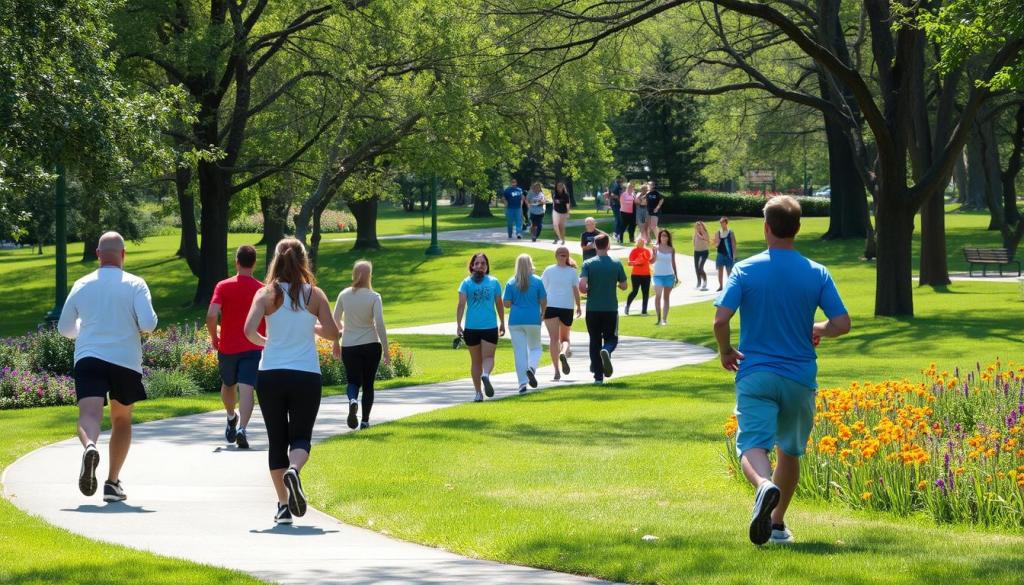
Adding backward walking to your fitness routine can greatly improve your health and fitness. It works different muscles to boost their strength. Walking backwards can also enhance your balance and help with back pain.
A study in the International Journal of Exercise Science showed that backward walking improves hamstring flexibility. It found that just 10 to 15 minutes a day, four times a week, can make a big difference. Another study in the Journal of Exercise Physiology found that college athletes who walked backwards for 15 minutes, three times a week, felt less back pain. Start by doing backward walking two to three times a week for 5 to 10 minutes.
- Start with short sessions and gradually increase the duration and intensity
- Focus on proper form and technique to avoid injury
- Incorporate backward walking into your routine alongside other forms of exercise for optimal fitness benefits
By following these tips, you can enjoy the many benefits of backward walking. These include improved strength, flexibility, and balance.
Conclusion: Making Backward Walking Work for You
Walking backwards can greatly benefit your health and fitness. It works different muscles and improves balance and coordination. Studies show it can burn more calories, enhance balance, and even help with knee pain.
To get the most out of backward walking, add it to your workout routine a few times a week. Begin with short sessions and gradually increase the time and effort. Always choose a safe area and stay alert to avoid accidents. With practice, you’ll see the benefits of this unique exercise.
FAQ
What are the benefits of walking backwards?
Walking backwards, or retro walking, boosts muscle strength and flexibility. It also improves balance and heart health. Plus, it sharpens your mind.
How does walking backwards work different muscles?
Walking backwards targets the quadriceps, gluteal muscles, and hamstrings more than walking forward. This strengthens these muscles.
Can walking backwards help with weight loss and calorie burning?
Yes, walking backwards burns more calories than walking forward. It’s great for losing weight and managing it. It’s also easier on the knees.
How does walking backwards improve balance and coordination?
Walking backwards boosts your body’s sense of position and movement. It also sharpens your balance and coordination. This helps prevent falls.
What are the safety considerations for walking backwards?
Choose a safe place and walk correctly. Avoid it if you have health issues. Focus on using your quadriceps, gluteal muscles, and hamstrings.
How can I incorporate walking backwards into my fitness routine?
Begin with short walks and gradually add more time and effort. Mix it into your usual walks or do it alone for extra benefits.
Who should avoid walking backwards?
People with balance or mobility problems, recent injuries, or health issues should be cautious. Always check with a doctor before starting new exercises.
How does walking backwards improve cognitive function?
Walking backwards challenges your brain, improving focus and memory. It requires more mental effort to move in reverse.
Source Links
- 8 Ways Walking Backwards Can Improve Your Health – https://www.verywellhealth.com/walking-backwards-8771760
- Why walking backwards can be good for your health and brain – https://www.bbc.com/future/article/20231110-why-walking-backwards-can-be-good-for-your-health-and-brain
- 8 Benefits of Walking Backward, According to Experts | Well+Good – https://www.wellandgood.com/benefits-of-walking-backward/
- Is Walking Exercise? A Closer Look at the ‘Hot Girl Walk’ Trend – https://www.cnet.com/health/fitness/is-walking-exercise-hot-girl-walk-trend/
- Revealing 8 Therapeutic Backwards Walking Benefits With Best Variations! – https://toneopfit.com/blogs/therapeutic-backwards-walking-benefits
- 5 Unexpected Benefits of Walking Backward – https://health.clevelandclinic.org/benefits-of-walking-backwards
- Walking Backward Can Improve Joints, Arthritis and Overall Health – https://www.scientificamerican.com/article/walking-backward-can-improve-joints-arthritis-and-overall-health/
- People Are ‘Retro Walking’ & Swear by the Benefits: ‘My Posture Is Now Nearly Perfect’ – https://www.eatthis.com/retro-walking-benefits/
- TikTok’s Walking Backward Trend May Help You Lose Weight, Tone Muscle – https://www.healthline.com/health-news/walking-backward-tiktok-trend-benefits
- Boost Balance and Leg Strength by Walking Backwards – https://altayba.ae/blogs/healthtips/walk-backwards-to-enhance-balance-and-leg-strength?srsltid=AfmBOopZGkiDPMz6_8RmUG_N-7H0TWqNEDr818-GhluRd07VqjbBj3gW
- Walking backward may be the best exercise you aren’t doing. Here’s why – https://www.today.com/health/diet-fitness/walking-backward-rcna159221
- Walking Backward: Benefits for Mind and Body – https://www.healthline.com/health/fitness-exercise/walking-backwards
- Retro walking: Why should it be part of your weight-loss routine? – https://www.onmanorama.com/lifestyle/health/2024/06/30/retro-walking-backward-weight-loss-routine-benefits.html
- Walking backward may have link to increased cognition – https://www.uclahealth.org/news/article/walking-backward-may-have-link-increased-cognition
- Backward walking – Fitness fad or balance hack? – College of Health and Human Sciences – https://chhs.source.colostate.edu/backward-walking-fitness-fad-or-balance-hack/
- The Benefits of Walking Backward | Atlantic Health – https://ahs.atlantichealth.org/about-us/stay-connected/news/content-central/2024/the-benefits-of-walking-backward.html
- Walking Backwards—Is It a Leap Forward for Healthy Aging? – Unlocking Insights – Explore Our Articles – https://www.insidetracker.com/a/articles/walking-backwardsis-it-a-leap-forward-for-healthy-aging
- Even if you can’t hit 10,000 steps a day, walking has many health benefits | CBC News – https://www.cbc.ca/news/health/walking-health-benefits-1.7382192
- Retro walking — or going backward — is good for you, experts say | CNN – https://www.cnn.com/2023/11/03/health/retro-walking-backward-exercise-wellness/index.html
- Sharpen the Brain: Try Retro Walking – Apollo Health – https://www.apollohealthco.com/sharpen-the-brain-try-retro-walking/
- JNPT-D-16-00166 – https://rehabsci.phhp.ufl.edu/files/2018/08/Rose_JNPT_2018.pdf
- Should You Start Walking Backwards? – https://blog.o2fitnessclubs.com/walking-backwards-on-treadmill
- Walk your way to fitness – https://www.mayoclinic.org/healthy-lifestyle/fitness/in-depth/walking/art-20046261
- Is Retro Walking The Best Workout You’re Not Doing? Physical Therapists Weigh In – https://www.womenshealthmag.com/fitness/a63024025/retro-walking/
- Why Backward Walking Should Be Part of Your Workout Routine – https://www.popsugar.com/fitness/backward-walking-benefits-49277301
- Reverse your way to better health with backward walking – Happiest Health – https://www.happiesthealth.com/articles/fitness/backward-walking
- Therapeutic efficacy of walking backward and forward on a slope in normal adults – https://pmc.ncbi.nlm.nih.gov/articles/PMC4932084/
- Are there health benefits to walking backward? Here’s an explanation – https://www.kcra.com/article/health-benefits-walking-backward/61831689
- Backward Walking Training Impacts Positive Effect on Improving Walking Capacity after Stroke: A Meta-Analysis – https://pmc.ncbi.nlm.nih.gov/articles/PMC8956083/



 trim down and shape up
Leave a comment