


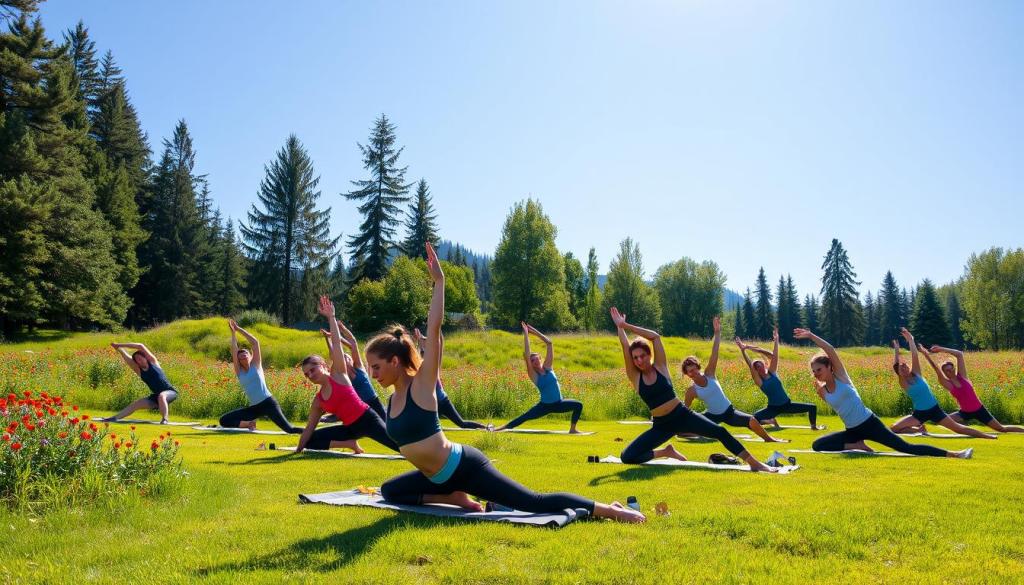
Starting your fitness journey? Knowing about mobility and stretching is key. Flexibility isn’t just about looking good or being athletic. It helps prevent injuries, boosts performance, and improves overall health. Adding stretching to your routine can make your workouts better and help with daily tasks.
Focus on flexibility and mobility to move better and avoid injuries. Stretching regularly can make you more flexible. It also gets your body ready for hard workouts by improving blood flow. Embracing stretching and mobility can bring many physical benefits.
Key Takeaways
- Regular stretching can improve flexibility and reduce muscle stiffness
- Dynamic stretching enhances mobility and increases blood flow before workouts
- Static stretching improves flexibility and muscle recovery post-exercise
- Consistent integration of mobility and stretching can increase range of motion and reduce injuries
- Stretching can prevent injury, relax muscles, and increase range of motion in joints
- Proper flexibility improvement includes stretching before and after workouts and conducting mobility exercises twice a week
Understanding the Foundation of Flexibility and Mobility
When you start getting into fitness, it’s key to know the difference between flexibility and mobility. Flexibility is about how far you can move a joint. Mobility is about how well your muscles and joints work together to move smoothly. Knowing this helps athletes train better and avoid injuries.
Stretching regularly, at least three times a week, boosts flexibility. This means you can move better in sports. Mobility is also vital for athletes to move well and heal fast after working out. It helps with posture and reduces the chance of getting hurt.
Defining Flexibility vs. Mobility
Flexibility lets you stretch passively to move more. Mobility is about actively moving through those ranges, combining strength and flexibility. Stretching over time makes you more flexible, helping you recover faster and avoid injuries.
The Role of Stretching in Physical Fitness
Stretching is key for fitness because it boosts flexibility and eases soreness. Holding stretches for up to two minutes is best for flexibility. Strength training, or ‘loaded stretching’, also improves both strength and flexibility.
Effective strength training can make you more flexible and control basic movements better. This includes squatting, bending, pushing, and pulling.
| Benefits of Flexibility and Mobility | Description |
|---|---|
| Improved Performance | Flexibility and mobility can lead to improved performance in physical activities |
| Injury Prevention | Good mobility positively impacts posture and alignment, reducing the risk of chronic pain and injury |
| Daily Functionality | Enhanced mobility simplifies tasks like bending, reaching, and twisting |
The Science Behind Stretching and Muscle Adaptation
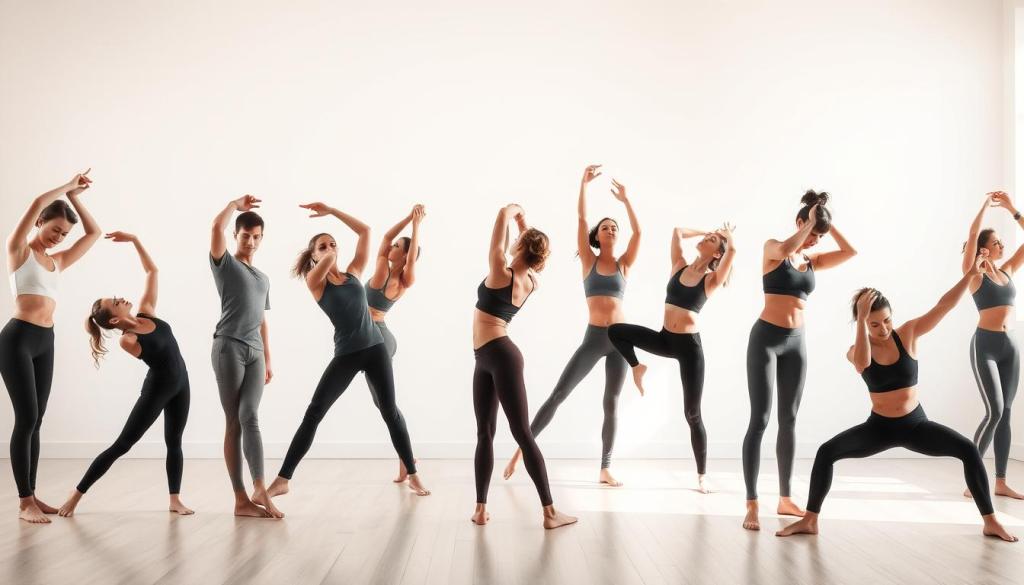
Exploring flexibility and mobility means understanding stretching and muscle adaptation. Types of stretching are key, with static and dynamic stretching being common. Static stretching holds a stretch for 15 to 30 seconds to lengthen muscles and reduce stiffness. Dynamic stretching uses controlled movements to prepare the body for intense activities.
Studies show static stretching increases joint range of motion, especially in 15 to 30 seconds. Dynamic stretching boosts blood flow and muscle temperature, preparing the body for hard activities. Static stretching improves muscle extensibility and joint range, while dynamic stretching enhances mobility and blood flow.
Knowing the difference between static and dynamic stretching is important. Static stretching is great for flexibility and reducing stiffness. Dynamic stretching prepares the body for physical activities. Mixing both static and dynamic stretching in your routine boosts flexibility, range of motion, and athletic performance.
Types of Stretching: Finding Your Perfect Match

Understanding the different types of stretching is key to improving your flexibility. It helps you find what works best for you. This way, you can tailor your stretching routine to fit your needs.
Each stretching method has its own benefits. For example, dynamic stretching is perfect for warm-ups. It prepares your body for more intense activities by moving your joints and muscles.
Dynamic Stretching Techniques
Dynamic stretching gets your body ready for exercise. It increases blood flow, reduces muscle tension, and boosts flexibility. Leg swings, arm circles, and hip rotations are great examples.
Static Stretching Methods
Static stretching involves holding a stretch for a long time. It’s best done after your muscles are warm. This type of stretching improves range of motion and reduces soreness.
PNF and Assisted Stretching Options
PNF and assisted stretching can also help you reach your flexibility goals. PNF stretching involves contracting a muscle before relaxing. Assisted stretching uses an external force to deepen the stretch. These methods are great for those who need extra help or want to target specific areas.
Essential Benefits of Regular Flexibility Training

As you keep moving forward in your fitness journey, it’s key to see why regular flexibility training matters. Adding stretching to your routine boosts your physical abilities and lowers injury risks. This can make you feel better overall and cut down on injuries.
Regular stretching also helps you move better, makes muscles less stiff, and boosts your overall health.
Some major perks of regular flexibility training are:
- Improved flexibility, leading to more joint movement
- Lower injury risk, especially in sports needing quick moves
- Better sports performance, thanks to warmer muscles and better function
- Enhanced daily life, with flexible muscles working more effectively
To get the most out of stretching, aim to do it 2 to 3 times a week. Hold each stretch for about 30 seconds. For tricky spots, stretch for 60 seconds. Adding regular flexibility training to your routine can take your fitness to new heights.
Don’t forget, reduce injury risks and enhance your physical capabilities by focusing on flexibility training. With regular effort and commitment, you’ll see the many benefits of stretching and reach your fitness goals.
Incorporating Mobility Work Into Your Fitness Routine

To live a balanced life, adding mobility work to your fitness plan is key. It helps improve your range of motion and reduces muscle stiffness. This boosts your overall health and fitness.
Studies show that static stretching for more than 60 seconds can hurt your performance. Instead, use dynamic stretching and mobility exercises. These, like exaggerated skips or arm circles, make your movements better and more agile. Aim to do mobility training two to three times a week for best results.
- Foam rolling to reduce muscle soreness
- Dynamic stretching to improve muscular power and performance
- Yoga to improve overall flexibility and balance
Adding these exercises to your routine can greatly improve your mobility and fitness. Always remember to focus on understanding mobility. Make it a regular part of your fitness plan for a more balanced life.
Common Stretching Myths Debunked

There are many common myths about stretching that can confuse us. One big myth is that stretching before working out is bad or not needed. But studies show that a good warm-up, including stretching, can make you perform better and avoid injuries. Knowing the benefits of stretching helps you make a better fitness plan.
Stretching has many advantages. It makes you more flexible, improves how well you can move, and reduces muscle pain. It also helps prevent injuries and boosts your sports skills. Yet, many people don’t stretch during their workouts, which can make them less flexible and more prone to getting hurt.
Here are some common myths about stretching debunked:
- Stretching before exercise is unnecessary: Dynamic stretching can help prepare your muscles for exercise and improve performance.
- Stretching is only for flexible people: Anyone can benefit from stretching, regardless of their flexibility level.
- Stretching should be painful: Stretching should not cause pain, and you should stop if you experience any discomfort.
By understanding the benefits of stretching and debunking common myths about stretching, you can make a better fitness plan. Always listen to your body and stop if you feel any pain or discomfort.
| Stretching Method | Benefits |
|---|---|
| Dynamic Stretching | Improves flexibility, increases range of motion, and enhances athletic performance |
| Static Stretching | Reduces muscle soreness, improves flexibility, and promotes recovery |
Preventing Injuries Through Proper Stretching Techniques
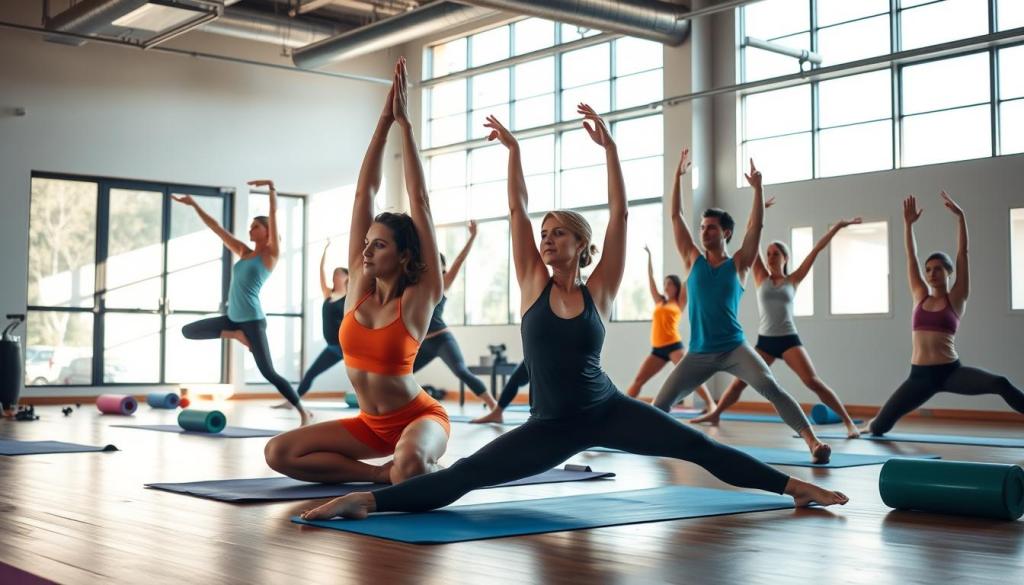
When you’re active, it’s key to stretch right to avoid injuries and get better at what you do. Knowing how stretching helps with muscle recovery and easing soreness is crucial. This knowledge helps you tailor your stretching to meet your fitness targets.
Good stretching methods can make your muscles less stiff, improve how far you can move, and boost your health. This can make you perform better in sports, move easier in daily life, and lower injury chances. For example, dynamic stretching warms up your muscles, helping you run faster, jump higher, and move quicker.
Here are some tips for safe stretching to prevent injuries:
- Hold static stretches for 20 to 45 seconds and do them 2 to 3 times for best results.
- Start with a 5 to 10 minute dynamic stretching warm-up before sports.
- Dynamic stretches that keep your spine flexible are great for athletes in throwing and hitting sports, cutting down on injuries.
Adding proper stretching to your workout routine can help your muscles recover and ease soreness. This boosts your performance and lowers injury risks.
Measuring Your Progress in Flexibility Training

Adding types of stretching to your routine is key. You should watch how far you can stretch, feel less stiff, and move better. Static stretching and dynamic stretching help a lot.
Doing flexibility exercises often can really help. You’ll stretch further, avoid injuries, and perform better in sports. Try static stretching and dynamic stretching to see the difference. For instance, you can do hamstring stretches, leg swings, and hip circles.
- Hamstring stretches using static stretching techniques
- Leg swings using dynamic stretching techniques
- Hip circles using a combination of static and dynamic stretching
Check your progress every two weeks. Use tools like the “Kika Stretch Age” to see how far you’ve come. With regular practice, you’ll notice big changes in 2-3 weeks.
Sticking to a stretching routine brings many benefits. You’ll move better, feel less stiff, and perform better in sports. Whether you’re into static stretching or dynamic stretching, keep it up. It might take months to see big changes.
| Stretching Technique | Benefits |
|---|---|
| Static Stretching | Improves range of motion, reduces muscle stiffness |
| Dynamic Stretching | Enhances athletic performance, reduces injury risk |
Conclusion: Embracing Flexibility for Lifelong Fitness
Embracing flexibility is key to unlocking your full fitness potential. It ensures a lifetime of physical well-being. By adding regular stretching and mobility exercises to your routine, you can enhance your physical capabilities, reduce injury risks, and cultivate a more balanced lifestyle.
This holistic approach to fitness boosts your athletic performance and overall health. It also brings happiness into your life.
Flexibility training offers many benefits, like better range of motion and posture. It also reduces muscle tension. Just a few minutes of stretching each day can boost your energy and improve blood flow.
It makes you mentally stronger too. Whether you’re an elite athlete or just want to stay active, flexibility is the way to go. It’s a path to lifelong fitness success.
So, start your journey to a more flexible and functional you. Add dynamic warm-ups, static stretches, and recovery-focused mobility work to your routine. Unlock your body’s true potential and enjoy enhanced physical prowess, injury prevention, and holistic well-being.
Embrace flexibility and unlock the key to a healthier, happier, and more active life.
FAQ
What is the difference between flexibility and mobility?
Flexibility is about how far you can move a joint. Mobility is about how well your muscles and joints work together to move smoothly.
Why is stretching important for physical fitness?
Stretching boosts blood flow and makes your muscles more flexible. It also helps you move better, which is key for everyday activities and sports.
What are the different types of stretching techniques?
There are several stretching methods. Dynamic stretching gets you ready for exercise. Static stretching helps after you’ve worked out. PNF and assisted stretching have their own benefits too.
When is the best time to incorporate stretching into my workout routine?
Do dynamic stretching before you start exercising to warm up. Static stretching is best after your workout to help your muscles recover.
How can regular flexibility training benefit me?
Regular stretching improves your flexibility and reduces muscle tightness. It also boosts your athletic performance and daily activities. Plus, it lowers the chance of getting hurt.
What are some common misconceptions about stretching?
Some think stretching before exercise is bad. But studies show it’s good for performance and safety. A proper warm-up, like dynamic stretching, is key.
How can I prevent injuries through proper stretching techniques?
To avoid injuries, know the risks of poor flexibility. Always stretch right and know when to stretch and when to move on.
How can I measure progress in my flexibility training?
Use static and dynamic stretching to see how you’re doing. It helps you find what needs work and adjust your plan to reach your goals.
Source Links
- Stretch Your Limits: Why Flexibility is Key to Fitness Success – https://bigtownbulletin.com/stretch-your-limits-why-flexibility-is-key-to-fitness-success/
- Benefits of Stretching, Flexibility & Mobility | Vision PT – https://www.visionpersonaltraining.com/expert-hub/expert-articles/fitness-and-training/the-benefits-of-stretching-flexibility-and-mobility
- Understanding Flexibility, Mobility, and Stability: Key Components of Functional Fitness – Central Ohio Spine and Joint – https://cospineandjoint.com/improve-flexibility-mobility-stability-with-personal-training/
- Rumble UK – https://www.rumble-gym.com/blog/article/understanding-flexibility-and-mobility-key-components-of-physical-well-being
- Stretching Vs Mobility: What’s the Difference? | Polar Blog – https://www.polar.com/blog/stretching-vs-mobility/?srsltid=AfmBOooXKJCE8ZEtq9R5z39cEvanki4QrWENIQVDaVvCchxX4gkkY7VN
- CURRENT CONCEPTS IN MUSCLE STRETCHING FOR EXERCISE AND REHABILITATION – https://pmc.ncbi.nlm.nih.gov/articles/PMC3273886/
- The Science Behind Stretching – AIHI Clinics – https://www.aihiclinics.com/the-science-behind-stretching/
- Types of Stretching – Which is Best for You? – https://advance.muschealth.org/library/2024/september/types-of-stretching
- Types of Stretching: Static, Dynamic, and Other Techniques to Improve Flexibility – https://www.everydayhealth.com/fitness/types-of-stretching-different-techniques-to-foster-flexibility/
- Stretching is not a warm up! Find out why – https://www.mayoclinic.org/healthy-lifestyle/fitness/in-depth/stretching/art-20047931
- Dynamic Flexibility: 12 Exercises, Benefits, and More – https://www.healthline.com/health/exercise-fitness/dynamic-flexibility
- Why mobility should be a key part of your fitness routine – https://www.nationalgeographic.com/science/article/benefits-mobility-training
- Is Mobility work the same as stretching? | The Jersey Sports & Spinal Clinic – https://physiojersey.com/is-mobility-work-the-same-as-stretching/
- Stretching Myths Debunked | Stretch Zone – https://www.stretchzone.com/blog-posts/stretching-myths-debunked
- Stretching: Myths, Facts, and Beginner’s Stretches – https://www.healthline.com/health/fitness-exercise-stretching
- Static vs. Dynamic Stretching: What Are They and Which Should You Do? – https://www.hss.edu/article_static_dynamic_stretching.asp
- Does stretching prevent injuries? – Mayo Clinic Press – https://mcpress.mayoclinic.org/nutrition-fitness/does-stretching-prevent-injuries/
- LibGuides: PHED 1010 – Concepts of Fitness and Wellness: Flexibility – https://getlibraryhelp.highlands.edu/c.php?g=577032&p=4224840
- Flexibility – Kika Stretch Studios – https://kikastretchstudios.com/stretch-library/flexibility-2/
- How Long Does It Take to Improve Flexibility? | Petersen Physical Therapy – https://petersenpt.com/how-long-does-it-take-to-improve-flexibility
- The Importance of Flexibility: When to Incorporate it and the Best Stretches to Perform – https://medium.com/@j28355999/the-importance-of-flexibility-when-to-incorporate-it-and-the-best-stretches-to-perform-5732376ab03e
- A Comprehensive Guide to Stretching for Active Lifestyles – https://movement-x.com/movement/a-comprehensive-guide-to-stretching-for-active-lifestyles/
- Discover the Power of Stretching and Embrace Flexibility for a Better You – https://www.prosperityrevived.com/post/discover-the-power-of-stretching-and-embrace-flexibility-for-a-better-you



 trim down and shape up
Leave a comment