

Proper nutrition is key to keeping your body healthy and full of energy. When you don’t get enough nutrients, your body sends out signals. These signs can be subtle or mistaken for other issues. Spotting these signs early can help you make the right dietary changes.
Nutrition is vital for your overall health. Not getting enough can cause various symptoms or serious problems. By knowing these signs, you can take steps to improve your health and avoid nutrition-related issues.
Being aware of the signs your body needs more nutrition is important. Persistent fatigue can mean you’re not getting enough nutrients. Frequent illnesses also point to a lack of essential nutrients. This shows how crucial a balanced diet is for a strong immune system.
Key Takeaways
- Nutrition is crucial for maintaining overall health and energy levels.
- Persistent fatigue and frequent illnesses can be signs of nutritional deficiencies.
- Recognizing early signs of nutritional deficiencies can help prevent serious health problems.
- A balanced diet is essential for supporting immune function and overall well-being.
- Being aware of common signs of nutritional deficiencies can help you take proactive steps to address them.
- Nutrition-related problems can be prevented by understanding the importance of a balanced diet.
- Good nutrition is essential for maintaining healthy hair, skin, and nails, and preventing conditions like dandruff and brittle nails.
Understanding the Importance of Proper Nutrition
Proper nutrition is key to staying healthy. A balanced diet gives the body what it needs to work right. This lowers the risk of diseases like heart disease, diabetes, and some cancers.
Not getting enough nutrients can cause problems. Symptoms include slow wound healing, brittle hair and nails, and muscle cramps.
A study showed over half the world doesn’t get enough micronutrients. This includes calcium, iron, and vitamins C and E. Not having enough can really hurt your health.
Knowing how important nutrition is helps people make better food choices. This can lead to a healthier life.
Good nutrition means eating whole grains, lean meats, and low-fat milk. These foods are full of important nutrients. They help keep bones, hearts, and brains healthy.
By choosing the right foods, people can lower their risk of chronic diseases. This helps them stay healthy for a long time.
Physical Fatigue and Energy Levels as Nutritional Indicators
Feeling tired and lacking energy can mean your body is missing important nutrients. This tiredness can show up as dry, flaky skin and even affect your brain, leading to cognitive decline or memory issues.
Studies show that many people struggle with feeling tired. More than two-thirds of subjects said they often lack energy. Also, 50% of study participants felt weaker and had less stamina because of fatigue. Here are some important facts about fatigue:
- 68% of Mexican women have folate (vitamin B9) intakes below the estimated average requirement (EAR).
- 55% of Turkish adults of both genders have thiamine (vitamin B1) dietary intakes below EAR.
- A 34% increase in the mean time to first fixate on a fracture was observed in fatigued physicians compared to non-fatigued counterparts.
Noticing signs of tiredness and fixing nutritional gaps can boost your energy and cognitive function. By choosing the right foods and living a healthy lifestyle, you can fight fatigue and stay healthy.
| Statistic | Percentage |
|---|---|
| Lack of energy related to physical fatigue | 66% |
| Reduced stamina and lack of strength due to fatigue | 50% |
| Mood changes and lack of motivation associated with fatigue | 75% |
Hair, Skin, and Nail Changes: Your Body’s External Warning Signs
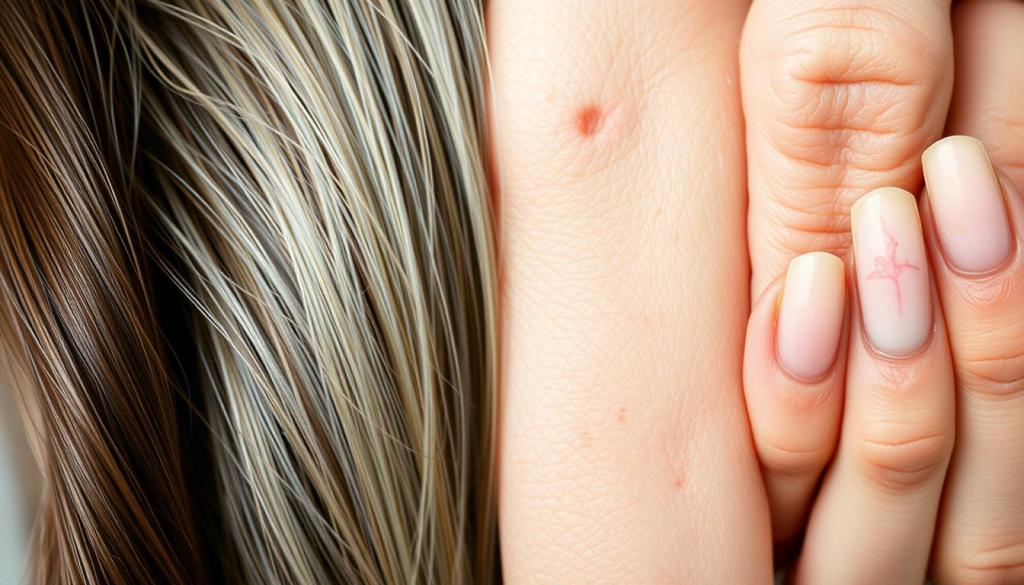
Changes in hair, skin, and nails can signal nutritional issues. You might notice brittle hair and nails, showing a lack of biotin, vitamin B7, and iron. Skin problems like acne, eczema, and psoriasis can also hint at nutritional deficiencies.
In some cases, irregular heartbeats and cravings for non-food items might be linked to nutritional gaps. It’s crucial to recognize these signs to address any deficiencies.
- Brittle hair and nails
- Skin problems like acne, eczema, and psoriasis
- Irregular heartbeats and cravings for non-food items
Brittle Hair and Nails
Brittle nails often point to protein and iron shortages. Hair loss can signal a lack of iron, biotin, or vitamin B12.
Skin Problems and Nutritional Links
Skin issues like acne, eczema, and psoriasis can be linked to diet. Knowing these connections helps you spot and fix nutritional gaps.
Muscle Function and Cramping
As you go about your daily activities, you may experience muscle cramps. These can be painful and disrupt your routine. They can be a sign of nutritional deficiencies, especially in magnesium, potassium, and calcium. Tingling or numbness in hands and feet can also be related to a lack of vitamin B12.
A diet lacking in nutrients can cause muscle cramps and weakness. Nutrients like potassium, sodium, and magnesium can help reduce these cramps. Foods rich in these nutrients include sweet potatoes, Greek yogurt, and wild-caught salmon. For example, one cup of mashed sweet potato provides over 20% of the recommended intake for potassium and nearly 13% for magnesium.
Some key foods that can help alleviate muscle cramps include:
- Sweet potatoes
- Greek yogurt
- Wild-caught salmon
- Avocados
- Bananas
Drinking enough water is also crucial, as dehydration is a common cause of muscle cramps. Furthermore,mood swings or depressioncan be linked to nutritional deficiencies, including a lack of omega-3 fatty acids, vitamin D, and B vitamins.
Regular muscle stretching before and after workouts can help reduce cramps. It is essential to maintain a balanced diet and stay hydrated to prevent muscle cramps and other related symptoms. By incorporating the right foods and nutrients into your diet, you can reduce the occurrence of muscle cramps and maintain overall muscle function.
| Food | Potassium Content | Magnesium Content |
|---|---|---|
| Sweet potato | 20% of recommended intake | 13% of recommended intake |
| Greek yogurt | High in potassium | High in magnesium |
| Wild-caught salmon | Significant amounts of potassium | Significant amounts of magnesium |
Cognitive Function and Memory Issues
Cognitive function and memory can be impacted by what we eat. It’s key to see how food affects our brain. If we don’t get enough omega-3s, vitamin D, or B vitamins, we might feel foggy, forget things, or have trouble focusing.
Studies show that eating like the Mediterranean diet can help keep our brains sharp. Foods like fruits, veggies, legumes, whole grains, nuts, and olive oil are good for our brain. Also, poor night vision might mean we’re not getting enough vitamin A, which is important for our brain.
Not getting the right nutrients when we’re young can hurt our brain development. This can lead to slow growth in children and problems with thinking later on. It’s vital to feed kids a balanced diet to help them grow and think well. Knowing how food affects our brain helps us make better choices for our health.
Some important nutrients for our brain are:
- Omega-3 fatty acids
- Vitamin D
- B vitamins
- Vitamin A
Eating these nutrients and living a healthy lifestyle can help our brain work better. A balanced diet is crucial for our overall health, including our brain.
Immune System Response and Frequent Illnesses
Not getting the right nutrients can weaken your immune system. This makes you more likely to feel persistent fatigue and get frequent illnesses. A diet missing out on vitamins like C, zinc, and iron can hurt your body’s fight against infections.
Eating foods high in fiber, like fruits, veggies, whole grains, and legumes, helps your gut microbes. These microbes are key for a strong immune system. But, a diet full of refined sugars and red meat, with not enough fruits and veggies, can cause chronic inflammation and weaken your immunity.
Several things can impact how well your immune system works:
- Nutrient deficiencies, such as zinc, selenium, iron, and vitamins A, C, and D
- Chronic stress, which can weaken immune responses
- Not getting enough sleep, which can lower immune cell counts
- Being overweight, which is linked to chronic inflammation and weak T-cell function
Knowing how nutrition affects your immune system can help you spot and fix any gaps. This can lower your chances of getting frequent illnesses and feeling persistent fatigue.
| Nutrient | Immune System Function |
|---|---|
| Vitamin C | Supports the production of white blood cells |
| Zinc | Essential for the activation of immune cells |
| Iron | Crucial for the production of hemoglobin and immune cell function |
Digestive Issues and Nutrition Absorption
Digestive problems can really affect how well your body absorbs nutrients. Conditions like celiac disease and inflammatory bowel diseases make it hard for your body to get the nutrients it needs. This can lead to health issues such as slow wound healing and brittle hair and nails.
Common digestive problems include bloating, constipation, and diarrhea. These can show that your body is missing out on important nutrients like fiber and probiotics. If your body can’t absorb nutrients, you might develop deficiencies.
To improve your digestive health, making changes to your diet is key. You might need to eat more fiber or take supplements to help with digestion. By focusing on your digestive health, you can help your body absorb the nutrients it needs. This can prevent problems like slow wound healing and brittle hair and nails.
- Up to 1% of the population is affected by celiac disease, a significant cause of general malabsorption.
- Inflammatory bowel diseases affect around 1.6 million people in the U.S., contributing to malabsorption issues.
- Vitamin A, D, E, and K deficiencies can occur in up to 50% of patients with fat malabsorption due to the inability to absorb these fat-soluble vitamins.
| Digestive Issue | Description | Prevalence |
|---|---|---|
| Celiac Disease | A chronic immune-mediated disorder | Up to 1% of the population |
| Inflammatory Bowel Diseases | Chronic inflammatory conditions | Around 1.6 million people in the U.S. |
| Fat Malabsorption | A condition leading to malnutrition | Up to 50% of patients with fat malabsorption |
Mood Changes and Mental Health Connections

Understanding how diet affects your mental health is key. Mood swings or depression might show a lack of important nutrients. Cravings for things that aren’t food could also hint at nutritional gaps.
Studies link a diet short on nutrients to mood swings and depression. Following healthy diets, like the Mediterranean one, can lower depression risk. But, eating too much refined carbs can lead to obesity and diabetes, worsening mental health.
Here are some diet tips for better mental health:
- Eat a balanced diet with whole grains, fruits, and veggies.
- Reduce refined sugars and choose whole grains more often.
- Add protein to meals to boost mood and energy.
- Drink lots of water for your brain’s best function.
Knowing how diet affects mental health helps you tackle deficiencies. A healthy diet is vital for good mental health, though it’s just one part.
| Nutrient | Food Sources | Mental Health Benefits |
|---|---|---|
| Omega-3 fatty acids | Fatty fish, nuts, and seeds | Reduced risk of depression and anxiety |
| Vitamin D | Fatty fish, fortified dairy products, and sunlight | Improved mood and reduced risk of depression |
| B vitamins | Leafy greens, legumes, and whole grains | Reduced risk of depression and anxiety |
Cardiovascular Signs of Nutritional Deficiency
Understanding the link between nutrition and heart health is crucial. Signs like irregular heartbeats can point to a lack of important nutrients. These include omega-3 fatty acids, vitamin D, and CoQ10. Also, poor night vision might be due to not enough vitamin A.
A heart-healthy diet should include foods high in omega-3s, like salmon and walnuts. Vitamin D, which we get from sunlight, is also key. CoQ10, found in meats, fish, and whole grains, helps with energy and prevents heart rhythm issues.
- Omega-3 fatty acids: 250-500 mg per day
- Vitamin D: 600-800 IU per day
- CoQ10: 30-100 mg per day
Knowing how nutrition affects heart health helps you tackle potential deficiencies. This can lower your risk of heart disease. A balanced diet and a healthy lifestyle are vital for a strong heart.
| Nutrient | Recommended Daily Intake |
|---|---|
| Omega-3 fatty acids | 250-500 mg |
| Vitamin D | 600-800 IU |
| CoQ10 | 30-100 mg |
Understanding Unusual Cravings and Food Behaviors

As you go about your day, you might find yourself craving things that aren’t food, like ice or chalk. This could mean your body is missing nutrients like iron or magnesium. Feeling numb in your hands and feet might also point to a lack of vitamin B12. Knowing what these cravings mean can help you find out if you’re missing something important.
Things like stress, not getting enough sleep, and hormonal shifts can make cravings worse. For example, when estrogen is low and progesterone is high, women might feel hungrier and less satisfied. Knowing this can help you choose better foods and live a healthier life.
Here are some common things that make cravings worse:
- Chronic stress can make you want foods that are very tasty but not very good for you.
- Not sleeping well can mess with your hunger hormones, making you want sweet or salty foods.
- Changes in hormones during your period can make you hungrier and less satisfied.
Remember, cravings can be a sign that your body needs something. By fixing these needs and making smart choices, you can cut down on cravings and feel better.
| Trigger | Effect on Cravings |
|---|---|
| Chronic stress | Increases cravings for hyperpalatable, high-fat, calorie-dense foods |
| Lack of sleep | Disrupts leptin and ghrelin levels, leading to cravings for sweet, starchy, high-fat, and salty foods |
| Hormonal changes during the menstrual cycle | Increases cravings and reduces feelings of satisfaction after eating |
Special Considerations for Growing Children
As a parent, it’s key to know your child’s nutritional needs change with age and activity. Slow growth in children might mean they’re not getting enough nutrients. A balanced diet with vitamin A can help avoid poor night vision and support growth.
Children aged 2 to 4 should eat 1 to 1.5 cups of fruits and 1 to 2 cups of vegetables daily. This depends on their growth and how active they are. Here’s a table showing the daily food intake for kids:
| Age Group | Caloric Intake | Protein Intake | Fruit Servings | Vegetable Servings |
|---|---|---|---|---|
| 2-4 years | 1,000-1,600 calories | 2-5 ounces | 1-1.5 cups | 1-2 cups |
| 5-8 years | 1,200-2,000 calories | 3-5.5 ounces | 1-1.5 cups | 1.5-2.5 cups |
By making sure your child eats a balanced diet, you can prevent slow growth in children and poor night vision. This sets them up for a healthy and successful life.
Conclusion: Taking Action for Better Nutrition
Recognizing the 13 common signs that your body needs more nutrition is the first step. It’s key to improving your overall well-being. Proper nutrition plays a crucial role in your physical, cognitive, and emotional health.
Feeling tired all the time, getting sick often, or noticing changes in your hair, skin, and nails? These signs might mean you need to change your diet. Making smart food choices helps your body get the nutrients it needs to work well.
Good nutrition is more than just looking good or managing your weight. It supports your body’s vital systems, boosts your immune function, and helps your brain work better. By choosing a nutritious lifestyle, you can live a healthier, more vibrant life.
FAQ
What are the 13 common signs that my body needs more nutrition?
Signs your body needs more nutrition include feeling tired all the time and getting sick often. Slow healing of wounds and brittle hair and nails are also signs. Muscle cramps and dry, flaky skin are other indicators.
Feeling forgetful or having mood swings can also mean you need more nutrients. Poor night vision and slow growth in kids are other signs. These all point to a need for better nutrition.
Why is proper nutrition important for overall health?
Good nutrition keeps your body working right. It helps with digestion and using nutrients. Without enough nutrients, your health can suffer a lot.
How can physical fatigue and energy levels indicate nutritional deficiencies?
Feeling very tired or lacking energy can mean you’re not getting enough nutrients. This is a big sign that your body needs more.
What changes in hair, skin, and nails can signal nutritional deficiencies?
Hair and nails that break easily can mean you’re missing nutrients like biotin and iron. Skin problems like acne or eczema can also show you’re not getting enough nutrients.
How can muscle function and cramping be affected by nutritional deficiencies?
Not getting enough magnesium, potassium, or calcium can cause muscle cramps and weakness. Numbness in hands and feet can also be a sign of a lack of vitamin B12.
In what ways can cognitive function and memory issues be affected by nutritional deficiencies?
Brain fog and memory problems can mean you’re missing nutrients like omega-3s and B vitamins. Knowing how nutrients affect your brain can help fix these issues.
How can nutritional deficiencies impact the immune system and lead to frequent illnesses?
Not getting enough nutrients like vitamin C and zinc can weaken your immune system. This makes you more likely to get sick often.
What digestive issues can be related to nutritional deficiencies?
Problems like bloating, constipation, and diarrhea can mean you’re missing nutrients like fiber and probiotics. If your body can’t absorb nutrients, you might get deficiencies too.
How can mood changes and mental health be affected by nutritional deficiencies?
Mood swings, depression, and anxiety can be signs of missing nutrients like omega-3s and B vitamins. Cravings for non-food items can also mean you’re lacking certain nutrients.
What cardiovascular signs can indicate nutritional deficiencies?
Heart problems and high blood pressure can be signs of missing nutrients like omega-3s and CoQ10. Poor night vision can also be a sign of a lack of vitamin A.
What unusual cravings and food behaviors can signal nutritional deficiencies?
Cravings for things like ice or chalk can mean you’re missing nutrients like iron and zinc. Numbness in hands and feet can also be a sign of a lack of vitamin B12.
How do nutritional needs differ for growing children?
Kids need the right nutrients for growth and development. Without them, they might not grow properly or have problems with their vision. Knowing what nutrients kids need can help fix these issues.
Source Links
- 8 Common Signs That You’re Deficient in Vitamins – https://www.healthline.com/nutrition/vitamin-deficiency
- I’m a doctor — here are 5 signs your body needs more nutrients – https://nypost.com/2024/10/22/health/doctor-reveals-5-signs-your-body-needs-more-nutrients/
- The Importance of Good Nutrition – https://www.tuftsmedicarepreferred.org/healthy-living/importance-good-nutrition
- Nutrition – Harvard Health – https://www.health.harvard.edu/topics/nutrition
- Nutrition – https://www.who.int/health-topics/nutrition
- Nutritional Status as a Mediator of Fatigue and Its Underlying Mechanisms in Older People – https://pmc.ncbi.nlm.nih.gov/articles/PMC7071235/
- Vitamins and Minerals for Energy, Fatigue and Cognition: A Narrative Review of the Biochemical and Clinical Evidence – https://pmc.ncbi.nlm.nih.gov/articles/PMC7019700/
- Office of Dietary Supplements – Biotin – https://ods.od.nih.gov/factsheets/Biotin-HealthProfessional/
- Nail Health Chart: Common Problems and Treatment – https://www.healthline.com/health/beauty-skin-care/healthy-nails
- All-In-One Tips for Lustrous Hair, Skin, and Nails – https://www.healthline.com/health/beauty-skin-care/boost-your-hair-skin-nail-health-with-tips-from-the-pros
- 12 Foods That May Help with Muscle Cramps – https://www.healthline.com/nutrition/foods-that-help-with-muscle-cramps
- Eating These 15 Foods Can Help Prevent Muscle Cramps – https://www.health.com/foods-that-prevent-muscle-cramps-7973949
- Nutrition and cognitive health: A life course approach – https://pmc.ncbi.nlm.nih.gov/articles/PMC10083484/
- Effects of Nutrition on Cognitive Function in Adults with or without Cognitive Impairment: A Systematic Review of Randomized Controlled Clinical Trials – https://pmc.ncbi.nlm.nih.gov/articles/PMC8621754/
- Nutrition and Immunity – The Nutrition Source – https://nutritionsource.hsph.harvard.edu/nutrition-and-immunity/
- Nutrition and Immune Responses: What Do We Know? – Military Strategies for Sustainment of Nutrition and Immune Function in the Field – https://www.ncbi.nlm.nih.gov/books/NBK230970/
- Malabsorption (Syndrome) – https://my.clevelandclinic.org/health/diseases/22722-malabsorption
- Physiology, Nutrient Absorption – StatPearls – https://www.ncbi.nlm.nih.gov/books/NBK597379/
- Food and mood: how do diet and nutrition affect mental wellbeing? – https://pmc.ncbi.nlm.nih.gov/articles/PMC7322666/
- You are what you eat: Diet may affect your mood and brain function – https://www.uclahealth.org/news/article/you-are-what-you-eat-diet-may-affect-your-mood-and-brain
- What is the Relationship Between Food and Mood? – Mental Health First Aid – https://www.mentalhealthfirstaid.org/external/2018/03/relationship-food-mood/
- 6 Signs of Nutrient Deficiency – https://www.rush.edu/news/6-signs-nutrient-deficiency
- Nutrition and Cardiovascular Health – PMC – https://pmc.ncbi.nlm.nih.gov/articles/PMC7178170/
- Nutritional Deficiency in Patients with Heart Failure – https://pmc.ncbi.nlm.nih.gov/articles/PMC4963918/
- Cravings – The Nutrition Source – https://nutritionsource.hsph.harvard.edu/cravings/
- The Psychology of Food Cravings: the Role of Food Deprivation – https://pmc.ncbi.nlm.nih.gov/articles/PMC7399671/
- What nutrients does your child need now? – https://www.mayoclinic.org/healthy-lifestyle/childrens-health/in-depth/nutrition-for-kids/art-20049335
- Nutrition – school-age to adolescence – https://www.rch.org.au/kidsinfo/fact_sheets/Nutrition_older_children/
- Why Nutrition Is Important to a Child’s Growth and Development – https://becomeanutritionist.org/blog/child-growth-development-nutrition/
- Actions for Healthy Eating – Local Government Actions to Prevent Childhood Obesity – https://www.ncbi.nlm.nih.gov/books/NBK219682/
- Highlights, Nutrition Education in Public Elementary and Secondary Schools – https://nces.ed.gov/surveys/frss/publications/96852/index.asp?sectionid=4
- Comprehensive Approaches to Improving Nutrition: Future Prospects – https://pmc.ncbi.nlm.nih.gov/articles/PMC6723295/


 trim down and shape up
Leave a comment