


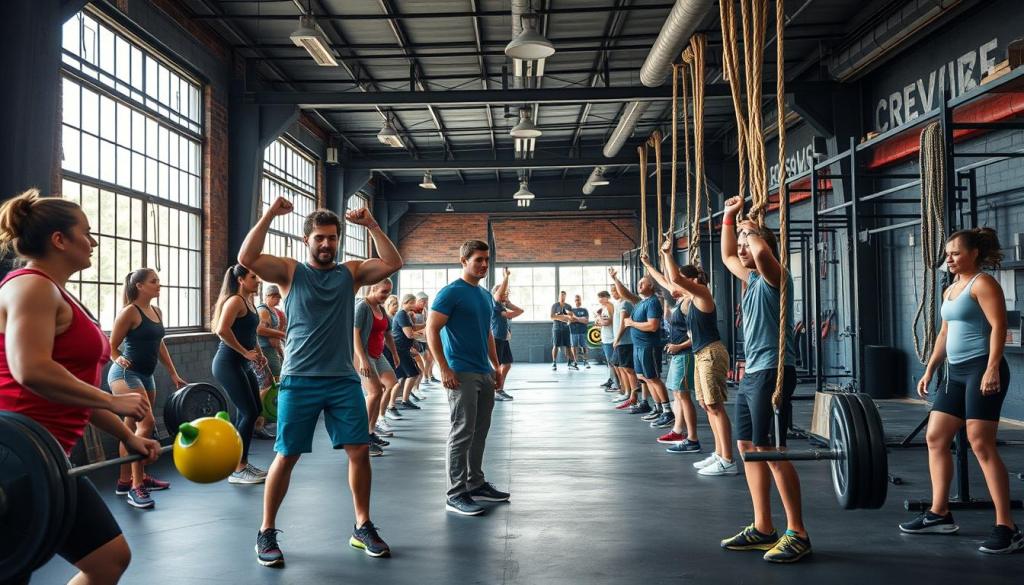
CrossFit has gained popularity for its intense workouts. These workouts mix weightlifting, cardio, and functional training. They offer many benefits, like boosting strength and endurance. Before trying CrossFit, it’s key to know the good and bad sides to see if it’s right for you.
Key Takeaways
- CrossFit is a high-intensity form of exercise that can improve physical strength, endurance, and agility, as well as mental well-being.
- The benefits of doing CrossFit include improved cardiovascular endurance, weight loss, and increased lean muscle mass.
- CrossFit training involves improving against 10 general physical skills, including cardiovascular endurance, stamina, strength, flexibility, power, speed, coordination, agility, balance, and accuracy.
- Regular participation in High-Intensity Training (HIT) can improve cardiovascular endurance, resulting in better heart health and physical benefits.
- CrossFit and HIT workouts increase calorie burn both during and after workouts due to their high intensity, which boosts strength and endurance.
- Attending three CrossFit classes per week can meet the World Health Organization’s (WHO) guidelines for cardiovascular and strength training, providing numerous physical benefits.
- CrossFit emphasizes building lean muscle mass, contributing to a higher metabolism and improved overall fitness, which is one of the benefits of doing CrossFit.
Understanding CrossFit: A High-Intensity Training Overview
Exploring CrossFit, you’ll find a unique fitness approach. It combines full-body conditioning, calorie burning, and boosts bone density. This intense training method aims to push your body to its limits. It helps you become stronger and leaner.
At its heart, CrossFit focuses on functional movements, high-intensity interval training, and community support. With over 12,000 locations worldwide, it has become a global fitness phenomenon. Millions of people join to reach their fitness and health goals.
Some key benefits of CrossFit include:
- Improved cardiovascular health through calorie burning and increased endurance
- Increased strength and flexibility through full-body conditioning
- Enhanced bone density, reducing the risk of osteoporosis and fractures
Before adding CrossFit to your routine, it’s key to grasp its philosophy and workout basics. This knowledge will help you navigate CrossFit and reach your fitness goals.
Physical Benefits of CrossFit Training
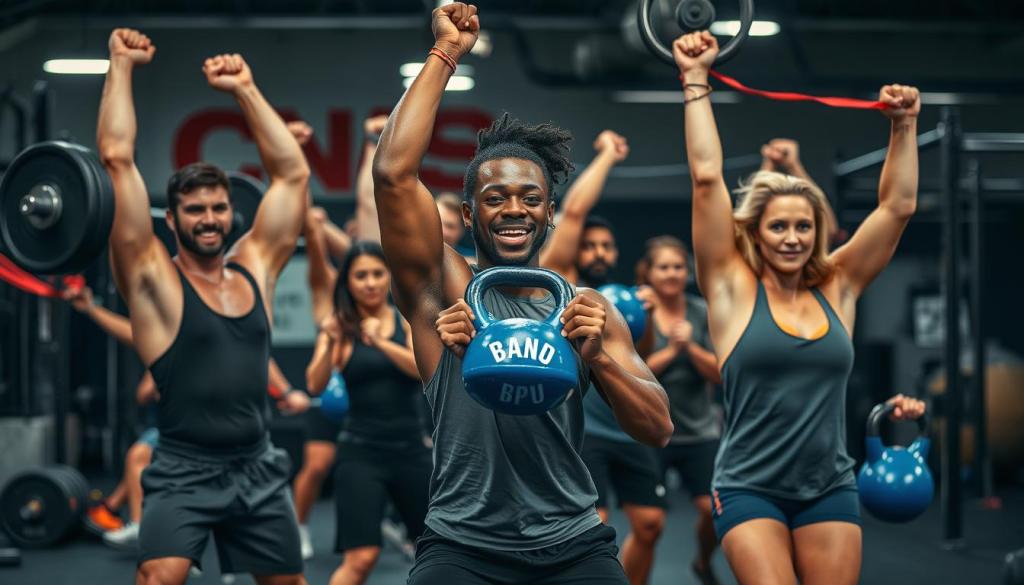
Doing CrossFit can greatly improve your physical health. It boosts strength and endurance and makes you more agile. You’ll do exercises like squats, deadlifts, and Olympic lifts. This will make you fitter overall.
Some key benefits of CrossFit include:
- Improved cardiovascular health
- Increased muscle strength and endurance
- Enhanced flexibility and agility
- Weight loss and improved body composition
Studies show that CrossFit’s high-intensity workouts can lower blood pressure and improve cholesterol. It also boosts mental toughness and reduces injury risk, if done right.
Overall, CrossFit is great for those wanting to get fit and feel better. It’s designed for all fitness levels and goals. This makes it a flexible and welcoming choice for many.
| Benefit | Description |
|---|---|
| Improved Cardiovascular Health | Reduced blood pressure and improved cholesterol levels |
| Increased Muscle Strength and Endurance | Improved overall physical fitness and athletic performance |
| Enhanced Flexibility and Agility | Improved range of motion and reduced risk of injury |
Mental and Social Advantages of CrossFit
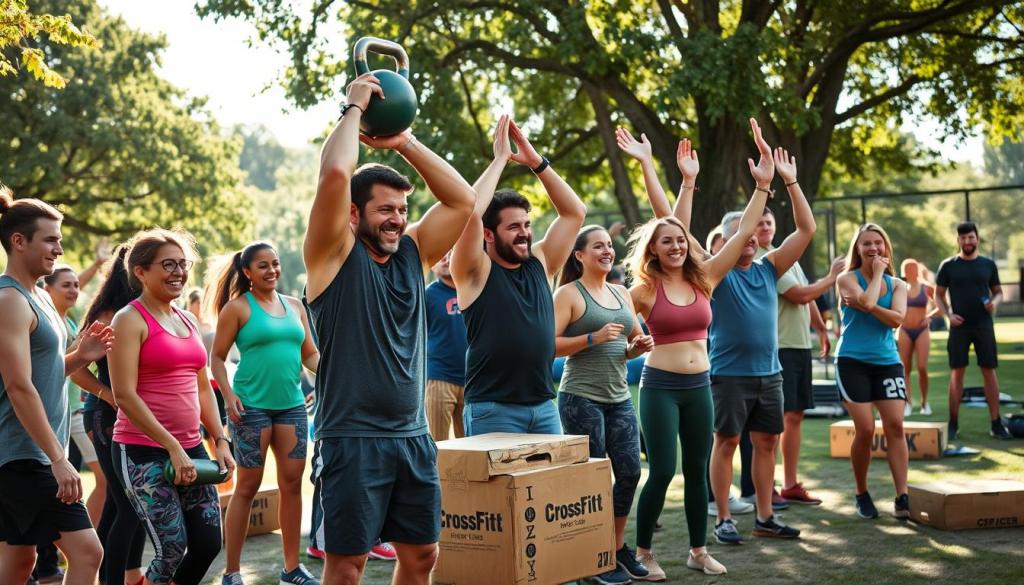
Doing CrossFit can really boost your mental health. The intense workouts and the community feeling help lower anxiety and stress. A study from the University of Georgia shows that CrossFit’s high-intensity workouts can cut down anxiety.
During CrossFit, you release endorphins, which make you feel good and help with pain. A study in the Journal of Affective Disorders found that group workouts like CrossFit make people feel better than solo sessions. This community support is a big part of CrossFit, making it a welcoming place for everyone.
Some of the main mental and social benefits of CrossFit are: * Lower anxiety and stress * Better mood and overall well-being * Boosted self-esteem and personal satisfaction * A strong sense of community and support Adding CrossFit to your routine can bring these benefits into your life. It can make you feel better mentally and improve your overall quality of life.
Common CrossFit Misconceptions and Myths
Thinking about trying CrossFit? You might have heard some wrong ideas about it. Many believe CrossFit is too intense and risky. But, these ideas often come from not knowing much about it.
One myth is that CrossFit is only for super fit people. But, it welcomes athletes of all ages and fitness levels. Gyms even offer discounts for students and military, making it more open to everyone.
Another myth says CrossFit is very dangerous and causes many injuries. While there are risks, the injury rate is similar to other fitness activities. CrossFit gyms focus on proper form and offer beginner programs to help avoid injuries.
Common injuries in CrossFit include wrist strain, lower back pain, and shoulder injuries. These usually come from pushing too hard or bad technique. But, you can prevent them by warming up right, strengthening your grip, and focusing on shoulder technique.
To safely enjoy CrossFit, listen to your body, start slow, and focus on form. With the right mindset, you can get the most out of CrossFit while staying safe and reaching your fitness goals.
Potential Risks and Dangers of CrossFit
Before starting CrossFit, it’s key to know the risks. Muscle and joint injuries are common, especially for beginners. Overuse injuries happen when you push too hard, too fast.
A study in the Orthopaedic Journal of Sports Medicine showed men in CrossFit get hurt more than women. Shoulder, low back, and knee injuries are the most common. Lack of adaptation for beginners is a big risk, leading to overuse injuries and other problems.
Some common CrossFit injuries include:
- Shoulder injuries, such as strains and sprains
- Low back injuries, including herniated discs and strains
- Knee injuries, such as ligament sprains and tears
Even with these risks, CrossFit’s injury rate is similar to other intense sports like powerlifting and gymnastics. It’s important to watch for injury signs like persistent pain. To prevent injuries, do proper warm-ups and cool-downs, and listen to your body by taking breaks.
| Injury Type | Frequency |
|---|---|
| Shoulder injuries | 24% |
| Low back injuries | 20% |
| Knee injuries | 16% |
Who Should and Shouldn’t Try CrossFit

Before trying CrossFit, think about your health and fitness level. It’s not right for everyone, especially those with health issues or lack of proper progression in training. Working with unqualified trainers can also raise injury risks.
Some people might get hurt easily because CrossFit is very intense. Those with joint or muscle problems should be careful. But, if you’re healthy and strong, CrossFit can boost your fitness and skills.
Before starting CrossFit, consider these things:
- Current fitness level and health status
- Past injuries or medical conditions
- Availability of qualified trainers and coaching
- Personal goals and motivations for starting CrossFit
Think about the good and bad of CrossFit before you start. This way, you can have a safe and good experience.
It’s wise to be careful and put your health first. With the right help, CrossFit can make you stronger and healthier.
| Benefits of CrossFit | Risks of CrossFit |
|---|---|
| Improved strength and athleticism | Increased risk of injury |
| Enhanced cardiovascular fitness | Potential for overtraining and burnout |
| Improved mental toughness and resilience | Risk of working with unqualified trainers |
Getting Started with CrossFit Safely
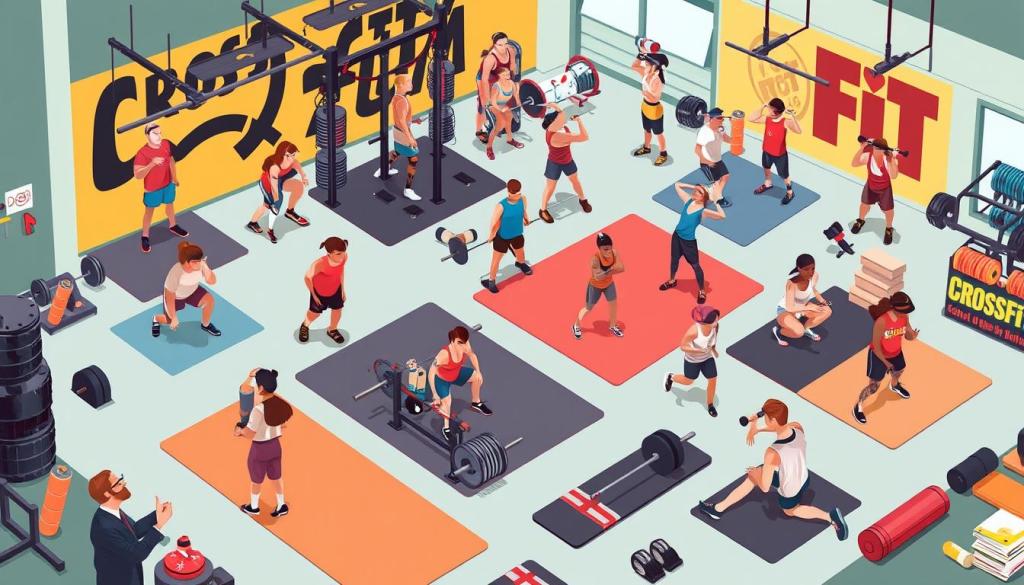
Thinking about is CrossFit suitable for everyone? It’s key to start with caution and a plan. With over 13,000 CrossFit gyms globally, picking the right one can feel daunting. Here are some tips for a safe and effective start.
Finding the Right Gym
Look for a gym that offers beginner classes. This lets you check the coaching, equipment, and vibe. Many gyms have free intro classes, making it easier to find a match. Think about location, schedule, and cost when choosing a gym.
Essential Equipment and Gear
While gyms have what you need, getting some personal gear is smart. A good pair of shoes and a jump rope are essentials. A quality gym will also have a range of equipment like barbells and kettlebells.
First Month Guidelines
For recommendations for beginners, start slow and focus on form. Begin with 2-3 times a week and gradually add more. Always listen to your body and rest when needed. A structured program helps you grow safely and effectively.
Remember, safety first. With the right gym, gear, and attitude, you can enjoy CrossFit’s benefits while avoiding risks. By following these tips, you’re set for a safe and rewarding CrossFit journey.
| Week | Workout Frequency | Intensity |
|---|---|---|
| 1-2 | 2 times/week | Low-Moderate |
| 3-4 | 3 times/week | Moderate-High |
Proper Form and Technique Fundamentals
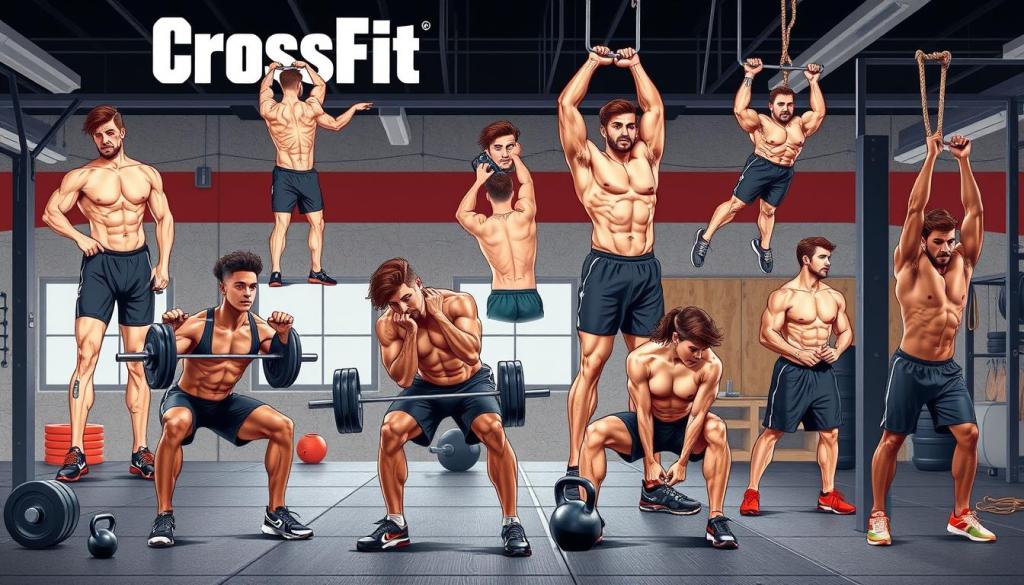
As you move forward in CrossFit, focusing on proper form and technique fundamentals is key. With over 15,000 CrossFit gyms worldwide, it’s clear how vital this is. Athletes who focus on these tend to get injured less and perform better.
Some important things to work on include:
- Major lifts like deadlifts, cleans, squats, presses, and Olympic lifts
- Gymnastics movements such as pull-ups, dips, and rope climbs
- Scaling workouts to fit your fitness level
Mastering these technique fundamentals will boost your fitness and work capacity. Remember, proper form is key to avoiding injuries and getting the most out of your workouts. As you get better at these movements, your fitness will soar.
But proper form and technique fundamentals aren’t just about physical movements. Nutrition and recovery are also crucial for your health and fitness. By focusing on both physical and nutritional basics, you’ll find a better balance and improve your overall health.
Nutrition and Recovery for CrossFit Athletes

As a CrossFit athlete, you know how key nutrition and recovery are. A good nutrition plan can boost your performance and lower injury risk. Proper nutrition helps improve your athletic performance and recovery time. CrossFit nutrition plays a big role in your performance, recovery, and overall health.
Getting enough recovery is vital for your body to heal and adapt to intense training. Make sure to sleep well, aiming for 7–9 hours each night. Also, do active recovery like swimming, cycling, or gentle yoga to help with blood flow and muscle soreness.
For dietary requirements, CrossFit athletes should eat a balanced diet. This includes lots of protein, complex carbs, and healthy fats. Eat small, balanced meals all day to keep your energy up and aid in recovery. Also, drinking plenty of water is key to perform well and recover during CrossFit.
Dietary Requirements
- Approximately 3700 calories per day
- 212 grams of protein daily for muscle repair and growth
- 350 grams of complex carbohydrates daily to fuel workouts
- 200 grams of healthy fats daily for sustained energy
By focusing on nutrition and recovery, you can reach your best as a CrossFit athlete. This helps you perform better, lowers injury risk, and meets your goals.
Measuring Progress in CrossFit
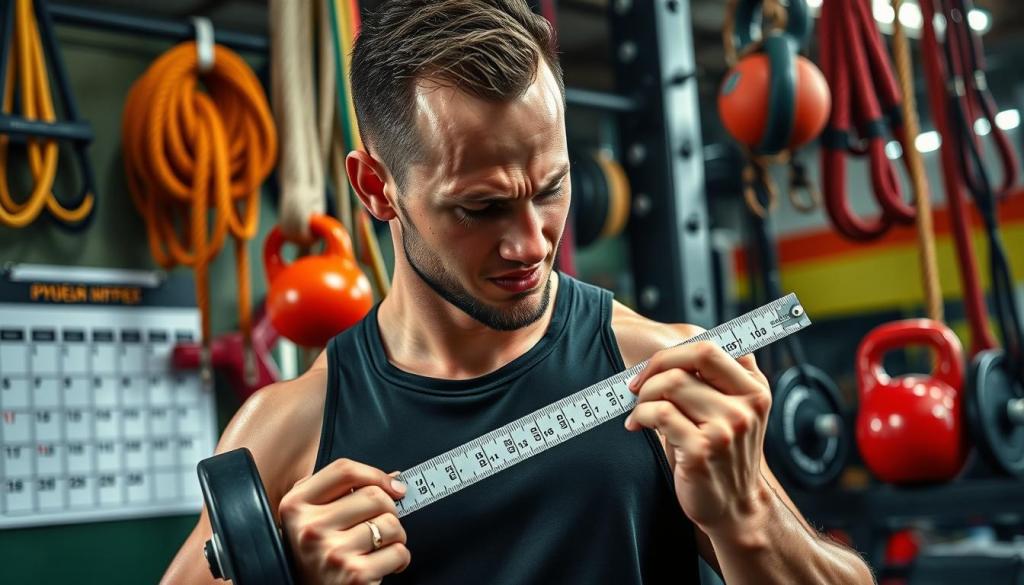
As you keep going on your CrossFit journey, measuring progress is key. It helps you see how your fitness is improving. You can do this by watching your workouts, what you eat, and how you recover.
To really measure progress, you can use different tools and ways. For example:
- Tracking your workouts and weights lifted
- Monitoring your body fat percentage and measurements
- Assessing your overall performance and progress in workouts
By regularly measuring progress and tracking fitness, you can find areas to get better. You can then tweak your training and diet plan. This keeps you motivated and focused on your goals.
Remember, measuring progress is a long-term effort. It needs patience, dedication, and consistency. By sticking to your training and tracking your progress, you can reach your goals. And you’ll enjoy all the good things CrossFit has to offer.
| Method | Description |
|---|---|
| Workout Tracking | Monitor your workouts and weights lifted to track progress |
| Body Fat Percentage | Measure your body fat percentage to track changes in body composition |
| Performance Assessment | Assess your overall performance and progress in workouts |
Conclusion: Is CrossFit Right for You?
As you’ve learned, CrossFit can be a great way to get fit and feel good. But, it’s important to start with the right mindset and take safety steps. CrossFit can boost your fitness, mental strength, and connect you with others.
But, it’s not without risks, especially for newbies. Whether CrossFit is for you depends on your fitness level, goals, and focus on safety. Always talk to a doctor and get advice from certified coaches before starting.
This way, you can enjoy the benefits of CrossFit while avoiding injuries. Your health is the most important thing. Think carefully about this and decide if CrossFit is the right choice for you.
FAQ
What are the physical benefits of doing CrossFit?
CrossFit boosts strength and endurance. It improves full-body conditioning. It also increases calorie burning and bone density.
What are the mental and social advantages of CrossFit?
CrossFit enhances mental resilience. It offers a strong sense of community and support. It helps achieve goals and grow personally.
What are the common risks and injuries associated with CrossFit?
Risks include muscle and joint injuries. Overuse injuries are also common. Beginners may not adapt well. Proper training and progression help avoid these risks.
Is CrossFit suitable for everyone?
CrossFit may not fit everyone, especially those with physical limitations or medical conditions. Always consult a doctor. Start with gentler workouts if you’re new to high-intensity training.
How can I practice CrossFit safely as a beginner?
Find a qualified gym and use proper equipment. Follow a gradual progression. Listen to your body and start with less intense workouts to adapt.
How important is proper form and technique in CrossFit?
Proper form and technique are key in CrossFit. They ensure safety and effectiveness. Mastering the basics is crucial before moving to more advanced exercises.
What are the nutritional and recovery considerations for CrossFit athletes?
CrossFit athletes need specific diets for high-intensity training. Proper recovery, including rest and nutrition, is vital. It helps optimize performance and prevent injuries.
How can I measure my progress in CrossFit?
Track your fitness improvements, like strength and endurance. This helps adjust your training. It ensures continued progress in CrossFit.
Source Links
- Is CrossFit Bad For You? The Untold Truth | Garage Gym Reviews – https://www.garagegymreviews.com/is-crossfit-bad-for-you
- The Benefits of CrossFit and High-Intensity Training in Redmond WA – Eastside Ideal Health Redmond – https://www.eastsideidealhealth.com/the-benefits-of-crossfit-and-high-intensity-training-in-redmond-wa/
- CrossFit: risk vs reward in the ‘sport of fitness’ – https://medicinetoday.com.au/mt/2020/january/regular-series/crossfit-risk-vs-reward-‘sport-fitness
- Is CrossFit Safe? What ’60 Minutes’ Didn’t Tell You – https://www.forbes.com/sites/dandiamond/2015/05/11/is-crossfit-good-for-you-what-60-minutes-didnt-say/
- Why I Don’t Do CrossFit – https://www.huffpost.com/entry/why-i-dont-do-crossfit_b_5411771
- What is CrossFit? And can you do it? Here’s what you need to know – https://www.nbcnews.com/better/lifestyle/what-crossfit-it-right-you-here-s-what-you-need-ncna1070886
- Why I Caution People to Stay Away from CrossFit — R&G Fitness – http://rngfitness.com/blog/2020/2/12/rughjwh2dovlll6ji3cb12jl3jpzvr
- 5 Powerful Reasons – Is CrossFit Bad For You (and How To Do It Safely) | CFA – https://crossfitangier.com/is-crossfit-bad-for-you/
- The psychological benefits of CrossFit, according to science: how it changes your mindset – https://www.marca.com/en/lifestyle/fitness/2024/09/26/66f52e95268e3efe7a8b4585.html
- Frontiers | Influence of CrossFit and Deep End Fitness training on mental health and coping in athletes – https://www.frontiersin.org/journals/sports-and-active-living/articles/10.3389/fspor.2023.1061492/full
- The Effects of CrossFit® Practice on Physical Fitness and Overall Quality of Life – https://www.mdpi.com/1660-4601/22/1/19
- CrossFit Myths Debunked: The Truth About This Popular Workout – https://magmafitness.com/blogs/magma-blog/crossfit-myths-debunked-the-truth-about-this-popular-workout?srsltid=AfmBOoqqKrRXqyTkq0Zvdyn1oB4IssUwF3htaIXdFhVPkzGzqtHn2hiQ
- 6 Myths the Haters Need to Stop Telling About CrossFit – https://www.mic.com/articles/96762/6-myths-the-haters-need-to-stop-telling-about-crossfit
- Safeguard Your Workout by Preventing Common CrossFit Injuries – Spark Membership: The #1 Member Management Software – https://sparkmembership.com/preventing-common-crossfit-injuries/
- Is CrossFit actually more dangerous than other workouts? – https://www.vox.com/2014/7/15/5900975/science-crossfit-health-hazards-retinal-detachments-pee
- Is CrossFit Dangerous? – CrossFit ATR – https://crossfitatr.com/new-to-crossfit/is-crossfit-dangerous/
- Is CrossFit Safe? – Rampage – https://crossfitrampage.com/is-crossfit-safe/
- Is Crossfit Right for You? – https://terminatortraining.com/blogs/ttm-blogs/is-crossfit-right-for-you?srsltid=AfmBOopT2xFrGwbffOuYCnaqlZDV18sjFsM8NsVgfO-BesWYMGND202S
- Why You Should Think Twice Before Doing CrossFit – https://www.stack.com/a/should-i-do-crossfit/
- On CrossFit and Risk – https://www.huffpost.com/entry/crossfit-risks_b_5161112
- What You Need to Know Before Trying CrossFit – https://www.menshealth.com/fitness/a25399130/crossfit-for-beginners-guide/
- Your Complete Guide to CrossFit (Including How to Start and The Best WODs to Try) – https://www.menshealth.com/uk/fitness/a26387550/crossfit-complete-guide/
- Do It Right. Do It Well. – https://www.crossfit.com/pro-coach/do-it-right-do-it-well
- The Importance of Rest and Recovery for CrossFit Athletes – Eastside Ideal Health Redmond – https://www.eastsideidealhealth.com/the-importance-of-rest-and-recovery-for-crossfit-athletes/
- What Happens To Your Body If You Train Like a CrossFit Athlete for 1 Year | BOXROX – https://www.boxrox.com/what-happens-to-your-body-if-you-train-like-a-crossfit-athlete-for-1-year/
- Comprehensive Guide To CrossFit Nutrition And Supplements – https://crossfitangier.com/comprehensive-guide-to-crossfit-nutrition-and-supplements/
- CrossFit: The Good, the Bad and the Ugly – https://www.huffpost.com/entry/crossfit-good-bad-ugly_b_4420922
- 5 Powerful Reasons – Is CrossFit Bad For You (and How To Do It Safely) | CFA – https://crossfitangier.com/2024/11/04/is-crossfit-bad-for-you/
- 3 Months in a Box: Good, Bad and Weird Experiences Doing CrossFit – https://www.stack.com/a/good-bad-weird-crossfit/
- CrossFit Training: Pros, Cons for Fitness Training Success – https://trifocusfitnessacademy.co.za/personal-fitness-training-blog/crossfit-training-pros-cons-for-fitness-training-success/
- Some Thoughts On Crossfit | Patrick Ward, PhD – http://optimumsportsperformance.com/blog/some-thoughts-on-crossfit/
- CrossFit Gym Safety: Top Tips for Avoiding Injury and Accidents – CrossFit RRG – https://crossfitrrg.com/crossfit-gym-safety-top-tips-for-avoiding-injury-and-accidents/



 trim down and shape up
Leave a comment