


Weight loss is a complex process that often requires a combination of lifestyle changes, medications, and outpatient procedures. You might be thinking about bariatric surgery, but many people choose other options. This is because of the costs, commitment, and risks involved. If you’re looking for alternatives, consider weight loss outpatient procedures like intragastric balloons and aspiration therapy.
These procedures are good for people with a Body Mass Index (BMI) between 30 and 40. They might not qualify for or prefer not to have bariatric surgery. Non-surgical weight loss procedures can help you lose up to 35 pounds in six months. Weight loss usually ranges from 20 to 35 pounds.
The intragastric balloon procedure takes about half an hour. It’s done as an outpatient procedure, so you can go home 1 to 2 hours after.
Key Takeaways
- You can lose up to 35 pounds within six months with non-surgical weight loss procedures.
- Intragastric balloons and aspiration therapy are effective alternatives to diet and exercise.
- Non-surgical procedures are suitable for individuals with a BMI between 30 and 40.
- The intragastric balloon procedure is a quick outpatient procedure with minimal recovery time.
- Weight loss outpatient procedures can be a viable option for those who cannot or do not want to undergo bariatric surgery.
- Non-surgical weight loss procedures can help reduce the risk of obesity-related diseases, such as heart disease and Type-2 Diabetes.
Understanding Nonsurgical Weight Loss Procedures
Exploring nonsurgical weight loss options is key when looking to lose weight. Nonsurgical weight loss procedures are becoming more popular. They are less invasive and carry fewer risks. Bypass liners and endobarriers are examples that can lead to significant weight loss without surgery.
Many people choose nonsurgical options to avoid surgery’s risks. Procedures like intragastric balloons and endoscopic sleeve gastroplasty offer similar weight loss. They also come with fewer complications. Plus, these methods are often reversible, offering more flexibility and peace of mind.
Some benefits of nonsurgical weight loss procedures include:
- Minimally invasive, reducing the risk of complications
- Reversible, allowing for more flexibility
- Lower cost compared to traditional bariatric surgery
It’s crucial to talk to a healthcare professional about your options. They can help you understand the pros and cons. This way, you can make a well-informed decision about your weight loss journey.
| Procedure | Average Weight Loss |
|---|---|
| Intragastric Balloon | 13.2% of total body weight |
| Endoscopic Sleeve Gastroplasty | 18% of total body weight |
The Evolution of Weight Loss Interventions

New ways to lose weight are being developed in the medical field. Endoscopic sleeve gastroplasty (esg) is a new, less invasive method. It has shown great promise in helping people lose a lot of weight. Gastric plication is also getting attention for its ability to shrink the stomach and aid in weight loss.
These methods have improved over time. They offer effective, non-surgical ways to lose weight. Studies show that combining lifestyle changes with esg and gastric plication leads to great weight loss results.
Some benefits of these procedures include:
- They are minimally invasive, lowering the risk of complications
- They require less recovery time than traditional surgery
- They have shown promising results in significant weight loss
As more people seek effective weight loss solutions, it’s important to know about the latest advancements. This includes endoscopic sleeve gastroplasty (esg) and gastric plication.
Common Bariatric Alternatives and Their Effectiveness

When looking at weight loss options, it’s key to check out common bariatric alternatives. These options can be as good as surgery but with less risk. You can also use weight loss medications and injection therapies to make them work better.
Popular alternatives include intragastric balloon systems, endoscopic sleeve gastroplasty, and aspiration therapy devices. These methods can lead to significant weight loss. For example, intragastric balloon systems can help you lose 29% of your weight in a year.
Intragastric Balloon Systems
Intragastric balloon systems put a balloon in your stomach. This makes you feel less hungry and more full. It’s a good choice for adults with a BMI between 30 and 40.
Endoscopic Sleeve Gastroplasty
Endoscopic sleeve gastroplasty is a less invasive way to shrink your stomach. It can help you lose 16% of your total body weight and 60% of excess weight.
Aspiration Therapy Devices
Aspiration therapy devices, like the AspireAssist, remove food from your stomach after meals. This can cut down on calorie intake by about 30%.
Talking to your healthcare provider about these alternatives is crucial. They can guide you on the best treatment for your needs and health.
| Procedure | Average Weight Loss |
|---|---|
| Intragastric Balloon Systems | 29% within a year |
| Endoscopic Sleeve Gastroplasty | 16% total body weight, 60% excess weight |
| Aspiration Therapy Devices | 30% calorie reduction |
Understanding Intragastric Balloon Procedures

Intragastric balloon procedures are a nonsurgical way to lose weight. A balloon is placed in the stomach to make you feel full. This is done on an outpatient basis and takes about 15-30 minutes.
The balloon is put in through the mouth with an endoscope. It’s then filled with liquid or air. This makes you feel full and helps you lose weight.
The balloon stays in your stomach for six months. During this time, you can lose 10-15% of your body weight. With the right support, you can lose up to 29% of your body weight.
Having the right support is key for success with this procedure. This includes counseling, nutritional advice, and regular check-ups. Programs like the one at U of U Health offer a year of support.
After the procedure, you might feel nausea and stomach cramps for a few days. But these side effects are usually mild. They can be managed with medication and changes in your diet.
With the right support, you can lose a lot of weight. This can greatly improve your health and well-being.
| Procedure | Duration | Average Weight Loss |
|---|---|---|
| Intragastric Balloon | 6 months | 10-15% of total body weight |
Endoscopic Sleeve Gastroplasty: The Modern Approach
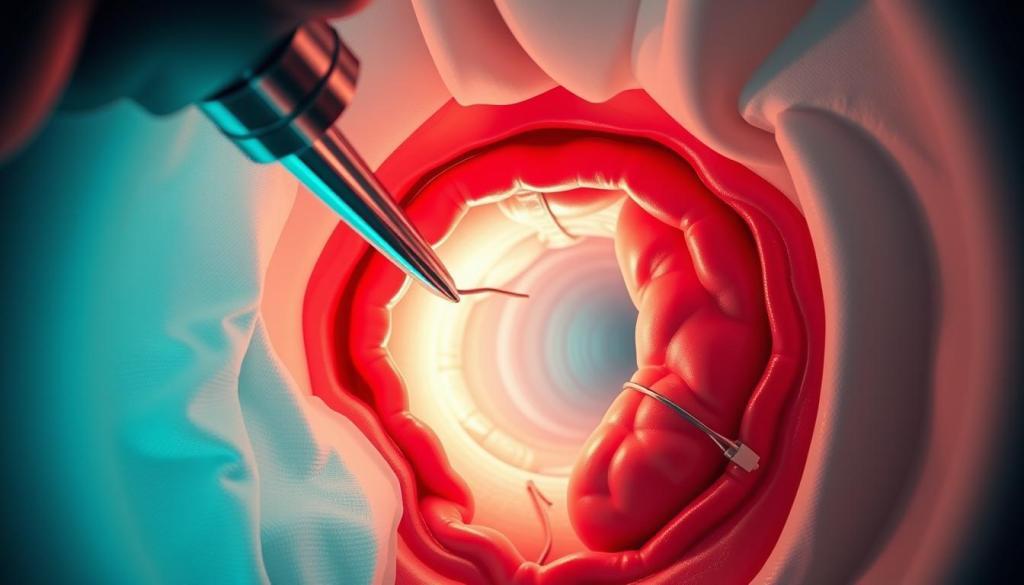
Endoscopic sleeve gastroplasty (ESG) is a new way to lose weight. It makes the stomach smaller, helping people shed pounds. This method is less invasive than old-school bariatric surgery, focusing on being safe and effective.
People who get ESG can lose 15 to 20 percent of their body weight. This is a big deal for those trying to slim down.
One cool thing about ESG is how fast you can get back to normal. You might go home the same day, and only need 1 to 2 days off work. To get ESG, you need a BMI of at least 30. Plus, it’s usually reversible, giving you options you don’t get with permanent surgeries.
After losing weight, you can use body contouring and sculpting to make your new shape even better.
Some of the key benefits of ESG include:
- Meaningful and durable weight loss
- Improvements in weight-related health conditions, such as sleep apnea and high blood pressure
- Low risk of adverse events
- Incisionless and no removal of stomach parts
ESG is a safe and effective way to lose weight. It has a quick recovery and few risks. But, remember, it’s important to work with a team of experts, like dietitians and psychologists, to get the best results and stay healthy.
| Procedure | Weight Loss | Recovery Time |
|---|---|---|
| Endoscopic Sleeve Gastroplasty | 15-20% of starting total body weight | 1-2 days |
Medication-Based Weight Loss Solutions
Many people look into medication-based weight loss options, like supplements and weight loss programs. These can work well when paired with a balanced diet and exercise. Studies show that medication can aid in weight loss, especially when combined with lifestyle changes.
Oral weight loss meds include Adipex (phentermine), Qsymia (phentermine/topiramate), and Contrave (naltrexone/bupropion). Injectables like Wegovy (semaglutide) and Zepbound (tirzepatide) are also available. Always talk to a doctor to find the right treatment for you.
Weight loss meds can help maximize results, chosen based on your health history and risk. Supplements can also support weight loss, but pick high-quality ones and follow the dosage. Joining weight loss programs offers a structured way to lose weight, with help on diet and exercise.
In summary, medication-based weight loss options, including supplements and weight loss programs, can be helpful. By combining these with a healthy lifestyle, you can reach your weight loss goals and boost your health.
Getting The Body of Your Dreams
Has Never been Easier…CLICK HERE TO LEARN MORE
Injectable Weight Loss Treatments

When looking into weight loss options, you might find injection therapies. These can help you feel less hungry and more full. Treatments like GLP-1 receptor agonists have shown to aid in weight loss. Used with weight loss medications, they can help you reach your goals.
Some key benefits of injectable weight loss treatments include:
- Reduced hunger and increased feelings of fullness
- Improved weight loss results when combined with weight loss medications
- Minimally invasive, with few side effects
Remember, injectable treatments are just one piece of the puzzle. Eating well and exercising regularly are still key. Adding injectable treatments to your routine might help you see better results and reach your goals faster.
Before trying injectable weight loss treatments, talk to a healthcare professional. They can help figure out if these treatments are right for you. They’ll also guide you in creating a weight loss plan that includes both injections and medications.
| Treatment | Benefits | Risks |
|---|---|---|
| GLP-1 Receptor Agonists | Reduced appetite, increased feelings of fullness | Potential side effects, such as nausea and vomiting |
| Other Injectable Options | Improved weight loss results, minimally invasive | May not be suitable for all individuals, potential interactions with other medications |
Body Contouring and Sculpting Methods

After losing a lot of weight, many people have leftover skin and fat. This is true whether they lost weight through diet, exercise, or surgery. Body contouring and sculpting can help shape the body better. These methods can also improve the look of the body after weight loss treatments.
Non-surgical body contouring, like CoolSculpting and SculpSure, are alternatives to liposuction. They can get rid of hard-to-lose fat. The results can last as long as the person keeps their weight the same.
For example, cryolipolysis can cut fat by up to 25% per session. You’ll start to see results in 1 month, and they’ll be complete in 2-3 months.
Some common non-surgical fat reduction treatments include:
- Cryolipolysis (CoolSculpting)
- Laser fat reduction (SculpSure)
- Injectable deoxycholic acid (Kybella)
- Ultrasound fat reduction
- Red light therapy
These treatments have different times, results, and side effects. But most aim to reduce fat with little downtime.
It’s important to talk to a healthcare professional to find the best body contouring method for you. This is especially true if you’re considering weight loss treatments or using intragastric balloons.
| Treatment | Duration | Results |
|---|---|---|
| Cryolipolysis | 35-60 minutes | Noticeable within 1 month, final after 2-3 months |
| Laser Fat Reduction | 25 minutes per area | Noticeable in 6 weeks, final in 12 weeks |
The Role of Dietary Supplements in Weight Loss

When looking at nonsurgical weight loss support, it’s key to know how dietary supplements work. They can help with weight loss, but how well they work varies. Always use them with a doctor’s advice. In a good weight loss program, supplements can help you reach your goals.
A good weight loss program mixes diet, exercise, and lifestyle changes. Adding supplements can make it even better. But, picking safe and effective supplements is crucial. Nonsurgical weight loss support is great for those who don’t want surgery.
When picking dietary supplements for weight loss, consider these points:
- Choose supplements with natural ingredients.
- Look for ones with scientific backing.
- Follow the dosage and usage instructions.
- Keep an eye on your progress and adjust as needed.
Adding dietary supplements to your weight loss program and nonsurgical weight loss support can boost your success. Always talk to a healthcare professional before starting any new supplements.
Getting The Body of Your Dreams
Has Never been Easier…CLICK HERE TO LEARN MORE
Structured Weight Loss Programs

Looking into structured weight loss programs is key when you want to lose weight. These programs offer the support and guidance you need for success. They work well with procedures like endoscopic sleeve gastroplasty or gastric plication. With medical help, commercial plans, and online support, you can reach and keep your weight loss goals.
The Ideal Protein Weight Loss Protocol is one such program. It has three phases: resetting your body, building healthy habits, and keeping a healthy lifestyle. It includes personal coaching and uses ketogenic snacks and meals. The HMR program also offers support group meetings and weight loss medications. It focuses on nutrition, behavioral health, and medical checks to tailor your weight loss plan.
Structured weight loss programs have important features:
- Medical supervision and guidance
- Personalized coaching and support
- Access to weight loss medications and nutrition counseling
- Emphasis on sustainable lifestyle changes
Choosing a structured weight loss program that fits your needs and goals is crucial. It sets you up for success and improves your health and well-being. Whether it’s through endoscopic sleeve gastroplasty, gastric plication, or other methods, these programs offer the support you need for a successful weight loss journey.
| Program | Features | Benefits |
|---|---|---|
| Ideal Protein Weight Loss Protocol | Personalized coaching, ketogenic snacks and meals | Sustainable weight loss, improved overall health |
| HMR Program | In-person support group meetings, access to weight loss medications | Accountability, medical guidance, and support |
Cost Considerations and Insurance Coverage

When looking into weight loss options, the cost of weight loss medications and injection therapies is key. Knowing what insurance covers is vital. The price of these treatments varies, and what insurance pays out depends on your plan and provider.
The cost for weight loss surgery can be between $20,000 and $25,000. But, with insurance, this cost drops a lot. Some plans might ask you to try a diet for 6 months first. You also need to show you’ve kept your weight stable to get approval.
Insurance for weight loss treatments isn’t always clear-cut. Some plans might ask for tests like heart or lung checks before they cover it. You’ll also need a mental health check to make sure you’re ready for surgery.
Most insurance companies want proof you really need the surgery. You must meet certain criteria, like a high BMI or obesity-related health issues. A BMI of 40 or more is often required, or 35 with health problems.
It’s important to look into the costs and what insurance covers for weight loss treatments. This includes weight loss medications and injection therapies. By understanding these, you can choose the best and most affordable path for your weight loss journey.
Recovery and Lifestyle Modifications

After a nonsurgical weight loss procedure, focusing on recovery and lifestyle changes is key. This includes following post-procedure care, dietary guidelines, and exercise plans. Services like body contouring and sculpting also help improve your weight loss journey.
Studies show that a healthy diet, supplements, blood work, and exercise lead to the best results. With nonsurgical weight loss support, you can see big improvements in your health and body shape. This includes the benefits of body contouring and sculpting.
Post-Procedure Care
Most patients recover from nonsurgical weight loss procedures in a week or less. It’s important to follow your healthcare provider’s post-procedure care instructions. This may include a specific diet, medication, and follow-up appointments.
Dietary Guidelines
Eating healthy is crucial for weight loss. Your healthcare provider might suggest a diet plan tailored for you. This could include advice from registered dietitians. Following these guidelines and using nonsurgical weight loss support can boost your results and health.
Exercise Recommendations
Regular exercise is also key for weight loss. Your healthcare provider might suggest a personalized exercise plan. This could include cardio and strength-training exercises. By following these plans and using nonsurgical weight loss support, you can see better results and improve your health and body shape.
Monitoring Progress and Maintaining Results

After losing weight, it’s key to keep track of your progress and stay on track. Joining weight loss programs can offer ongoing support and advice. Also, supplements can aid in weight loss and health.
Here are some tips to keep the weight off:
- Set achievable goals and monitor your progress.
- Drink plenty of water and eat a balanced diet.
- Stay active with regular exercise, like walking or workouts.
- Ensure you get enough sleep and manage stress well.
By following these tips and joining weight loss programs, you can keep your weight loss and achieve lasting success. Remember, supplements should complement a healthy diet and lifestyle, not replace them.
Remember, losing weight and keeping it off is a journey. It’s important to be patient and stay committed to your goals. With the right support and guidance, you can enjoy the benefits of a healthy weight for the long term.
| Weight Loss Method | Average Weight Loss |
|---|---|
| Non-surgical weight loss programs | 5-15% of body weight |
| Invasive bariatric surgery | 20-40% of body weight |
Potential Risks and Side Effects
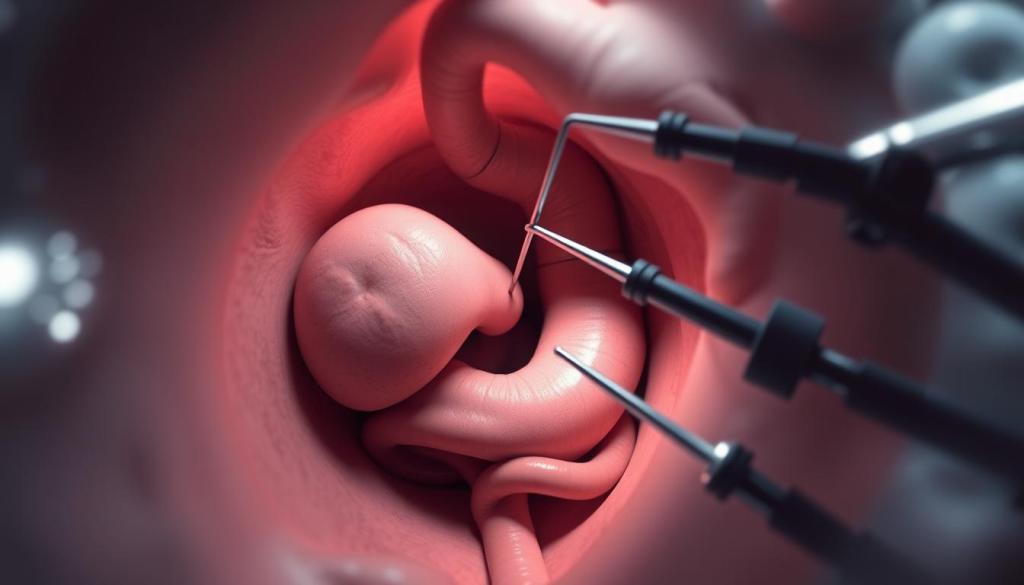
When looking into weight loss options, knowing the risks and side effects is key. This info helps you make a smart choice for your weight loss path. You might think about other options or need an endoscopic gastric bypass revision.
Weight loss surgeries can lead to serious issues. These include lung problems like atelectasis and pulmonary embolism. You could also face infections or bowel leakage. Knowing these risks helps you prepare and know when to get help.
Common Complications
- Atelectasis, leading to fever, pneumonia, or shortness of breath
- Pulmonary embolism due to blood clots forming in the legs
- Bowel leakage, which can involve high heart rate, abdominal pain, fever, and may result in death
- Difficulty eating due to scarring around the new stomach pouch connection, potentially requiring endoscopic treatment or revisional surgery
When to Seek Medical Attention
If you have severe symptoms like high fever, severe abdominal pain, or trouble breathing, get help right away. Knowing these risks helps you stay safe on your weight loss journey. This includes looking into endoscopic gastric bypass revision and other bariatric surgery alternatives.
Choosing Between Different Weight Loss Approaches

When looking at weight loss options, it’s key to compare different methods. Outpatient procedures like intragastric balloons and aspiration therapy are alternatives to traditional surgery.
Nearly 33% of adults in the U.S. are overweight, and over 40% are obese. This makes it important to look into various weight loss options. This includes non-surgical methods like intragastric balloons and aspiration therapy.
Factors to Consider
When picking a weight loss method, think about your health, lifestyle, and goals. For instance, intragastric balloons are temporary and might not fit everyone. Aspiration therapy, however, is a more lasting option but requires big lifestyle changes.
Getting The Body of Your Dreams
Has Never been Easier…CLICK HERE TO LEARN MORE
Questions to Ask Your Healthcare Provider
Talking to a healthcare provider is crucial before deciding. Here are some questions to ask:
- What are the potential risks and benefits of each weight loss approach?
- Which method is best for my needs and goals?
- What kind of support and follow-up care can I expect?
Conclusion: Making an Informed Decision About Your Weight Loss Journey
When thinking about weight loss, it’s key to be well-informed and supportive. Nonsurgical weight loss methods and bariatric options can be helpful. But, you must consider your personal needs, goals, and lifestyle.
Look for resources and weight loss programs that offer nonsurgical weight loss support. This support is crucial for your success.
Your weight loss journey is special, and what works for others might not work for you. Talk to healthcare experts, do your research, and ask questions. Making an informed choice will help you reach your goals and improve your health.
FAQ
What are the types of nonsurgical weight loss procedures available?
There are several nonsurgical weight loss options. These include intragastric balloons, aspiration therapy, endoscopic sleeve gastroplasty (ESG), and gastric plication.
Who qualifies for these nonsurgical weight loss procedures?
To qualify, your BMI and health conditions are checked. These procedures are for those who can’t or don’t want to have bariatric surgery.
How do endoscopic sleeve gastroplasty (ESG) and gastric plication work?
ESG and gastric plication are less invasive than traditional surgery. They shrink the stomach using endoscopy. This leads to eating less and losing weight.
What are the benefits of intragastric balloons and aspiration therapy?
Intragastric balloons and aspiration therapy help with weight loss. They limit food intake or remove calories. These methods are less invasive than surgery.
How can weight loss medications and injection therapies support nonsurgical weight loss?
Medications like GLP-1 receptor agonists and injectables can help. They work with lifestyle changes and nonsurgical procedures for better weight loss.
What are the potential risks and side effects associated with nonsurgical weight loss procedures?
Risks include nausea, vomiting, and discomfort. Knowing these risks and talking to a healthcare provider is important.
How can I maintain my weight loss results after a nonsurgical procedure?
Keep a healthy lifestyle with a balanced diet and exercise. Joining weight loss support programs also helps keep the weight off.
Source Links
- 3 Non-Surgical Weight Loss Procedures and their Benefits – DFW Bariatrics and General Surgery – https://www.dfwbariatricsurgery.com/3-non-surgical-weight-loss-procedures-benefits/
- Non-Surgical Weight Loss Center in NJ – https://www.bariatricsurgerynewjersey.com/non-surgical-weight-loss/
- The Safest Weight Loss Procedures Without Surgery – https://www.healthline.com/health/diet-and-weight-loss/weight-loss-procedures-without-surgery
- 12 Non-Surgical Weight Loss Benefits You Need to Know About – https://bariendo.com/blog/benefits-of-non-surgical-weight-loss-procedures/
- The comprehensive summary of surgical versus non-surgical treatment for obesity: a systematic review and meta-analysis of randomized controlled trials – https://pmc.ncbi.nlm.nih.gov/articles/PMC5129927/
- Comparative Effectiveness of Bariatric Surgery and Nonsurgical Therapy in Adults With Metabolic Conditions and a Body Mass Index of 30.0 to 34.9 kg/m² – https://effectivehealthcare.ahrq.gov/products/weight-loss-surgery/research-protocol
- Weight Loss Procedures Without Gastric Surgery – https://www.verywellhealth.com/weight-loss-procedures-without-surgery-8667766
- What to know about weight loss surgery and other options | HCA Florida – https://www.hcafloridahealthcare.com/healthy-living/blog/what-to-know-about-weight-loss-surgery-and-other-options
- Gastric Balloon – https://healthcare.utah.edu/weight-management/gastric-balloon
- Non-Surgical Path to Weight Loss with Gastric Balloons – https://www.istanbulmedassist.com/blog/non-surgical-path-to-weight-loss-with-gastric-balloons/
- New for weight loss: balloon therapy | WashU Medicine – https://medicine.washu.edu/news/new-for-weight-loss-balloon-therapy/
- Endoscopic Sleeve Gastroplasty – Brigham and Women’s Hospital – https://www.brighamandwomens.org/cwmw/endoscopic-sleeve-gastroplasty
- WVU Medicine performs the first endoscopic sleeve gastroplasty and REVISE procedures in the mid-Atlantic region using new FDA-approved devices – https://dentistry.wvu.edu/News/Story?headline=wvu-medicine-performsfirst-endoscopic-sleeve-gastroplasty-and-revise-procedures-inmid-atlantic-regio
- Study Shows ESG Weight Loss Procedure More Effective And Cheaper Than Ozempic – https://bariendo.com/blog/esg-more-effective-and-cheaper-than-ozempic/
- Non-Surgical Weight Loss (Incisionless) – https://journeylite.com/non-surgical-weight-loss/
- Non-Surgical Options for Weight Loss | McCarty Weight Loss Center – https://totalwellnessandbariatrics.com/non-surgical-options-for-weight-loss/
- Nonsurgical Weight Loss Procedures – https://www.dukehealth.org/treatments/weight-loss-surgery/endoscopic-weight-loss-procedures
- Top 5 weight loss treatments: Surgery, medications & more – https://www.gundersenhealth.org/health-wellness/staying-healthy/top-5-weight-loss-treatments-surgery-medications-more
- Non-Surgical Fat Reduction | ABCS | CoolSculpting, Kybella, SculpSure, UltraShape – https://www.americanboardcosmeticsurgery.org/procedure-learning-center/non-surgical/fat-reduction/
- Body Contouring After Weight Loss – https://www.hopkinsmedicine.org/health/treatment-tests-and-therapies/body-contouring
- Effects of exercise training and dietary supplement on fat free mass and bone mass density during weight loss – a systematic review and meta-analysis – https://pmc.ncbi.nlm.nih.gov/articles/PMC9396077/
- Surgical vs. Non-Surgical – Choosing the Right Weight Loss Procedure – https://www.anchoragebariatrics.com/news/surgical-vs-non-surgical-which-weight-loss-procedure-is-right-for-you/
- Non-Surgical Weight Loss Options -Alternatives to Bariatric Surgery – https://drcynthia.com/non-surgical-weight-loss-options-alternatives-to-bariatric-surgery/
- Medical Weight Loss (Non-Surgical) | AHN – https://www.ahn.org/services/medicine/bariatric-metabolic/treatments/medical-weight-loss
- Financing Weight Loss Surgery – https://www.webmd.com/obesity/financing-weight-loss-surgery
- Weight Loss Surgery Costs, Insurance Coverage & Financing Explained – https://www.alweightlosscenter.com/healthy-living/weight-loss-surgery-costs-insurance-coverage-financing-explained/
- How Much Does Bariatric Surgery Cost With and Without Insurance in 2024? | Nourish – https://www.usenourish.com/blog/bariatric-surgery-cost
- Nonsurgical Endobariatric Procedures | Ohio State Medical Center – https://wexnermedical.osu.edu/weight-management/nonsurgical-endobariatric-procedures
- Non-Surgical & Surgical Options | New Brunswick Weight Loss – https://www.rwjbh.org/rwj-university-hospital-new-brunswick/treatment-care/weight-loss-and-bariatric-surgery/non-surgical-surgical-options/
- Nonsurgical Endoscopic Weight Loss | Barnes-Jewish West County Hospital – https://www.barnesjewishwestcounty.org/Medical-Services/Bariatrics/Nonsurgical-Procedures-for-Weight-Loss
- Comparative Analysis of Bariatric Surgery and Non-surgical Therapies: Impact on Obesity-Related Comorbidities – https://pmc.ncbi.nlm.nih.gov/articles/PMC11488464/
- Losing Weight Without Surgery: A Guide to Non-Surgical Weight Loss Options | Peak Bariatric – https://peakbariatric.com/non-surgical-weight-loss-options/
- Surgical and Non-Surgical Interventions for Obesity in Service of Preserving Cognitive Function – https://pmc.ncbi.nlm.nih.gov/articles/PMC4503372/
- Risks & Benefits of Weight Loss Surgery – https://nyulangone.org/care-services/weight-management-program/surgical-weight-loss/risks-benefits-of-weight-loss-surgery
- Weight loss surgeries: Types, benefits, and risks – https://www.medicalnewstoday.com/articles/weight-loss-surgeries
- Weight Loss Surgery vs Natural Weight Loss vs Medication – https://jetmedicaltourism.com/weight-loss-surgery-vs-non-surgical-options/
- Bariatric Surgery and Long-term Durability of Weight Loss – https://pmc.ncbi.nlm.nih.gov/articles/PMC5112115/



 trim down and shape up
Leave a comment