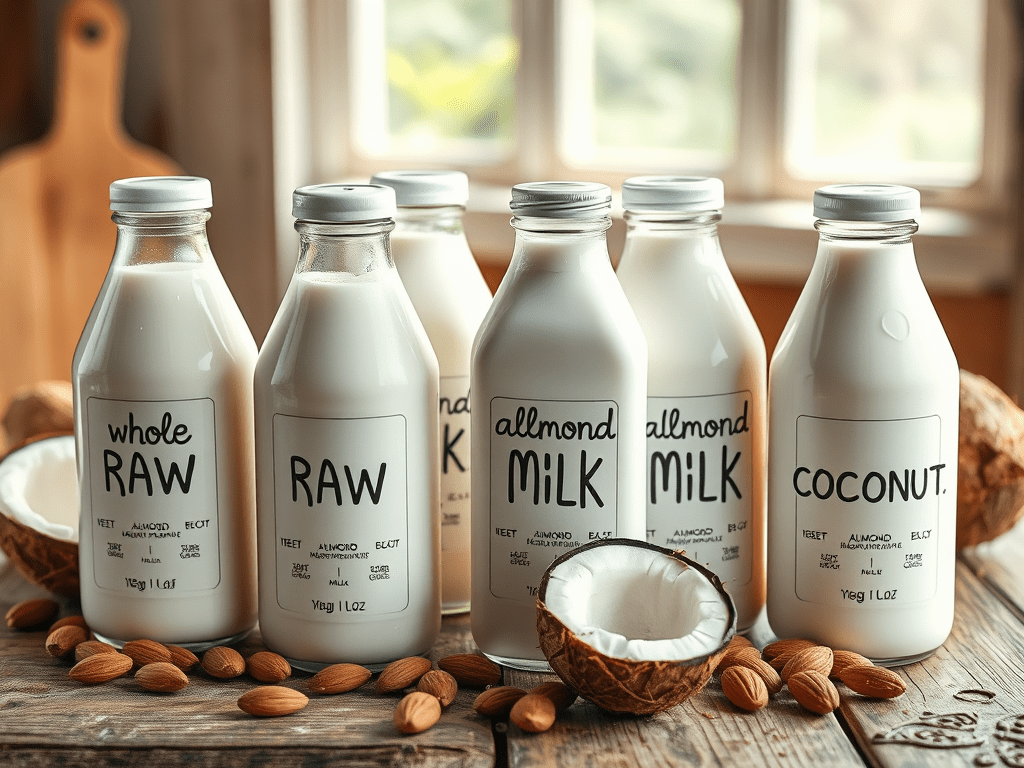


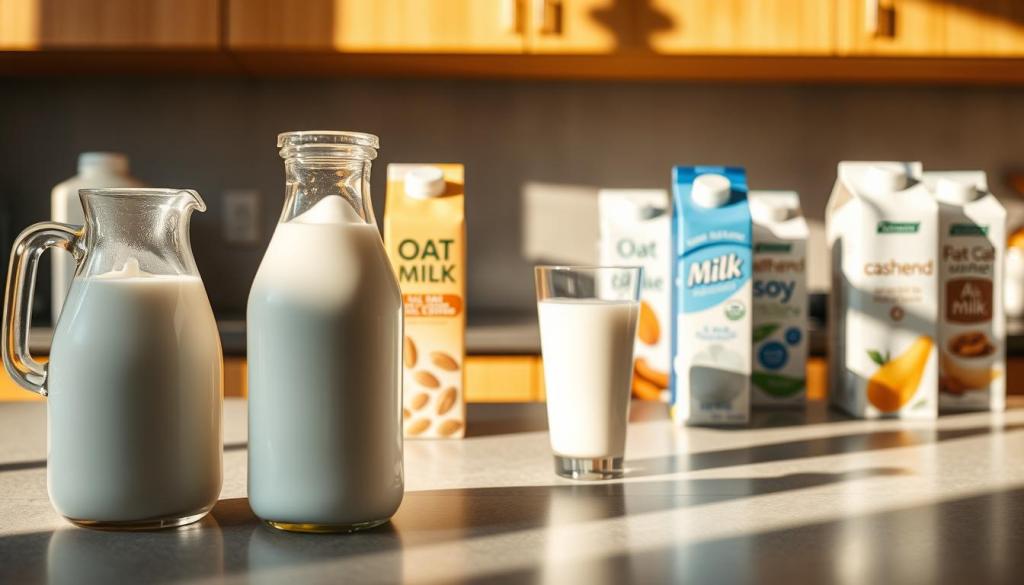
Milk is getting more attention, with many types like whole, raw, almond, and coconut. Think about what you need, like nutrition, dietary needs, and taste. Each milk has its own benefits and things to watch out for.
Whole milk has about 8 grams of fat per cup. Raw milk keeps its calcium and protein like pasteurized milk. Almond milk is a low-calorie choice, with unsweetened versions having only 30 calories per cup. Coconut milk offers a unique taste and nutrition.
Look at calories, protein, and calcium when picking the healthiest milk. Whole milk meets 25% of daily calcium needs in one serving. Plant-based milks like almond and coconut might have added sugars or thickeners, so always check the labels.
Key Takeaways
- Consider factors such as nutrition, dietary restrictions, and personal preferences when choosing a milk option.
- Whole milk contains approximately 8 grams of total fat per 1-cup serving.
- Raw milk retains the same high calcium and high protein benefits as pasteurized milk.
- Almond milk is a popular plant-based option, with unsweetened almond milk containing just 30 calories per 1-cup serving.
- Coconut milk has a distinct flavor and nutritional profile, with 0 grams of saturated fat and only 1.5 grams of total fat per 1-cup serving.
- Check the ingredient labels for added sugars and thickeners in plant-based milks.
- Consider the caloric content, protein levels, and calcium content when evaluating the healthiest milk options.
Understanding Different Types of Milk
Choosing the healthiest milk can be tough with so many options. You can pick from traditional dairy milk, plant-based alternatives, or special milk products. Traditional dairy milk, like whole and raw milk, is nutritious but not for everyone, especially those with lactose intolerance.
Plant-based milks, such as almond and coconut milk, are getting more popular. They have fewer calories and less saturated fat than dairy milk. But, it’s important to check the nutritional content and additives in these milks. Some are fortified with calcium, vitamins, and minerals, making them a good choice for those avoiding dairy.
Think about your dietary needs and likes when picking milk. For a low-calorie option, almond or coconut milk might be right. If you want something similar to dairy milk, soy or oat milk could be better. The best milk for you is one that’s low in added sugars, saturated fats, and artificial stuff.
| Milk Type | Calories | Protein | Fat |
|---|---|---|---|
| Whole Milk | 149 | 8g | 11.7g |
| Almond Milk | 36.6 | 1.3g | 3g |
| Soy Milk | 92.7 | 8.7g | 5.2g |
The Truth About Whole Milk
Whole milk is a favorite for many looking for the best milk for health. It’s packed with protein, calcium, and other nutrients. But, it also has a lot of calories and fat.
Research shows whole milk has about 150 calories per cup. It has a lot of fat. Yet, it’s also very nutritious, with about 8 grams of protein per glass. The body can absorb 30-32% of calcium from dairy like whole milk, which is great for bones.
Some of the key benefits of whole milk include:
- Rich in protein and calcium
- Supports bone health and muscle growth
- May facilitate short-term weight loss when combined with calorie restriction
But, whole milk might not be good for everyone, especially those with lactose intolerance. In some East Asian communities, over 90% are lactose intolerant. So, it’s important to find other options. Still, for those who can handle it, whole milk can add nutrition to a diet.
In conclusion, whole milk can be a great part of a healthy diet. It offers important nutrients and supports nutrition. Knowing the good and bad about whole milk helps you decide if it’s right for you.
Raw Milk: Benefits and Risks
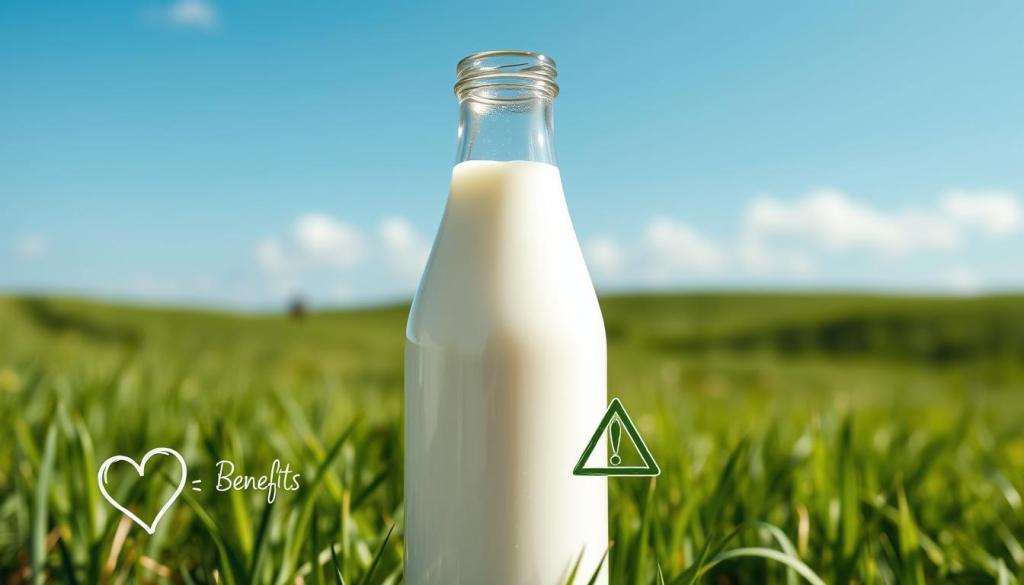
Raw milk has both good and bad sides. It has 150 calories per cup and 8 grams of protein. It also has 30% of the daily calcium and 6% of Vitamin A and iron.
Raw milk might help with stomach issues and bloating. It has more CLA and omega-3s than milk from cows eating grains. These can lower diabetes and heart disease risks.
Potential Health Benefits
Raw milk could improve digestion and boost your immune system. It has good bacteria and enzymes. But, there are safety concerns to think about.
Safety Concerns
Raw milk might have harmful bacteria. It’s important to get it from trusted farms. Adults might stay healthy with 3 cups of raw milk a day, but be careful.
Legal Considerations
Laws about raw milk vary by state. Know the rules in your area before buying or drinking it. Understanding the pros and cons helps you decide if raw milk is for you.
Plant-Based Revolution: Almond Milk

Exploring plant-based milk options might lead you to consider almond milk. It’s known for being low in calories and fat. This makes it a favorite among those who watch their diet.
Almond milk is also good for the planet. It takes much less water to make than cow’s milk. This is great for those who want to lessen their environmental impact.
Here are some key benefits of almond milk:
- Low in calories and fat
- Rich in vitamins and minerals
- Low environmental impact
- Fortified with calcium and vitamin D
But, there are some downsides to almond milk. It often has less protein than cow’s milk or soy milk. Yet, many brands add nutrients to make it as nutritious as cow’s milk.
In summary, almond milk is a top choice for plant-based milk options. It’s low in calories and fat and is better for the environment. It’s a great option for those seeking a healthy and sustainable milk alternative.
| Milk Type | Calories per Cup | Protein per Cup | Calcium per Cup |
|---|---|---|---|
| Almond Milk | 30-60 | 1-2g | 450-500mg |
| Cow’s Milk | 170 | 8g | 300mg |
| Soy Milk | 80-100 | 8-10g | 300-400mg |
What’s the Healthiest Milk? A Guide to Whole, Raw, Almond, Coconut, and More
Choosing the healthiest milk can be tricky. A nutritional comparison of different milks can guide you. Whole cow’s milk has 149 calories, 8 grams of protein, and 11.7 grams of fat per 240 mL. On the other hand, unsweetened almond milk has 36.6 calories, 1.3 grams of protein, and 3 grams of fat per 240 mL.
Looking at the caloric content analysis of various milks shows big differences. Unsweetened soy milk has 92.7 calories per 240 mL, while plain coconut milk has 76 calories. To find the healthiest milk, think about protein, calcium, and any allergens or additives.
Here’s a look at the nutritional content of different milks:
| Milk Type | Calories | Protein | Fat | Calcium |
|---|---|---|---|---|
| Whole Cow’s Milk | 149 | 8g | 11.7g | 300mg |
| Unsweetened Almond Milk | 36.6 | 1.3g | 3g | 422.1mg |
| Unsweetened Soy Milk | 92.7 | 8.7g | 5.2g | 246.4mg |
The healthiest milk for you depends on your needs and likes. By looking at the nutritional comparison and caloric content analysis of different milks, you can pick the best one for your health.
The Rise of Coconut Milk

Coconut milk has become more popular lately. It’s known for its health benefits and uses in cooking. You can use it as a dairy substitute in smoothies, curries, and more. It’s full of medium-chain triglycerides (MCTs), which are good for your heart and help with weight.
Some of the key benefits of coconut milk include:
- High in healthy fats, including MCTs
- Rich in fiber and protein
- Can help with weight management and improved digestion
Coconut milk is great in both sweet and savory dishes. It makes creamy soups, curries, and sauces. It’s also good as a base for smoothies and desserts. It’s a favorite in vegan and paleo recipes because it’s dairy-free and gluten-free.
Coconut milk is a nutritious and versatile ingredient. It adds flavor and nutrition to many dishes. Its health benefits and uses in cooking make it a favorite among health-conscious people.
Environmental Impact of Different Milk Options

When picking milk, think about how it affects the planet. Dairy milk uses a lot of water and land. On the other hand, plant-based milks like almond, soy, and oat milk are better for the environment.
Cow’s milk sales have fallen by 6% in a year. But, plant-based milk sales have gone up by 9%. People are choosing plant-based milks because they know they’re better for the planet. For example, oat milk makes way less greenhouse gas and uses less energy than cow’s milk.
Here are some key statistics to consider:
- Soy milk’s greenhouse gas emissions are much lower than those of dairy milk and are comparable to almond and pea milk.
- Soybeans require less than 10% of the water needed for almond production.
- Oat milk production requires about 80% less land than cow’s milk.
Think about the planet when you choose milk. Plant-based milks are a greener choice. They help reduce your carbon footprint and support a sustainable food system. By making smart choices, you can help our planet and the food industry become more eco-friendly.
Reading Milk Labels: What to Look For
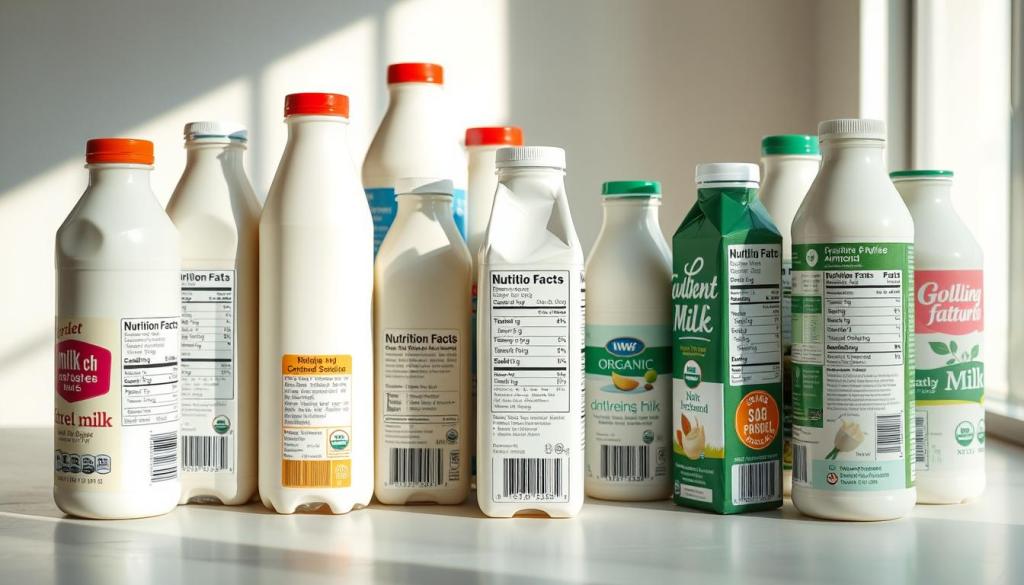
When you’re reading milk labels, it’s key to know what to look for. This helps you make smart choices about dairy or dairy-free options. Start by checking the ingredient list and nutrition label for common additives and sugar content.
Look out for common additives like carrageenan, gums, and natural flavors. These can pose health risks, such as intestinal inflammation and cancer. Also, watch the sugar content in your milk or milk alternative. Too much sugar can lead to obesity, type 2 diabetes, and heart disease.
Understanding Sugar Content and Additives
For a healthier choice, go for unsweetened and unflavored options. Some milk alternatives, like almond milk and soy milk, are fortified with important nutrients. But, they might have added sugars or natural flavors. Always check the labels for these and choose brands that use natural ingredients.
Making Informed Choices
By taking the time to read milk labels and understand what’s inside, you can make better choices. Always check for common additives and sugar content. This way, you ensure you’re getting the best for your health and wellbeing.
Making the Right Choice for Your Dietary Needs
Choosing a milk option can be tough, with so many choices out there. It’s important to think about your dietary needs. This is true whether you’re dealing with lactose intolerance or trying to manage your weight.
Look at the nutritional value of each milk type. Cow’s milk has protein, carbs, and calcium. On the other hand, plant-based milks like almond and soy milk have fewer calories and different amounts of protein and calcium.
If you have lactose intolerance, lactose-free or acidophilus milk might be better. For those watching their weight, almond or cashew milk could be a good choice.
In the end, the right choice depends on your personal needs and likes. By comparing the benefits and drawbacks of each milk, you can pick one that’s good for your health and happiness.
| Milk Option | Calories per Cup | Protein per Cup |
|---|---|---|
| Cow’s Milk | 150 | 8g |
| Almond Milk | 30-60 | 1-2g |
| Soy Milk | 80-100 | 8-10g |
Storage and Shelf Life Tips

Proper milk storage is key to keeping it fresh longer. Store milk in a cool, dry spot. Refrigeration is vital for most milk types, as it slows down harmful bacteria growth.
Here are some shelf life tips to remember:
- Always check the expiration date before buying milk.
- Store milk in the coldest part of the fridge, usually the bottom shelf.
- Keep milk away from strong-smelling foods, as it can absorb odors easily.
By following these storage and shelf life tips, you can enjoy milk longer. It keeps its nutritional value and taste better. Always check for spoilage signs like an off smell or slimy texture before drinking.
Good handling and storage and shelf life practices greatly improve milk quality and safety. Being aware of these factors lets you enjoy a variety of milks while staying healthy.
Conclusion: Choosing Your Ideal Milk Option
There are many milk options out there, each with its own benefits and drawbacks. You might choose traditional dairy milk, plant-based alternatives like almond or oat milk, or even raw milk. The right choice depends on your diet, preferences, and lifestyle.
The milk industry is changing fast. More people are choosing plant-based milks, which now make up 15% of US sales. At the same time, dairy milk sales have dropped over the last 20 years.
Think about what you need when picking a milk. Consider your lactose tolerance, calorie and protein needs, and how it affects the environment. Knowing the good and bad of each type helps you choose the best milk for you. The healthiest milk is the one that fits your personal needs and goals.
FAQ
What are the different types of milk available?
You can find many types of milk, like traditional dairy and plant-based options. Some common ones include whole milk, raw milk, almond milk, and coconut milk.
What are the benefits and drawbacks of whole milk?
Whole milk has lots of calories and fat but also protein and calcium. It can help with bone health and muscle growth. But, it might lead to weight gain and high cholesterol.
What are the potential health benefits and safety concerns of raw milk?
Raw milk might improve digestion and immune health. But, it can also cause foodborne illnesses. Check local laws and safety before drinking raw milk.
What are the nutritional benefits and pros and cons of almond milk?
Almond milk is low in calories and fat. It has vitamin E and is good for those watching their diet. But, it might have additives and is not safe for nut allergies.
How do the different milk options compare in terms of nutrition?
Look at calories, protein, calcium, and additives when comparing milk. A guide can help pick the healthiest milk for you.
What are the unique health benefits and culinary applications of coconut milk?
Coconut milk is high in calories and fat but good for heart health and immunity. It tastes unique and is great in cooking and baking.
What is the environmental impact of different milk options?
Milk production’s environmental impact varies. Dairy farming uses a lot of water and land. Plant-based milks might be better for the planet. Think about the environment when choosing milk.
What should I look for when reading milk labels?
Check labels for additives, sugar, and fortification. Avoiding added sugars and additives helps find healthier milk options.
How can I make the right milk choice for my dietary needs?
Consider your dietary needs, like lactose intolerance or weight goals. Choose milk that meets your nutritional needs and health goals.
How should I store and handle milk to maximize its shelf life?
Store milk in the fridge and avoid contamination. Follow storage tips and check expiration dates to keep milk fresh and safe.
Source Links
- What’s the healthiest milk? A guide to whole, raw, almond, coconut and more. – https://www.yahoo.com/lifestyle/whats-healthiest-milk-guide-whole-100051579.html
- What’s the healthiest milk? A guide to whole, raw, almond, coconut and more. – https://www.aol.com/lifestyle/whats-healthiest-milk-guide-whole-100051477.html
- The 7 Healthiest Milk Options – https://www.healthline.com/nutrition/healthiest-milk
- Is Milk Good for You? – Consumer Reports – https://www.consumerreports.org/health/milk-milk-alternatives/is-milk-good-for-you-a1121798477/
- Healthiest Milk: 9 Dairy and Plant-Based Options – https://zoe.com/learn/healthiest-milk
- Which milk is best? Almond, hemp, oat, soy, or cow’s milk – https://www.medicalnewstoday.com/articles/325425
- What is the No. 1 healthiest milk for weight loss? A dietitian’s top pick – https://www.today.com/health/diet-fitness/best-milk-for-weight-loss-rcna174857
- IF YOU DRINK RAW MILK EVERY DAY THIS MIGHT HAPPEN TO YOUR BODY — RAW FARM usa – https://rawfarmusa.com/blog/if-you-drink-raw-milk-every-day-this-might-happen-to-your-body
- What Milk Should I Drink? – https://www.webmd.com/diet/ss/slideshow-what-milk-to-drink
- Plant-Based Milk: What to Consider When Choosing a Dairy Milk Alternative – https://foodrevolution.org/blog/milk-substitutes/
- What’s the most environmentally-friendly plant-based milk to bake with? – https://www.kingarthurbaking.com/blog/2022/02/04/whats-the-most-environmentally-friendly-plant-based-milk-to-bake-with
- Experts say trendy milk varieties could be full of PESTICIDES – https://www.dailymail.co.uk/wellness-us/nutrition/article-13165257/best-milk-healthiest-varieties-almond-soy-coconut.html
- How Milk Can Fit Into a Healthy Diet for Weight Loss – https://www.loseit.com/articles/the-healthiest-milk-according-to-dietitians/
- Which milk is healthiest? – https://www.bbcgoodfood.com/health/special-diets/which-milk-right-you
- What You Need to Know When Choosing Milk and Milk Alternatives – https://health.clevelandclinic.org/what-you-need-to-know-when-choosing-milk-and-milk-alternatives
- Milk: Which Kind Does Your Body Good? – https://www.ymcamidtn.org/health-and-fitness/articles/milk-which-kind-does-your-body-good
- Which Plant-Based Milk Is Best for the Environment? – https://ediblebrooklyn.com/2020/plant-milks-sustainability/
- How good is your milk (for you and for the environment)? – https://www.thetimes.com/life-style/food-drink/article/how-good-is-your-milk-for-you-and-for-the-environment-8njqww2nd
- Almond Milk vs. Cow’s Milk vs. Soy Milk vs. Rice Milk – https://www.healthline.com/health/milk-almond-cow-soy-rice
- What Are The Healthiest Non-Dairy Milks To Drink? – https://foodbabe.com/what-are-the-healthiest-non-dairy-milks-to-drink/
- Clean Eating Guide to Plant-Based Milks | GIRLS WHO EAT – https://girlswhoeat.com/clean-eating/guide-to-plant-based-milk/
- Milk Comparison Chart – Dairy Alternatives Vs Dairy Milk Nutrition – https://www.bucketlisttummy.com/nutritionalbenefitsofmilk/
- Dairy and Plant-Based Milks: Implications for Nutrition and Planetary Health – https://pmc.ncbi.nlm.nih.gov/articles/PMC10504201/
- Is Milk Healthy, Safe, Necessary? And What about Milk Alternatives? — Fit Plate Nutrition – https://www.fitplatenutrition.com/fit-plate-blog/is-dairy-healthy-dairy-amp-daily-alternative-talk-jwhke
- How well do plant based alternatives fare nutritionally compared to cow’s milk? – https://pmc.ncbi.nlm.nih.gov/articles/PMC5756203/



 trim down and shape up
Leave a comment