


Have you ever wondered why some nutrients get all the attention while others stay in the shadows? Vitamin K2 is one such nutrient, often overlooked despite its critical role in maintaining your health. While many focus on vitamins like D or C, K2 quietly supports essential bodily functions, from blood clotting to bone metabolism.
Unlike its cousin, K1, which is primarily found in leafy greens, K2 is abundant in fermented foods and animal products. This distinction makes it unique in how it supports your body. Modern research highlights its importance in maintaining bone mineral density and overall wellness, yet it remains underappreciated in daily diets.
As you dive deeper into this article, you’ll discover how K2 works, its dietary sources, and why it’s a game-changer for your health. From supporting bone mineral health to aiding in blood regulation, this nutrient deserves a spotlight in your wellness routine.
Key Takeaways
- Vitamin K2 is essential for blood clotting and bone metabolism.
- It differs from K1 in dietary sources and bodily functions.
- Supports bone mineral density and overall health.
- Found in fermented foods and animal products.
- Modern research emphasizes its multi-faceted health benefits.
Introduction to Vitamin K2 and Total Wellness
When it comes to nutrients, some are stars while others remain unsung heroes. Vitamin K2 falls into the latter category, playing a critical role in your overall health. It supports essential processes like bone mineral density, protein functionality, and cell maintenance. Despite its importance, it’s often overlooked in daily diets.
One of its key functions is activating osteocalcin, a protein that helps bind calcium to your bone matrix. This process ensures your skeletal system stays strong and healthy. Without adequate K2, calcium can end up in the wrong places, like arteries, leading to potential health issues.
K2 also plays a role in cellular health. It helps regulate proteins that support cell growth and repair. This makes it vital for maintaining your body’s biochemical balance. From bone strength to protein regulation, K2 is a cornerstone of total wellness.
Understanding its importance is the first step toward optimizing your health. As you’ll see in the following sections, K2’s benefits extend far beyond what most people realize.
Understanding Vitamin K: Distinguishing K1 from K2
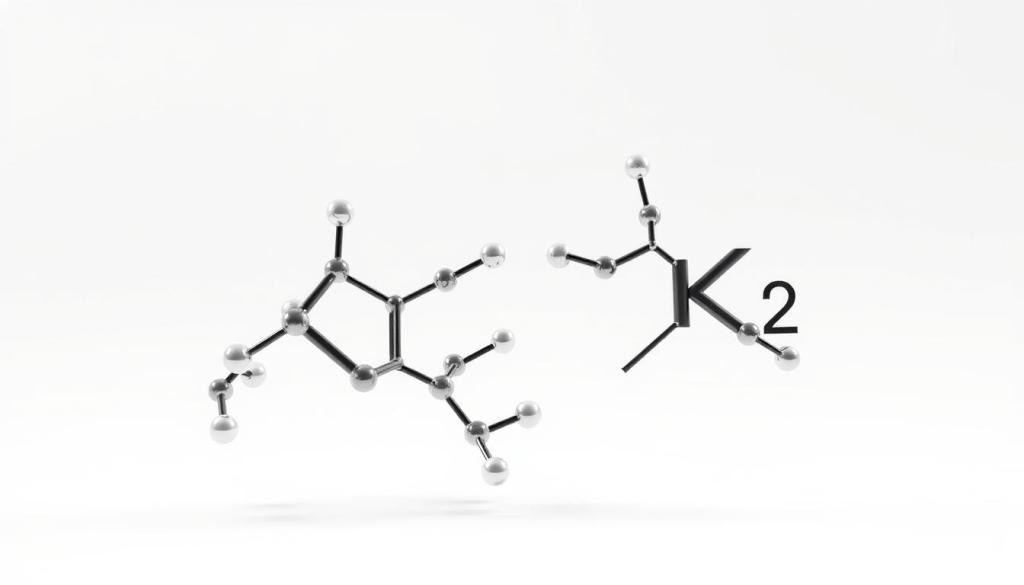
Not all forms of vitamin K are created equal—K1 and K2 serve different purposes. While they share a name, their chemical structures, sources, and effects on the body vary significantly. Understanding these differences can help you make informed choices about your diet and health.
Chemical Structures and Variants
Vitamin K1, also known as phylloquinone, has a single form found in green leafy vegetables. It plays a key role in blood clotting. On the other hand, K2, or menaquinones, comes in multiple forms, each with a different side-chain length. These variations influence how K2 is absorbed and utilized in the body.
For example, MK-4 and MK-7 are two common forms of K2. MK-7, found in fermented foods like natto, has a longer half-life, making it more effective for long-term health benefits. This distinction highlights why K2 is often considered more versatile than K1.
Dietary Sources and Production
Vitamin K1 is naturally produced in plants, especially leafy greens like spinach and kale. However, only 10–15% of K1 is absorbed in your digestive tract. In contrast, K2 is synthesized by bacteria and found in fermented foods, meat, and dairy products. This difference in production and sources affects how each form impacts your health.
For instance, natto, a Japanese fermented soybean dish, contains high levels of MK-7. This form of K2 has been shown to support bone health and reduce the risk of fractures. Meanwhile, K1 primarily supports blood clotting, making both nutrients essential but distinct in their roles.
Research articles emphasize that K2’s longer chain variants, like MK-7, have a more pronounced effect on bone and cardiovascular health. This makes K2 a valuable addition to your diet, especially if you’re looking to optimize long-term wellness.
Dietary Sources and Absorption of Vitamin K2

Many nutrients are essential, but few are as uniquely sourced as vitamin K2. Unlike other vitamins, it’s primarily found in animal products and fermented foods. This makes it a standout nutrient in your diet, especially if you’re looking to optimize your health.
Animal and Fermented Food Origins
Your body relies on specific foods to get enough vitamin K2. Fermented foods like natto, a Japanese soybean dish, are rich in MK-7, a highly bioavailable form. Animal products such as cheese, egg yolks, and liver also provide significant amounts. These sources ensure your body gets the nutrients it needs for bone and cardiovascular health.
Studies show that natto contains around 900 µg of MK-7 per 100 grams, making it one of the richest sources. Cheese, particularly hard varieties, also contributes to your dietary intake, providing MK-8 and MK-9 forms. Including these foods in your meals can help maintain optimal levels of this vital nutrient.
Bioavailability and Intestinal Conversion
Absorption of vitamin K2 varies depending on its form. MK-7, found in fermented foods, has a longer half-life and higher bioavailability compared to other forms. This means it stays in your system longer, providing sustained benefits.
Your small intestine plays a key role in absorbing K2. Once absorbed, it’s distributed to tissues like bones and arteries, where it supports calcium regulation. Research highlights that MK-7 is more effective than MK-4 in maintaining bone mineral density, making it a superior choice for long-term health.
“Higher bioavailability of MK-7 ensures your body reaps the benefits of vitamin K2 more efficiently.”
Understanding these differences can help you make informed choices about your dietary habits. Whether you’re consuming fermented foods or animal products, each source contributes to your overall level of vitamin K2, supporting your health in unique ways.
Vitamin K2’s Role in Blood Clotting and Bone Health
Nutrients often work behind the scenes, quietly supporting your health in ways you might not notice. Vitamin K2 is one such nutrient, playing a dual role in blood clotting and bone health. Its ability to regulate these processes makes it essential for maintaining overall wellness.
Coagulation Processes
Blood clotting is a vital process that prevents excessive bleeding. Vitamin K2 activates proteins involved in coagulation, ensuring your blood clots properly. Without it, you could face a higher risk of bleeding disorders.
Research shows that deficiency in this nutrient can lead to impaired clotting. This increases the likelihood of conditions like hemorrhagic disease. Ensuring adequate intake helps maintain this critical balance.
Bone Mineral Density and Osteocalcin Activation
Beyond blood health, Vitamin K2 is crucial for your bones. It activates osteocalcin, a protein that binds calcium to your bone matrix. This process strengthens your skeletal system and reduces fracture risk.
Studies using rat models have demonstrated its effect on bone density. Rats supplemented with K2 showed improved bone strength and structure. These findings highlight its potential in preventing bone-related diseases.
“Activating osteocalcin ensures calcium is directed to your bones, not your arteries.”
By supporting both blood clotting and bone health, Vitamin K2 proves its versatility. Including it in your diet can help you avoid deficiencies and maintain optimal health.
The Wide, Encompassing Role of Vitamin K2 on Human Health
Some nutrients are well-known, but others quietly support your health in profound ways. Vitamin K2 is one such nutrient, offering benefits that extend far beyond bone metabolism. Its ability to regulate calcium levels and support overall health makes it indispensable.
One of its key roles is ensuring calcium is utilized correctly. Without K2, calcium can accumulate in arteries instead of bones, leading to potential health issues. This nutrient activates proteins that direct calcium to your skeletal system, strengthening bones and reducing the risk of osteoporosis.
Research shows that consistent intake of K2-rich food can significantly lower the risk of bone fractures. For example, a study found that individuals with higher K2 intake had a 52% reduction in vertebral fractures. This highlights its importance in maintaining bone structure and quality.
“Proper calcium utilization is essential for bone health, and K2 ensures it reaches the right places.”
Beyond bones, K2 supports cardiovascular health by preventing arterial calcification. It also plays a role in cellular processes, ensuring your body functions optimally. Including K2-rich food in your diet, such as fermented foods and animal products, is crucial for reaping these benefits.
- Regulates calcium levels, preventing arterial calcification.
- Reduces the risk of osteoporosis by strengthening bones.
- Supports overall health through cellular and cardiovascular benefits.
- Found in fermented foods, cheese, and animal products.
By understanding the wide-ranging benefits of K2, you can make informed choices to support your health. Consistent dietary intake of this nutrient is key to maintaining strong bones, a healthy heart, and overall wellness.
Impact on Bone Modeling and Remodeling
Bone health is a dynamic process, constantly balancing formation and breakdown. This balance, known as bone remodeling, is essential for maintaining skeletal strength. Vitamin K2 plays a critical role in this process, ensuring your bones stay healthy and resilient.
Osteogenesis and Osteoclast Regulation
Bone formation, or osteogenesis, relies on the activity of osteoblasts. These cells build new bone tissue, and vitamin K2 supports their function. It activates proteins like osteocalcin, which binds calcium to the bone matrix. This process strengthens your skeleton and reduces fracture risk.
On the flip side, osteoclasts are responsible for bone resorption. Without proper regulation, they can weaken bones. Vitamin K2 helps balance this activity, ensuring resorption doesn’t outpace formation. Studies show that adequate intake can lower the risk of osteoporosis and related fractures.
“Activating osteocalcin ensures calcium is directed to your bones, not your arteries.”
Research highlights the role of vitamin K2 in maintaining this balance. For example, individuals with higher intake levels show improved bone density and reduced fracture rates. This nutrient is particularly important for aging adults, who face a higher risk of bone-related issues.
By supporting both osteogenesis and osteoclast regulation, vitamin K2 ensures your bones remain strong and healthy. Including it in your diet can help you maintain optimal bone health throughout your life.
Mechanistic Insights: Calcium Homeostasis and Cellular Processes

Calcium balance in your body is a complex process, and vitamin K2 plays a pivotal role in maintaining it. This nutrient ensures calcium is directed to your bones, not your arteries, supporting overall health. Understanding the molecular pathways involved can help you appreciate its importance.
Molecular Pathways Involved
Vitamin K2 activates proteins like osteocalcin, which binds calcium to your bone matrix. This process strengthens your skeleton and prevents calcium from accumulating in soft tissues. Another key factor is matrix Gla protein (MGP), which inhibits arterial calcification.
Research shows that vitamin K2 supports cellular functions by regulating these proteins. For example, it enhances osteocalcin activity, improving bone density. It also activates MGP, reducing the risk of cardiovascular issues. These mechanisms highlight its role in maintaining calcium homeostasis.
“Activating osteocalcin ensures calcium is directed to your bones, not your arteries.”
Differences in Populations
Studies reveal that women may benefit more from vitamin K2 due to its impact on bone health. Postmenopausal women, in particular, show improved bone density with adequate intake. This suggests that vitamin K2 could be a vital nutrient for this group.
Additionally, research indicates that higher intake levels correlate with reduced fracture rates. This is especially important for aging populations, who are at greater risk of bone-related issues. Ensuring sufficient intake can help maintain skeletal strength and overall health.
| Molecular Pathway | Effect |
|---|---|
| Osteocalcin Activation | Strengthens bones by binding calcium |
| Matrix Gla Protein (MGP) Activation | Prevents arterial calcification |
| Calcium Homeostasis | Maintains balance between bones and soft tissues |
By understanding these pathways, you can see how vitamin K2 supports your body’s biochemical balance. Whether you’re focusing on bone health or cardiovascular wellness, this nutrient is essential for maintaining optimal health.
Exploring Vitamin K2 in Osteoporosis Treatment
Osteoporosis affects millions, but few know how vitamin K2 can help. This nutrient plays a critical role in bone health, making it a potential game-changer in osteoporosis treatment. Clinical research highlights its ability to strengthen bones and reduce fracture risks.
Studies show that vitamin K2 activates proteins like osteocalcin, which bind calcium to your bone matrix. This process enhances bone density and prevents fractures. For example, a Japanese study found that supplementation reduced vertebral fractures by 52% in osteoporosis patients.
Clinical Research and Supplementation Studies
Research consistently supports vitamin K2’s role in bone health. In one study, women taking 45 mg daily experienced fewer fractures compared to those on drug therapy. This highlights its potential as a natural treatment option.
Supplementation also improves bone mineral density (BMD). Combining it with calcium and vitamin D enhances its effectiveness. This makes it a valuable addition to osteoporosis management plans.
“Vitamin K2 ensures calcium is directed to your bones, not your arteries, reducing fracture risks.”
However, there are limitations. High-dose supplements, like those used in Japanese studies, are not widely available in the U.S. This can make it challenging to replicate their results. Despite this, lower doses still offer significant benefits.
Practical Considerations for Treatment
Incorporating vitamin K2 into your routine can support bone health. Here’s how:
- Include fermented foods like natto in your diet.
- Consider supplements with MK-7, a highly bioavailable form.
- Pair it with calcium and vitamin D for optimal results.
By understanding its function and benefits, you can make informed choices for your body. Vitamin K2 is a powerful tool in the fight against osteoporosis, offering hope for stronger, healthier bones.
Vitamin K2 and Cardiovascular Support
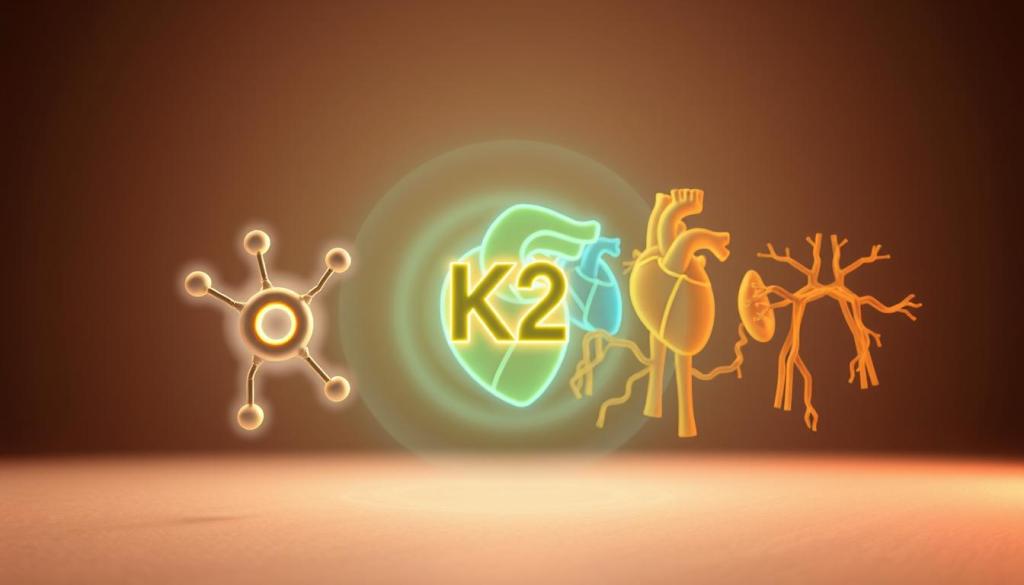
Your heart health depends on more than just diet and exercise—nutrients like vitamin K2 play a crucial role. This nutrient, particularly in the form of menaquinone, supports vascular health by preventing arterial calcification. Ensuring consistent intake can lower your risk of heart disease and improve overall cardiovascular function.
Prevention of Arterial Calcification
Arterial calcification occurs when calcium builds up in your arteries, leading to stiffness and reduced blood flow. Vitamin K2 activates proteins like matrix Gla protein (MGP), which prevent this harmful buildup. Studies show that higher intake of menaquinone reduces the risk of arterial calcification, supporting healthier blood vessels.
For example, research from the Rotterdam Heart Study found that participants with the highest source of vitamin K2 had a 57% lower risk of heart disease. This highlights the importance of including supplement options or dietary sources like natto and cheese in your routine.
Role in Vascular Health
Beyond preventing calcification, vitamin K2 enhances vascular health by improving arterial flexibility. It ensures calcium is directed to your bones, not your arteries, maintaining proper blood flow. This nutrient also supports endothelial function, which is critical for healthy blood vessels.
“Activating MGP ensures calcium is directed to your bones, not your arteries, reducing cardiovascular risks.”
Incorporating menaquinone-rich foods or a supplement can help you maintain optimal vascular health. Fermented foods like natto are an excellent source, providing the MK-7 form, which has higher bioavailability and longer-lasting effects.
By understanding the benefits of vitamin K2, you can take proactive steps to support your heart and vascular system. Consistent intake is key to reducing risks and promoting long-term health.
Antioxidant and Anti-inflammatory Benefits

Antioxidants and anti-inflammatory agents are often highlighted for their health benefits, but few nutrients combine these properties as effectively as vitamin K2. This nutrient not only supports coagulation but also plays a vital role in protecting your cells from oxidative stress and inflammation.
Protection Against Oxidative Stress
Oxidative stress occurs when free radicals overwhelm your body’s defenses, leading to cell damage. Vitamin K2 helps neutralize these harmful molecules, safeguarding your cells. Studies show it activates proteins that reduce oxidative damage, supporting overall health.
For example, research highlights its ability to enhance the activity of antioxidant enzymes. This process ensures your cells remain protected, reducing the risk of chronic diseases linked to oxidative stress.
Anti-inflammatory Effects in Tissues
Inflammation is a natural response to injury or infection, but chronic inflammation can harm your body. Vitamin K2 has been shown to reduce inflammatory markers in various tissues. This makes it a valuable nutrient for managing conditions like arthritis and cardiovascular disease.
“Vitamin K2’s anti-inflammatory properties help maintain tissue health and reduce the risk of chronic diseases.”
Reviews of clinical studies reveal that higher intake levels correlate with lower inflammation. This suggests that incorporating K2-rich foods or supplements can support long-term wellness.
Dual Role in Antioxidant Protection and Coagulation
Vitamin K2 uniquely combines antioxidant protection with its role in coagulation. It activates proteins that ensure proper blood clotting while also defending against oxidative damage. This dual function makes it essential for maintaining both vascular and cellular health.
For instance, it supports the process of activating matrix Gla protein (MGP), which prevents arterial calcification. At the same time, it enhances antioxidant enzyme activity, protecting your cells.
| Biological Process | Effect of Vitamin K2 |
|---|---|
| Oxidative Stress Reduction | Neutralizes free radicals, protecting cells |
| Anti-inflammatory Action | Activates proteins that reduce inflammation |
| Coagulation Regulation | Ensures proper blood clotting |
By understanding these mechanisms, you can appreciate how vitamin K2 supports your health on multiple levels. Its antioxidant and anti-inflammatory benefits, combined with its role in coagulation, make it a standout nutrient for total wellness.
Vitamin K2’s Influence on Brain Health and Mitochondrial Function
Few nutrients are as crucial for brain health and energy production as vitamin K2. This nutrient safeguards mitochondrial function and protects neurons, ensuring your brain operates at its best. Without adequate levels, your cognitive health and energy production could suffer.
Neuronal Protection Mechanisms
Vitamin K2 plays a vital role in protecting your brain cells. It activates proteins that shield neurons from oxidative stress and inflammation. This process helps maintain healthy brain function and reduces the risk of neurodegenerative diseases.
Research shows that deficiency in this nutrient can impair mitochondrial function. Mitochondria are the powerhouses of your cells, and their dysfunction can lead to fatigue and cognitive decline. Ensuring proper intake supports energy production and brain health.
“Vitamin K2 ensures your brain cells are protected, maintaining cognitive function and energy levels.”
Studies also highlight the connection between intake and healthy brain cells. For example, higher levels of this nutrient correlate with improved memory and focus. This makes it essential for maintaining cognitive health throughout your life.
Mitochondrial Function and Energy Production
Your mitochondria rely on vitamin K2 to function efficiently. This nutrient supports the production of ATP, the energy currency of your cells. Without it, your body struggles to generate the energy needed for daily activities.
Deficiency can lead to impaired mitochondrial function, causing fatigue and reduced mental clarity. Ensuring adequate intake helps your cells produce energy effectively, keeping you alert and focused.
| Function | Effect of Vitamin K2 |
|---|---|
| Neuronal Protection | Shields brain cells from oxidative stress |
| Mitochondrial Support | Enhances ATP production for energy |
| Cognitive Health | Improves memory and focus |
By understanding these mechanisms, you can see how vitamin K2 supports your brain and energy levels. Including it in your diet or as a supplement ensures your cognitive health remains strong.
Emerging Research in Modern Health Trends
Emerging research continues to uncover new health benefits of vitamin K2, expanding its role beyond traditional uses. From liver health to potential therapeutic applications in COVID-19, this nutrient is gaining attention for its systemic benefits. Modern studies highlight its ability to support vital functions, making it a key player in emerging health trends.
COVID-19 and Broader Therapeutic Potentials
Recent studies suggest that vitamin K2 may play a role in managing COVID-19. Researchers have found that deficiency in this nutrient correlates with severe outcomes. It helps regulate inflammation and supports lung health, which are critical during respiratory infections.
For example, a study published in Frontiers in Nutrition highlighted its anti-inflammatory properties. These findings open doors for exploring its use in broader therapeutic applications, including post-recovery care.
Future Research Directions
Future studies aim to explore vitamin K2’s impact on liver health and systemic functions. Preliminary data suggest it may reduce liver fibrosis and improve metabolic health. This could make it a valuable addition to dietary interventions for liver-related conditions.
Research is also focusing on its bioavailability and how it interacts with other nutrients. Understanding these mechanisms could lead to more effective supplementation strategies.
“Vitamin K2’s emerging applications in COVID-19 and liver health highlight its potential as a versatile nutrient.”
| Research Area | Findings |
|---|---|
| COVID-19 Management | Reduces inflammation and supports lung health |
| Liver Health | May reduce fibrosis and improve metabolic function |
| Future Applications | Focus on bioavailability and nutrient interactions |
As dietary research evolves, vitamin K2’s significance continues to grow. Its emerging applications in modern health trends make it a nutrient worth watching.
Synergistic Effects: Integrating Vitamin K2 with Other Nutrients
Combining nutrients can unlock their full potential, and vitamin K2 is no exception. When paired with other essential nutrients like vitamin D and calcium, its effectiveness skyrockets. This synergy ensures your body maximizes the benefits of each nutrient, supporting overall health.
Interactions with Vitamin D and Calcium
Vitamin K2 works hand-in-hand with vitamin D and calcium to enhance bone health. While vitamin D helps your body absorb calcium, K2 ensures it’s directed to your bones, not your arteries. This activity prevents calcification and strengthens your skeletal system.
Timing is crucial for this synergy. Taking these nutrients together optimizes their activity, ensuring they work efficiently. For example, a Japanese study found that combining K2 with calcium reduced vertebral fractures by 52%. This highlights the importance of proper nutrient integration.
“Combining vitamin K2 with vitamin D and calcium ensures calcium is utilized correctly, supporting bone health and preventing arterial calcification.”
Different types of nutrient combinations can also enhance K2’s function. For instance, pairing it with magnesium supports muscle and nerve function, while adding omega-3 fatty acids boosts cardiovascular health. These combinations provide a holistic approach to wellness.
Practical examples include consuming fermented foods like natto, which are rich in K2, alongside dairy products high in calcium. Supplementing with a multivitamin that includes K2, D, and calcium can also ensure you’re meeting your daily needs.
By understanding these interactions, you can make informed choices about your diet. Integrating vitamin K2 with other nutrients ensures your body reaps the full benefits, supporting long-term health and vitality.
Practical Dietary Recommendations for Optimizing Vitamin K2 Intake
Optimizing your diet for better health doesn’t have to be complicated—focusing on key nutrients like vitamin K2 can make a significant difference. This nutrient plays a vital role in supporting mineral density and overall bone strength. Here’s how you can incorporate it into your daily routine.
Food-Based Guidelines
Getting enough vitamin K2 through food is both practical and effective. Fermented foods like natto, a Japanese soybean dish, are rich in MK-7, a highly bioavailable form. Other excellent sources include cheese, egg yolks, and organ meats like liver.
The chain length of K2 influences its absorption and bioactivity. For example, MK-7 has a longer chain, making it more effective for long-term benefits. Including these foods in your diet ensures your body gets the nutrients it needs for optimal health.
Supplementation Options
If dietary sources are limited, supplements can help. Look for products containing MK-7, as it has a longer half-life and higher bioavailability. Pairing K2 with vitamin D and calcium enhances its effectiveness, ensuring calcium is directed to your bones rather than arteries.
“Combining K2 with vitamin D and calcium supports mineral density and reduces the risk of arterial calcification.”
When choosing supplements, opt for trusted brands and follow dosage recommendations. This ensures you’re getting the right amount without overdoing it.
Impact on Bone Strength
Vitamin K2’s role in bone health is well-documented. It activates proteins like osteocalcin, which bind calcium to your bone matrix. This process strengthens your skeleton and reduces fracture risk, especially in aging adults.
Studies show that higher intake levels correlate with improved mineral density. For example, postmenopausal women who supplemented with K2 experienced fewer fractures. This highlights its importance for maintaining bone strength over time.
Practical Tips for Daily Intake
- Include fermented foods like natto or sauerkraut in your meals.
- Add cheese, egg yolks, or liver to your diet for a natural boost.
- Consider supplements with MK-7 for consistent intake.
- Pair K2 with vitamin D and calcium for maximum benefits.
By following these guidelines, you can ensure your body gets the vitamin K2 it needs to support mineral density, bone health, and overall wellness.
Safety, Deficiency Risks, and Supplementation Considerations
Understanding the safety and risks of nutrient intake is crucial for maintaining optimal health. When it comes to vitamin K2, knowing how to manage deficiency and supplementation can make a significant difference in your well-being. This section explores potential interactions with medications, deficiency symptoms, and strategies to ensure safe and effective use.
Potential Interactions with Medications
Vitamin K2 can interact with certain medications, affecting its absorption and effectiveness. Blood thinners like warfarin, for example, may reduce its activity, increasing the risk of clotting issues. Always consult your healthcare provider before starting supplements if you’re on medication.
Research shows that antibiotics can disrupt gut bacteria, which are essential for synthesizing vitamin K2. This can lead to lower concentration levels in your body. If you’re on long-term antibiotics, consider discussing supplementation with your doctor.
Deficiency Symptoms and Mitigation Strategies
Deficiency in vitamin K2 can lead to serious health issues. Symptoms include increased fracture risk, poor bone density, and even cardiovascular problems. Recognizing these signs early can help you take corrective action.
To mitigate deficiency, focus on dietary sources like fermented foods, cheese, and egg yolks. Supplements containing MK-7, a highly bioavailable form, can also help. Pairing K2 with vitamin D and calcium enhances its benefits, ensuring proper calcium utilization.
“Ensuring adequate vitamin K2 intake supports bone health and reduces the risk of arterial calcification.”
Here are some practical tips to optimize your intake:
- Include natto or sauerkraut in your meals for a natural boost.
- Choose supplements with MK-7 for better absorption.
- Monitor your concentration levels through regular check-ups.
By understanding these risks and strategies, you can ensure your body gets the vitamin K2 it needs. This supports bone health, reduces fracture risk, and promotes overall wellness.
Conclusion
Often overlooked, this nutrient quietly supports vital functions, from bone strength to heart health. Vitamin K2 plays a crucial role in maintaining calcium balance, ensuring it strengthens bones instead of clogging arteries. Its benefits extend to brain health, cellular function, and even reducing inflammation.
Research highlights its importance in preventing osteoporosis and supporting cardiovascular wellness. Fermented foods like natto, rich in MK-7, are excellent sources. Supplements can also help, especially when paired with vitamin D and calcium for maximum absorption.
As an author of health insights, I encourage you to explore this nutrient further. Incorporating it into your diet can enhance overall wellness. Future studies may uncover even more benefits, making it a cornerstone of modern health strategies.
Source Links
- Functional Foods: Performance Enhancement Superstars | iThrive Essentials – https://www.ithrive.shop/blogs/essential-insights/functional-foods-performance-enhancement-superstars?srsltid=AfmBOopHl7_qgt7eOa7L-xqb2Jo_mBKwLwcE3sL5ICOf9PZKIEg598ao
- PDF – https://www.reviewofoptometry.com/CMSDocuments/2018/09/ns0918i.pdf
- Discovering Nutritional Treasures – https://medium.com/@mmfbznn/discovering-nutritional-treasures-e4c3f278eb84
- New Cancer Ablation Technique Introduced – https://www.lifeextension.com/magazine/2008/3/protecting-bone-and-arterial-health-with-vitamin-k2?srsltid=AfmBOoqu_hnqeFwQ11BG-dZ0Sjbe80jzmF2wpoSHPDgLwsBKw2LfDKjg
- Effect of Vitamin K Supplementation on Insulin Resistance: A Review – https://digitalcommons.onu.edu/cgi/viewcontent.cgi?article=1196&context=paw_review
- Investigating the Effects and Mechanisms of Combined Vitamin D and K Supplementation in Postmenopausal Women: An Up-to-Date Comprehensive Review of Clinical Studies – https://pmc.ncbi.nlm.nih.gov/articles/PMC11279569/
- Vitamin K2 Needs an RDI Separate from Vitamin K1 – https://pmc.ncbi.nlm.nih.gov/articles/PMC7353270/
- Vitamin K: Double Bonds beyond Coagulation Insights into Differences between Vitamin K1 and K2 in Health and Disease – https://pmc.ncbi.nlm.nih.gov/articles/PMC6413124/
- The biological responses of vitamin K2: A comprehensive review – https://pmc.ncbi.nlm.nih.gov/articles/PMC10084986/
- Vitamin K – https://lpi.oregonstate.edu/mic/vitamins/vitamin-K
- Vitamin K – sources, physiological role, kinetics, deficiency, detection, therapeutic use, and toxicity – https://pmc.ncbi.nlm.nih.gov/articles/PMC8907489/
- New Cancer Ablation Technique Introduced – https://www.lifeextension.com/magazine/2008/3/protecting-bone-and-arterial-health-with-vitamin-k2?srsltid=AfmBOor9QpK0Wx9s6nilglkriCviU1Vr4d-03k1N1sTCdC-9X6ljhvJi
- Understanding The Difference Between Vitamin K1 and K2 – https://theheartysoul.com/vitamin-k2-benefits/
- Frontiers | The role of vitamin K2 in cognitive impairment: linking vascular health to brain health – https://www.frontiersin.org/journals/aging-neuroscience/articles/10.3389/fnagi.2024.1527535/full
- New Cancer Ablation Technique Introduced – https://www.lifeextension.com/magazine/2008/3/protecting-bone-and-arterial-health-with-vitamin-k2?srsltid=AfmBOopb50L__4cVJC69d40z1s0MJ3T-poHfLS8qOAyel4zJ02nAh5pO
- REGULATION OF BONE REMODELING BY VITAMIN K2 – https://pmc.ncbi.nlm.nih.gov/articles/PMC5471136/
- Bone Remodeling and Energy Metabolism: New Perspectives – Bone Research – https://www.nature.com/articles/boneres20135
- Unveiling the health implications of vitamin K2 deficiency – https://www.probiologists.com/article/unveiling-the-health-implications-of-vitamin-k2-deficiency
- New Cancer Ablation Technique Introduced – https://www.lifeextension.com/magazine/2008/3/protecting-bone-and-arterial-health-with-vitamin-k2?srsltid=AfmBOopHIh13r2d7fGclRd7_kSV_U2fecVjFhAah9xd9_vTj4JGV6FZ_
- New Cancer Ablation Technique Introduced – https://www.lifeextension.com/magazine/2008/3/protecting-bone-and-arterial-health-with-vitamin-k2?srsltid=AfmBOoqKBmEpqmT9qWk8NZWY1InW7CqNb5O-2GqltJdmPtHHD5KaTNQg
- Frontiers | The Bone—Vasculature Axis: Calcium Supplementation and the Role of Vitamin K – https://www.frontiersin.org/journals/cardiovascular-medicine/articles/10.3389/fcvm.2019.00006/full
- New Cancer Ablation Technique Introduced – https://www.lifeextension.com/magazine/2008/3/protecting-bone-and-arterial-health-with-vitamin-k2?srsltid=AfmBOoqubr9up0UWBDzeY_fu_gz2kZyBpBlCt00gN6izbRuAHvul4ru0
- Vitamin K as a Powerful Micronutrient in Aging and Age-Related Diseases: Pros and Cons from Clinical Studies – https://pmc.ncbi.nlm.nih.gov/articles/PMC6747195/
- Vitamin K and the Visual System—A Narrative Review – https://pmc.ncbi.nlm.nih.gov/articles/PMC10143727/
- Vitamin K2 Facilitating Inter-Organ Cross-Talk – https://www.intechopen.com/chapters/54241
- New aspects of microbial vitamin K2 production by expanding the product spectrum – Microbial Cell Factories – https://microbialcellfactories.biomedcentral.com/articles/10.1186/s12934-021-01574-7
- New Cancer Ablation Technique Introduced – https://www.lifeextension.com/magazine/2008/3/protecting-bone-and-arterial-health-with-vitamin-k2?srsltid=AfmBOopVwfvWU8xut52_oj3lC_mMXNOR0SABDmQ7454QxRYvQSD5aTZE
- Vitamin K2 MK-7 and Cardiovascular Calcification – https://nutraceuticalbusinessreview.com/vitamin-k2-mk-7-and-cardiovascular-calcification-147750
- Vitamin K – StatPearls – NCBI Bookshelf – https://www.ncbi.nlm.nih.gov/books/NBK551578/
- The Role of Vitamins in Ocular Surface Diseases – https://crstodayeurope.com/articles/may-june-2024/the-role-of-vitamins-in-ocular-surface-diseases/
- Vitamin K: a potential missing link in critical illness–a scoping review – Critical Care – https://ccforum.biomedcentral.com/articles/10.1186/s13054-024-05001-2
- New Cancer Ablation Technique Introduced – https://www.lifeextension.com/magazine/2008/3/protecting-bone-and-arterial-health-with-vitamin-k2?srsltid=AfmBOoo7mkg-9Fc4OxipWcn6Nzf7eQucdCWngVKEskkewhF_z75Txj_z


 trim down and shape up
Leave a comment