


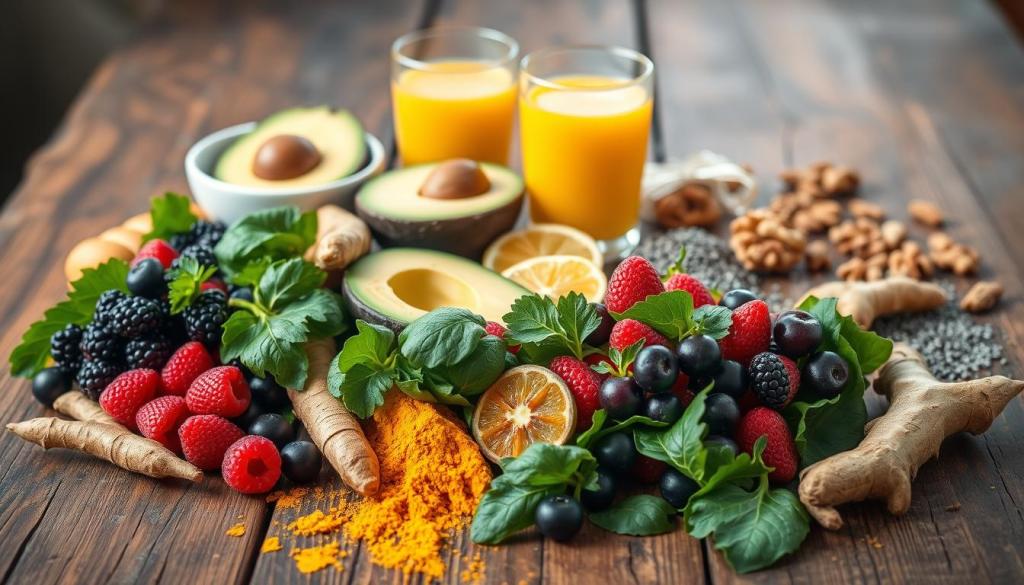
Did you know that what you eat can directly impact how your body feels? Many people overlook the power of a nutrient-rich diet in managing discomfort and promoting overall well-being. By making smart choices, you can help your body thrive.
Experts like Amy Paturel and Dr. Roman Ashmyan emphasize the importance of whole food options. Items like salmon, walnuts, and olive oil are packed with essential nutrients that can reduce inflammation and support your body’s natural processes.
Incorporating these choices into your daily routine doesn’t have to be complicated. Small changes, like adding a handful of nuts or swapping out unhealthy fats for healthier alternatives, can make a big difference. Let’s explore how these simple adjustments can transform the way you feel.
Key Takeaways
- Whole foods like salmon, walnuts, and olive oil are rich in nutrients that reduce inflammation.
- Experts recommend making small, sustainable changes to your diet for long-term benefits.
- A nutrient-rich diet can support overall well-being and reduce discomfort.
- Incorporating healthy fats and antioxidants can make a significant impact.
- Simple swaps, like choosing nuts over processed snacks, can improve your health.
Understanding Joint Inflammation and Diet
The connection between your meals and how you feel is stronger than you might think. Joint inflammation often stems from factors like the buildup of inflammatory markers, such as C-reactive protein. Your diet can either amplify or reduce these effects.
What Causes Joint Inflammation?
Inflammation occurs when your body responds to injury or stress. Chronic inflammation, however, can lead to discomfort and stiffness. Factors like poor diet, lack of exercise, and stress contribute to this issue.
Processed foods and sugary snacks can trigger inflammation. On the other hand, nutrient-dense options like fish, vegetables, and fruit can help manage it. Understanding these triggers is the first step toward better health.
How Diet Influences Joint Health
Your food choices directly impact inflammation levels. For example, fish rich in omega-3 fatty acids can reduce inflammatory markers. Similarly, olive oil contains healthy fats that support your body’s natural processes.
Antioxidants found in vegetables and fruit neutralize free radicals, which can cause pain and swelling. By incorporating these foods into your meals, you can take control of your well-being.
Here’s how specific foods make a difference:
- Fish: Omega-3s reduce inflammation and support joint function.
- Vegetables: Packed with antioxidants, they combat oxidative stress.
- Olive oil: Its healthy fats help regulate your body’s inflammatory response.
- Fruit: Natural compounds in berries and citrus fruits fight inflammation.
Making small changes, like swapping unhealthy fats for olive oil or adding more vegetables to your plate, can have a big impact. Your diet is a powerful tool for managing inflammation and improving how you feel every day.
Building a Nutrient-Dense, Anti-Inflammatory Diet

Your daily meals can play a vital role in how your body functions and feels. One of the most effective ways to support your well-being is by adopting a nutrient-dense eating plan. The Mediterranean diet, in particular, is widely recognized for its ability to reduce inflammation and promote overall health.
Principles of the Mediterranean Diet
This diet emphasizes whole, unprocessed foods that are rich in essential nutrients. Key components include whole grains, fresh produce, lean proteins, and healthy fats like olive oil. These choices work together to lower inflammation and improve how your body functions.
For example, whole grains like quinoa and brown rice provide fiber, which helps regulate your digestive system and reduce inflammatory markers. Fresh fruits and vegetables are packed with antioxidants that combat oxidative stress, while olive oil contains monounsaturated fats that support heart health.
Here’s how you can incorporate these principles into your daily routine:
- Start your day with a bowl of oatmeal topped with fresh berries and a drizzle of olive oil.
- Swap refined grains for whole grain options like whole wheat bread or brown rice.
- Include a variety of colorful vegetables in every meal to maximize nutrient intake.
- Use olive oil as your primary cooking fat instead of butter or margarine.
By following these guidelines, you can create meals that not only taste great but also support your body’s natural processes. A balanced diet like this can help reduce pain and improve your overall quality of life.
anti-inflammatory foods for joint health
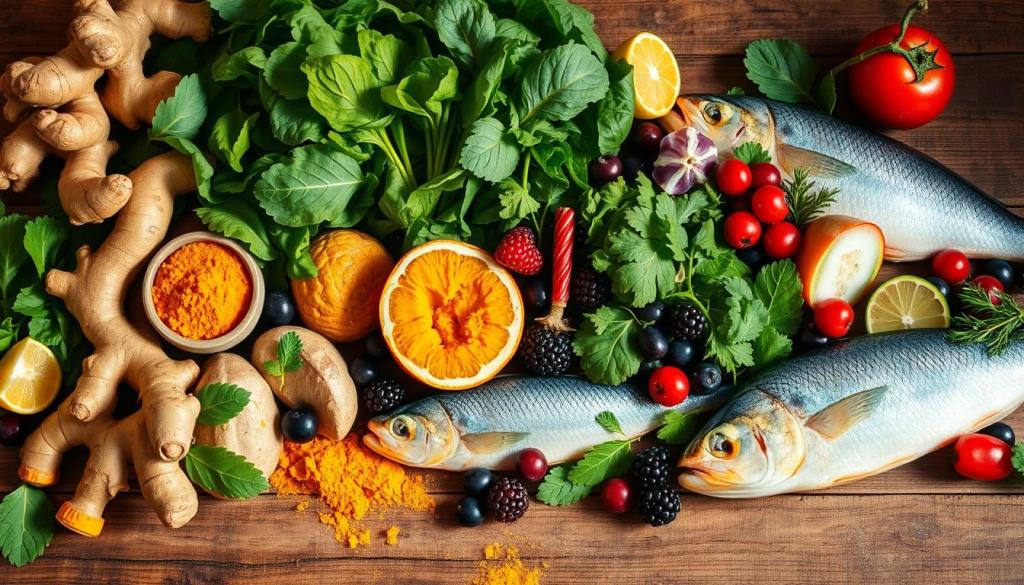
Your plate holds the key to reducing discomfort and boosting vitality. By choosing the right ingredients, you can support your body’s natural processes and feel your best every day. Let’s explore the foods that make a difference and how to incorporate them into your routine.
Key Foods That Reduce Inflammation
Certain foods are packed with nutrients that help combat inflammation. For example, berries are rich in antioxidants, which neutralize harmful free radicals. Fatty fish like salmon provide omega-3s, a type of healthy fat that reduces swelling and stiffness.
Processed sugar and unhealthy fats, on the other hand, can trigger inflammation. Cutting back on sugary snacks and fried meals can make a noticeable difference. Instead, focus on whole, unprocessed options like leafy greens, nuts, and olive oil.
Integrating These Foods into Your Daily Meals
Adding these nutrient-rich foods to your diet doesn’t have to be complicated. Start your day with a smoothie packed with berries and spinach. For lunch, enjoy a salad topped with olive oil and a handful of walnuts. These small changes can have a big impact over time.
Combining antioxidant-rich ingredients with healthy fats enhances their benefits. For example, drizzle olive oil over roasted vegetables or add avocado to your morning toast. These pairings not only taste great but also work together to reduce inflammation.
By making these adjustments, you’re taking a proactive step toward better well-being. Your diet is a powerful tool, and with the right choices, you can feel your best every day.
Omega-3 Powerhouses: Fish, Nuts, and Seeds
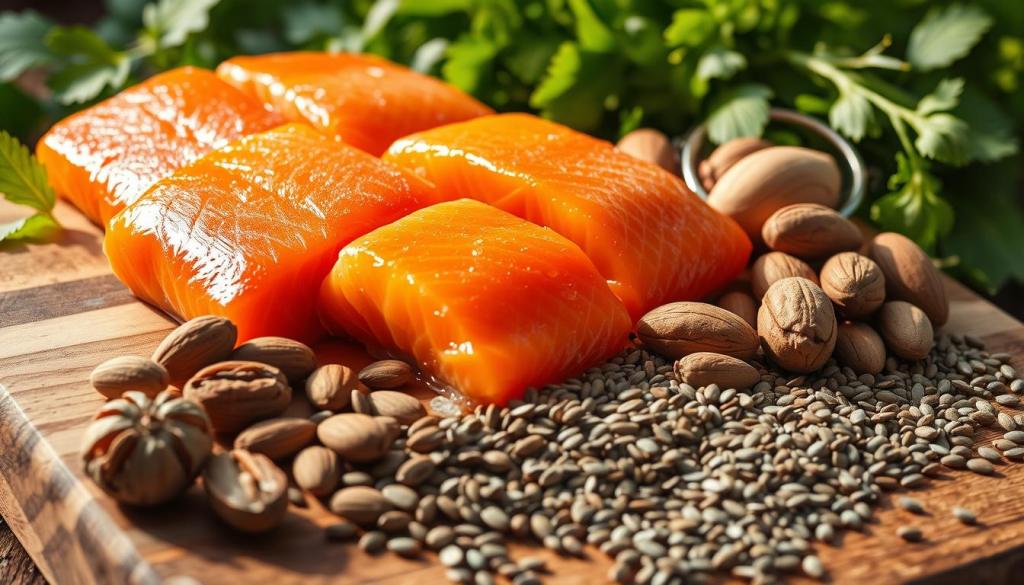
What you put on your plate can significantly influence how your body responds to stress and discomfort. Omega-3 fatty acids, found in certain fish, nuts, and seeds, are essential for maintaining balance and reducing inflammation. These nutrients not only support your overall well-being but also help alleviate joint pain.
Fish and Cold-Water Sources of Omega-3 Fatty Acids
Cold-water fish like salmon, mackerel, and sardines are rich in omega-3s. These fatty acids, particularly EPA and DHA, are known to reduce inflammation and support joint function. Experts recommend consuming at least two servings of fatty fish per week to meet your omega-3 needs.
For example, a 3.5-ounce serving of salmon provides over 2,000 mg of EPA and DHA. This amount can help lower inflammatory markers and improve how you feel daily. If you’re not a fan of fish, cod liver oil is a convenient alternative, offering a concentrated dose of omega-3s.
Nuts and Seeds for Joint Relief
Nuts and seeds are another excellent source of omega-3s, particularly ALA. Flaxseeds, chia seeds, and walnuts are packed with this nutrient, which your body can convert into EPA and DHA. Just one ounce of walnuts provides over 2,500 mg of ALA, making them a powerful addition to your diet.
Incorporating these into your meals is simple. Add chia seeds to your morning smoothie or sprinkle flaxseeds on your yogurt. These small changes can make a big difference in reducing joint pain and inflammation.
To maximize the benefits, avoid processed food high in unhealthy fats and sugars. Instead, focus on whole, natural sources of omega-3s. If you find it challenging to include enough fish, nuts, or seeds in your meals, consider omega-3 supplements. Always consult with a healthcare professional to determine the right dosage for you.
The Role of Fruits and Vegetables in Joint Health
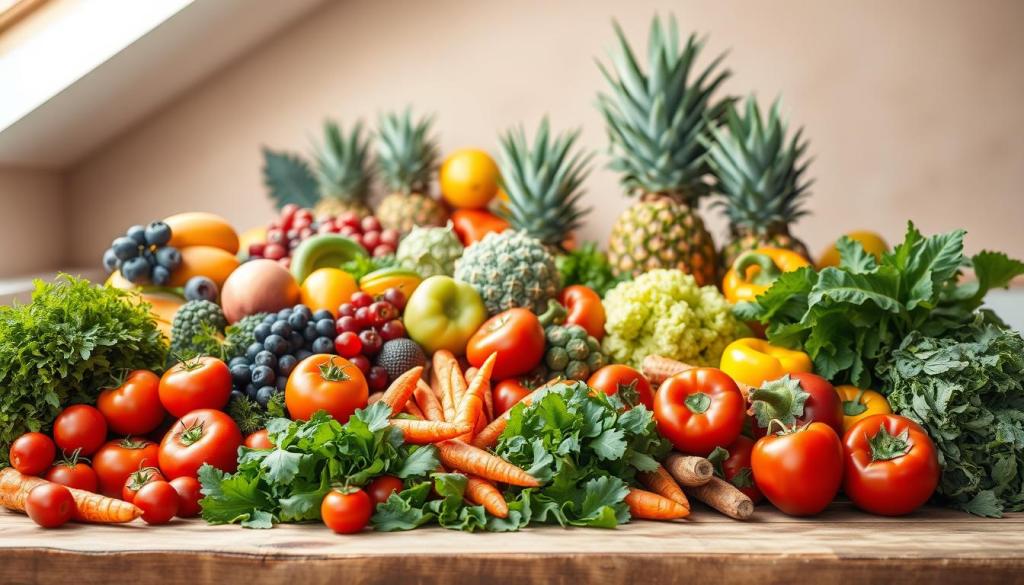
The vibrant colors on your plate do more than please the eye—they fuel your body’s resilience. Fruits and vegetables, especially those rich in vitamins and antioxidants, play a crucial role in improving how you feel every day. Research shows that these natural powerhouses can reduce symptoms of arthritis and support overall well-being.
Antioxidant Benefits of Colorful Produce
Colorful fruits and vegetables are packed with antioxidants, which combat oxidative stress and protect your cells. For example, dark leafy greens like spinach and kale are excellent sources of vitamins A, C, and K. These nutrients help repair and maintain connective tissue, keeping your joints strong and resilient.
Studies have shown that beta-cryptoxanthin, found in sweet potatoes and carrots, may lower the risk of developing rheumatoid arthritis. Similarly, cruciferous vegetables like broccoli contain sulforaphane, which can block inflammation and slow cartilage damage.
Here’s how these foods make a difference:
- Berries: Rich in anthocyanins, they reduce inflammation and support mobility.
- Leafy Greens: High in vitamin K, they promote bone strength and repair.
- Citrus Fruits: Packed with vitamin C, they enhance collagen production and tissue repair.
Incorporating these ingredients into your meals is simple. Add spinach to your morning smoothie or snack on carrots and bell peppers. These small changes can have a big impact on your comfort and mobility.
The Mediterranean diet, which emphasizes fresh produce, is a great way to enjoy these benefits. By focusing on a variety of colorful fruits and vegetables, you can reduce inflammation and feel your best every day.
Healthy Fats: Olive Oil and Alternatives
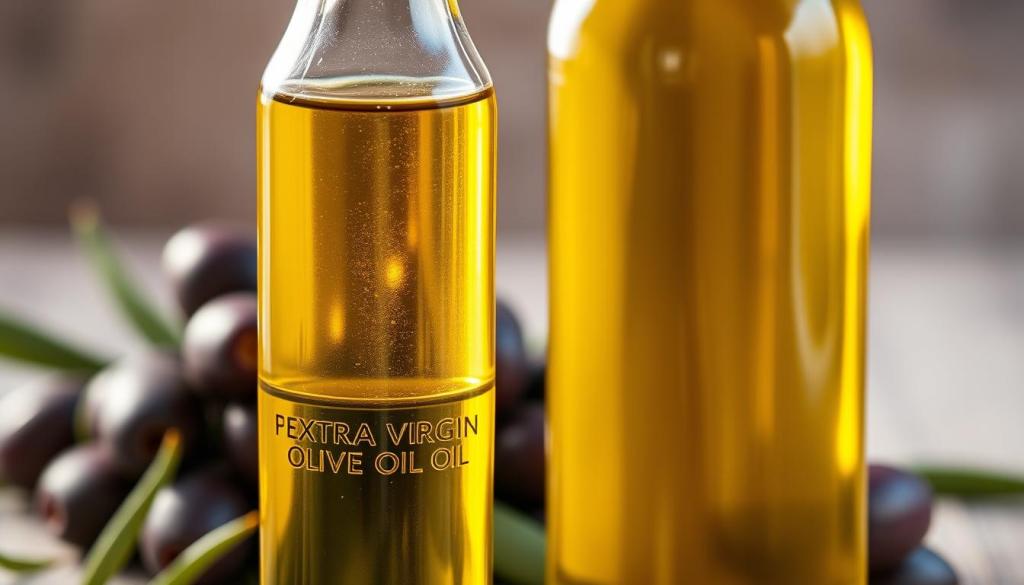
Healthy fats are more than just a dietary trend—they’re a game-changer for your well-being. By choosing the right fats, you can reduce inflammation and lower your risk of chronic conditions. Extra virgin olive oil, in particular, stands out as a natural alternative to pharmaceutical options.
Olive Oil for Inflammation Reduction
Extra virgin olive oil is rich in monounsaturated fats and compounds like oleocanthal, which has effects similar to anti-inflammatory drugs. Studies show that incorporating this oil into your diet can significantly decrease inflammatory markers. For example, following a Mediterranean diet with olive oil has been linked to lower levels of C-reactive protein (CRP).
Replacing unhealthy fats like those found in processed meat or fried foods with olive oil can make a noticeable difference. Just two tablespoons daily can provide the benefits you need. Use it in salad dressings, drizzle it over roasted vegetables, or use it as a cooking base.
Pairing Omega-3 Sources with Seeds
Combining olive oil with other sources of omega-3 fatty acids enhances its benefits. Flaxseeds, chia seeds, and walnuts are excellent options. These seeds are packed with alpha-linolenic acid (ALA), which your body converts into EPA and DHA, the active forms of omega-3.
Here’s how to incorporate these healthy fats into your meals:
- Add chia seeds to your morning smoothie or yogurt.
- Use flaxseeds as a topping for salads or oatmeal.
- Swap processed snacks for a handful of walnuts.
By making these simple changes, you can reduce inflammation and support your body’s natural processes. Healthy fats like olive oil and seeds are powerful tools for improving your overall well-being.
Whole Grains, Beans, and Legumes: Fuel for Your Joints
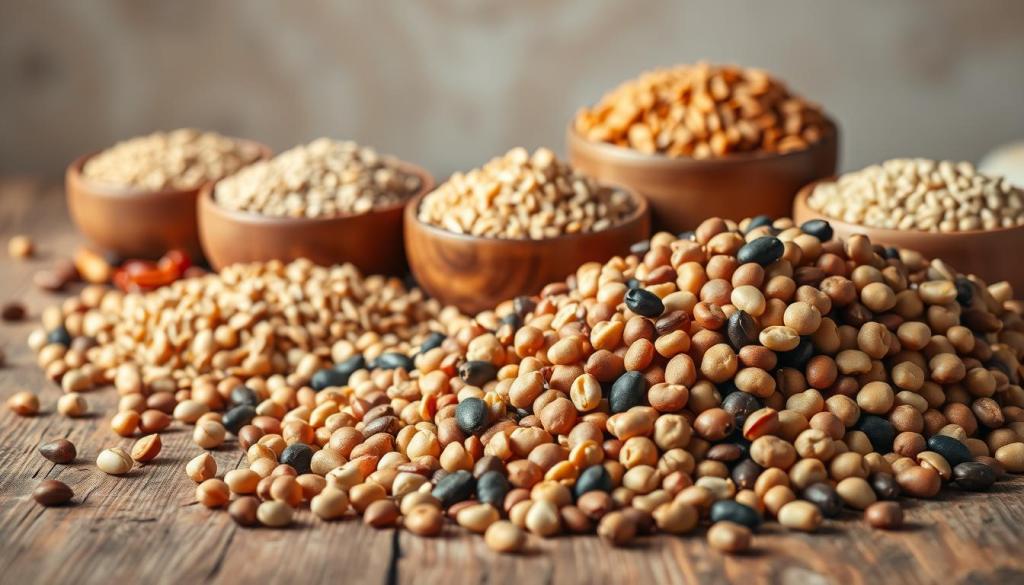
The right choices in your meals can transform how your body recovers and thrives. Whole grains, beans, and legumes are packed with fiber and protein, making them essential for reducing discomfort and supporting recovery. These nutrient-rich options can help you feel your best every day.
Whole grains like quinoa, brown rice, and oats are rich in fiber, which helps lower inflammatory markers. Studies show that a diet high in fiber can reduce acid levels in the body, promoting a healthier balance. This balance is crucial for maintaining comfort and mobility.
Beans and legumes, such as lentils and chickpeas, are excellent alternatives to red meat. They provide plant-based protein without the saturated fats found in animal products. Replacing red meat with these options can help you fight inflammation naturally.
Almonds are another great addition to your diet. They’re rich in healthy fats and omega-3 fatty acids, which support recovery and reduce discomfort. Snacking on a handful of almonds or adding them to meals can make a big difference.
Here’s how you can incorporate these foods into your daily routine:
| Meal | Idea |
|---|---|
| Breakfast | Oatmeal topped with fresh berries and a sprinkle of almonds. |
| Lunch | Quinoa salad with chickpeas, spinach, and olive oil dressing. |
| Dinner | Brown rice bowl with black beans, roasted vegetables, and avocado. |
By making these simple changes, you can fuel your body with the nutrients it needs to thrive. Whole grains, beans, and legumes are not just filling—they’re powerful tools for reducing discomfort and promoting recovery.
Special Considerations: Nightshade Vegetables and Dark Chocolate

Not all nutrient-rich foods work the same for everyone, and some may require caution. While many ingredients offer significant benefits, their effects can vary based on individual sensitivities. This section explores foods like nightshade vegetables and dark chocolate, which can be both helpful and challenging for some people.
When to Monitor Your Intake
Nightshade vegetables, such as tomatoes, eggplants, and peppers, are packed with vitamins and antioxidants. However, some individuals report increased discomfort after consuming them. While research doesn’t fully support these claims, it’s worth tracking your body’s response. Keeping a food diary can help you identify patterns and make informed choices.
Dark chocolate, especially varieties with 70% or higher cocoa content, is rich in antioxidants. These compounds can reduce inflammation and support overall well-being. However, moderation is key. Excessive consumption may lead to weight gain, which can strain your heart and joints. Enjoying a small piece daily is a balanced approach.
Blueberries and other antioxidant-rich foods are generally beneficial. Yet, if you notice worsening symptoms, it’s wise to reassess your intake. Similarly, refined grains like white bread can contribute to weight gain and inflammation. Opting for whole-grain alternatives can support your heart and overall health.
Here’s a quick guide to monitoring your diet:
| Food | Effect | Recommendation |
|---|---|---|
| Nightshade Vegetables | Mixed effects | Track your response |
| Dark Chocolate | Anti-inflammatory | Enjoy in moderation |
| Blueberries | Generally beneficial | Monitor for sensitivities |
| Bread (Refined) | May increase weight | Choose whole grains |
By paying attention to how your body reacts, you can tailor your diet to support your well-being. Small adjustments, like swapping refined bread for whole-grain options or limiting nightshade vegetables, can make a big difference. A food diary is a practical tool to help you find the right balance.
How High-Quality Supplements Like Joint Genesis Can Support Your Diet in Relieving Arthritis and Joint Pain
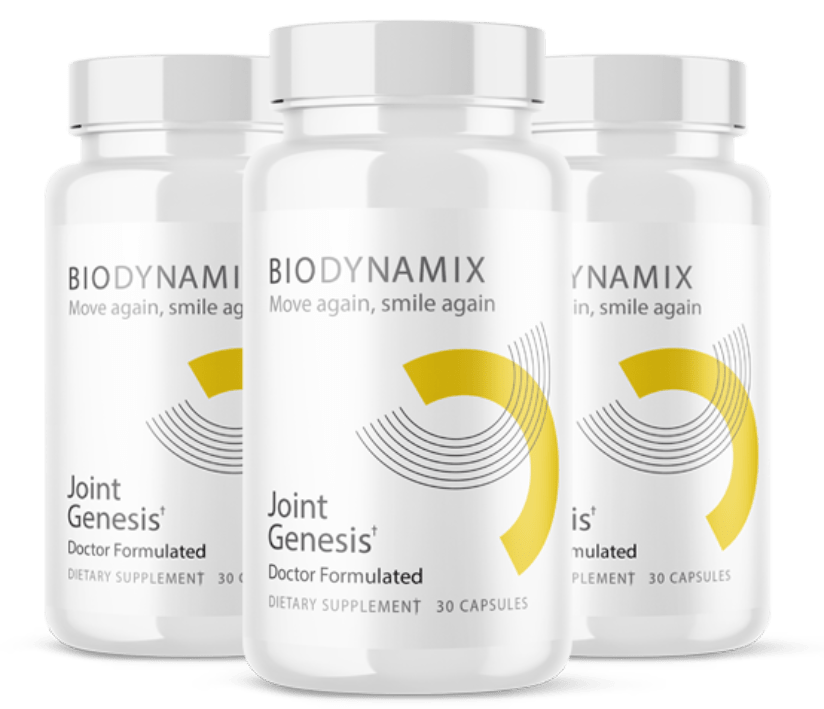
Arthritis and joint pain can significantly impact your daily life, making even simple tasks feel like a struggle. While lifestyle modifications such as diet and exercise play a crucial role in managing joint health, supplementation can provide the extra support your body needs. One such supplement, Joint Genesis, has been gaining attention for its ability to promote joint health and alleviate pain. In this blog post, we’ll explore how a high-quality supplement like Joint Genesis can complement your diet to support joint function and relieve arthritis symptoms.
Understanding Arthritis and Joint Pain
Arthritis is a broad term that encompasses over 100 different joint-related conditions, with osteoarthritis and rheumatoid arthritis being the most common. These conditions can lead to pain, stiffness, swelling, and reduced mobility. As we age, the cartilage that cushions our joints can deteriorate, leading to discomfort and inflammation. While there is no cure for arthritis, managing symptoms through a well-balanced diet, regular exercise, and the right supplementation can help improve quality of life.
The Role of Diet in Joint Health
Your diet plays a crucial role in managing arthritis and joint pain. Consuming anti-inflammatory foods such as fatty fish, nuts, seeds, leafy greens, and berries can help reduce inflammation and promote joint health. Likewise, avoiding processed foods, excessive sugar, and unhealthy fats can prevent exacerbating inflammation. However, even with the best dietary habits, it can be challenging to get all the necessary nutrients solely from food. This is where high-quality supplements like Joint Genesis come into play.
How Joint Genesis Supports Joint Health
Joint Genesis is a scientifically formulated supplement designed to improve joint function, reduce inflammation, and alleviate pain. It contains a blend of powerful ingredients that work synergistically to support joint health. Here’s how it complements your diet:
1. Provides Essential Nutrients for Cartilage Health
Joint Genesis contains vital nutrients such as hyaluronic acid, glucosamine, and chondroitin, which are essential for maintaining healthy cartilage. Hyaluronic acid helps lubricate the joints, reducing friction and discomfort. Glucosamine and chondroitin are known for their ability to support cartilage repair and reduce joint stiffness.
2. Reduces Inflammation Naturally
Chronic inflammation is a major contributor to arthritis pain. Joint Genesis includes turmeric extract (curcumin), boswellia, and ginger, which are natural anti-inflammatory agents. These ingredients help modulate the body’s inflammatory response, reducing swelling and pain over time.
3. Supports Collagen Production
Collagen is a crucial protein for joint and cartilage health. Joint Genesis often includes collagen peptides or ingredients that stimulate the body’s natural collagen production. This helps maintain joint integrity and prevents further deterioration of cartilage.
4. Enhances Joint Lubrication and Mobility
Many individuals with arthritis suffer from joint dryness, leading to increased friction and discomfort. Ingredients like hyaluronic acid in Joint Genesis help retain moisture in the joints, improving lubrication and overall mobility.
5. Works Synergistically with a Healthy Diet
While a nutrient-rich diet is essential, supplements like Joint Genesis ensure that your body receives an adequate supply of joint-supporting compounds. Pairing the supplement with foods rich in omega-3 fatty acids, vitamin C, and antioxidants can further enhance its benefits.
Tips for Maximizing the Benefits of Joint Genesis
To get the most out of your supplement, consider these tips:
- Consistency is key – Take Joint Genesis daily as directed to experience optimal results.
- Pair it with a healthy diet – Eat plenty of anti-inflammatory foods such as salmon, walnuts, turmeric, and leafy greens.
- Stay active – Engage in low-impact exercises such as swimming, yoga, or walking to keep your joints flexible and strong.
- Stay hydrated – Drinking plenty of water helps maintain joint lubrication and overall health.
- Consult with a healthcare professional – If you have existing medical conditions or are on medication, consult your doctor before adding a new supplement to your routine.
Final Thoughts
Arthritis and joint pain don’t have to control your life. By maintaining a healthy diet, staying active, and incorporating high-quality supplements like Joint Genesis, you can take proactive steps toward improved joint health and reduced discomfort. Supplements like Joint Genesis provide the necessary nutrients to support cartilage repair, reduce inflammation, and enhance joint mobility—making them an excellent addition to your daily wellness routine.
If you’re looking for an effective way to complement your diet and relieve joint pain, consider giving Joint Genesis a try and experience the benefits for yourself!
Click Here to access the official Joint Genesis website.
Conclusion
Taking charge of your well-being starts with the choices you make at every meal. A nutrient-rich diet, backed by expert advice and research, can significantly improve how you feel. Consistent dietary habits, like incorporating walnuts and beans, can help manage discomfort and support your body’s natural processes.
Prevention is key. By focusing on whole, unprocessed ingredients, you can reduce the risk of injury and chronic disease. Small changes, such as swapping refined snacks for healthier options, can make a big difference over time.
For personalized guidance, consult a healthcare professional. They can help you optimize your eating habits to suit your needs. Start today by building a diet that supports long-term well-being. Your body will thank you.
Source Links
- 8 Foods That Help Reduce Inflammation and Ease Arthritis Pain – https://www.hackensackmeridianhealth.org/en/healthu/2023/12/14/8-foods-that-help-reduce-inflammation-and-ease-arthritis-pain
- Foods for Fighting Inflammation, Arthritis and Joint Pain – https://www.brownhealth.org/be-well/foods-fighting-inflammation-arthritis-and-joint-pain
- Can anti-inflammatory diets help joint pain? 10 foods to eat and 6 to avoid – https://www.nebraskamed.com/orthopaedics/anti-inflammatory-diets-help-joint-pain-10-foods-to-eat-6-to-avoid
- How an Anti-Inflammatory Diet Can Help Manage Arthritis Joint Pain Naturally – https://www.jriosmd.com/blog/how-an-anti-inflammatory-diet-can-help-manage-arthritis-joint-pain-naturally/?bp=44551
- Maintaining healthy joints with an anti-inflammatory diet – https://www.spirehealthcare.com/health-hub/specialties/bones-and-joints/maintaining-healthy-joints-with-an-anti-inflammatory-diet/
- Foods that Cause Inflammation & How to Reduce Inflammation – UChicago Medicine – https://www.uchicagomedicine.org/forefront/gastrointestinal-articles/2020/september/what-foods-cause-or-reduce-inflammation
- Anti Inflammatory Diet – https://www.hopkinsmedicine.org/health/wellness-and-prevention/anti-inflammatory-diet
- Anti-Inflammatory Diet 101: How to Reduce Inflammation Naturally – https://www.healthline.com/nutrition/anti-inflammatory-diet-101
- No title found – https://www.arthritis.org/health-wellness/healthy-living/nutrition/anti-inflammatory/anti-inflammatory-diet
- Anti-inflammatory Foods for Arthritis and Joint Pain – https://www.massgeneralbrigham.org/en/about/newsroom/articles/diet-arthritis-joint-pain
- No title found – https://www.arthritis.org/health-wellness/healthy-living/nutrition/anti-inflammatory/the-ultimate-arthritis-diet
- 12 Foods That Are Very High in Omega-3 – https://www.healthline.com/nutrition/12-omega-3-rich-foods
- 6 Foods To Eat for Healthy Joints – https://health.clevelandclinic.org/the-best-food-to-help-relieve-your-joint-pain
- No title found – https://www.arthritis.org/health-wellness/healthy-living/nutrition/healthy-eating/best-vegetables-for-arthritis
- Dietary fruits and arthritis – PMC – https://pmc.ncbi.nlm.nih.gov/articles/PMC5788027/
- The Role of Nutrition in Joint Health: Bahri Orthopedics & Sports Medicine Clinic: Orthopedic Surgeons – https://www.jacksonvilleorthopaedicsurgeon.com/blog/the-role-of-nutrition-in-joint-health
- The 13 Most Anti-Inflammatory Foods You Can Eat – https://www.healthline.com/nutrition/13-anti-inflammatory-foods
- Foods for joint pain: Fiber, fats, protein, and more – https://www.medicalnewstoday.com/articles/foods-for-joint-pain
- Nutrition and Arthritis: Foods that Fight Inflammation and Support Joint Health – https://www.robertavinomd.com/blog/nutrition-and-arthritis-foods-that-fight-inflammation-and-support-joint-health/?bp=41229
- No title found – https://www.arthritis.org/health-wellness/healthy-living/nutrition/healthy-eating/12-best-foods-for-arthritis
- Anti-Inflammatory Diet: Road to Good Health? – https://www.webmd.com/diet/anti-inflammatory-diet-road-to-good-health
- Joint Health and Nutrition: Foods That Support Healthy Joints – https://nyjointrelief.com/foods-that-support-healthy-joints-i-joint-relief-associates-of-ny/
- Treating Arthritis Through Food – https://extension.usu.edu/nutrition/research/treating-arthritis-through-food
- An Anti-Inflammatory Diet for Better Health – https://www.shcadvancedaesthetics.org/Blog/An-Anti-Inflammatory-Diet-for-Better-Health
- Diet for osteoarthritis: What to eat and avoid – https://www.medicalnewstoday.com/articles/322603
- Anti-Inflammatory Foods to Ease Seniors’ Joint Pain – https://assistedlivinglocators.com/articles/popular-anti-inflammatory-foods-to-reduce-joint-pain-and-inflammation
- Overview of anti-inflammatory diets and their promising effects on non-communicable diseases – https://pmc.ncbi.nlm.nih.gov/articles/PMC11576095/
- The Anti-Inflammatory Diet & Pain Management – https://creeksidefunctionalhealth.com/the-anti-inflammatory-diet-pain-management/



 trim down and shape up
Leave a comment