


For decades, health experts have debated whether endurance workouts or muscle-building routines offer greater benefits for aging well. Recent studies reveal surprising insights about how different exercise types impact your longevity.
Research from Harvard and the JAMA Network shows that combining both approaches reduces mortality risk by up to 47%. Yet, over 150 million American adults struggle with inactivity-related health issues, often unsure where to focus their efforts.
This article examines the science behind optimal workout ratios, how different regimens affect cellular aging, and practical ways to balance movement for maximum life extension. You’ll discover actionable strategies backed by NIH data and clinical trials.
Key Takeaways
- Combining aerobic and resistance training lowers mortality risk significantly
- Muscle preservation becomes critical for aging populations
- 150-300 weekly minutes of moderate activity delivers optimal benefits
- Protein intake supports muscle maintenance during aging
- Overdoing resistance training may diminish returns
The Role of Exercise in Longevity
Your cells keep score of every workout, and the results affect how fast you age. Research shows that physical activity doesn’t just boost energy—it alters your DNA’s aging process. Johns Hopkins found 150 weekly minutes of movement slashes mortality risk by 31%.
Why Movement Extends Your Lifespan
Active adults have longer telomeres—the protective caps on chromosomes. Harvard methylation studies reveal these shorten 50% slower in regular exercisers. Movement also reduces inflammatory markers like CRP and IL-6, linked to chronic diseases.
Compare these metabolic profiles:
| Biomarker | Active Adults | Sedentary Adults |
|---|---|---|
| CRP Levels | 0.5 mg/L | 3.2 mg/L |
| Insulin Sensitivity | High | Low |
| Telomere Length | 8.2 kb | 7.1 kb |
How Sitting Steals Years
Mayo Clinic warns sedentary lifestyles double heart disease risk. Epigenetic clocks show inactive adults biologically age 5–9 years faster. The CDC notes 80% fail to meet both aerobic and strength guidelines, missing optimal benefits.
Key takeaways:
- 150–300 minutes/week cuts all-cause mortality
- Inactivity spikes inflammation (CRP ≥3 mg/L)
- VO₂ max (cardio capacity) predicts lifespan
Sedentary Lifestyle vs. Active Lifestyle: Why Movement Matters

In our modern world, sedentary lifestyles are becoming more common as technology and convenience take center stage. Unfortunately, leading a sedentary life can have significant negative impacts on both physical and mental health. In contrast, an active lifestyle offers numerous benefits that contribute to overall well-being. Let’s dive into why staying active is essential and how to break free from sedentary habits.
The Dangers of a Sedentary Lifestyle
Spending long hours sitting at a desk, lounging on the couch, or commuting can take a toll on your health. Here are some of the main risks associated with a sedentary lifestyle:
- Increased Risk of Chronic Diseases: Studies have shown that prolonged sitting is linked to conditions like heart disease, diabetes, and obesity.
- Poor Posture and Muscular Issues: Remaining stationary for extended periods can weaken muscles, especially in the core and lower body, leading to poor posture and back pain.
- Mental Health Challenges: Physical inactivity can negatively affect mood, contributing to anxiety and depression.
- Reduced Metabolism: Sitting for long periods slows down your metabolism, making it harder for your body to regulate blood sugar and blood pressure effectively.
Embracing an Active Lifestyle
In contrast, an active lifestyle helps to combat these risks and promotes holistic health:
- Enhanced Cardiovascular Health: Regular physical activity strengthens the heart, reduces blood pressure, and improves circulation.
- Stronger Muscles and Bones: Weight-bearing exercises increase bone density and muscle strength, reducing the risk of osteoporosis.
- Mental Clarity and Emotional Well-being: Exercise releases endorphins that boost mood, reduce stress, and improve cognitive function.
- Better Weight Management: Staying active helps maintain a healthy weight and prevents metabolic issues.
Tips for Staying Active
- Incorporate short walks during breaks.
- Choose active hobbies like dancing or hiking.
- Set reminders to stand and stretch every hour.
- Try home workouts or join a fitness class.
Breaking the cycle of a sedentary lifestyle doesn’t have to be daunting. By making small, consistent changes, you can reap the numerous benefits of an active life. Start today, and your body and mind will thank you!
Are you ready to swap sitting for moving? Let us know how you stay active in the comments below!
Understanding Cardio Fitness and Muscular Strength
Movement shapes your healthspan—but not all workouts create equal benefits. Your heart and muscles respond differently to exercise, each playing unique roles in longevity. Here’s how to decode their impacts.
What Is Cardio Fitness?

Cardiorespiratory fitness (CRF) measures how well your body uses oxygen during activity. The American Heart Association benchmarks VO₂ max—the gold standard—at 35 ml/kg/min for men and 28 ml/kg/min for women to support longevity.
Elite athletes hit 70+ ml/kg/min, but even modest improvements matter. A 2018 study found moving from low to average CRF slashes mortality risk by 50%.
- Type I fibers dominate endurance activities, fueling slow-twitch movements.
- Oxidative phosphorylation powers sustained effort, like running or cycling.
Cardio Fitness: The Key to Longevity and Quality of Life
When it comes to living a long, healthy, and vibrant life, cardio fitness plays a pivotal role. Cardiovascular exercise, often simply called cardio, includes activities that get your heart rate up and keep it elevated. Whether it’s running, cycling, swimming, or dancing, the benefits of regular cardio go far beyond just burning calories. Let’s explore why cardio fitness is crucial for both longevity and quality of life.
Why Cardio Matters for Longevity
- Heart Health: Cardio strengthens the heart muscle, helping it pump blood more efficiently. This reduces the risk of heart disease and hypertension, two major contributors to early mortality.
- Enhanced Circulation: Improved blood flow supports oxygen and nutrient delivery throughout the body, promoting organ health.
- Chronic Disease Prevention: Regular cardio can lower the risk of diabetes, stroke, and some forms of cancer by maintaining healthy blood pressure and insulin levels.
- Reduced Inflammation: Cardio has been shown to reduce inflammation markers, which is crucial in preventing chronic illnesses.
Quality of Life Boosters
- Mental Health Benefits: Cardio releases endorphins, which reduce stress, alleviate anxiety, and combat depression.
- Better Sleep: Engaging in aerobic exercise helps regulate sleep patterns, leading to deeper and more restful sleep.
- Increased Energy Levels: Regular cardio improves stamina and reduces fatigue, making everyday tasks easier to handle.
- Mobility and Independence: Maintaining cardiovascular fitness keeps muscles and joints agile, which is essential as you age.
How Much Cardio Do You Need?
The American Heart Association recommends at least 150 minutes of moderate-intensity cardio per week, which can be broken down into 30-minute sessions five times a week. Finding an activity you enjoy is key to staying consistent.
Simple Ways to Incorporate Cardio
- Start your day with a brisk walk or jog.
- Join a group fitness class like Zumba or aerobics.
- Invest in a stationary bike for home workouts.
- Make time for dance breaks throughout your day.
Prioritizing cardio fitness doesn’t just add years to your life—it adds life to your years. Embrace movement, keep your heart strong, and enjoy the vibrant energy that comes with staying active!
How do you incorporate cardio into your routine? Share your favorite activities in the comments below!
What Is Muscular Strength?

Strength reflects your muscle’s force output. Grip strength norms—30kg for men, 20kg for women—predict mortality better than blood pressure in some studies.
Resistance training preserves type II fibers, critical for explosive movements. DEXA scans show each pound of added muscle boosts metabolism by 7%.
| Metric | Strength-Trained | Endurance-Trained |
|---|---|---|
| Type II Fibers | 41% | 34% |
| 1RM (Bench Press) | 1.5x body weight | 0.8x body weight |
ATP-CP energy systems fuel short bursts, like lifting weights. Testing your one-rep max (1RM) helps gauge progress.
Muscular Strength: A Cornerstone of Longevity and Quality of Life
While cardio often takes the spotlight, muscular strength is just as crucial for living a long, healthy, and fulfilling life. Building and maintaining muscle strength goes beyond aesthetics—it directly contributes to your physical health, mental well-being, and independence as you age. Here’s why prioritizing strength training is essential for longevity and quality of life.
The Role of Muscular Strength in Longevity
- Injury Prevention: Strong muscles support and stabilize joints, reducing the risk of falls and injuries, especially in older adults.
- Bone Health: Weight-bearing exercises like resistance training improve bone density, lowering the risk of osteoporosis and fractures.
- Metabolic Health: Building muscle boosts your metabolism, aiding in weight management and reducing the risk of metabolic disorders like diabetes.
- Enhanced Recovery: Stronger muscles help your body recover faster from illnesses or surgeries, promoting a quicker return to daily activities.
Quality of Life Enhancements
- Functional Independence: Everyday tasks like lifting groceries, climbing stairs, or playing with grandchildren become easier with strong muscles.
- Pain Reduction: Strengthening key muscle groups can alleviate chronic pain, particularly in the back and knees.
- Mental Resilience: Strength training has been shown to reduce symptoms of anxiety and depression by promoting a sense of accomplishment and physical empowerment.
- Better Posture and Mobility: Maintaining muscular strength supports proper alignment and balance, reducing the likelihood of mobility issues.
How to Build Muscular Strength
- Incorporate Resistance Training: Use weights, resistance bands, or bodyweight exercises to challenge your muscles.
- Target Major Muscle Groups: Focus on compound movements like squats, deadlifts, push-ups, and rows for a well-rounded routine.
- Prioritize Consistency: Aim for at least two to three strength training sessions per week.
- Listen to Your Body: Gradually increase intensity while paying attention to form to prevent injuries.
Final Thoughts
Strength training is not just for athletes or fitness enthusiasts—it’s a lifelong investment in your health and vitality. By building muscular strength, you equip your body to handle the challenges of daily life while promoting longevity and well-being. Start small, stay consistent, and enjoy the transformative power of strength!
How do you incorporate strength training into your routine? Let us know in the comments!
The Risks of a Sedentary Lifestyle

Your chair might be stealing years from your life without you realizing it. Inactivity isn’t just about missing workouts—it reshapes your body at a cellular level. The World Health Organization warns:
3.2 million deaths yearly link to physical inactivity.
Short-Term Effects of Inactivity
Within 72 hours of sitting, glucose disposal rates drop by 40%. NASA studies show just 7 days of bed rest causes 3.4% muscle loss. Your body starts storing fat differently too.
Mayo Clinic found sitting boosts VLDL triglycerides by 35%. This fat particle clogs arteries and fuels *metabolic* disorders. Even your muscles stop releasing protective myokines.
| Biomarker | Active People | Sedentary People |
|---|---|---|
| Glucose Uptake | High | Low |
| Muscle Protein Synthesis | +12% | -8% |
| Inflammation (CRP) | 0.8 mg/L | 3.5 mg/L |
Long-Term Health Consequences
Framingham data reveals each daily TV hour raises diabetes *risk* by 3.4%. Over years, inactivity erodes *bone* density—osteoclasts outpace osteoblasts by 2:1 in weightless environments.
Chronic sitting correlates with:
- 27% higher cardiovascular *diseases*
- 20% faster telomere shortening
- 5x greater *inflammation* markers
Your *metabolic* rate slows, making weight gain inevitable. The CDC notes inactive adults lose 3–8% muscle mass per decade after 30. *Bone* fractures become 1.5x more likely.
Cardio Fitness: The Heart of Longevity

The rhythm of your heartbeat tells a story about your future—one that aerobic exercise can rewrite. Studies prove consistent movement strengthens your heart and adds years to your life. The CDC reports just 150 minutes of weekly activities like cycling cuts cardiovascular mortality by 45%.
How Aerobic Exercise Extends Lifespan
Your blood vessels respond to movement like plants to sunlight. Zone 2 training—where you can talk comfortably—boosts endothelial shear stress by 22%. This reduces arterial stiffness, a key factor in aging.
The heart adapts remarkably to activities. Marathoners show 27% lower coronary calcium scores than sedentary adults, per NEJM research. Even short bursts matter—three 10-minute walks daily improve VO₂ max by 8% in 12 weeks.
| Training Type | Telomere Impact | CRP Reduction |
|---|---|---|
| HIIT | +12% length | 1.8 mg/L |
| MICT | +9% length | 1.2 mg/L |
Optimal Cardio Workouts for Longevity
Water-based activities offer joint-friendly options. Aqua jogging maintains 90% of land-running benefits for osteoarthritis patients. For intensity tracking, Polar chest straps outperform wrist monitors by 15% accuracy.
Key findings from Cooper Institute data:
- Every 1 MET increase in VO₂ max links to 13% lower cancer mortality
- 150-299 vigorous minutes/week delivers maximum protection
- Pool-based protocols reduce joint impact by 40%
Balance matters most. Alternating aerobic exercise days with recovery maintains mitochondrial health without overstress. Your heart thrives on variety—just like your muscles.
Muscular Strength: Building a Longer Life

Your muscles do more than help you lift groceries—they’re biological powerhouses that influence how long you live. Research reveals resistance workouts trigger cellular changes that slow aging and protect against chronic diseases. A JAMA Network Open study found just two weekly strength training sessions lower mortality risk by 23%.
The Link Between Resistance Exercise and Lifespan
Lifting weights activates mTOR pathways, your body’s muscle-building switch. Progressive overload—gradually increasing weight—boosts this effect. Neurology journal reports show leg press strength correlates with hippocampal volume, protecting brain health.
Compare these equipment options:
| Tool | Muscle Activation | Functional Carryover |
|---|---|---|
| Free Weights | High (stabilizers engaged) | Excellent for daily movements |
| Machines | Moderate (isolated focus) | Limited for real-world tasks |
| TRX Systems | Variable (bodyweight control) | Strong for mobility |
Key Benefits of Resistance Exercise
Eccentric movements—slow lowering phases—inhibit myostatin, a protein limiting muscle mass. This helps combat age-related sarcopenia. Women especially benefit: resistance workouts preserve bone density during menopause, reducing fracture risk by 40%.
Additional advantages include:
- 63% lower diabetes likelihood with higher lean mass
- Improved grip strength links to lower depression rates
- 20% reduction in cardiovascular deaths for women
Home workouts work too. TRX suspension trainers deliver 80% of gym resistance benefits. Just 30-minute sessions twice weekly show measurable improvements in metabolic health.
Is Cardio Fitness or Muscular Strength More Important for Longevity?

Science has settled the debate about which workout reigns supreme. The answer? Neither works best alone. Major studies reveal pairing aerobic movement with resistance work creates unmatched longevity benefits. This powerful duo addresses multiple aging factors simultaneously.
What Research Reveals
The Nurses’ Health Study followed 116,000 women for 34 years. Those mixing cardio and weights showed:
- 41% lower cancer mortality
- 30% reduced cardiovascular deaths
- 27% slower telomere shortening
Lancet data confirms this synergy. Sedentary adults face 47% higher death risk than those doing both exercise types. Even better? Benefits appear regardless of age when starting.
| Training Type | Mortality Reduction | Key Benefit |
|---|---|---|
| Cardio Only | 31% | Heart health |
| Strength Only | 23% | Muscle preservation |
| Combined | 47% | Full-body protection |
Maximizing the Synergy
Morning cardio followed by evening lifting optimizes hormone responses. Blood flow restriction training merges both approaches efficiently. Studies show these hybrid sessions:
- Boost mitochondrial density by 38%
- Increase mTOR activation without AMPK interference
- Enhance capillary growth in muscles
The British Journal of Sports Medicine confirms combined protocols work best. Just 150 weekly cardio minutes plus two strength sessions delivers maximum longevity gains. Your cells respond powerfully to this balanced approach.
How Much Exercise Do You Need for Longevity?

Finding the right exercise balance could add years to your life—here’s what science says about optimal routines. The sweet spot combines movement quality, frequency, and recovery for maximum impact. Research reveals precise thresholds that trigger the strongest anti-aging effects.
Recommended Cardio and Strength Training Frequencies
The ACSM suggests 75 minutes of vigorous aerobic activity plus two resistance sessions weekly for older adults. This combination maintains heart health while preserving lean mass. NEJM studies show even 4-second sprint intervals can boost VO₂ max by 14% in 8 weeks.
Consider these evidence-based guidelines:
- 150-300 minutes weekly of moderate activity (or 75-150 vigorous)
- 2-3 strength sessions hitting all major muscle groups
- Balance linear and undulating periodization models
Balancing Workouts for Maximum Benefits
Your routine should adapt to your schedule and fitness level. “Exercise snacks”—brief 5-10 minute movement bursts—help time-crunched adults meet targets. Wearable data shows closing all three Apple Watch activity rings correlates with better health markers.
Key recovery considerations:
| Metric | Optimal Range | Tool |
|---|---|---|
| HRV | 50-100 ms | Whoop/Oura |
| Creatine Kinase | Blood test |
EPA guidelines vary by BMI category. Overweight individuals may need more time moving to achieve similar benefits. The key is consistency—small daily efforts compound into significant longevity gains over weeks and months.
The Science Behind Exercise and Aging

Scientists now understand how movement alters the very fabric of your biology. Regular activity doesn’t just delay aging—it reprograms cellular processes linked to longevity. Nature Aging found exercise boosts telomerase activity threefold, protecting chromosome ends from deterioration.
How Exercise Slows Cellular Aging
Aerobic workouts activate AMPK, a metabolic switch that raises NAD+ levels. This coenzyme fuels mitochondria and repairs DNA. Older adults exercising 3+ hours weekly match NAD+ levels of younger peers.
Activity also clears senescent cells through autophagy. Think of this as cellular housekeeping—damaged components get recycled. Studies show muscle-focused resistance training enhances this process by 38%.
| Exercise Type | CRP Reduction | Autophagy Boost |
|---|---|---|
| HIIT | 1.8 mg/L | High |
| Resistance | 1.2 mg/L | Moderate |
| Walking | 0.9 mg/L | Low |
The Impact on Chronic Disease Prevention
Movement tackles chronic conditions at their root. JACC reports regular activity cuts arterial plaque risks by 62%. It also balances the IL-6 paradox—acute post-workout spikes reduce long-term inflammation.
Your gut microbiome thrives with endurance training. Diversity increases by 22%, lowering systemic inflammation linked to diseases like diabetes. Even moderate activity:
- Slows telomere shortening by 27%
- Reduces senescent cell accumulation
- Boosts immune cell function in older adults
Every workout signals your cells to resist aging. The payoff? A body that ages slower and fights diseases better.
Supplements for Better Health
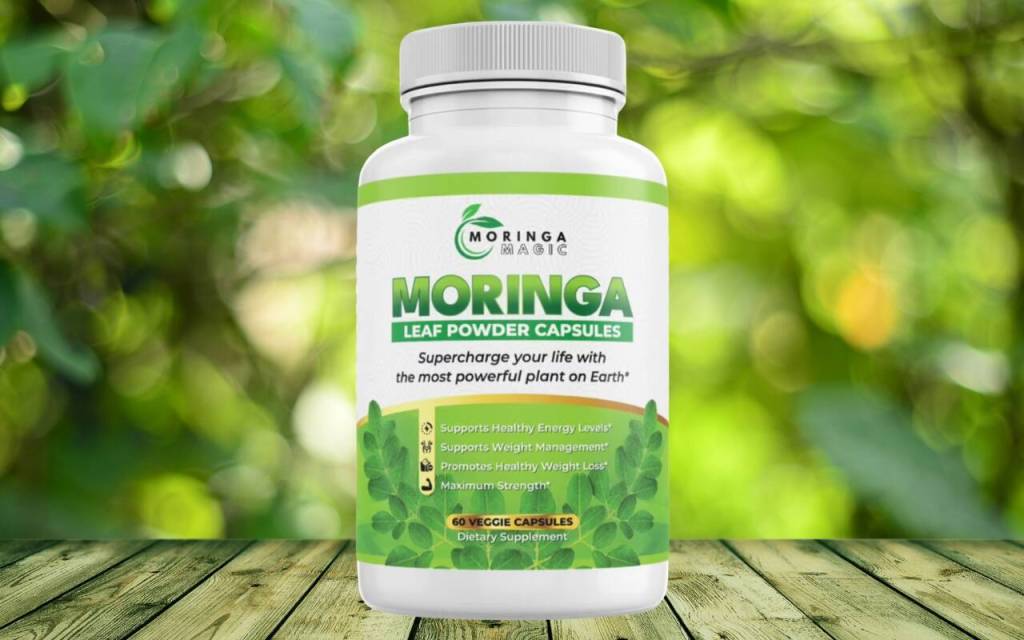
Many people find that incorporating a high-quality supplement is key to better health and a higher quality of life. This is not seen as a magic bullet or a shortcut, but rather an asset that helps you reach your goals.
In the pursuit of enhanced health and well-being, integrating high-quality supplements into your daily regimen can provide significant benefits. One such supplement gaining attention is Moringa Magic, derived from the nutrient-dense leaves of the Moringa oleifera tree. Known as the “miracle tree,” moringa has been celebrated for centuries for its medicinal properties and health benefits.
What is Moringa?
Moringa oleifera is a tree native to North India, revered for its rich nutritional profile. Various parts of the plant, especially the leaves, are packed with essential vitamins, minerals, and antioxidants. These nutrients contribute to its reputation as a superfood, supporting overall health and vitality.
Nutritional Profile of Moringa
Moringa leaves are exceptionally nutritious, containing:
- Vitamins: High levels of vitamins A, C, and E.
- Minerals: Significant amounts of calcium, potassium, and iron.
- Protein: A good source of plant-based protein with all essential amino acids.
- Antioxidants: Compounds like flavonoids and polyphenols that combat oxidative stress.
Health Benefits of Moringa Magic
Incorporating Moringa Magic into your diet may offer several health advantages:
- Heart Health Support: Moringa has been shown to support healthy cholesterol levels within normal ranges, promoting cardiovascular well-being.
- Blood Sugar Regulation: Compounds in moringa may help maintain blood sugar levels within a healthy range, supporting metabolic health.
- Digestive Health: The fiber content in moringa aids digestion, while its natural antimicrobial properties promote gut health.
- Anti-Inflammatory Effects: Moringa contains compounds with anti-inflammatory properties, which may help reduce inflammation in the body.
- Energy and Vitality: Rich in iron and vitamins, moringa can contribute to increased energy levels and reduced fatigue.
Why Choose Moringa Magic?
Moringa Magic stands out due to its commitment to quality and purity. Crafted with care by Ancient Energies LLC, this supplement ensures potency by using only the finest ingredients. The company emphasizes transparency and customer satisfaction, offering a 60-day money-back guarantee for peace of mind.
Incorporating Moringa Magic into Your Routine
Adding Moringa Magic to your daily regimen is simple. The recommended dosage is to take two capsules once per day, 20-30 minutes before a meal, with an 8 oz. glass of water. Consistent use over several months may yield the best results.
Conclusion
High-quality health supplements like Moringa Magic can play a pivotal role in enhancing your overall health and well-being. With its rich nutritional profile and numerous health benefits, moringa offers a natural way to support various bodily functions. As always, consult with a healthcare professional before starting any new supplement to ensure it aligns with your individual health needs.
Practical Tips to Incorporate Both Into Your Routine

Balancing movement types doesn’t require complex plans—just smart strategies. The CDC reports 73% of consistent exercisers use home equipment, proving convenience boosts adherence. Start small with hybrid approaches that fit your lifestyle.
Structuring Your Weekly Movement Plan
Combine endurance and resistance efficiently with this science-backed approach:
| Day | Activity | Duration |
|---|---|---|
| Monday | Peloton ride + bodyweight circuits | 30 min |
| Wednesday | Resistance bands + incline walk | 25 min |
| Friday | Tempo trainer session | 20 min |
| Weekend | Cycling commute + farmer’s carries | Varies |
iFIT research shows 20-minute combo workouts increase consistency by 58%. Try these time-saving tactics:
- Convert your commute into exercise with bike-to-work days
- Keep resistance bands at your desk for midday movement breaks
- Use household items like water jugs for impromptu strength sessions
Removing Common Roadblocks
Gym intimidation fades with simplified options. Curves and Fitness19 offer circuit-based formats that blend both movement types seamlessly. For home routines:
WHOOP’s strain coach helps manage weekly workout loads. Their data shows optimal balancing prevents burnout while maximizing benefits. Remember:
- Public parks provide free access to trails and calisthenics stations
- Library cards often include fitness class passes
- Community centers host affordable hybrid training programs
Morning movement pairs well with evening resistance for hormonal optimization. Studies confirm this timing enhances results without requiring extra time.
Myths About Exercise and Longevity Debunked

Many fitness beliefs persist despite scientific evidence proving otherwise. These misconceptions can prevent you from getting the full ability of your workouts to extend your healthspan. Let’s examine the most common myths and what research actually shows.
Cardio vs. Strength: Misconceptions
The BMJ analyzed 80+ studies showing no upper limit for cardio benefits. Even marathoners continue gaining ability against age-related decline. Meanwhile, the Journal of Strength and Conditioning Research confirms heavy lifting helps osteoporotic patients when supervised.
Three persistent myths need correction:
- Muscle turns to fat: DEXA scans prove these tissues can’t convert. Inactivity causes muscle loss while fat accumulates separately.
- Zone 2 only works: HIIT reduces cancer mortality 28% in JAMA articles, outperforming steady-state for some outcomes.
- Lifting damages joints: Cartilage diffusion studies show controlled loading actually improves joint health long-term.
The Truth About “Optimal” Workouts
Research reveals what truly matters for longevity. Fasted cardio shows no advantage—stable isotope tracers prove fed workouts burn equal fat. Protein timing windows matter less than daily totals, per leucine oxidation data.
For optimal results:
| Myth | Truth |
|---|---|
| More is always better | 150-300 minutes weekly delivers maximum benefit |
| Lifting makes women bulky | Testosterone levels prevent excessive hypertrophy |
| Pain equals progress | Proper form prevents injury while maintaining effectiveness |
The key takeaway? Balanced routines combining cardio and strength training outperform any single approach. Your body thrives on variety—not extremes.
Conclusion
The secret to adding vibrant years to your life lies in balanced movement. Research shows combining three parts aerobic exercise with one part strength training delivers the best health outcomes.
NIH data confirms this mix slashes mortality risk by 47%. Community programs like SilverSneakers make it easy to start—just call the CDC’s physical activity hotline for local options.
Consider 103-year-old track star Julia Hawkins, who credits her longevity to varied workouts. Her story proves the benefits of embracing all movement types.
Your journey to a longer, healthier life begins with one step—and one lift.



 trim down and shape up
Leave a comment