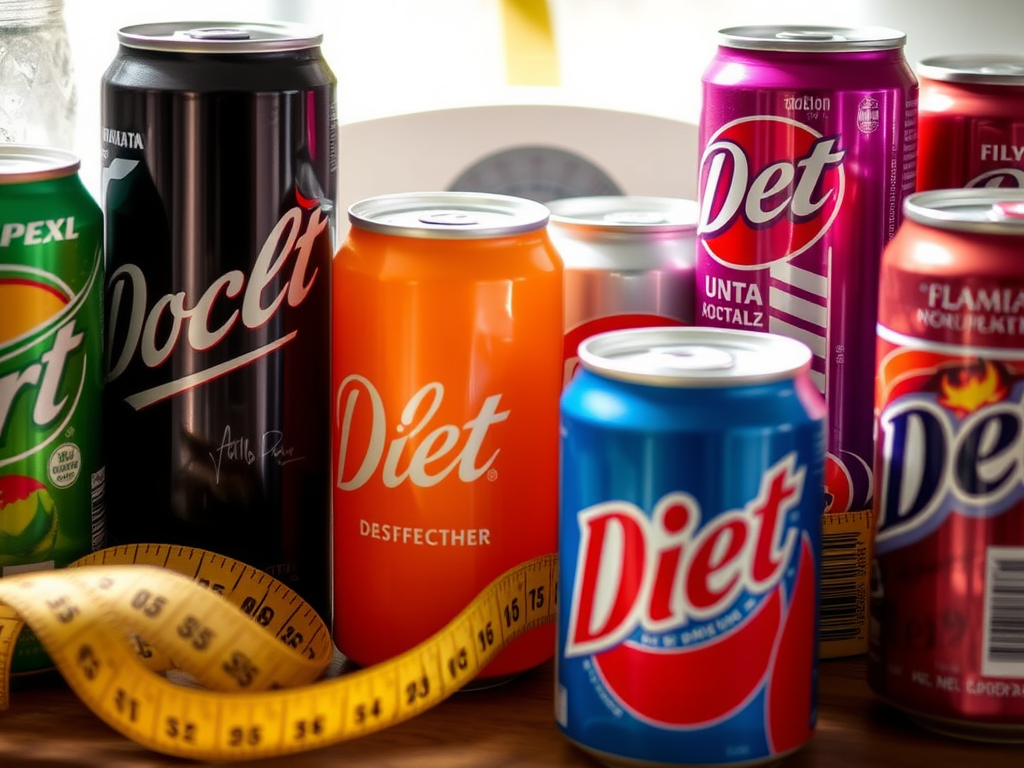


Many people switch to diet sodas, thinking they’re making a smart choice. But what if these beverages aren’t as harmless as they seem? Research suggests they might come with unexpected risks.
A UCLA study found that women who regularly consumed these beverages had a 21% higher diabetes risk. Another study tracking 81,714 women linked them to a 30% increase in stroke risk. Even long-term data, like the San Antonio Heart Study, shows connections to gradual weight changes.
Why do people still reach for them? Often, it’s the promise of zero calories. Yet, emerging evidence challenges this assumption. This article explores the science behind these findings and safer alternatives.
Key Takeaways
- Regular intake may raise diabetes risk by 21%.
- Long-term use could contribute to weight changes.
- Some studies link these beverages to a 30% higher stroke risk.
- Industry-funded research sometimes conflicts with independent findings.
- Healthier options exist for those seeking low-calorie alternatives.
What Are Diet Drinks and Why Are They Popular?
Originally created for diabetics, artificially sweetened beverages now line supermarket shelves. These diet sodas replace sugar with lab-made substitutes like aspartame or sucralose. A typical can contains carbonated water, caramel color, and phosphoric acid—plus a caffeine kick similar to half a cup of coffee.
In the 1950s, brands like Tab marketed these drinks to niche medical audiences. By the 1980s, zero-calorie claims turned them into weight-loss staples. Today, their appeal hinges on clever branding. Phrases like “no sugar” overshadow debates about metabolic effects.
Not all options are truly sugar-free. Coca-Cola Life, for example, blends stevia with 24g of sugar per bottle—nearly 90 calories. Compare that to classic Diet Coke, which uses aspartame for zero calories:
- Diet Coke: 0 cal, 46mg caffeine, aspartame
- Coca-Cola Life: 90 cal, 24g sugar, stevia blend
Caffeine content varies too. A Diet Pepsi has 35mg, while coffee packs 95mg per cup. Yet, the real draw is psychological. Bright labels and celebrity endorsements make these beverages feel like a smart swap—even when science suggests otherwise.
Health Risks of Diet Drink Consumption

Behind the zero-calorie labels lie surprising health consequences. Artificial sweeteners disrupt metabolic processes, affecting multiple organ systems. Let’s examine the evidence.
Metabolic Confusion and Weight Changes
The Nurses’ Health Study tracked 100,000+ women for decades. Regular users showed a 17% higher tendency to overeat. Over time, this habit elevates body mass index.
A 27-week trial found artificial sweeteners trigger cravings. Participants consumed 200+ extra calories daily. This metabolic confusion explains gradual weight gain.
Cardiovascular and Diabetes Risks
A UK analysis of 308,420 people revealed alarming trends. Daily intake correlated with a 30% higher stroke likelihood. Each serving raised hypertension risk by 9%.
Blood sugar regulation also suffers. The same research linked these beverages to a 21% spike in type 2 diabetes. Insulin resistance develops faster in frequent consumers.
Kidney and Bone Health
Bone density drops by 4% in cola drinkers, per a 15,368-person study. Phosphoric acid leaches calcium from hips and spines. Over the years, this raises fracture risks.
Kidneys face strain too. Seven or more weekly servings doubled the disease risk. Paradoxically, citrate in some brands might reduce specific stone types.
| Health Impact | Risk Increase | Study Size |
|---|---|---|
| Type 2 Diabetes | 21% | 100,000+ |
| Stroke | 30% | 308,420 |
| Kidney Disease | 100% | 15,368 |
| Hypertension | 9% per serving | Multi-study |
Dental erosion is another concern. With pH levels matching battery acid, enamel wears down faster. Switch to safer alternatives to protect your health.
Conflicting Evidence: What Do the Studies Really Say?

Science paints a complex picture about artificially sweetened beverages. Some studies highlight risks, while others downplay concerns. The difference often lies in research methods and funding sources.
Observational Studies vs. Experimental Research
Long-term observational research, like the Women’s Health Initiative, tracks habits over years. These studies link diet soda to a 21% higher diabetes risk. But short-term clinical trials sometimes show no effect.
A 1-year trial found participants lost 13.7 lbs with these drinks versus 5.5 lbs with water. Critics argue lab settings don’t reflect real-life compensation—people often eat more calories elsewhere.
Industry-Funded Research Bias
Independent analyses reveal stark contrasts. A review of 88 studies found soda bans reduced BMI in long-term data. Yet, industry-funded research reports 58% smaller risk estimates.
Coca-Cola sponsored projects often emphasize exercise over dietary changes. This skews public perception and policy debates.
| Study Type | Diabetes Risk Increase | Sample Size |
|---|---|---|
| Observational | 21% | 100,000+ |
| Clinical Trial | 8–13% | Small cohorts |
| Industry-Funded | 5–9% | Conflict-prone |
Mounting evidence suggests methodological gaps. Always check who funded the research before drawing conclusions.
How Diet Drinks Affect Your Gut and Metabolism

Artificial sweeteners don’t just trick your taste buds—they confuse your gut, too. Research reveals these additives alter microbial balance and hunger signals, undermining their “guilt-free” appeal. The effects ripple through your metabolism in unexpected ways.
The Gut Microbiome Under Attack
Your gut houses trillions of bacteria crucial for digestion. Human trials show sucralose slashes beneficial microbes by 47%. Aspartame spikes ghrelin, the hunger hormone, by 22%, explaining post-soda cravings.
Six common sweeteners each caused unique damage patterns in studies. Saccharin, for instance, converts to sulfonamides, gut toxins linked to inflammation. This disrupts glucose tolerance, creating a blood sugar rollercoaster.
Why You Crave More After Drinking “Zero”
Your brain expects calories with sweet tastes. When none arrive, dopamine reward pathways misfire. A case study noted a 68% surge in sugary food intake after artificial sweeteners.
Women face sharper appetite hormone swings. MRI scans reveal their brains respond more intensely to these mismatched signals. Over time, this dysregulation can shift eating habits.
- Dopamine disconnect: Sweetness without calories leaves reward circuits unsatisfied.
- Microbial chaos: Imbalanced gut flora worsens metabolic flexibility.
- Gender gap: Hormonal differences amplify cravings in women.
Healthier Alternatives to Diet Soda

Craving fizz without the risks? These alternatives deliver satisfaction safely. Swap artificial sweeteners for natural flavors that support your well-being—no compromise needed.
Sparkling Water and Infused Flavors
Brands like Bubly and LaCroix use zero additives, just crisp carbonation and natural essence oils. For a DIY twist, try these combos:
- Cucumber-mint: Mix sliced cucumber, fresh mint, and ice with plain seltzer.
- Berry blast: Muddle raspberries in a glass, top with chilled sparkling water.
A SodaStream lets you control carbonation levels. Add a splash of citrus or ginger for extra zing.
“Infused water cuts cravings by 40% compared to diet sodas.”
Journal of Nutrition and Metabolism, 2022
Herbal Teas and Low-Sugar Options
Hibiscus tea lowers blood pressure by 7.5 mmHg in just six weeks. Kombucha’s glycemic index (28) beats regular soda (63). Try these swaps:
- Matcha latte: 25mg caffeine vs. Diet Coke’s 46mg—plus antioxidants.
- Cinnamon-spiced ACV drink: Mix apple cider vinegar, cinnamon, and stevia in warm water.
For a mocktail, blend lime juice, seltzer, and a dash of stevia. It’s mojito-style refreshment without the sugar crash.
3-Week Transition Plan
- Week 1: Replace one soda daily with flavored seltzer.
- Week 2: Introduce herbal teas or kombucha as midday pick-me-ups.
- Week 3: Experiment with homemade infusions to find your favorite.
Your taste buds adjust fast—within 21 days, artificial sweetness loses its appeal.
Conclusion: Rethinking Your Diet Drink Habit
Reconsidering your beverage choices could reshape your long-term well-being. Decades of studies, including UCLA research, suggest limiting artificially sweetened options to three times weekly. Exceeding four servings escalates measurable risk factors.
Start small: replace one daily soda with herbal tea. Over two years, this swap may lower diabetes likelihood by 11%. Schools that ban these drinks cut student intake by 63%, proving policy impacts habits.
Prioritize health by treating diet beverages as occasional indulgences, not staples. Your body thrives on consistency—choose swaps that sustain energy without hidden trade-offs.



 trim down and shape up
Leave a comment