


Did you know that over 3-8 million people in the U.S. struggle with a chronic bladder condition that often goes undiagnosed? This condition, known as interstitial cystitis or bladder pain syndrome, can significantly disrupt daily life. Unlike a typical urinary tract infection, it doesn’t involve bacteria but causes similar discomfort, such as pelvic pain and a frequent urge to urinate.
For many, the impact goes beyond physical discomfort. It can lead to sleepless nights, reduced productivity, and even emotional distress. What’s more, 90% of cases affect women or those assigned female at birth, making it a critical issue for a large portion of the population.
This article aims to shed light on this often-misunderstood condition. You’ll learn about its causes, how it differs from other bladder issues, and actionable strategies to manage its effects. Let’s dive in and explore how you can take control of your health.
Key Takeaways
- Interstitial cystitis is a chronic bladder condition causing pelvic pain and urinary urgency.
- It affects 3-8 million people in the U.S., with 90% of cases occurring in women or AFAB individuals.
- Unlike UTIs, it doesn’t involve bacterial infection but shares similar symptoms.
- The condition can disrupt sleep, reduce the quality of life, and cause emotional distress.
- This article provides actionable strategies for managing symptoms and improving daily life.
What is Interstitial Cystitis?
Living with chronic bladder discomfort can feel isolating, but understanding the condition is the first step toward relief. Interstitial cystitis, also known as bladder pain syndrome, is a chronic condition that causes pressure and discomfort in the bladder area. Unlike a typical urinary tract infection, it isn’t caused by bacteria but can feel just as painful.
This condition is often diagnosed after ruling out other issues like infections or kidney stones. Doctors may suspect it when symptoms persist without a clear cause. One theory suggests that defects in the bladder wall allow urine to irritate surrounding tissues, leading to discomfort.
Symptoms can vary widely. Some people experience periods of remission, while others face frequent flare-ups. This unpredictability can make daily life challenging. In some cases, the condition is linked to autoimmune activity, where the body’s immune system mistakenly attacks healthy tissues.
It’s important to note that this condition is not contagious or related to poor hygiene. It’s a complex issue that requires careful management. Below is a table summarizing key facts about interstitial cystitis:
| Aspect | Details |
|---|---|
| Primary Symptom | Bladder pressure or pain that worsens as the bladder fills |
| Common Coexisting Conditions | IBS, fibromyalgia, endometriosis |
| Diagnosis | Exclusion of infections and kidney stones |
| Fluctuation | Periods of remission and flare-ups |
| Cause | Possible autoimmune activity or bladder lining defects |
Understanding these aspects can help you better navigate the challenges of this condition. While it may feel overwhelming, there are strategies to manage it effectively.
Symptoms of Interstitial Cystitis

Recognizing the patterns of bladder discomfort is key to managing your well-being. This chronic issue often presents with a range of signs that can vary from person to person. While some experience mild discomfort, others face more severe challenges that disrupt daily life.
Common Symptoms
The most frequent signs include bladder pressure, pelvic pain, and a persistent urge to urinate. These can feel similar to a urinary tract infection, but without the presence of bacteria. Some people also report pain during intercourse or a feeling of heaviness in the pelvic area.
“Symptoms may disappear temporarily without treatment, but flare-ups can return unexpectedly.”
Severity and Variability
This condition can range from mild to severe. In mild cases, discomfort may be occasional and manageable. However, severe cases can lead to constant pain and even require catheter use. Flare-ups, often triggered by stress, menstruation, or acidic foods, can last from days to months.
- Mild Cases: Occasional discomfort, manageable with lifestyle changes.
- Severe Cases: Constant pain, potential need for medical intervention.
- Triggers: Stress, hormonal changes, and certain foods.
It’s important to note that symptoms can overlap with other conditions like endometriosis or UTIs, leading to misdiagnosis. If you experience persistent discomfort, consult a healthcare professional for an accurate diagnosis.
Causes of Interstitial Cystitis

Chronic bladder discomfort often stems from a combination of factors, making it essential to identify triggers. While the exact cause of this condition remains unclear, several theories and risk factors have been identified. Understanding these can help you take proactive steps toward relief.
Potential Causes
Research suggests that defects in the bladder lining may allow urine to irritate surrounding tissues, leading to discomfort. Another theory points to autoimmune activity, where the body mistakenly attacks healthy cells. This condition may also be linked to chronic inflammation or nerve dysfunction in the pelvic region.
Risk Factors
Certain factors increase the likelihood of developing this condition. Women over 40 are at higher risk, and those with a history of chronic stress or trauma may also be more susceptible. Additionally, conditions like lupus, allergies, or vulvodynia can elevate the risk.
- Gender and Age: Women or those assigned female at birth, especially over 40, are more likely to experience this condition.
- Chronic Stress: A history of prolonged stress or trauma can contribute to its development.
- Comorbid Conditions: Untreated cases may worsen other health issues like migraines or irritable bowel syndrome.
- Smoking: Smoking exacerbates symptoms and can lead to further complications.
- Bladder Cancer: Patients with bladder cancer may develop secondary symptoms of this condition.
By recognizing these causes and risk factors, you can work with your healthcare provider to develop a personalized management plan. Taking action early can help prevent complications and improve your quality of life.
Diagnosing Interstitial Cystitis

Accurate diagnosis is the cornerstone of managing chronic bladder discomfort effectively. Since this condition shares symptoms with other bladder issues, a thorough evaluation is essential. Your healthcare provider will likely start with a detailed medical history and may ask you to keep a bladder diary to track patterns.
Medical History and Bladder Diary
Your doctor will ask about your symptoms, their duration, and any triggers you’ve noticed. Keeping a bladder diary can help identify patterns, such as increased discomfort after consuming certain foods or during specific activities. This information is crucial for narrowing down the diagnosis.
Diagnostic Tests
Several tests can help confirm the condition. A cystoscopy involves inserting a thin tube with a camera into the bladder to check for ulcers or bleeding. This procedure is often done under anesthesia to minimize discomfort.
Another test is the potassium sensitivity test, where a solution is introduced into the bladder. Pain with this solution suggests the condition. Hydrodistention, which stretches the bladder under anesthesia, is also used to evaluate its condition.
- Biopsy: A small tissue sample may be taken during cystoscopy to rule out rare cancers.
- Post-Void Residual Urine Test: Measures how well your bladder empties.
- Pelvic Exam: Helps rule out gynecological causes of pain.
These tests, combined with your medical history, provide a comprehensive picture. Early and accurate diagnosis is key to developing an effective management plan.
Treatment Options for Interstitial Cystitis

Managing chronic bladder discomfort requires a tailored approach to treatment. Depending on your symptoms and severity, your healthcare provider may recommend a combination of therapies. These options aim to reduce pain, improve bladder function, and enhance your quality of life.
Physical Therapy
Physical therapy can be a game-changer for those struggling with pelvic pain. A trained therapist can help relax tight muscles in the pelvic floor, reducing pressure on the bladder. Techniques like manual therapy and targeted exercises are often used to restore normal function.
Oral Medications
Certain medications can help manage discomfort and reduce inflammation. Your doctor may prescribe pain relievers, antihistamines, or medications that strengthen the bladder lining. These are often used in combination with other treatments for better results.
Bladder Instillations
Bladder instillations involve introducing a solution directly into the bladder through a catheter. One common solution is dimethyl sulfoxide (DMSO), which helps reduce inflammation. This treatment is typically done weekly for 6-8 weeks.
During the procedure, the solution remains in the bladder for about 15 minutes before being expelled. Some people notice a temporary garlic-like odor after DMSO treatment, but this is normal and fades quickly.
“Rescue instillations, using lidocaine and heparin, can provide immediate relief during acute flare-ups.”
These treatments are performed in-office and can be tailored to your specific needs. If you experience frequent flare-ups, your doctor may recommend a maintenance schedule to keep symptoms under control.
Exploring Moringa Magic: A Natural Ally in Managing Interstitial Cystitis
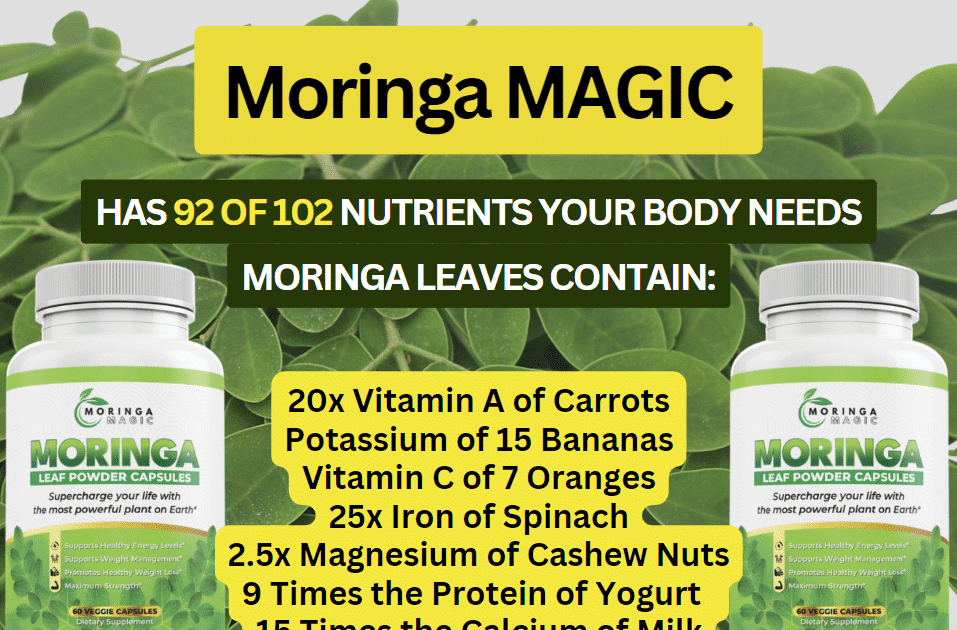
The easiest and most fundamental treatment for any medical condition is to address the wellness of your entire body. Inflammation is the root cause of many chronic conditions. Moringa Magic has incredible anti-inflammatory properties, which can help with Interstitial Cystitis as well as the overall well-being of your entire body.
The Nutritional Powerhouse: Moringa oleifera
Moringa oleifera, often referred to as the “miracle tree,” is renowned for its rich nutritional profile. The leaves are particularly noted for their high concentrations of vitamins A, C, and E, calcium, potassium, and protein. These nutrients play vital roles in reducing inflammation, combating oxidative stress, and supporting overall health.
Moringa Magic: What’s Inside?
Moringa Magic is a supplement that harnesses the benefits of Moringa oleifera. According to product descriptions, it delivers an immune-boosting combination of vitamin C, beta-carotene (a precursor to vitamin A), zinc, and powerful antioxidants. These components are essential in supporting the body’s natural defenses and reducing inflammation.
Potential Benefits for IC Sufferers
While direct clinical studies on Moringa Magic’s effects on IC are limited, the supplement’s anti-inflammatory and antioxidant properties may offer indirect benefits.
- Anti-inflammatory Effects: Chronic inflammation is a hallmark of IC. Moringa’s anti-inflammatory properties could potentially alleviate bladder inflammation, thereby reducing pain and discomfort.
- Antioxidant Properties: Oxidative stress can exacerbate IC symptoms. The antioxidants in Moringa may help neutralize free radicals, protecting bladder tissues from damage.
- Nutritional Support: Deficiencies in certain nutrients can impair healing and immune responses. Moringa’s rich nutrient profile can help address these deficiencies, supporting overall bladder health.
User Experiences
Some users have reported positive outcomes after incorporating Moringa Magic into their routines. For instance, a user review highlighted improved energy levels and reduced joint pain, attributing these benefits to the supplement’s anti-inflammatory properties. While individual experiences vary, these anecdotal reports suggest potential benefits worth exploring.
Considerations and Precautions
Before adding any supplement to your regimen, it’s crucial to consult with a healthcare professional, especially if you have underlying health conditions or are on medication. While Moringa is generally considered safe, excessive intake can lead to digestive issues. Additionally, the quality and concentration of active ingredients can vary among products, so it’s essential to choose reputable brands. Access the official Moringa Magic website here.
Conclusion
Moringa Magic, with its rich blend of nutrients and anti-inflammatory properties, presents a promising natural supplement for those managing interstitial cystitis. While more research is needed to establish direct benefits, its nutritional profile supports overall health, which is vital in managing chronic conditions like IC. As always, consult with a healthcare provider to determine if this supplement aligns with your individual health needs.
Lifestyle Changes to Manage Interstitial Cystitis

Taking control of your daily habits can make a significant difference in managing chronic discomfort. Small adjustments to your diet and stress levels can help relieve symptoms and improve your overall quality of life. By focusing on these areas, you can create a routine that supports your body and promotes long-term health.
Dietary Adjustments
What you eat can directly impact how you feel. Certain foods, like caffeine, alcohol, and acidic items, may trigger discomfort. Instead, focus on a balanced diet rich in whole grains, lean proteins, and non-acidic fruits. Staying hydrated is also crucial, but avoid overloading your bladder with large amounts of liquid at once.
Consider keeping a food diary to identify specific triggers. This simple step can help relieve symptoms by allowing you to make informed choices about your meals.
Stress Management
Stress can worsen discomfort, so finding ways to relax is essential. Techniques like guided imagery and meditation have been shown to reduce symptom severity. Yoga is another excellent option, as it decreases pelvic tension and lowers stress hormones.
“Cognitive behavioral therapy (CBT) can reframe how you perceive pain, making it easier to manage.”
Warm baths with Epsom salts can also provide muscle relaxation, while pacing strategies help you avoid activity-induced flare-ups. By incorporating these practices into your routine, you can create a calmer, more balanced lifestyle.
Alternative Therapies for Interstitial Cystitis

Exploring alternative therapies can open new doors to managing chronic bladder discomfort. These approaches focus on holistic healing and can complement traditional treatments. They aim to reduce pain, improve well-being, and enhance your quality of life.
Acupuncture
Acupuncture is a traditional Chinese medicine technique that involves inserting thin needles into specific points on the body. It may also help relieve symptoms by promoting relaxation and improving blood flow. Many people find it effective for reducing pelvic pain and urinary urgency.
Studies suggest that acupuncture can help regulate the nervous system, which plays a role in bladder function. Regular sessions may lead to long-term improvements in discomfort and overall mental health.
Guided Imagery
Guided imagery is a relaxation technique that uses visualization to calm the mind and body. Clinical trials have shown that a 12-week program can reduce pain by up to 30%. This method encourages you to imagine peaceful scenes, which can help distract from discomfort.
Apps like Calm or Headspace offer structured sessions for guided imagery. Combining this practice with diaphragmatic breathing can create a powerful synergy, enhancing its effectiveness.
“Guided imagery helps reframe how you perceive pain, making it easier to manage daily challenges.”
These alternative therapies offer a natural way to manage discomfort. By incorporating them into your routine, you can take proactive steps toward better health and well-being.
Surgical Options for Severe Cases

When lifestyle changes and medications aren’t enough, surgical options may provide relief for severe cases. These procedures are typically considered when other treatments fail to manage discomfort effectively. Surgery aims to address specific issues like ulcers or damage to the bladder wall, offering long-term solutions for those with persistent symptoms.
Bladder Augmentation
Bladder augmentation involves increasing the size of the bladder using a segment of the intestine. This procedure is often recommended for those with a severely reduced bladder capacity. It can help reduce urinary frequency and improve overall comfort.
Recovery typically requires a hospital stay of several days. Post-surgery, you may need to use a catheter temporarily to allow the bladder to heal. Your doctor will provide detailed instructions on care and follow-up appointments.
Fulguration and Resection
Fulguration and resection are minimally invasive procedures used to treat ulcers or lesions in the bladder. Laser fulguration, performed under anesthesia, destroys these lesions using a cystoscope. This method provides relief for 6-12 months before symptoms may recur.
Resection, on the other hand, involves removing the affected tissue. While fulguration is often done as an outpatient procedure, resection may require hospitalization. Both methods are effective but differ in recovery time and complexity.
| Procedure | Details |
|---|---|
| Fulguration | Outpatient, laser-based, 6-12 months of relief |
| Resection | Hospitalization required, tissue removal, longer recovery |
After these procedures, your doctor may recommend heparin instillations to prevent scarring and promote healing. These treatments are tailored to your specific needs, ensuring the best possible outcome.
Coping with Interstitial Cystitis

Managing a chronic condition like this can feel overwhelming, but you’re not alone in this journey. Many people find that connecting with others and addressing emotional well-being can make a significant difference. Below, we’ll explore how support groups and mental health strategies can help you navigate this challenge.
Support Groups
Joining a support group can provide a sense of community and understanding. Sharing experiences with others who face similar struggles can reduce feelings of isolation. These groups often offer practical tips and emotional support, helping you feel more empowered.
- Online Communities: Platforms like Facebook or dedicated forums allow you to connect with others from the comfort of your home.
- Local Meetings: In-person groups provide face-to-face interaction and a chance to build lasting relationships.
- Professional-Led Sessions: Some groups are facilitated by healthcare providers, offering expert guidance alongside peer support.
Mental Health Considerations
Living with chronic discomfort can take a toll on your mental health. Studies show that 60% of patients experience depression or anxiety alongside their physical symptoms. Addressing these concerns is crucial for overall well-being.
Your healthcare provider may need to recommend treatments like SSRIs (e.g., sertraline) to manage mood disorders. Collaborative care models, which integrate urology and psychology, can also provide comprehensive support. These approaches ensure that both physical and emotional needs are met.
Incorporating stress management techniques, such as mindfulness or therapy, can further enhance your quality of life. Remember, seeking help is a sign of strength, not weakness.
Conclusion
Navigating chronic bladder discomfort can be challenging, but with the right strategies, relief is within reach. Managing interstitial cystitis often requires a personalized, multi-modal approach. What works for one person may not work for another, so persistence is key during trial-and-error phases of treatment.
Advocating for yourself is crucial. Sharing detailed symptom diaries with your healthcare provider can accelerate diagnosis and help tailor your care plan. This proactive step ensures your voice is heard and your needs are addressed.
Research continues to bring hope. Areas like stem cell therapy and novel immunosuppressants show promise in addressing bladder pain and improving quality of life. Staying informed about these advancements can empower you to explore new options.
Remember, you’re not alone in this journey. With the right support and strategies, managing interstitial cystitis becomes a more achievable goal.
FAQ
What is interstitial cystitis?
Interstitial cystitis is a chronic condition causing bladder pressure, pain, and sometimes pelvic discomfort. It’s often mistaken for a urinary tract infection, but it’s not caused by bacteria.
What are the common signs of this condition?
You might feel pain in your bladder or pelvic area, experience frequent urination, or have a persistent urge to urinate. Symptoms can vary in intensity and may worsen over time.
What causes this bladder issue?
The exact cause is unknown, but it could involve a defect in the bladder lining, an autoimmune response, or nerve dysfunction. Certain factors like stress or diet may trigger flare-ups.
How is this condition diagnosed?
Your doctor may review your medical history, ask you to keep a bladder diary, or perform tests like a cystoscopy or urine analysis to rule out other conditions.
What treatments are available?
Options include physical therapy, oral medications like pain relievers or antihistamines, and bladder instillations with substances like dimethyl sulfoxide to reduce inflammation.
Can diet help manage symptoms?
Yes, avoiding certain foods like caffeine, alcohol, and acidic items may help relieve discomfort. Keeping a food diary can help identify triggers.
Are there alternative therapies for this condition?
Some people find relief through acupuncture, guided imagery, or stress management techniques. These methods can complement traditional treatments.
When is surgery considered?
Surgery, such as bladder augmentation or fulguration, is only recommended for severe cases when other treatments haven’t provided relief.
How can I cope with this condition?
Joining support groups, seeking mental health counseling, and practicing relaxation techniques can help you manage the emotional and physical challenges.



 trim down and shape up
Leave a comment