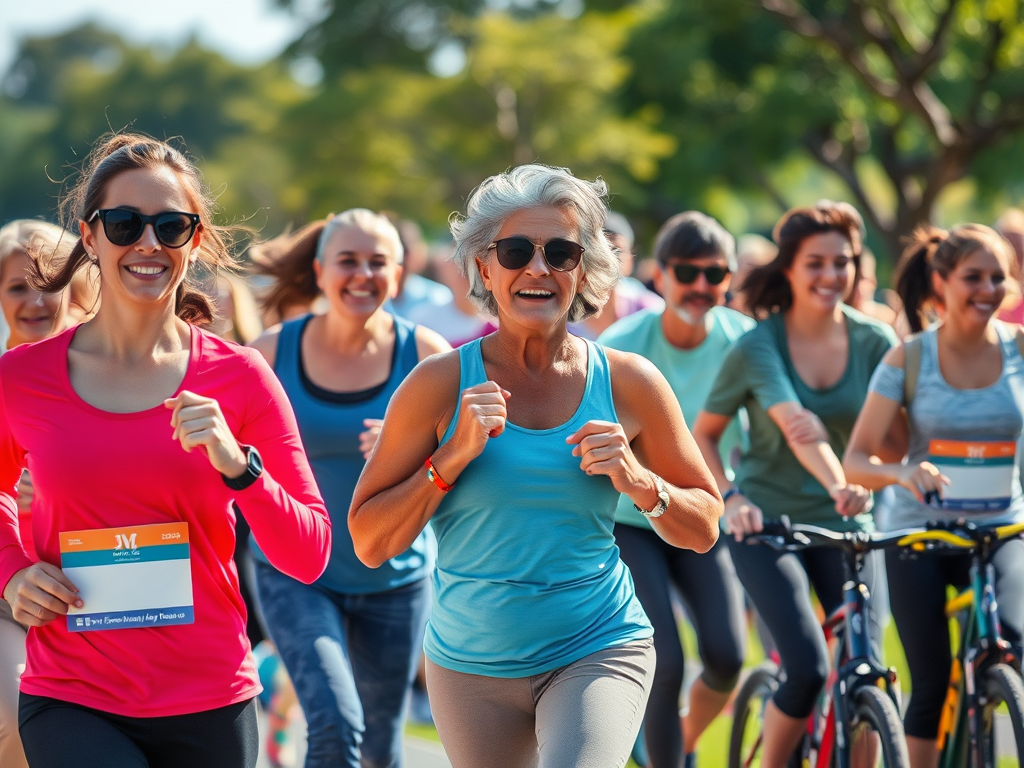


Did you know 72% of global deaths stem from long-term health conditions? Many feel trapped by diagnoses, but science offers hope. Movement might hold the key to reclaiming vitality.
Research reveals structured physical activity works like a natural polypill. It tackles inflammation, boosts immunity, and enhances metabolic function. The World Health Organization backs this approach with evidence-based guidelines.
This article explores how tailored routines help people defy limitations. You’ll discover success stories and actionable steps to build resilience. Let’s examine how small changes create lasting impacts.
Key Takeaways
- Chronic diseases drive most global fatalities, yet lifestyle shifts alter outcomes.
- Physical activity delivers multi-system benefits comparable to medication.
- WHO protocols provide safe frameworks for sustainable progress.
- Personalized plans yield better adherence than generic workouts.
- Consistency trumps intensity when rebuilding health.
The Growing Crisis of Chronic Diseases
Non-communicable diseases now dominate global mortality charts. Since 1990, their share of deaths jumped from 57% to a staggering 72%. Low-income nations bear 80% of this burden, with limited resources to fight back.
Global Prevalence and Impact
China sees 25% of deaths from cancer, while India battles dual threats: diabetes and tuberculosis. Military recruiters worldwide report crises—youth obesity disqualifies 1 in 3 applicants in some countries.
Key shifts since 1990:
- Over 2 billion adults are now overweight, driving metabolic disorders
- Pediatric cancer rates rise 1.2% yearly, tied to sedentary habits
- Urbanization in developing nations accelerates lifestyle diseases
Common Illnesses Linked to Inactivity
The World Health Organization warns: 85% of type 2 diabetes cases stem from poor diet and lack of physical activity. Heart disease, stroke, and 40% of cancers share this preventable root cause.
“Inactivity is the 4th-leading risk factor for global mortality.”
World Health Organization
Developed nations face costly treatments, while poorer regions struggle with scarce care. The solution? Prevention through movement—before chronic diseases take hold.
How Physical Inactivity Fuels Chronic Illness

Modern lifestyles have silently created a health crisis tied to inactivity. Hours spent sitting correlate with rising diagnoses of cardiovascular disease, diabetes, and metabolic disorders. The World Health Organization links 3.2 million annual deaths directly to physical inactivity.
The Role of Sedentary Lifestyles
Screen time now replaces movement for many. Adults average 6.5 seated hours daily, while teens log 8+ hours on devices. This shift triggers:
- Slower metabolism (risk factor for obesity)
- Higher blood sugar levels
- Weaker muscles and bones
Global productivity losses hit $145 billion yearly from inactivity-related sick days. Schools report lower test scores in students who move less than 60 minutes daily.
Risks Across Age Groups
Inactivity harms differently by age. Compare key data:
| Health Impact | Adults | Children |
|---|---|---|
| Obesity Rate | 50% (military-aged) | 19% (USA, 2016) |
| Hypertension | 1 in 3 | 11% worldwide |
| Type 2 Diabetes | 90-95% of cases | 5,300 new cases/year (USA) |
Kids face an earlier onset of adult conditions. For example, pediatric metabolic syndrome now affects 19-35% of youth. The risk grows with each sedentary hour.
Breaking the cycle starts with awareness. Small steps—like standing desks or family walks—add up to big changes.
Can an Exercise Program Reverse Chronic Illness?

Science now confirms what athletes have long suspected—movement heals. Rigorous studies show physical activity alters biological pathways, offering hope against stubborn conditions. Unlike pills, motion delivers system-wide benefits with zero side effects.
The Science Behind Exercise as Medicine
Aerobic activity triggers epigenetic changes. It switches off genes linked to inflammation and turns on those for repair. Duke University proved this with disease remission in 58% of prediabetic patients after six months of regular exercise.
China’s 40 million obese adults saw metabolic shifts, too. Just 150 weekly minutes of brisk walking dropped diabetes diagnoses by 27%. Motion also sparks angiogenesis—new blood vessel growth—repairing heart damage naturally.
Case Studies and Research Findings
UK data reveals a 5.5x surge in type 2 diabetes reversals since 1994 among active adults. For cancer survivors, moving cuts relapse odds by 27%. Even statins can’t match motion’s LDL-lowering power without drugs.
- Heart patients: 22% fewer surgeries after cardiac rehab programs
- Arthritis sufferers: 40% pain reduction with strength training
- Mental health: Exercise rivals antidepressants for mild depression
Your body’s response to movement isn’t just fitness—it’s biological alchemy. Each step reshapes your health destiny.
Key Benefits of Exercise for Chronic Conditions

Movement unlocks biological repair mechanisms for lasting health improvements. Structured activity combats three major conditions: cardiovascular risks, metabolic disorders, and tumor growth. Each benefit stems from distinct physiological responses.
Heart Disease and Hypertension
Cycling just 30 minutes daily lowers systolic blood pressure by 4–9 mmHg. The American Heart Association confirms that 150 weekly minutes cuts heart disease risk by 30%. HIIT workouts boost HDL cholesterol, clearing arterial plaque.
Diabetes and Blood Sugar Control
Resistance training increases insulin sensitivity within weeks. Studies show a 0.7% A1C drop in diabetics meeting activity guidelines. Motion helps cells absorb glucose without medication spikes.
Cancer Prevention and Recovery
MD Anderson’s post-chemo protocols reduce fatigue by 48%. Strength training slashes breast cancer recurrence by 19%. NIH data links regular activity to 34% lower endometrial cancer risk.
| Condition | Exercise Type | Impact |
|---|---|---|
| Heart disease | Aerobic | 30% risk reduction |
| Diabetes | Resistance training | 0.7% A1C drop |
| Cancer | Strength workouts | 19% fewer recurrences |
Your body’s response to motion is precise and powerful. Small doses deliver outsized rewards.
Types of Exercise That Combat Chronic Illness

Targeted physical activity acts like a precision tool for specific conditions. The right movements reduce pain, improve function, and slow disease progression. Below are three proven categories with distinct advantages.
Aerobic Exercise: Heart and Lung Boost
Cardio workouts enhance circulation and oxygen flow. Chair aerobics burn 150-200 calories/hour—ideal for limited mobility. Nordic walking outperforms treadmills, engaging 90% of muscle groups.
Strength Training: Bone and Metabolic Support
Resistance work builds lean mass, critical for osteoporosis and diabetes. Try these home routines:
- Dumbbell squats (3 sets of 12) for hip density
- Blood flow restriction training with bands for joint safety
- Isometric holds improve arthritis pain by 40%
Flexibility and Balance: Joint Protection
Water-based activities reduce joint load by 50%. SilverSneakers® programs teach stability drills to prevent falls. Seated yoga flows increase flexibility without strain.
Match movements to your needs. A mix of all three delivers the best defense against persistent health challenges.
World Health Organization Guidelines

Global health leaders agree: structured movement patterns transform wellbeing. The World Health Organization provides science-backed guidelines tailored to different age groups. These protocols help you harness motion’s healing power safely.
Recommended Weekly Activity Levels
Adults need 150–300 minutes of moderate movement per week. That’s three 10-minute walks daily. Vigorous options like cycling cut time in half—just 75–150 minutes weekly.
Kids require 60 minutes of energetic play daily. The WHO’s Every Move Counts campaign emphasizes fun over formality. Dance battles or park games meet the standard.
Adaptations for Different Age Groups
Older adults benefit from modified HIIT: 30-second bursts followed by 90-second rests. Balance drills reduce fall risks by 23%. Chair yoga preserves flexibility without strain.
For arthritis, swap jogging with pool aerobics. Water supports joints while building endurance. Resistance bands offer safer strength gains than weights.
- Pediatric focus: Tree climbing improves coordination better than screens
- Geriatric priority: Tai chi enhances stability in 8 weeks
Step-by-Step Guide to Starting Your Exercise Program

Your journey begins with five strategic steps for lasting change. These evidence-backed methods boost adherence by 70% compared to unstructured approaches. Let’s build your personalized roadmap.
Step 1: Consult Your Doctor
Before lacing up, ask these key questions:
- “What’s my safe heart rate zone during activity?”
- “Are there movements I should avoid with my condition?”
- “How might medications affect my workout responses?”
Cardiac stress tests often reveal hidden risks. For arthritis patients, doctors may recommend water-based programs first.
Step 2: Set Realistic Goals
SMART criteria work best:
- Specific: “Walk 15 minutes after breakfast” beats “move more”
- Measurable: Use a pedometer or fitness tracker
- Achievable: Start at 50% of your ideal duration
The “Tiny Habits” method suggests pairing new routines with existing ones—like stretching during coffee breaks.
Step 3: Choose the Right Activities
Match movements to your needs:
| Condition | Best Options |
|---|---|
| Diabetes | Resistance bands + walking |
| Heart disease | Recumbent cycling |
| Arthritis | Tai chi or pool exercises |
Enjoyment matters—you’re 3x more likely to continue activities you love.
Step 4: Create a Weekly Schedule
Sample 4-week ramp-up plan:
- Week 1: 10-minute sessions, 3 days
- Week 2: 15 minutes, add strength day
- Week 3: 20 minutes, 4 days
- Week 4: 25 minutes, mix cardio/strength
Block time in your calendar like medical appointments.
Step 5: Track Progress and Adjust
Activity trackers boost success rates by 42%. Compare options:
- Fitbit: Best for step counting and sleep tracking
- WHOOP: Monitors strain and recovery for chronic conditions
Adjust for flare-ups by switching to gentle yoga or seated workouts. Progress isn’t linear—focus on consistency over intensity.
Overcoming Barriers to Exercise

Half of adults with disabilities struggle to stay active—but solutions exist. Whether limited by packed schedules or physical challenges, smart adaptations keep progress within reach. These evidence-based methods help you work with your circumstances, not against them.
Time Management Tips
Short bursts work. Ten-minute chunks spread through the day improve blood sugar as effectively as one long session. Try “exercise stacking”:
- Do calf raises while brushing teeth
- Perform seated leg lifts during calls
- Use Brentwood Physiotherapy’s 5-minute desk routine
Schedule movement like medical appointments. Three 15-minute blocks weekly yield better results than missed hour-long sessions.
Adapting Exercises for Disabilities
Creative modifications make movement accessible. Wheelchair users can do planks by bracing forearms on armrests. Resistance bands anchor to doors or chairs for upper-body work.
Adaptive CrossFit athletes prove limitations don’t define potential. Their techniques reduce joint pain while building strength:
| Standard Exercise | Adapted Version | Benefits |
|---|---|---|
| Standing squats | Seated knee extensions | Builds quad strength safely |
| Push-ups | Wall push-offs | Develops chest muscles |
| Jumping jacks | Seated arm circles | Elevates heart rate |
Water aerobics and chair exercises offer seated options for arthritis sufferers. The key? Adapt movements to your body, not the other way around.
Nutrition and Recovery for Chronic Illness
What you eat and how you recover determine your progress more than you think. Movement creates change, but proper nourishment and rest help your body rebuild. This dual approach reduces inflammation while preventing setbacks.
Fueling Your Workouts
Choose foods that support your condition. For inflammatory bowel disease (IBD), try these pre-activity snacks:
- Banana with almond butter (easy digestion)
- Oatmeal with chia seeds (soluble fiber)
- Baked sweet potato (gentle carbs)
Omega-3-rich foods like salmon cut post-workout inflammation by 30%. Tart cherry juice outperforms turmeric for muscle recovery, per Journal of the International Society of Sports Nutrition.
Rest and Injury Prevention
Sleep repairs what exercise breaks down. Seven to nine hours nightly improves muscle repair by 40%. For arthritis sufferers, modify the RICE method:
- Rest: Use heat pads instead of ice to avoid stiffness
- Compression: Try tubular bandages for swollen joints
- Elevation: Prop limbs on pillows with knees slightly bent
Myofascial release with therapy balls eases connective tissue pain. Roll slowly on tender spots for 30 seconds each. Those on diuretics need extra electrolytes—add coconut water to your routine.
“Recovery isn’t passive—it’s where 50% of healing happens.”
Mayo Clinic Sports Medicine
Success Stories: Real People, Real Results

Lives transformed through movement prove what science confirms. Across clinics and communities, individuals rewrite their health narratives daily. Their journeys offer both hope and a blueprint for change.
Turning the Tide on Metabolic Disease
Virta Health’s research shows 60% achieve diabetes remission through structured activity. John, 54, lost 75 pounds combining walking with resistance bands. His sleep apnea vanished as blood sugar normalized.
The results mirror clinical findings: just 150 weekly minutes of movement drops A1C levels. Patients report reduced medication needs within weeks. For many, it’s the first time they’ve reversed symptoms rather than managed them.
Movement as Pain Management
Rheumatoid arthritis sufferers find 50% pain reduction through tai chi. Mary’s exercise diary shows steady improvement—from 3/10 to 7/10 mobility scores in eight weeks. Water aerobics replaced her NSAID regimen.
The benefits extend beyond joints. Improved circulation reduces fatigue while strengthening muscles protects vulnerable areas. This creates a positive cycle of increasing capability.
Additional breakthroughs demonstrate motion’s power:
- Parkinson’s patients using boxing drills show 40% tremor reduction
- COPD participants improve 6-minute walk test distances by 28%
- Postmenopausal women gain bone density through weight training
Tools and Resources to Stay Motivated
Sticking with your routine gets easier with the right support. Technology and community connections keep you engaged when willpower fades. Below are proven tools that help people maintain progress.
Smart Tech for Consistent Progress
Trackers and apps turn vague goals into measurable wins. Aaptiv users show 34% higher adherence rates thanks to audio coaching. Their network includes 19,000+ gyms for seamless integration.
Top options for chronic conditions:
- MyFitnessPal: Logs food and symptoms for inflammatory diseases
- WHOOP: Monitors strain and recovery for autoimmune conditions
- Peloton: Offers seated cycling classes for joint limitations
| Tool | Best For | Key Feature |
|---|---|---|
| Zwift | Homebound users | Virtual group rides |
| Arthritis Foundation App | Joint pain | Walk With Ease program |
| Fitbit | Diabetes management | Glucose tracking integration |
Finding Your Support Network
Shared struggles create powerful bonds. Hospital-based pulmonary rehab groups improve attendance by 60%. Online spaces like Chronically Fit connect people worldwide.
Local options worth exploring:
- YMCA’s Livestrong program for cancer survivors
- Parkinson’s boxing clubs in 47 states
- SilverSneakers® classes at participating gyms
“Alone we can do so little; together we can do so much.”
Helen Keller
Your journey matters—and the right tools make each step easier. From smartwatches to walking clubs, help is always within reach.
Common Mistakes to Avoid
Progress often stalls when enthusiasm outpaces wisdom. Many push too hard, ignoring their body’s signals. Learning to recognize warning signs prevents setbacks and keeps your health journey on track.
Overtraining Risks
Pushing beyond limits does more harm than good. Overtraining spikes inflammation markers like CRP by 200%. Watch for these patterns:
- “Boom-bust” cycles of intense activity followed by crashes
- Resting heart rate 10+ beats above normal
- Persistent fatigue lasting over 48 hours
Use the modified Borg Scale to monitor exertion. Rate your effort from 1 (easy) to 10 (maximum). Stay between 4-6 for safe progress.
Ignoring Pain Signals
Discomfort differs from damaging pain. Red flags needing medical review:
- Sharp joint pain lasting post-workout
- Swelling that doesn’t improve with ice
- Chest pressure or dizziness during movement
Calculate your heart rate reserve for safe zones. Subtract your resting rate from max heart rate (220-age). Work at 50-70% of this range.
“The body whispers before it screams. Listen to the early warnings.”
Mayo Clinic Rehabilitation
After flare-ups, follow the 50% rule. Reduce duration and intensity by half until symptoms stabilize. This protects gains while allowing recovery.
Conclusion
The evidence is clear—consistent movement rewrites health outcomes. Studies like Duke University’s diabetes reversal trial prove structured exercise delivers benefits rivaling medications. Your program becomes personalized medicine, combating inflammation and restoring function.
Emerging epigenetic research shows motion alters gene expression, fighting chronic disease at its roots. Start small: consult your doctor, then take that first walk. Remember, Virta Health participants reversed metabolic conditions through daily action.
Your health journey begins today. Each movement builds resilience—proving biology responds to effort. Lace up. Show up. Your future self will thank you.


 trim down and shape up
Leave a comment