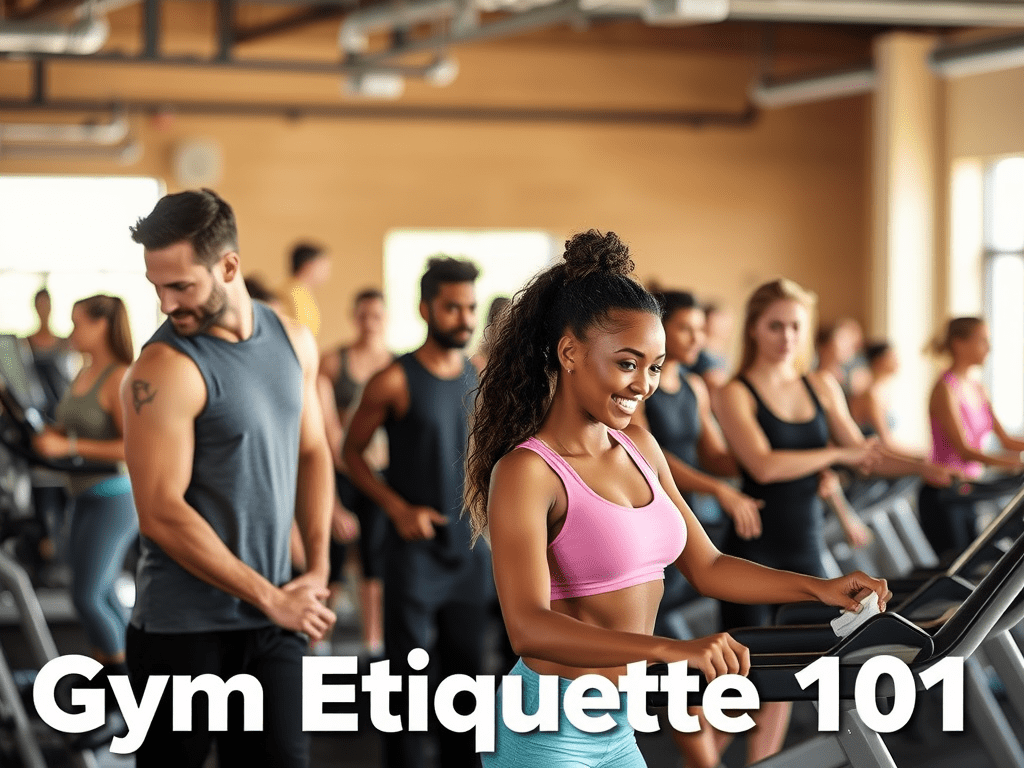


Did you know 73% of fitness enthusiasts report encountering etiquette issues during workouts? A 2023 survey revealed that inconsiderate behavior, like leaving weights unracked or hogging machines, creates tension in shared spaces. These small missteps can turn a productive session into a frustrating experience for everyone.
Respect is the foundation of any fitness community. Always wipe down benches or machines after use—sweat left behind isn’t just gross, it’s a safety hazard. If you’re using multiple pieces of equipment, let others work in between sets. A little awareness goes a long way.
Sharing space wisely matters, especially during peak hours. Don’t camp out on popular machines while scrolling through your phone. Rerack dumbbells and plates immediately so others don’t waste time searching. Simple actions like these keep workouts efficient and stress-free.
Remember, everyone’s there to improve themselves. Loud conversations or dropping weights unnecessarily disrupts focus. Stick to posted rules, like time limits on cardio machines. By prioritizing courtesy, you help create an environment where everyone can thrive.
Key Takeaways
- Clean equipment after use to maintain hygiene and safety.
- Share machines during busy times to avoid bottlenecks.
- Return weights promptly to their designated storage areas.
- Respect personal space and noise levels to minimize distractions.
- Follow facility rules to prevent accidents and conflicts.
- Stay mindful of how your actions affect others’ workouts.
- Prioritize kindness—it costs nothing but builds a stronger community.
Introduction to Gym Etiquette Essentials
Proper equipment care and time management form the backbone of every successful fitness community. Shared spaces thrive when everyone follows simple guidelines that keep sessions smooth and frustration-free.
Start by returning items to their designated spots after use. A 2023 study found that 68% of members waste over five minutes per session hunting for misplaced weights. This not only disrupts your flow but steals precious minutes from others’ plans.
Be mindful of how long you occupy machines during peak hours. If someone’s waiting, offer to alternate sets or wrap up within a reasonable timeframe. Respecting others’ schedules creates a welcoming atmosphere where goals get achieved faster.
Clutter-free zones prevent accidents and help maintain focus. Imagine tripping over stray kettlebells or struggling to adjust a bench buried under loose plates. Organized areas let you concentrate on form and progress without unnecessary risks.
These principles aren’t about strict rules—they’re about building mutual respect. When you prioritize order and awareness, you contribute to safer, more efficient workouts for everyone involved.
Essential gym etiquette for the gym

Maintaining harmony in shared fitness areas starts with understanding unspoken rules. One key principle? Always return plates and dumbbells to their racks immediately. Leaving them scattered creates tripping hazards and forces others to waste time searching—68% of members report frustration over misplaced items during peak hours.
Handling heavy loads requires more than strength—it demands awareness. Use controlled movements to lower barbells instead of dropping them, which protects equipment and reduces noise. Proper form isn’t just safer for you; it shows respect for those nearby who might get startled by sudden crashes.
Respecting personal zones prevents overcrowding. Avoid hovering inches behind someone mid-set, and don’t spread towels or water bottles across multiple benches. If the floor gets busy, wait your turn instead of squeezing into tight gaps between stations.
True courtesy extends beyond rule-following. Offer to spot a stranger struggling with their last rep or share a cable machine during rush times. These small gestures foster camaraderie, turning a room full of individuals into a supportive community focused on collective progress.
Proper Use and Care of Gym Equipment

Ever walked into a cluttered workout area with dumbbells scattered like landmines? Keeping shared spaces functional requires everyone to handle gear thoughtfully. Simple habits ensure equipment stays safe, clean, and ready for the next person.
Re-racking and Storing Equipment Correctly
Return every piece to its home immediately after use. Misplaced weights force others to waste time searching—68% of members cite this as their top frustration. Organize plates in numerical order so racks stay intuitive. “A tidy space isn’t just polite—it prevents accidents,” notes a recent fitness safety guide.
Treat each thing with purpose. Slammed barbells damage floors and distract nearby exercisers. Instead, lower weights with control. This preserves gear and maintains focus for everyone tackling intense routines.
Wiping Down Equipment After Use
Always sanitize surfaces post-workout. Germs spread faster than gains in busy environments. Use disinfectant wipes on handles, seats, and any contact points. Quick wipes take seconds but protect others from sticky residues or bacteria.
Adopt a methodical way of cleaning:
- Spray or wipe before using machines if you notice sweat
- Focus on high-touch areas like adjustment knobs
- Dispose of used towels properly
These small things matter most during group exercise sessions. Your effort keeps shared tools hygienic and reinforces respect within the fitness community.
Sharing Gym Space and Respect for Others

Navigating crowded fitness areas requires balancing your needs with awareness of those around you. Clear communication and spatial mindfulness keep sessions productive while preventing conflicts.
Claiming Your Personal Workout Zone
Establish a visible boundary for your immediate area. Place a towel or water bottle near equipment you’re actively using. This signals to others that you’ll return shortly if stepping away—like grabbing more plates or hydrating.
Keep belongings consolidated to one bench or mat. Spreading items across multiple stations creates clutter that disrupts workouts. If someone asks to share a rack, politely confirm you’re still using it or offer to alternate sets.
Respecting Others’ Boundaries
Maintain at least three feet of space when someone’s mid-exercise. Leaning over a person doing bench presses or deadlifts risks accidents and breaks their focus. If the floor’s packed, wait instead of squeezing into tight gaps.
Notice visual cues like headphones or intense concentration—these often mean a person prefers minimal interaction. Save conversations for lounge areas unless offering spot assistance. A 2023 survey found 82% of members appreciate quiet zones for heavy lifting.
Shared spaces thrive when everyone prioritizes consideration. Simple acts—like using a towel marker or giving breathing room—help others stay safe and focused during their workouts.
Hygiene and Cleanliness Practices in the Gym

Germs spread faster than a treadmill sprint if you’re not careful. A 2023 study found that free weights harbor 362 times more bacteria than a toilet seat. This makes consistent cleaning non-negotiable for everyone’s health.
Always wipe down handles, seats, and touchpoints after use. Antibacterial sprays eliminate 99% of pathogens—critical during flu season when viruses linger on surfaces. Focus on high-traffic areas like cable machines and bench pads where sweat pools easily.
A clean place starts with the floor. Stray towels or water bottles create tripping hazards during dynamic exercises. Keep walkways clear so others can perform lunges or yoga flows safely. “Your mat isn’t just your space—it’s part of a shared ecosystem,” notes a CDC hygiene guide.
Phones collect bacteria from every surface they touch. Wipe screens before placing devices on benches or racks. Better yet, store them in a designated bag instead of resting them where others perform core exercises.
Proactive habits prevent outbreaks. Spray equipment before use if you notice residue. Dispose of used wipes properly—don’t leave crumpled towels dangling from dumbbells. These efforts protect both your gains and the community’s well-being.
Being Mindful of Time and Workout Planning

A well-planned routine saves time and reduces stress for everyone. When you map out exercises in advance, you minimize equipment conflicts and keep shared spaces flowing smoothly. This approach lets you focus on form while respecting others’ schedules.
Planning Efficient Workouts
Start by grouping exercises that use the same equipment or muscle groups. This cuts transition time by 40% compared to random routines. For example, pair bench presses with rows instead of jumping between distant stations.
| Planned Routine | Unplanned Routine | Time Saved |
|---|---|---|
| Circuit training | Random machine hopping | 12-15 minutes |
| Supersets | Single exercises | 8-10 minutes |
| Equipment clusters | Cross-floor movements | 5-7 minutes |
Leave buffer time between intense sets to wipe down gear. This prevents sweat buildup and keeps stations ready for others. Apps like Strong or Fitbod help design balanced sessions in under three minutes.
Arriving on Time for Classes
Showing up five minutes early prevents disruptions during warm-ups. Late entries force instructors to repeat instructions, breaking the group’s rhythm. One delayed participant can derail an entire session’s flow.
Set phone reminders for class start times. Keep a dedicated workout bag with essentials to avoid last-minute searches. If you must leave early, inform the instructor beforehand—this preserves the experience for those staying.
- Sync workouts with off-peak hours using facility apps
- Complete dynamic stretches before class officially starts
- Store belongings in lockers, not the exercise floor
Handling Phone Use and Social Interactions
Your smartphone can be your biggest workout rival if you’re not careful. A 2024 study found members who check devices mid-session lose 23% more focus than those who stay offline. This distraction creates risks—like tripping over equipment or missing proper form cues.
Minimizing Distractions on the Gym Floor
Keep calls and texts for lounge areas. Lingering on your phone in the workout room blocks equipment and increases injury risks. For example, scrolling between sets might seem harmless, but it delays others from using benches or racks.
| Low-Impact Use | High-Impact Use | Injury Risk |
|---|---|---|
| Quick timer checks | 15-min social scrolls | 2.1x higher |
| Music controls | Video calls | 4.3x higher |
| Emergency alerts | Group chats | 1.8x higher |
Socialize respectfully without monopolizing space. A lot of tension arises when conversations overflow into others’ workout zones. Keep exchanges brief—save detailed chats for post-session cool-downs.
Stow devices in lockers or bags during intense routines. If you must use them, step aside from busy areas. This simple habit prevents a lot of frustration and keeps the room focused on fitness goals.
Safe Weight Lifting and Equipment Handling

Ever felt uncertain about securing your barbell during heavy lifts? Proper setup isn’t just about personal safety—it protects everyone nearby. A single loose plate can turn into a hazard, especially in busy areas.
Using Safety Clamps and Secure Setups
Always lock weights with clamps before lifting. These small tools prevent plates from sliding mid-rep, which reduces injury risks by 34% according to recent fitness safety reports. If you’re unfamiliar with equipment adjustments, ask a staff member for guidance—they’re trained to help you avoid mistakes.
Check that benches and racks are stable. Wobbly setups strain joints and compromise form. Tighten bolts if permitted, or notify staff immediately about faulty gear. Your vigilance keeps the environment functional for others.
Avoiding Loud Weight Drops
Controlled lowering prevents ear-splitting crashes. While dropping weights might feel efficient, it damages flooring and disrupts concentration. Studies show sudden noises increase stress hormones by 27% in shared spaces.
If you must release a heavy load, bend your knees to cushion the impact. This technique preserves equipment and maintains peace. Remember: a staff member can demonstrate quieter alternatives for complex lifts if you ask.
Prioritizing these habits creates a calmer, safer experience on the gym floor. When in doubt, ask staff—they’ll appreciate your commitment to collective well-being.
Navigating Circuit Workouts and Modifying Routines

Circuit training during peak hours feels like solving a puzzle with missing pieces. When the fitness area is busy, flexibility becomes your secret weapon. Instead of sticking rigidly to your plan, swap exercises that require popular pieces of equipment for alternatives. For example, use resistance bands if cable machines are occupied.
Adapting Your Routine in Crowded Gyms
Mark your station briefly with a towel if stepping away to grab water or plates. This signals temporary use without blocking access. One member’s 2024 survey noted: “A visible marker reduces conflicts by 41% compared to guessing games.”
If someone’s using pieces of equipment you need, ask to work in between sets or choose a substitute. Kettlebell swings can replace deadlifts, while push-ups offer a bench press alternative. Staying nimble keeps your heart rate up and avoids bottlenecks.
Manage circuit flows without hogging multiple stations. Complete three sets at one machine before moving on—this prevents “equipment hoarding” frustrations. When forced to drop weights, lower them quietly to avoid startling others mid-rep.
Always have a Plan B. Apps like JEFIT provide instant exercise swaps based on available pieces of equipment. This adaptability lets you maintain intensity while respecting shared space dynamics.
Respecting Privacy, Recordings, and Social Media Etiquette

Ever notice cameras pointed in your direction during squats? A 2024 report shows 61% of exercisers feel uncomfortable when filmed without consent. Recording workouts requires careful consideration to protect others’ privacy while pursuing your fitness goals.
Obtaining Consent Before Filming or Photographing
Always ask permission if others appear in your shots. Position your phone or camera to capture only your gym equipment and form. Wide-angle shots that include strangers risk violating personal boundaries and could lead to social media backlash.
Need to document your deadlift technique? Follow these steps for discreet recording:
- Choose off-peak hours when fewer people are present
- Use a tripod close to your workout station
- Review footage immediately to delete accidental captures
Dropping weights loudly while filming draws unwanted attention. Controlled movements maintain focus and prevent viral embarrassment. Remember: anything else in your frame—like someone adjusting their form—deserves privacy protection.
If you feel free to post content publicly, double-check for bystanders. Blurring faces isn’t enough—many states require written consent for identifiable images. When in doubt, keep recordings private or stick to selfie-mode angles.
Conclusion
Shared fitness spaces thrive when everyone commits to thoughtful habits. Small actions—like how you step away from equipment or drape towel markers—create ripple effects that shape the entire environment. Respect isn’t just about rules; it’s recognizing how your choices impact others’ progress.
Always return weights promptly and wipe down surfaces. If you step away briefly, a visible drape towel shows you’ll return. These signals prevent confusion and keep sessions flowing smoothly for all.
By embracing these principles, you’ll get more than personal gains—you build a culture where everyone feels valued. Reflect on how equipment handling and spatial awareness affect communal energy. You may want to share these practices with newcomers, multiplying positive impacts.
Consistency turns courtesy into second nature. Whether planning workouts or interacting mid-set, mindful choices ensure shared areas remain productive and welcoming. When we all contribute, everyone thrives.
FAQ
What’s the best way to handle weights after finishing a set?
Always return plates, dumbbells, or kettlebells to their designated racks. Leaving them on the floor or benches creates tripping hazards and disrupts others’ routines. If you’re unsure where something goes, ask a staff member for guidance.
Should I wipe down machines even if I don’t see visible sweat?
Yes. Use disinfectant spray and a towel to clean surfaces after each use, regardless of sweat visibility. Germs spread easily, and this simple step shows respect for the next person’s health and comfort.
How do I avoid crowding others during peak hours?
Stick to one piece of equipment at a time, and keep bags or gear out of walkways. If someone’s waiting, offer to alternate sets. For circuit training, limit station rotations when the space is busy.
Is it okay to record workouts in shared areas?
Only if you’re not filming others without consent. Position your phone to focus solely on your setup, and avoid blocking pathways. If unsure, check facility rules or ask a staff member about filming policies.
What’s the safest way to lift heavy without disturbing others?
Use safety clamps on barbells and control your movements to minimize noise. Dropping weights recklessly can damage floors or cause injury. Save explosive lifts for designated platforms if available.
How long is too long to occupy a machine between sets?
Keep rest periods under 2–3 minutes if others are waiting. Step away briefly to hydrate or adjust your playlist, but don’t leave personal items to “claim” equipment during extended breaks.
Can I modify exercises if the gym is packed?
Absolutely. Swap cable machine moves for resistance bands or free weights to free up space. Communicate with nearby members to ensure everyone can move safely without collisions.
What should I do if someone’s using equipment I need?
Politely ask how many sets they have left. Use the wait time to stretch, hydrate, or tackle a different exercise. Never interrupt mid-set or hover closely—this can make others feel rushed.



 trim down and shape up
Leave a comment