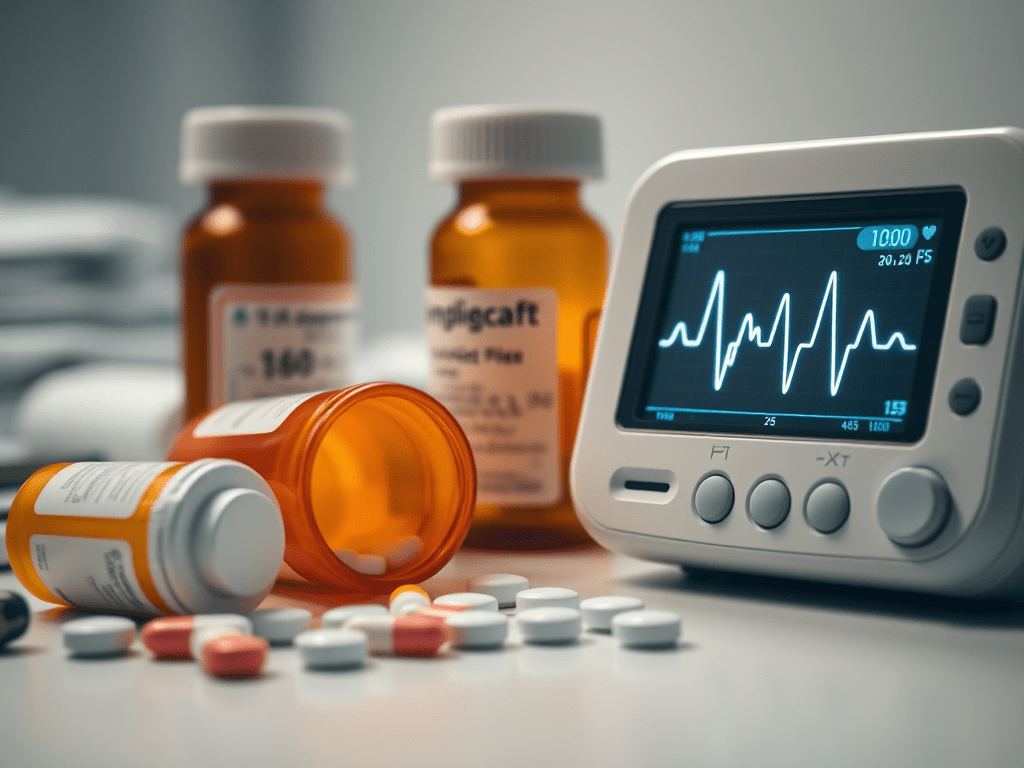


What if the treatment meant to improve your mental well-being could have unintended consequences for your heart? A groundbreaking study presented at the European Heart Rhythm Association Congress in 2025 raises this critical question. Researchers analyzed data from over 4.3 million Danish residents, uncovering a potential link between prolonged medication use and heart-related risks.
The study examined 12 years of prescription records and identified a significant pattern. Among the 643,999 individuals exposed to certain medications, 1,981 cases of sudden heart-related events were recorded. This finding suggests a 2.17 times greater likelihood of such events for those using these medications for six or more years compared to the general population.
While mental health treatment remains essential, this research highlights the importance of balancing its benefits with awareness of potential risks. Understanding these findings can help you make informed decisions about your health.
Key Takeaways
- Groundbreaking study links long-term medication use to heart-related risks.
- Presented at the European Heart Rhythm Association Congress 2025.
- Analyzed 12 years of prescription data from 4.3 million Danish residents.
- 2.17 times higher risk for those using medications for six or more years.
- Balancing mental health benefits with cardiovascular awareness is crucial.
Introduction to the Study on Antidepressant Use and Cardiac Risk
Could the medications designed to support mental health also impact your heart’s well-being? Researchers from Rigshospitalet – Copenhagen University Hospital sought to answer this question in a comprehensive study. They analyzed data from death certificates and autopsy reports for individuals aged 18 to 90, focusing on those who had received at least two annual prescriptions over a 12-year period.
The study combined death certificates with prescription records across Denmark. This approach allowed researchers to confirm sustained medication use and identify patterns. They also adjusted for factors like age, sex, and pre-existing health conditions to ensure accurate results.
Prior research has shown that psychiatric patients face a doubled likelihood of heart-related events compared to the general population. This study builds on that foundation, offering deeper insights into potential risks. However, it’s important to note that the study’s observational design cannot prove causation.
- Combined death certificates and prescription records for comprehensive analysis.
- Included individuals with at least two annual prescriptions over 12 years.
- Adjusted for age, sex, and comorbidities to refine findings.
- Highlighted limitations of observational studies in proving causation.
Presented at the European Society of Cardiology and supported by the Heart Rhythm Association, this research underscores the need for further investigation into the balance between mental health treatments and cardiovascular health.
Key Findings: Antidepressant Use Associated with Higher Risk of Sudden Cardiac Death

How does prolonged treatment for mental health affect your heart over time? A recent study provides critical insights into this question. The research reveals a clear dose-response relationship between the duration of medication use and heart-related risks.
Increased Risk with Long-Term Use
The study found that individuals using certain medications for 1-5 years had a hazard ratio (HR) of 1.56. For those using them for six or more years, the HR rose to 2.17. This suggests that the longer the treatment, the greater the potential risk.
These findings highlight the importance of monitoring heart health, especially for those on long-term antidepressant use. While the absolute risk remains low, the relative risk increases significantly over time.
Age Group Variations
The study also examined risks across age groups. The 50-59 age group showed the highest incidence rate ratio (IRR) at 2.0. In contrast, the 18-29 group had an IRR of 5.1, though this was not statistically significant.
Here’s a breakdown of the findings by age group:
| Age Group | Incidence Rate Ratio (IRR) |
|---|---|
| 18-29 | 5.1 (non-significant) |
| 30-39 | 1.8 |
| 40-49 | 1.9 |
| 50-59 | 2.0 |
| 60-69 | 1.7 |
| 70-79 | 1.6 |
While younger individuals showed higher relative risks, the absolute risk of heart-related events remains lower in this group. This underscores the importance of considering both relative and absolute risks when evaluating treatment options.
Expert Perspectives on the Study

What do experts say about the potential heart-related risks linked to mental health treatments? Leading researchers have weighed in, offering valuable insights into the study’s findings and their implications for patients and healthcare providers.
Jasmin Mujkanovic’s Insights
Jasmin Mujkanovic, a prominent researcher, highlights the complexity of the issue. She notes, “It’s difficult to assess whether it’s the medication or the severity of depression itself that contributes to these risks.” This caution underscores the challenge of disentangling the effects of treatment from the underlying condition.
Mujkanovic emphasizes the need for further research to clarify these risk factors. Her perspective suggests that while the study raises important questions, it doesn’t provide definitive answers.
Elena Arbelo’s Commentary
Elena Arbelo, another expert in the field, offers a different angle. She proposes that medication use may act as a “risk marker rather than a direct cause” of heart-related issues. Arbelo advocates for baseline cardiac testing before initiating treatment to better understand individual risk factors.
Her approach focuses on proactive measures to ensure patient safety. This includes monitoring for arrhythmias and other potential complications during treatment.
The European Heart Rhythm Association and the Society of Cardiology have also weighed in. A spokesperson recommends ECG monitoring for new users of these medications. This practical step aims to detect any early signs of heart rhythm abnormalities.
The debate remains unresolved: Are these medications causal agents, or do they simply reflect the risks associated with depression? Experts agree on the need for prospective registries to track the development of arrhythmias and other complications over time.
Implications for Patients Taking Antidepressants

For those taking antidepressants, knowing the potential risks and benefits is essential. Balancing mental health treatment with heart health awareness can help you make informed decisions about your care.
What You Should Know About Your Medication
If you’re on long-term medication, it’s important to understand how it interacts with other treatments. For example, SSRIs may interact with antibiotics or heart medications. Always discuss these risk factors with your healthcare provider.
Abruptly stopping your medication can be dangerous. A 2021 meta-analysis showed that while there are risks, the absolute likelihood of severe complications remains low. This means that with proper monitoring, you can continue your treatment safely.
Monitoring Heart Health
Regular check-ups are crucial for patients on mental health medications. Discuss the possibility of ECG monitoring with your doctor to detect any early signs of heart rhythm issues. Proactive steps like these can help protect your heart health.
Remember, untreated depression itself carries significant cardiovascular risks. Managing your mental health is just as important as monitoring your physical well-being. By staying informed and working closely with your provider, you can achieve a balanced approach to your care.
Conclusion: Understanding the Link Between Antidepressants and Sudden Cardiac Death
Understanding the connection between mental health treatments and heart health is crucial for making informed decisions. While some research suggests a potential link to sudden cardiac events, other studies, like a 2022 analysis of 2.6 million patients, found no significant difference. This conflicting evidence highlights the complexity of the issue.
It’s essential to weigh the risk of untreated depression, which doubles the likelihood of cardiac arrest, against potential side effects. An individualized approach, considering personal health factors, is key. Depression treatment remains vital, and stopping medication without medical guidance can be harmful.
Future research, as suggested by experts like Arbelo and Simons, will focus on long-term monitoring and clearer risk assessments. For now, stay informed, work closely with your healthcare provider, and prioritize both mental and physical well-being.


 trim down and shape up
Leave a comment