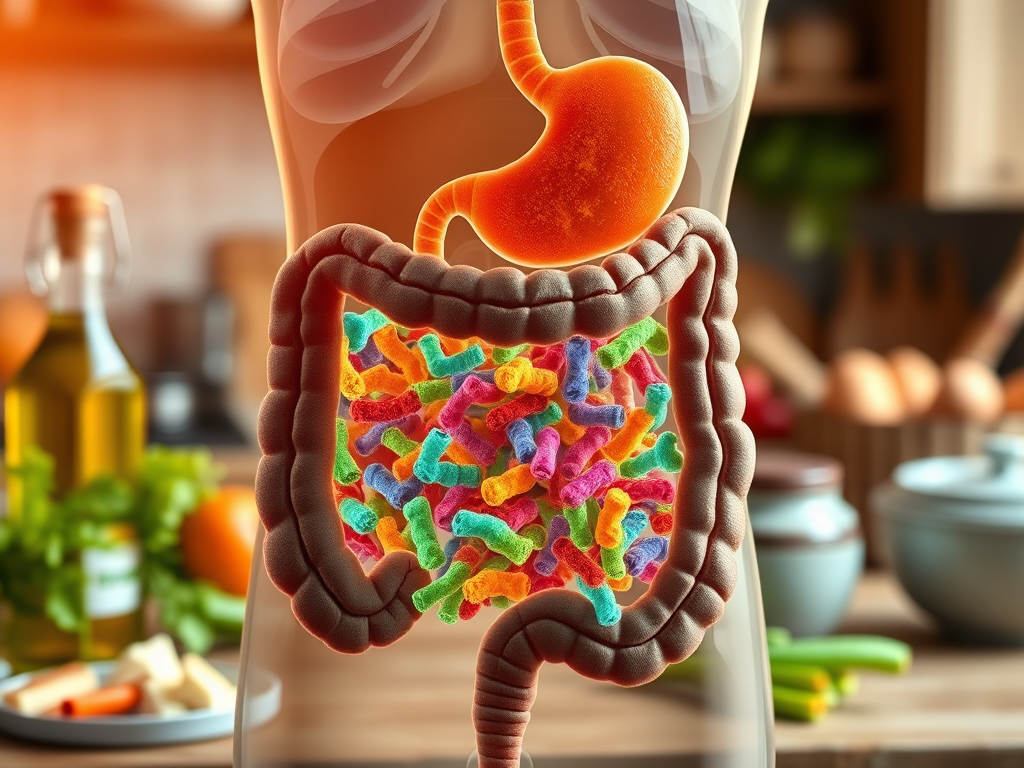


Did you know that 34.9% of U.S. adults struggle with obesity? What you eat doesn’t just affect your waistline—it reshapes your gut microbiota in as little as 3.5 days. Research shows that modern eating habits, particularly those rich in unhealthy fats, can disrupt the delicate balance of bacteria in your digestive system.
Your microbiome plays a crucial role in digestion, immunity, and even mood. When high-fat meals dominate your diet, beneficial bacteria like Bacteroidetes decline, while obesity-linked Firmicutes thrive. This imbalance may contribute to weight gain and chronic conditions like diabetes.
The good news? Your gut adapts quickly. Small dietary changes can make a big difference in restoring balance and boosting overall wellness.
Key Takeaways
- Over a third of U.S. adults face obesity, often linked to poor dietary choices.
- Unhealthy fats alter gut bacteria in less than four days.
- Bacteroidetes (good bacteria) decrease, while Firmicutes (linked to obesity) increase.
- Your microbiome affects digestion, immunity, and long-term health risks.
- Simple diet adjustments can help restore gut balance.
Introduction to Gut Health and High-Fat Diets
Scientists now recognize the gut as a second brain with 100 trillion microorganisms. This *microbiota* influences digestion, immunity, and even mental clarity. Keeping it balanced is key to preventing chronic conditions.
What Is Gut Health and Why Does It Matter?
Your gut microbiome includes over 1,000 bacterial species. The ratio of Firmicutes to Bacteroidetes acts as a health indicator—higher Firmicutes link to obesity. Age and *dietary fat* intake shift this balance.
Understanding High-Fat Diets: Types and Common Sources
Not all fats behave the same way in your body. Here’s a quick breakdown:
- Saturated fats: Found in coconut oil and butter—may reduce microbial diversity.
- Polyunsaturated fats: Soybean and fish oils support beneficial *bacteria*.
- Monounsaturated fats: Olive oil (common in Mediterranean diets) promotes *gut health*.
Western diets often exceed 40% calories from fat, while experts recommend 20–35%. Swapping processed fats for whole-food sources can protect your *microbiota*.
How Your Gut Microbiome Responds to Dietary Fats

Your gut bacteria react swiftly to what’s on your plate, especially fats. Studies show that the *composition* of your *gut microbiota* can shift within days based on fat intake. These *changes* influence everything from digestion to weight management.
The Role of Bacteroidetes and Firmicutes in Obesity
Two bacterial groups dominate the conversation: Bacteroidetes and Firmicutes. A higher Firmicutes ratio links directly to *obesity*. Huang’s 2023 study proved this by transferring microbiota from obese-prone rats to lean ones, triggering weight gain.
Akkermansia muciniphila, a beneficial strain, drops with high-fat meals. This *bacteria* strengthens the gut barrier and fights metabolic disorders. Its decline may explain why some people store fat more efficiently.
Microbial Diversity: Why It’s Crucial for Digestion
A diverse microbiome produces short-chain fatty acids (SCFAs), which fuel colon cells and reduce inflammation. Reduced diversity—common with saturated fats—weakens gut barrier function.
| Factor | Lean Microbiome | Obese Microbiome |
|---|---|---|
| Bacteroidetes:Firmicutes | Higher ratio | Lower ratio |
| Akkermansia levels | Abundant | Depleted |
| SCFA production | Optimal | Reduced |
| Energy harvest | Moderate | High efficiency |
Fats also suppress Fiaf, a protein that blocks fat storage. When *bacteria* imbalance occurs, your body stores more calories instead of burning them.
The Effects of a High-Fat Diet on Our Gut Health

Within days, what you eat reshapes your internal ecosystem. Research reveals that high-fat meals alter bacterial composition in as little as 96 hours. These changes aren’t subtle—they directly impact digestion and immunity.
Immediate Shifts in Bacterial Balance
Saturated fats (like butter) reduce microbial diversity faster than unsaturated fats. A 2023 study found that milk fat increased inflammation-linked bacteria, while safflower oil boosted anti-inflammatory strains. Key changes include:
- LPS-bearing bacteria rise, triggering immune responses.
- Akkermansia muciniphila drops by 40% within a week.
- Beneficial Bifidobacteria decline with processed fats.
Long-Term Consequences for Gut Health
After 8 weeks, low microbial diversity becomes entrenched. Some strains, like Faecalibacterium prausnitzii, may never fully recover. This dysbiosis links to:
| Timeframe | Effect |
|---|---|
| 4–7 days | Firmicutes dominance begins |
| 2–8 weeks | SCFA production drops 30% |
| 6+ months | Metabolic endotoxemia risk rises |
Polyunsaturated fats (e.g., salmon, walnuts) help mitigate these effects. But once microbiota disruption sets in, restoring balance requires consistent diet adjustments.
High-Fat Diets and Intestinal Permeability

Your intestinal lining acts like a security system, and dietary fats hold the override codes. When fatty acids dominate meals, they weaken the barrier that keeps toxins and bacteria confined. This intestinal permeability—often called “leaky gut”—triggers chain reactions linked to chronic diseases.
How Fatty Acids Affect the Gut Barrier
Saturated fats disrupt tight junctions, the protein seals between intestinal cells. Studies show they elevate *zonulin*, a compound that pry these junctions open. Once gaps form, bacterial fragments like LPS leak into the bloodstream, sparking inflammation.
Burcelin’s research proved that antibiotics could reverse metabolic damage in mice, but fixing the barrier works better. Polyunsaturated fats (e.g., omega-3s) strengthen cell membranes, while processed fats accelerate damage.
Leaky Gut Syndrome and Inflammation
When *Enterobacteriales* overgrow, they produce DCA, a bile acid that damages DNA. This process links intestinal permeability to colon cancer. Your immune system detects invaders via TLR4 receptors, launching attacks that strain organs.
| Fat Type | Effect on Permeability |
|---|---|
| Saturated (butter, lard) | Increases zonulin by 200% |
| Omega-3s (fish, flaxseed) | Reduces LPS leakage |
Chronic inflammation starts here. Repairing your gut’s defenses begins with swapping fats—not eliminating them.
The Link Between High-Fat Diets and Obesity

Weight management isn’t just about calories—it’s about how your gut microbes interact with fats. Research shows that obese microbiomes extract 150+ extra kcal daily from the same food compared to lean ones. This energy harvest difference stems from bacterial efficiency shifts.
Energy Harvest: How Your Microbiome Stores Fat
Your microbiome influences fat storage through two key mechanisms:
- SCFA receptors (GPR43): These detect short-chain fatty acids, signaling cells to store lipids instead of burning them.
- AMPK suppression: High-fat meals deactivate this enzyme, slowing fat oxidation by up to 40%.
Germ-free mice studies prove this. When given microbiota from obese humans, they gained weight despite identical diets. Their metabolism shifted to prioritize fat storage.
Gut Bacteria’s Role in Weight Gain
Human trials reveal specific bacterial patterns in obesity:
| Bacterial Strain | Lean Individuals | Obese Individuals |
|---|---|---|
| Eubacterium rectale | Moderate | Overabundant |
| Bacteroidetes | Higher ratio | Depleted |
The Fiaf protein—blocked by high-fat diets—normally prevents excessive fat absorption. Without it, your body stores more energy from each meal. Rebalancing your microbiome can help reset this process.
High-Fat Diets and Metabolic Disorders

Insulin resistance often starts in an unexpected place: your digestive system. When unhealthy fats dominate meals, they alter gut *bacteria* and trigger *changes* that ripple through your *metabolism*. This disruption fuels conditions like type 2 diabetes and fatty liver *disease*.
Insulin Resistance and Gut Dysbiosis
Your gut-liver axis regulates glucose. Harmful *bacteria* like *Enterobacteriaceae* overgrow with high-fat meals, releasing toxins that block *insulin* signals. Key mechanisms include:
- GLP-1 suppression: Beneficial microbes like *Lactobacillus* produce this hormone, critical for *insulin* sensitivity.
- NOD2 gene mutations: These impair peptidoglycan sensing (Denou’s study), worsening *insulin* resistance.
Type 2 Diabetes: The Microbiome Connection
Bile acid *metabolism* falters when Firmicutes outnumber Bacteroidetes. This imbalance:
| Factor | Impact |
|---|---|
| SCFA reduction | Lowers GLP-1 by 40% |
| LPS leakage | Triggers chronic inflammation |
16S rDNA levels now predict diabetes onset. Repairing gut diversity may reverse early *disease* markers.
Gut Inflammation: A Consequence of High-Fat Eating

The wrong fats can turn your immune system against you. When saturated fats dominate meals, they trigger inflammation pathways that damage tissues over time. This silent reaction starts in your digestive tract but spreads systemically.
How Saturated Fats Trigger Immune Responses
NF-κB, a protein complex, is activated when fatty acids irritate intestinal cells. This sparks a chain reaction:
- IL-6 and TNF-α surge, worsening inflammation.
- Omega-6 fats (e.g., corn oil) amplify this, while omega-3s (salmon) calm it.
- Inflammasomes detect damage and release more inflammatory signals.
Chronic Low-Grade Inflammation and Disease Risk
TLR2/4 receptors mistake fat fragments for pathogens. Over time, this confusion contributes to atherosclerosis and cancer. CRP levels triple in high-fat diets, signaling prolonged system stress.
| Fat Type | Effect on Inflammation |
|---|---|
| Saturated (butter) | Activates NF-κB, ↑ IL-6 by 300% |
| Omega-3 (walnuts) | Blocks inflammasomes, ↓ TNF-α |
Metaflammation—metabolic inflammation—fuels insulin resistance and tumor growth. Balancing fats helps protect your cells from this slow burn.
High-Fat Diets and Digestive Diseases
Your digestive system is more vulnerable than you might think, especially when fats dominate your meals. Research links unbalanced microbiota to conditions like IBD and IBS. The wrong fats can weaken your intestinal defenses, turning minor imbalances into chronic diseases.
Inflammatory Bowel Disease (IBD) and Dietary Fats
IBD patients have 40% more bacteria clinging to their intestinal lining, per Fyderek’s study. Saturated fats worsen this by reducing Faecalibacterium prausniphila, a strain that fights inflammation. Key findings:
- Mucosal adhesion: Processed fats let harmful bacteria colonize the intestinal walls.
- Anti-inflammatory gaps: Low Faecalibacterium levels correlate with flare-ups.
Irritable Bowel Syndrome (IBS) and Fat Intake
IBS often follows gut infections, where dysbiosis lingers. High-fat meals exacerbate symptoms by altering bacterial activity:
| IBS Type | Fat Impact |
|---|---|
| Diarrhea-predominant | Fats speed transit, worsening urgency |
| Constipation-predominant | Saturated fats reduce motility |
FODMAPs interact with fats—combining them may trigger severe bloating. Balancing fats with fiber helps stabilize intestinal function.
The Gut-Liver Axis: Fatty Liver Disease

Your liver and digestive system share a hidden connection that shapes overall wellness. When microbiota imbalances occur, toxins and fats travel directly to your liver via the portal vein. This pathway fuels conditions like non-alcoholic fatty liver disease (NAFLD).
How Gut Bacteria Influence Liver Health
Harmful bacteria produce deoxycholic acid (DCA), a compound linked to liver cancer. Yoshimoto’s 2023 study showed DCA damages DNA in mice, triggering tumors. The process starts when:
- Endotoxins leak through intestinal walls into the bloodstream.
- FXR receptors (critical for bile acid metabolism) malfunction.
- Liver cells store excess fat instead of processing it.
Non-Alcoholic Fatty Liver Disease (NAFLD) and Diet
70% of NAFLD patients have small intestinal bacterial overgrowth (SIBO). This disrupts metabolism and worsens inflammation. Probiotics like Lactobacillus may help:
| Intervention | Impact |
|---|---|
| Probiotic strains | Reduce liver enzymes by 22% |
| Omega-3 supplements | Lower liver fat content |
Rebalancing your microbiota through diet can protect both gut and liver function.
High-Fat Diets and Colon Cancer Risk

Emerging research reveals a startling link between dietary fats and colon cancer development. Certain fats alter bacterial species in your gut, creating an environment where tumors thrive. These changes aren’t just theoretical—they’ve been proven in labs and human studies.
The Role of Bacterial Metabolites in Tumor Growth
Harmful bacteria produce metabolites that activate the beta-catenin/Wnt pathway. This process accelerates cell division, a hallmark of cancer. Schulz’s 2023 study showed fecal transfers from high-fat-fed mice triggered tumors in healthy subjects.
Butyrate, a short-chain fatty acid, has dual roles:
- Protective: In normal cells, it fuels healthy colon function.
- Pathogenic: In APC-mutated cells, it may spur tumor growth.
Dietary Fats and DNA Damage
Fusobacterium nucleatum, found in 90% of polyps, produces toxins that break DNA strands. High-fat diets boost this bacteria’s growth. APC gene mutations—common in colorectal cancer—worsen the damage.
| Factor | Impact |
|---|---|
| Omega-6 fats | ↑ Fusobacterium by 70% |
| Aspirin use | ↓ Tumor size via microbiome shifts |
Simple swaps, like choosing olive oil over corn oil, may reduce risks. Your diet shapes more than your waistline—it directly impacts cancer development.
Heart Health: Gut Microbes and Cardiovascular Disease
Cardiovascular disease risks are shaped by microscopic allies in your digestive system. Research shows gut bacteria influence cholesterol levels and artery health through compounds like TMAO. This link reveals how your *metabolism* and heart health intertwine.
How Gut Bacteria Affect Cholesterol Levels
Certain microbes convert choline (found in eggs and meat) into trimethylamine (TMA). Liver enzymes then oxidize TMA into TMAO, a compound that triples with high-fat diets. Elevated TMAO levels correlate with plaque buildup in arteries.
Flavin-containing monooxygenase 3 (*FMO3*) drives this process. Ghosh’s study proved antibiotics could reduce TMAO, but probiotics offer a safer fix. Strains with bile salt hydrolase *activity* break down bile acids, lowering LDL cholesterol.
The TMAO Pathway and Atherosclerosis
In LDLR mice, TMAO suppression reversed atherosclerosis. Human trials mirror these findings:
| Intervention | Effect on TMAO |
|---|---|
| Probiotics (e.g., *Lactobacillus*) | ↓ TMAO by 40% |
| L-carnitine supplements | ↑ TMAO (risk factor) |
Balancing gut bacteria may protect your heart more effectively than cutting fats alone. Small dietary tweaks can steer your *microbiota* toward better cardiovascular outcomes.
Brain-Gut Connection: Mental Health Implications
Your *brain* and gut share a hidden conversation that shapes mental wellness. This bidirectional *system*, called the gut-brain axis, uses hormones, nerves, and *bacteria* to influence mood and cognition. When dietary fats disrupt this balance, the *effect* can ripple through your mental health.
How High-Fat Meals Affect Mood and Cognition
The vagus nerve acts like a telephone line between your gut and *brain*. High-fat diets alter signals here, reducing dopamine and serotonin—95% of which is made in your intestines. *Hsiao’s research* on autism found *Bacteroides fragilis* improved behavior in mice by fixing gut leaks.
Depression often correlates with high CRP levels, a marker of inflammation. Omega-3s in fish oil counter this by calming neuroinflammation. Key findings:
- Serotonin drops: Saturated fats lower tryptophan, a precursor to serotonin.
- Microbiome diversity: Lean gut *microbiomes* produce more BDNF, a protein vital for learning.
Gut Bacteria’s Role in Neuroinflammation
Harmful *bacteria* release LPS toxins that trigger brain inflammation. Parkinson’s patients show distinct gut profiles, with fewer anti-inflammatory strains. A 2023 study linked *Faecalibacterium* depletion to faster cognitive decline.
| Bacterial Strain | Mental Health Impact |
|---|---|
| Bifidobacterium | Reduces anxiety via GABA production |
| Clostridium | Linked to brain fog and fatigue |
Rebalancing your *microbiome* with probiotics and omega-3s may protect your *brain* from dietary stressors. Small changes today can sharpen your mind tomorrow.
Comparing Different Types of Dietary Fats
Not all fats behave the same way in your digestive system—some protect while others harm. The *differences* between saturated, monounsaturated, and polyunsaturated *fatty acids* shape your gut’s bacterial balance. Research shows these *dietary fats* trigger unique microbial responses, influencing everything from inflammation to metabolism.
Saturated vs. Unsaturated Fats: Gut Microbe Responses
Saturated fats (like coconut oil) reduce microbial diversity by suppressing *Akkermansia muciniphila*. A 2023 study found they alter 198 genes linked to CYP450 enzymes, which metabolize toxins. In contrast, unsaturated fats—especially PUFAs in soybean oil—boost anti-inflammatory strains.
Key *differences* in barrier function:
- MUFAs (olive oil): Strengthen tight junctions, reducing leaky gut risk.
- PUFAs (fish oil): Lower LPS toxins by 30%, per PL+CO diet trials.
The Impact of Omega-3s on Gut Health
Omega-3 *fatty acids* (DHA/EPA) increase *Akkermansia* by 40%, enhancing mucus production. They also block NF-κB, a protein that triggers inflammation. Mediterranean diets, rich in omega-3s, show better metabolic outcomes than ketogenic plans.
| Fat Type | Microbial *Impact* |
|---|---|
| Saturated (butter) | ↓ Bacteroidetes, ↑ Firmicutes |
| Omega-3s (salmon) | ↑ SCFAs, ↓ TNF-α |
Simple swaps—like choosing avocado over cheese—can steer your *microbiome* toward balance. Your gut’s response to *dietary fat* is powerful, but reversible.
Can Probiotics Counteract High-Fat Diet Effects?
Probiotics might be the missing puzzle piece in restoring gut balance disrupted by fatty meals. These live bacteria can reverse dysbiosis—a microbial imbalance linked to weight gain and inflammation. Clinical trials show specific strains outperform others in repairing gut barriers and reducing toxins.
Evidence for Probiotic Use in Gut Health
Bifidobacterium animalis cuts harmful LPS toxins by 35%, easing inflammation. In Stenman’s study, Lactobacillus strains lowered cholesterol by 12% by boosting bile salt activity. Multi-strain blends (like VSL#3) outperform single strains, especially for IBD management.
Spore-forming Bacillus survives stomach acid, making it ideal for colonizing the gut. Postbiotics—metabolites from probiotics—are emerging as a next-gen solution. They mimic the effect of live bacteria without storage challenges.
Best Probiotic Strains for Fat-Induced Dysbiosis
- Lactobacillus rhamnosus B420: Reduces waist circumference by targeting fat storage genes.
- Akkermansia muciniphila: Restores mucus layers, blocking endotoxin leaks.
- Saccharomyces boulardii: A yeast probiotic that combats antibiotic-resistant pathogens.
Pairing probiotics with prebiotic fibers (e.g., inulin) amplifies their activity. This combo fuels SCFA production, strengthening your microbiota against future imbalances.
Dietary Strategies to Protect Your Gut
Strategic food choices can rebuild microbial balance faster than you might expect. Research shows that targeted nutrients function like gut fertilizers, nurturing beneficial strains while crowding out harmful ones. Simple swaps in your daily diet yield measurable improvements within weeks.
Foods That Promote a Healthy Microbiome
Prebiotic-rich foods boost short-chain fatty acid (SCFA) production by 50%, strengthening your intestinal barrier. Cranberry extract triples Akkermansia muciniphila levels—a strain critical for mucus layer repair. Prioritize these gut allies:
- Fiber powerhouses: Aim for 30g daily from artichokes, oats, and flaxseeds.
- Polyphenol-packed picks: Berries, cocoa, and green tea reduce inflammation.
- Fermented staples: Kefir and kimchi deliver live cultures that colonize quickly.
How to Balance Fat Intake for Optimal Gut Health
Not all fats disrupt microbial harmony. Maintain a 4:1 omega-6 to omega-3 ratio by choosing wild salmon over corn oil. Cooking methods matter—steaming preserves polyphenols better than frying. Time-restricted eating (12-hour windows) helps regulate fat intake and improves microbial function.
| Strategy | Benefit |
|---|---|
| Omega-3 supplementation | ↑ Bacteroidetes by 22% |
| Evening fasting | ↓ LPS toxin absorption |
Your gut’s health reflects cumulative choices. Small, consistent tweaks to your diet create lasting microbial resilience.
Conclusion: Key Takeaways for a Gut-Friendly Diet
Small tweaks in your meals can reshape your digestive wellness. Prioritize unsaturated fats like olive oil and omega-3s to support your gut balance. Pair them with probiotics—think yogurt or kefir—to amplify microbial changes.
Research shows 12 weeks of mindful eating restores 60% of microbiota diversity. Track biomarkers like CRP and zonulin to gauge progress. The Mediterranean diet pattern works best, blending fiber and healthy fats.
- Swap smartly: Avocados over butter, salmon instead of bacon.
- Consistency wins: Minor, steady diet shifts beat short-term extremes.
- Listen to your body: Bloating or fatigue signals gut distress.
Your health journey starts with one plate. Build habits, not restrictions.



 trim down and shape up
Leave a comment