



In a world where convenience often dictates our daily choices, bottled water has become a symbol of health, purity, and modern living. Sleek packaging and clever marketing have made it seem like the cleaner, safer alternative to tap water — a simple solution to staying hydrated on the go. But beneath the surface of that clear plastic bottle lies a reality that most consumers don’t consider.
What if the water you trust for your health carries hidden risks to your body, your wallet, and the environment?
For years, the bottled water industry has cultivated an image of safety and superiority. Images of untouched mountain springs and promises of “pure” hydration suggest that bottled water is somehow better, cleaner, and healthier than the water from your faucet. But science — and common sense — tell a different story.
The Illusion of Safety
Many people assume bottled water undergoes more stringent testing and higher quality controls than tap water. In truth, municipal tap water is often held to more rigorous standards than bottled water. In fact, a significant portion of bottled water is simply filtered tap water repackaged at a premium price. While it may taste different due to added minerals or filtration processes, the claim that bottled water is inherently safer is, in many cases, just marketing.
The Unseen Risks of Bottled Water
1. Chemical Leaching from Plastics
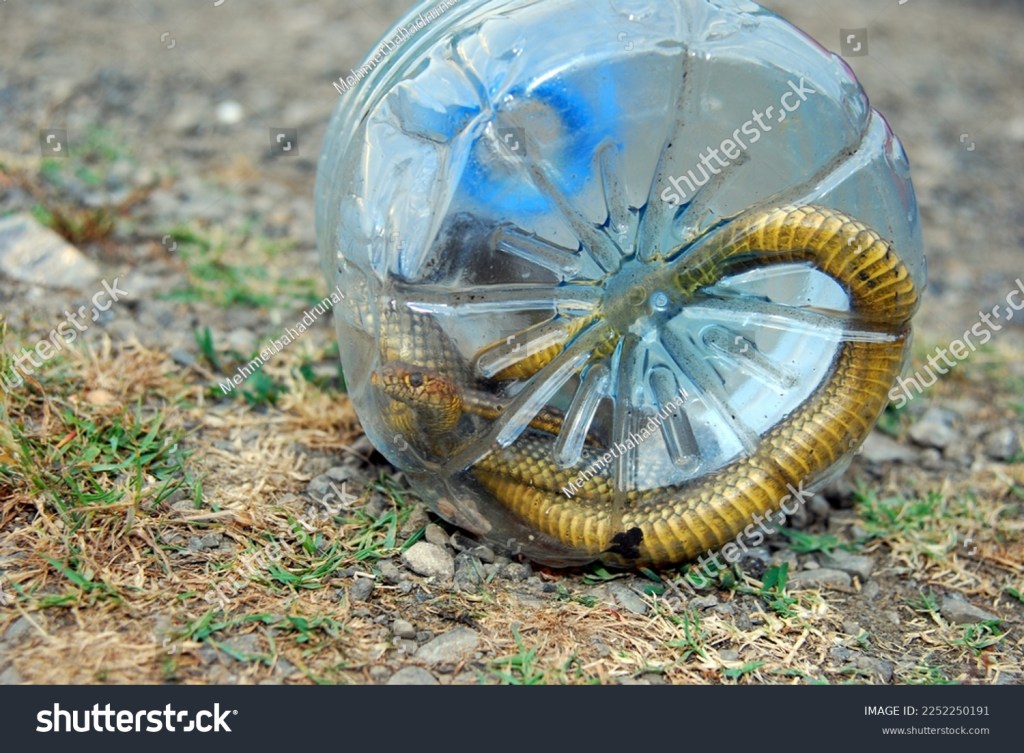
One of the most concerning risks of bottled water is chemical leaching. Chemicals like Bisphenol A (BPA) and other plasticizers can leach into the water from the bottle itself, especially when exposed to heat or prolonged storage. These chemicals have been linked to hormonal disruptions, reproductive health issues, and increased risks of certain cancers.
2. Microplastic Contamination
Studies have found microplastics in many bottled water brands. These tiny plastic particles are not only polluting the environment but may also pose unknown long-term risks to human health.
3. Environmental Impact
Beyond health concerns, bottled water contributes significantly to the global plastic pollution crisis. Millions of bottles end up in landfills and oceans every day, taking centuries to decompose and leaving behind toxic microplastics that harm wildlife and ecosystems.
4. Carbon Emissions
The production and transportation of bottled water consume vast amounts of fossil fuels, resulting in high carbon emissions. From oil extraction for plastic manufacturing to shipping heavy pallets of water worldwide, the environmental footprint of bottled water is anything but clean.
A Smarter, Healthier Choice
The good news is that you can easily protect yourself and the planet by making more informed choices:
- Opt for filtered tap water with a high-quality home filtration system.
- Use reusable bottles made from stainless steel, glass, or BPA-free materials.
- Support policies and brands that prioritize sustainability and transparency.
Final Thoughts: Look Beyond the Label
Bottled water’s image of purity and safety is often just that — an image. The truth is far murkier. From chemical exposure and microplastics to environmental damage and wasted resources, the cost of convenience is higher than most people realize.
Before reaching for another plastic bottle, ask yourself:
Is it truly the healthiest, safest, or most responsible choice?
For your health, your wallet, and the planet, the answer might surprise you.
Make the Change Today
Ditch the disposable bottle. Choose a healthier, more sustainable way to hydrate — for yourself and future generations.
The Hidden Dangers of BPA in Bottled Water: What You Need to Know
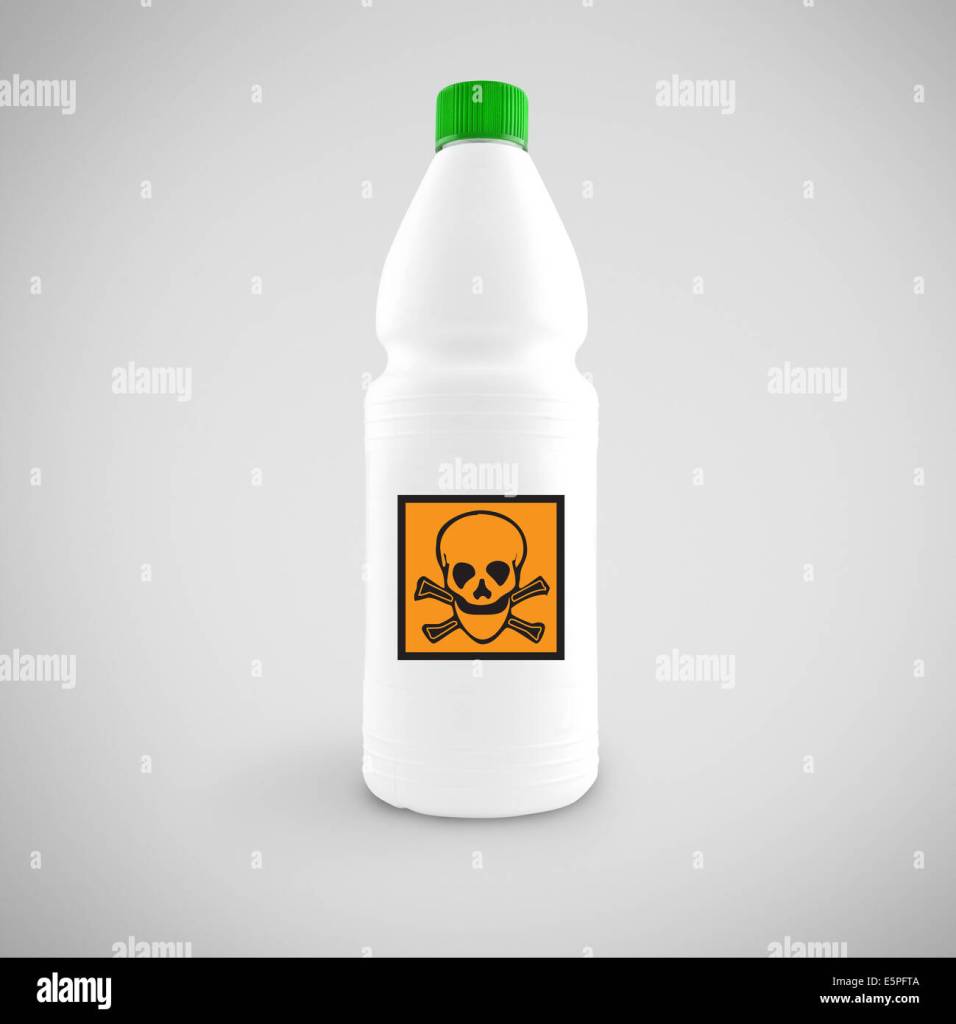
In today’s fast-paced world, bottled water seems like the ultimate symbol of health and convenience — clean, portable, and readily available wherever you go. But while that plastic bottle might appear harmless, there’s a hidden risk you can’t see: Bisphenol A (BPA). This industrial chemical is known to leach from plastic bottles into the water you drink, potentially harming your health in ways that most people never consider.
What Is BPA and Why Should You Be Concerned?
Bisphenol A (BPA) is a chemical compound used in the production of certain plastics and resins, including some bottles, food containers, and even the linings of canned goods. While many manufacturers now advertise their products as “BPA-free,” millions of plastic bottles still contain this harmful chemical — especially lower-cost or imported brands.
When plastic bottles are exposed to heat, sunlight, or extended storage periods, BPA can leach into the water inside. Once ingested, BPA doesn’t just pass through your system unnoticed. It interacts with your body in ways that scientists and health experts are increasingly warning against.
4 Health Risks of BPA in Bottled Water
1. Hormone Disruption
BPA is a known endocrine disruptor, meaning it interferes with your body’s natural hormonal functions. Specifically, BPA mimics estrogen, the hormone responsible for regulating key functions in both men and women. This can lead to hormonal imbalances, affecting fertility, metabolism, and increasing the risk of hormone-related cancers like breast and prostate cancer.
2. Increased Risk of Chronic Disease
Consistent exposure to BPA has been linked to higher risks of heart disease, diabetes, and obesity. Even at low levels, BPA may contribute to these health issues over time — and bottled water is one of the most common, yet overlooked, sources of exposure.
3. Developmental Risks for Infants and Children
For pregnant women, infants, and young children, BPA poses an even greater danger. Exposure during critical growth phases can lead to behavioral problems, developmental delays, and weakened immune systems. The risks are amplified because younger bodies are more vulnerable to environmental toxins.
4. Possible Neurological Effects
Emerging studies suggest that BPA may interfere with brain development, memory, and behavior. While much of this research is ongoing, there is enough concern for health authorities to advise minimizing BPA exposure whenever possible.
How to Protect Yourself from BPA in Bottled Water
✔ Choose BPA-Free Options
Look for bottles labeled “BPA-free.” While this isn’t a guarantee of safety from all chemicals, it’s a smart first step.
✔ Avoid Heat Exposure
Never leave bottled water in a hot car, direct sunlight, or warm environments. Heat speeds up the leaching process of BPA into the water.
✔ Switch to Safer Bottles
Invest in reusable water bottles made from glass, stainless steel, or BPA-free plastic for daily hydration. They’re better for your health and the planet.
✔ Drink Filtered Tap Water
Whenever possible, opt for filtered tap water. A quality home filtration system reduces your reliance on bottled water altogether and minimizes chemical exposure.
Final Thoughts: Your Health Is Worth More Than Convenience
While bottled water is marketed as the safe, clean choice, the presence of BPA reveals a hidden threat. From hormone disruption to chronic disease risks, the dangers of long-term BPA exposure are real — and avoidable. By making informed decisions about how you hydrate, you can protect your health and help reduce the environmental impact of plastic waste.
Ready to Break Free from Plastic?
Consider switching to safer, eco-friendly hydration solutions today. Your body — and the planet — will thank you.
How Plastic Water Bottles Are Fueling the Global Plastic Pollution Crisis
Plastic water bottles are everywhere — in offices, gyms, schools, and even in the hands of people who believe they’re making a healthier choice by drinking “pure” bottled water. However, behind the glossy labels and promises of convenience lies an environmental disaster in the making. Plastic water bottles are one of the biggest contributors to the planet’s growing plastic pollution problem.
The Scope of the Problem: Billions of Bottles, Billions of Problems
It’s estimated that over 500 billion plastic bottles are sold worldwide each year — and that number keeps climbing. Shockingly, less than 30% of these bottles are properly recycled. The rest often end up in landfills, rivers, oceans, and natural environments where they can take up to 450 years to decompose.
Every minute, one million plastic bottles are purchased globally. Many are used once and discarded within hours. While this convenience might seem harmless in the moment, the long-term environmental cost is staggering.
How Plastic Water Bottles Contribute to Pollution
1. Overflowing Landfills
Millions of plastic bottles end up in landfills every day. These bottles do not biodegrade; they slowly break down into smaller pieces called microplastics, which seep into the soil and can contaminate water sources and food chains.
2. Ocean Pollution
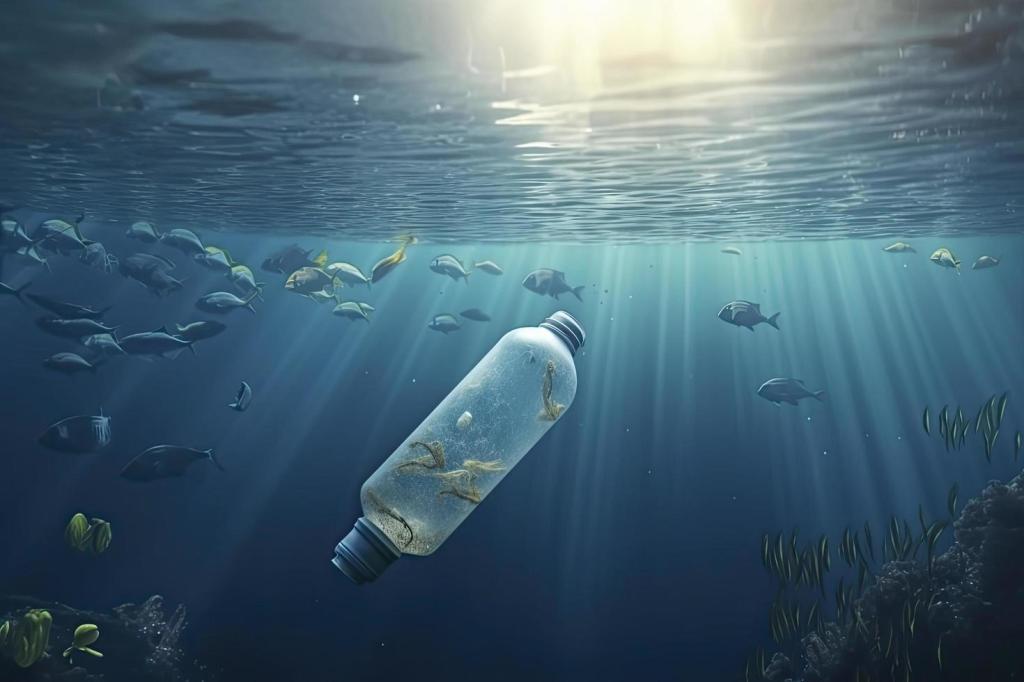
A large proportion of plastic bottles never make it to landfills at all — they end up in the ocean. It’s estimated that 11 million metric tons of plastic enter the ocean each year, and plastic bottles are a significant part of this waste. Marine life often mistakes plastic for food, leading to starvation, injury, and death.
3. Microplastic Contamination
As bottles degrade, they fragment into microplastics — tiny particles less than 5mm in size. These particles are now found everywhere: in the ocean, in the air we breathe, and even in the bottled water we drink. Microplastics have been detected in human organs, raising serious health concerns.
4. Carbon Footprint of Production
Producing plastic bottles requires massive amounts of fossil fuels and energy. From the extraction of oil to manufacturing, transporting, and refrigerating bottles, the carbon footprint is significant. The bottled water industry contributes millions of tons of CO₂ emissions annually, further accelerating climate change.
Why Recycling Isn’t the Solution We Think It Is
While recycling is part of the solution, it’s far from perfect. Most plastic bottles are made from PET (polyethylene terephthalate), which is technically recyclable, but only a fraction actually gets recycled into new bottles. Much of it is downcycled into lower-quality plastic products that eventually also end up as waste.
Moreover, the demand for virgin plastic remains high because recycled plastic is more expensive and less desirable to manufacturers. This creates a continuous cycle of new plastic production and waste.
What You Can Do to Help Reduce Plastic Bottle Pollution
✔ Switch to Reusable Bottles
One of the most impactful choices you can make is to use reusable bottles made from stainless steel, glass, or BPA-free materials. This drastically cuts down on single-use plastic consumption.
✔ Support Tap Water & Filtration
Whenever possible, opt for filtered tap water. It’s often just as safe — if not safer — than bottled water. Investing in a good filtration system at home can eliminate the need for plastic bottles altogether.
✔ Advocate for Change
Support policies and companies committed to reducing plastic waste. Encourage businesses and communities to offer water refill stations and ban single-use plastics.
✔ Educate Others
Raising awareness about the hidden environmental costs of bottled water can inspire others to make more sustainable choices.
Final Thoughts: Convenience Comes at a Cost
Plastic water bottles might seem like a small convenience in your daily life, but collectively, they represent a massive, ongoing environmental crisis. From clogging landfills to polluting oceans and fueling climate change, the footprint of bottled water is far from harmless.
By choosing reusable alternatives and supporting solutions aimed at reducing plastic waste, you can be part of the movement to protect our planet — one bottle at a time.
Small Choices Create Big Change
Start today: ditch single-use plastics and choose a reusable bottle. Your health, and the health of the planet, will thank you.
The Carbon Cost of Convenience: How Single-Use Plastic Water Bottles Harm the Planet
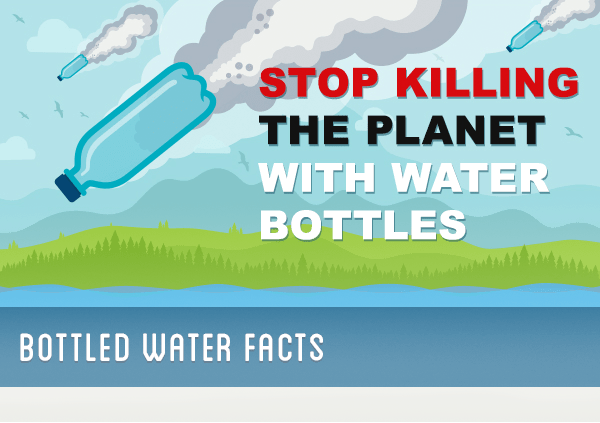
When most people reach for a bottle of water, they rarely think beyond hydration. Bottled water is marketed as clean, pure, and convenient — but beneath the surface, it carries a hidden and significant environmental burden. The production and transportation of single-use plastic water bottles contribute massively to global carbon emissions, fueling climate change in ways most consumers never realize.
In this post, we’ll explore the carbon footprint of bottled water, from its creation in factories to its journey onto store shelves — and why switching to sustainable alternatives matters now more than ever.
The Carbon Footprint of a Plastic Bottle Starts Long Before You Drink It
While bottled water might seem like a simple product, its creation is anything but. The process is resource-intensive and heavily reliant on fossil fuels at nearly every step. Here’s how carbon emissions accumulate through the lifecycle of a single-use plastic bottle:
1. Oil Extraction and Plastic Production
Most plastic water bottles are made from polyethylene terephthalate (PET), a type of plastic derived from crude oil and natural gas. The extraction and refinement of these fossil fuels are energy-intensive processes that produce significant carbon emissions long before the first bottle is molded.
Key fact:
It takes about 17 million barrels of oil each year to produce plastic bottles for the U.S. market alone. That’s enough energy to fuel over a million cars for a year.
2. Manufacturing the Bottles
Once the raw materials are extracted, they are processed into PET plastic and shaped into bottles. This manufacturing phase requires high amounts of heat and energy, further increasing the carbon footprint. Factories burn fossil fuels to power machinery, contributing additional greenhouse gases to the atmosphere.
Carbon emissions come from:
- Energy used to create the plastic
- Energy used to mold and fill the bottles
- Packaging and labeling processes
3. Water Extraction and Bottling Process
Ironically, bottled water often travels farther in plastic than it would through your tap. Extracting water, purifying it, and then bottling it also requires energy. The purification process, especially when reverse osmosis is involved, can be energy-intensive, adding yet another layer of emissions.
4. Transportation: From Factory to Shelf
Once bottled, water travels through an extensive supply chain:
- From factories to distribution centers
- From distribution centers to retail locations
- From stores to consumers
Transportation relies heavily on diesel-fueled trucks, cargo ships, and even planes. The heavier the cargo, the higher the emissions. Transporting billions of heavy water bottles annually generates millions of tons of CO₂ emissions globally.
Consider this:
A single liter of bottled water requires up to 2,000 times more energy to produce and transport than a liter of tap water.
The Bigger Picture: Bottled Water vs. Tap Water
The carbon footprint of bottled water is shockingly disproportionate compared to tap water. Studies have shown that bottled water can produce up to 600 times more CO₂ emissions per liter than tap water. This isn’t just about the plastic — it’s about the energy wasted on packaging and shipping something most people can access directly from their homes.
Comparative Impact:
| Source | CO₂ Emissions per Liter (approx.) |
| Tap Water | Negligible |
| Bottled Water | Up to 600x higher than tap water |
Why This Matters for Climate Change
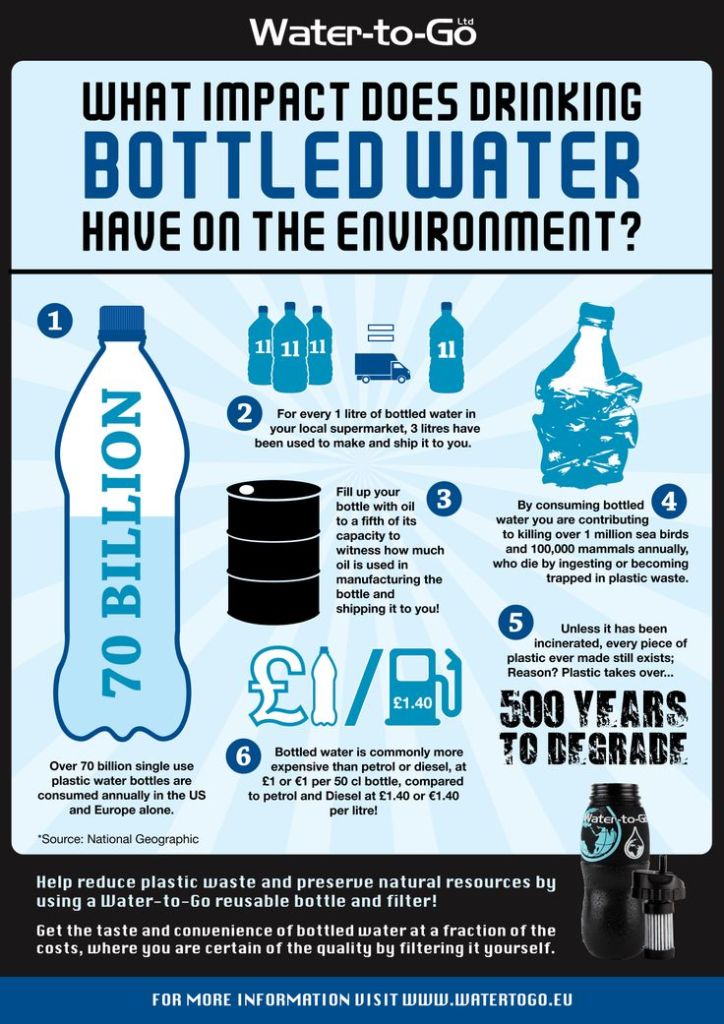
The world is already grappling with the effects of climate change — rising temperatures, severe weather, and environmental degradation. Single-use plastic water bottles contribute unnecessarily to this crisis. By choosing bottled water over tap or reusable alternatives, we are collectively supporting an industry that prioritizes convenience over environmental responsibility.
What You Can Do to Reduce Your Carbon Footprint
✔ Choose Reusable Water Bottles
Invest in high-quality reusable bottles made from stainless steel, glass, or BPA-free materials. This simple switch drastically reduces reliance on single-use plastics.
✔ Drink Tap Water Whenever Possible
In most developed countries, tap water is heavily regulated and perfectly safe to drink. A home filtration system can further improve taste and quality, eliminating the need for bottled alternatives.
✔ Support Sustainable Brands
Look for companies and products that prioritize low-waste, carbon-neutral, or refillable options. Your purchasing power drives industry change.
✔ Advocate for Change
Support policies that limit single-use plastics and encourage businesses to offer alternatives, like refill stations and eco-friendly packaging.
Final Thoughts: Your Choices Matter
Every bottle of water you don’t buy is a small victory against unnecessary carbon emissions and environmental harm. The convenience of bottled water comes at a steep cost — one paid by our planet in the form of polluted air, wasted resources, and accelerating climate change.
By choosing tap water and reusable solutions, you’re not just making a healthier choice for yourself — you’re helping build a healthier future for everyone.
Start Reducing Your Carbon Footprint Today.
Skip the single-use bottle. Fill your reusable one. The Earth will thank you.
Bottled Water: The Truth Behind the Myth of “Better” Water Quality
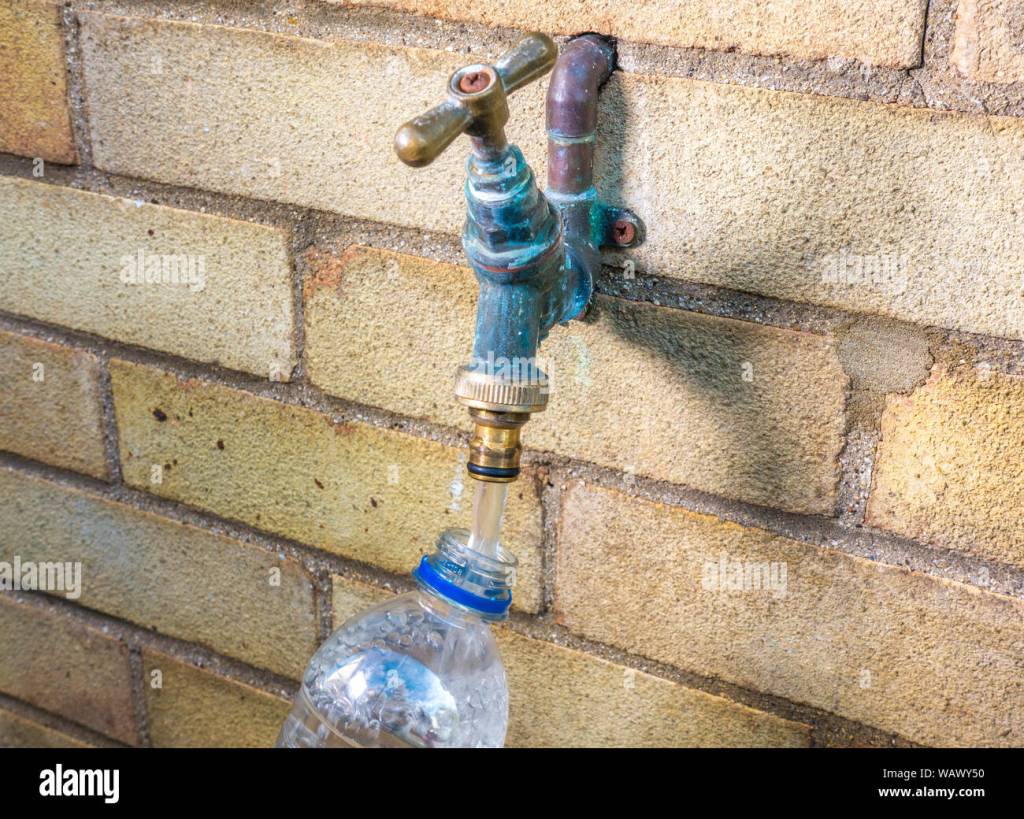
For years, bottled water has been marketed as the epitome of purity, health, and superior quality. Shiny labels boasting “natural spring,” “ultra-purified,” or “pristine glacier” water have convinced millions of consumers that bottled water is cleaner, healthier, and safer than the water flowing from their taps. But the reality is far more complicated — and far more misleading.
In this post, we’ll uncover the truth behind the bottled water industry’s carefully crafted image and explain why the assumption that bottled water is automatically better in quality simply doesn’t hold water.
The Myth: Bottled Water Is Cleaner and Safer Than Tap Water
Many people instinctively reach for bottled water believing it offers superior quality to tap water. This belief has been reinforced by clever marketing campaigns designed to make bottled water seem like a premium, health-conscious choice. Phrases like “pure,” “natural,” and “filtered” suggest a level of quality and safety that feels reassuring.
But the reality? Much of bottled water isn’t any cleaner or healthier than tap water — and in some cases, it’s literally just tap water in a bottle.
The Truth: Bottled Water Standards Are Often Less Stringent Than Tap Water
Contrary to popular belief, tap water is often subject to more rigorous safety regulations than bottled water. In the United States, for example, tap water is regulated by the Environmental Protection Agency (EPA), which enforces strict standards for over 90 contaminants. Municipal water suppliers are legally required to provide annual reports disclosing the quality and contents of your tap water.
On the other hand, bottled water is regulated by the Food and Drug Administration (FDA), which has less frequent testing requirements and less transparency. While reputable bottled water brands do maintain high standards, the regulatory gap means bottled water is not inherently safer — and sometimes faces fewer quality checks.
Common Misleading Assumptions About Bottled Water
1. Bottled Water Comes from Exotic, Pristine Sources
Reality:
Many bottled waters are sourced from municipal water supplies — the same water that comes from your tap. These products are then filtered, repackaged, and sold at a premium. Look for labels that say “purified water” or “public water source,” which typically indicate treated tap water.
2. Bottled Water Is Free of Contaminants
Reality:
Studies have found that bottled water can contain microplastics, chemicals, and even bacteria. A 2018 study by Orb Media discovered microplastic particles in 93% of tested bottled water brands. Unlike municipal water supplies, which are required to report contamination levels to the public, bottled water companies are not required to disclose this information.
3. Bottled Water Is Always Filtered Better Than Tap Water
Reality:
Most municipal tap water already undergoes multiple stages of treatment, including filtration, disinfection, and testing for contaminants. In many cases, bottled water goes through similar — not superior — filtration processes.
4. Bottled Water Tastes Better Because It’s Cleaner
Reality:
Taste differences often come down to minerals, additives, or packaging rather than purity. Some people prefer the taste of bottled water simply because of added minerals or the absence of chlorine (commonly used to disinfect tap water). However, this doesn’t equate to higher quality.
The Environmental and Health Costs of Believing the Hype
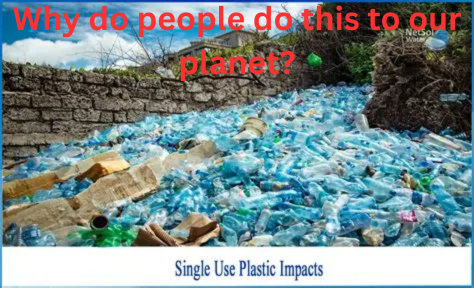
While the quality claims may be exaggerated, the environmental impact of bottled water is very real. Manufacturing and transporting bottled water generates massive carbon emissions, and the bottles themselves contribute to the growing plastic pollution crisis.
Additionally, drinking from plastic bottles raises concerns about chemicals like BPA (bisphenol A) leaching into the water, especially when bottles are exposed to heat.
Why Tap Water (With Filtration) Is Often the Better Choice
✔ Regulated and Transparent
Municipal water systems provide detailed reports about the water you drink, so you know exactly what’s in it.
✔ Environmentally Responsible
Refilling a reusable bottle with filtered tap water dramatically reduces plastic waste and carbon emissions.
✔ Cost-Effective
Bottled water is hundreds to thousands of times more expensive than tap water. A reusable bottle and home filtration system offer significant savings.
Final Thoughts: Don’t Be Fooled by the Marketing
The idea that bottled water is automatically cleaner, purer, and healthier than tap water is a misleading assumption fueled by marketing, not science. While bottled water can be a convenient option in certain situations, it’s rarely the superior choice for health, quality, or the environment.
Before buying into the bottled water myth, consider your options: a simple home filtration system and a reusable bottle not only protect your health but also help safeguard the planet.
Think Twice Before You Buy
Clean, safe water doesn’t have to come in plastic. It can come straight from your tap — with less waste, less expense, and fewer empty promises.



 trim down and shape up
Leave a comment