

Did you know 48% of Americans don’t get enough magnesium from their diets? This essential mineral quietly powers over 300 biochemical reactions in your body—from keeping your heartbeat steady to helping muscles relax. Yet most people overlook it until fatigue, cramps, or trouble sleeping hit hard.
Magnesium plays critical roles in regulating blood sugar and blood pressure, two factors that directly impact your energy and long-term health. It also partners with calcium to maintain bone strength while supporting nerve function—think of it as your body’s silent multitasker. But since your body can’t produce magnesium, you need to get it through food.
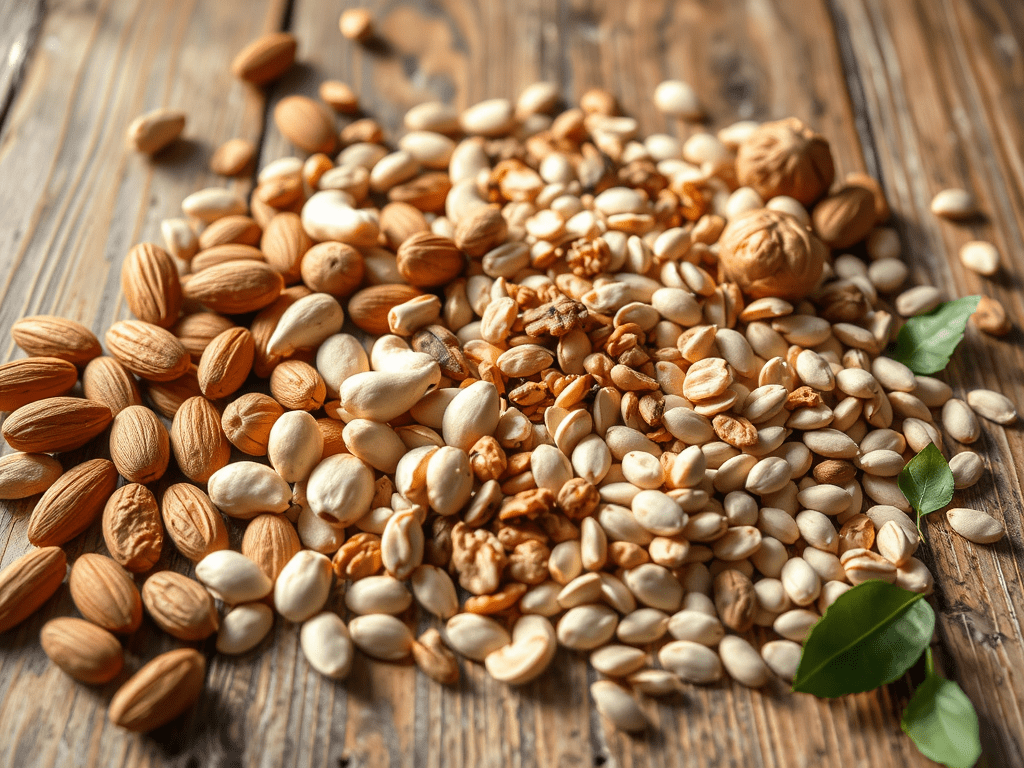
That’s where nature’s bite-sized powerhouses come in. Certain nuts and seeds pack more magnesium per ounce than most supplements, without the synthetic additives. We’ve curated a list of 11 options that fit into snacks, meals, or even desserts. You’ll discover how simple dietary swaps can help you meet daily needs while enjoying flavors you already love.
Key Takeaways
- Magnesium supports blood pressure regulation, bone density, and nerve signaling
- Dietary magnesium deficiency is common but preventable
- Nuts and seeds offer concentrated magnesium in natural, absorbable forms
- Daily intake goals vary by age and gender (310-420 mg for adults)
- Combining magnesium sources enhances overall nutrient absorption
Why Magnesium Matters for Your Body
Magnesium acts like your body’s silent power plant, fueling over 300 biochemical reactions daily. From keeping your heartbeat steady to helping muscles relax after exercise, this mineral works overtime to maintain your health. Nearly 50% of Americans don’t get enough magnesium – a gap that impacts everything from your energy levels to sleep quality.
Here’s what magnesium does for you:
- Converts food into cellular energy (ATP)
- Regulates blood sugar by enhancing insulin sensitivity
- Maintains bone health by balancing calcium absorption
- Supports nerve function through electrical impulse regulation
“Magnesium deficiency doesn’t just cause muscle cramps – it’s linked to modern epidemics like hypertension and metabolic syndrome.”
Dr. Emily Carter, Nutritional Biochemist
Your cardiovascular system relies heavily on magnesium. Studies show adequate intake helps lower blood pressure by relaxing blood vessels. For every 100mg increase in magnesium consumption, researchers observed a 5% reduction in hypertension risk.
| Age Group | Daily Magnesium Needs (Women) | Daily Magnesium Needs (Men) |
|---|---|---|
| 19-30 years | 310 mg | 400 mg |
| 31+ years | 320 mg | 420 mg |
| Pregnant Women | 350-360 mg | – |
Chronic deficiency manifests in subtle ways:
- Persistent fatigue despite adequate sleep
- Muscle twitches (especially eyelids)
- Irregular heart rhythms
- Increased migraine frequency
This is where magnesium-rich nuts and seeds shine. Just 1oz of pumpkin seeds delivers 156mg – nearly half your daily needs. Almonds and cashews provide the perfect combo of magnesium and healthy fats for better absorption.
Nuts and Seeds That Will Help Boost Your Magnesium Levels Naturally

Your body craves magnesium for everything from nerve function to bone health, and nature’s simplest solutions often come in small packages. These 11 nuts and seeds deliver concentrated doses of magnesium while packing additional nutrients that make them worth adding to your daily meals.
1. Hemp Seeds: The Complete Magnesium Package
Hemp seeds are magnesium powerhouses, offering 210mg per 2 tablespoons – nearly half your daily needs. Their soft texture and mild flavor make them ideal for blending into smoothies or sprinkling over avocado toast.
Magnesium Content: 210mg per 2 tablespoons
This serving provides 50% of the recommended daily intake for most adults, making hemp seeds one of the most efficient magnesium sources among seeds.
Bonus Nutrients: Complete plant protein + omega-3s
Unlike many seeds, hemp contains all nine essential amino acids. Pair them with leafy greens to enhance iron absorption from plant-based meals.
Easy Uses: Smoothie booster, salad topper
Try this pro tip: Mix hemp seeds into oatmeal with sliced bananas for a magnesium-rich breakfast that also supports muscle recovery.
“Hemp seeds are the Swiss Army knife of nutrition – they deliver magnesium alongside nutrients that many modern diets lack.”
| Nut/Seed | Magnesium per Ounce | Cost per Serving | Best Use |
|---|---|---|---|
| Hemp Seeds | 210mg | $0.45 | Smoothies |
| Pumpkin Seeds | 150mg | $0.30 | Trail Mix |
| Brazil Nuts | 107mg | $0.60 | Energy Bites |
While hemp seeds lead in magnesium concentration, other options like pumpkin seeds and brazil nuts offer unique advantages. The table above compares three top choices for different needs and budgets.
2. Pumpkin Seeds: The Crunchy Mineral Boost
Roasted pumpkin seeds provide 150mg of magnesium per ounce – perfect for satisfying salty cravings while supporting blood pressure regulation.
Magnesium Content: 150mg per ounce
This serving size equals about three tablespoons, roughly 30% of your daily magnesium needs.
Bonus Nutrients: Zinc + Iron
Pumpkin seeds contain immune-supporting zinc and plant-based iron, making them particularly valuable for vegetarian diets.
Easy Uses: Roasted snacks, yogurt mix-ins
For maximum crunch: Toss raw seeds with olive oil and paprika before roasting at 325°F for 15 minutes.
Maximizing Magnesium Absorption

Unlock the full potential of nuts and seeds by optimizing how your body absorbs magnesium. While these natural sources of magnesium pack a nutritional punch, pairing them with complementary nutrients can boost their effectiveness.
Pair magnesium-rich foods with vitamin D for better mineral uptake. Try adding almonds to vitamin D-fortified yogurt or sprinkling pumpkin seeds on salmon. Healthy fats like avocado or olive oil also enhance absorption—blend walnuts into pesto or mix chia seeds into guacamole.
Don’t fear phytates in nuts and seeds. While these compounds can bind minerals, simple preparation changes make a difference:
- Soak almonds overnight to reduce phytate levels by up to 50%
- Roast pumpkin seeds at 300°F for 15 minutes
- Choose sprouted sunflower seeds for easier digestion
Time your intake strategically. Your body absorbs magnesium best when spread throughout the day. Instead of one large handful of cashews, snack on smaller portions with meals. Pro tip: Combine Brazil nuts with dark leafy greens—the vitamin C helps convert magnesium into its active form.
Contrary to popular belief, phytates aren’t nutritional villains. Research shows they act as antioxidants in moderation. The key is balance—rotate your nut and seed varieties rather than eliminating any. A 2023 study found that people who ate increasing amounts of magnesium through nuts with varied preparation methods had 22% better mineral retention than those who didn’t.
Creative Ways to Eat More Seeds and Nuts Daily

Who says snacks are the only way? Discover inventive methods to weave magnesium-rich nuts and seeds into every meal while catering to keto, vegan, and other dietary needs. With a little creativity, you’ll turn ordinary dishes into nutrient-dense powerhouses without sacrificing flavor.
Try these effortless strategies to boost your magnesium intake:
Meal Prep Magic
- Mix chia or flaxseeds into overnight oats for grab-and-go breakfasts
- Create portion-controlled trail mix packs with almonds and pumpkin seeds
- Freeze walnut pesto cubes for quick pasta or grain bowl toppings
Flavor Pairing Guide
| Seed/Nut | Perfect Match | Diet-Friendly Use |
|---|---|---|
| Pecans | Maple syrup + cinnamon | Keto granola clusters |
| Sesame seeds | Lemon zest + garlic | Vegan salad crunch |
| Cashews | Nutritional yeast + paprika | Dairy-free “cheese” sauce |
For savory twists, toast hemp seeds with rosemary and mix into mashed cauliflower. Sweet tooth? Blend Brazil nuts into date-based energy balls. “The key is treating seeds as flavor enhancers, not just toppings,” suggests plant-based chef Jamie Lin.
Portion Control Made Simple
- Use tablespoon measures for high-calorie options like macadamias
- Add sliced almonds to stir-fries instead of eating them by the handful
- Blend sunflower seeds into salad dressings for even distribution
Prefer baking? Swap 25% of flour in muffins with almond meal, or press crushed pistachios into fish fillets before roasting. These small swaps let you enjoy magnesium-rich nuts and seeds without overhauling your entire diet.
When to Be Cautious

Before loading up on nuts for magnesium, understand when moderation becomes essential. While these foods offer impressive nutritional benefits, they’re not one-size-fits-all solutions. Let’s explore key considerations to keep your diet both effective and safe.
Allergies are a top concern with tree nuts like almonds or walnuts. Reactions can range from mild itching to life-threatening anaphylaxis. If you experience swelling or breathing difficulties after eating nuts, seek medical help immediately.
Oxalates in seeds like pumpkin or sesame may interfere with nutrient absorption. High oxalate levels can contribute to kidney stones in susceptible individuals. Soaking or roasting seeds reduces oxalate content – a simple step for better safety.
Brazil nuts deserve special attention. Just one ounce delivers over 700% of your daily selenium needs. While selenium supports immunity, excessive amounts cause:
- Brittle hair and nails
- Digestive discomfort
- Neurological symptoms
Stick to 2-3 Brazil nuts daily to avoid selenium toxicity. For other varieties, a handful (1 oz) per day balances magnesium intake with calorie control.
“Nutrient density doesn’t negate the need for portion awareness. Even healthy foods require mindful consumption.”
– Registered Dietitian Nutritionist
Consult your healthcare provider if you:
- Take magnesium supplements alongside nut-rich diets
- Have kidney disease or gastrointestinal disorders
- Experience persistent muscle cramps despite dietary changes
By pairing consumption caution with nutritional knowledge, you’ll maximize benefits while minimizing risks. Your magnesium goals should support – not complicate – your overall health journey.
Conclusion: Building a Magnesium-Rich Diet
Prioritizing magnesium-boosting nuts and seeds is a practical way to support energy production, muscle function, and bone health. Including options like hemp seeds, almonds, and pumpkin seeds in meals ensures you meet daily magnesium needs without relying on supplements. These foods also deliver fiber, healthy fats, and antioxidants, making them a nutrient-dense choice for long-term wellness.
Start by adding one serving of magnesium-rich seeds or nuts to your breakfast or snacks. A tablespoon of chia seeds in yogurt or a handful of cashews as an afternoon pick-me-up can make a difference. Pair these foods with vitamin D sources like eggs or fortified plant milk to enhance absorption, as discussed earlier.
Experiment with recipes to keep your diet varied. Blend Brazil nuts into smoothies, sprinkle sunflower seeds over salads, or use tahini in salad dressings. Pre-portion servings to avoid overconsumption while maintaining consistency. Track your intake using apps like Cronometer to ensure you stay within the recommended 310–420 mg daily range for adults.
Be mindful of portion sizes if managing calorie intake or allergies. Opt for unsalted varieties to reduce sodium intake, and consult a healthcare provider if you have kidney issues or take medications affected by magnesium. Small, sustainable changes create lasting habits that benefit heart health, sleep quality, and stress management.
By focusing on magnesium-boosting nuts and seeds, you build a foundation for better metabolic and neurological function. The key lies in consistency—transform these foods into daily staples rather than occasional additions. Your body will thank you for the steady supply of this essential mineral.



 trim down and shape up
Leave a comment