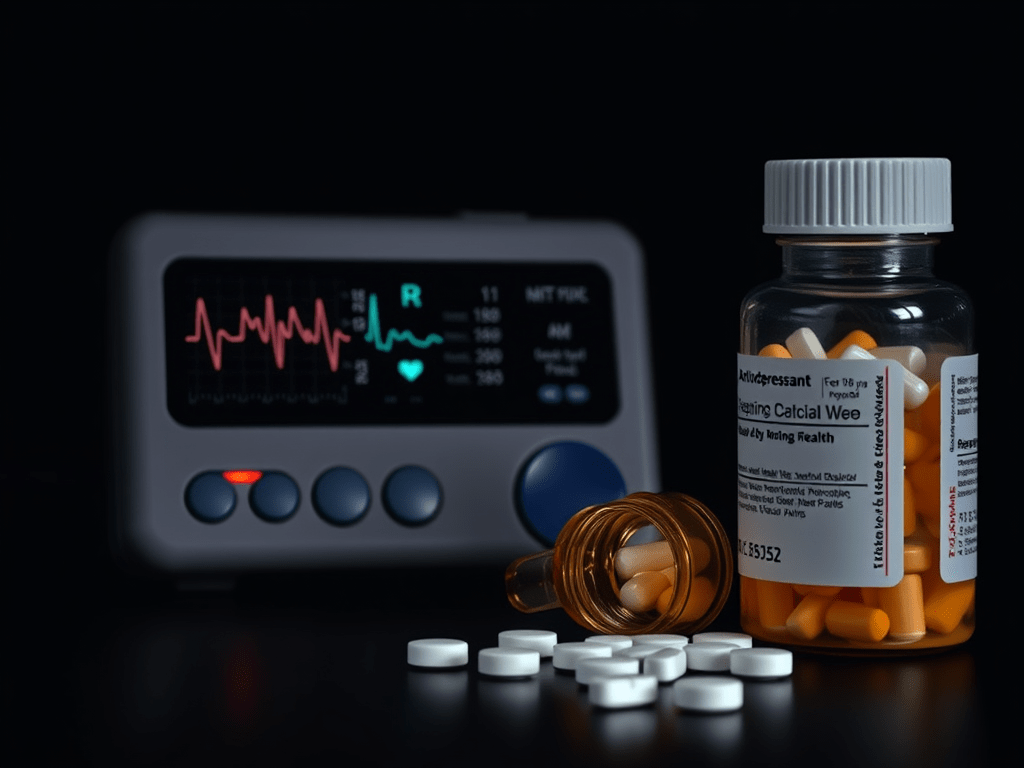


Could your prescription for happiness be quietly threatening your heart? Recent studies reveal a startling connection between medications designed to stabilize mood and life-threatening heart rhythm disruptions. While these drugs help millions manage depression, emerging data suggests they might carry hidden dangers for cardiovascular health.
Researchers have identified specific medications that may prolong the QT interval, a critical electrical phase in heartbeat regulation. This irregularity can escalate into ventricular arrhythmias, where the heart’s lower chambers beat chaotically. The consequences? A potential 1.5 to 3-fold increase in fatal cardiac events compared to non-users.
This isn’t about abandoning treatment but about informed decision-making. You deserve to know how your prescriptions interact with your unique biology. We’ll break down which drugs show the strongest links to cardiovascular side effects, warning signs to watch for, and safer alternatives worth discussing with your doctor.
Key Takeaways
- New research connects certain mood medications to irregular heart rhythms
- QT interval prolongation may lead to ventricular fibrillation in rare cases
- Risk factors include pre-existing heart conditions and drug combinations
- Regular ECG monitoring helps detect early warning signs
- Alternative therapies exist for high-risk patients
Understanding Sudden Cardiac Death
Your heart’s electrical system acts like a natural pacemaker – but when it malfunctions, the consequences can be fatal in minutes. This section explains how sudden cardiac arrest differs from other heart emergencies and reveals factors that silently increase your vulnerability to life-threatening rhythm disruptions.
What Constitutes Sudden Cardiac Arrest?
Sudden cardiac arrest (SCA) occurs when your heart’s electrical signals suddenly turn chaotic. Unlike heart attacks caused by blocked arteries, SCA stems from ventricular fibrillation – a dangerous quivering that stops blood flow. Within seconds, you lose consciousness. Without immediate CPR and defibrillation, survival rates drop 10% every minute.
“SCA isn’t a heart attack – it’s an electrical fire versus a plumbing problem. Both are critical, but require different emergency responses.”
American Heart Association
Common Risk Factors for Cardiac Events
Your cardiac health depends on both inherited traits and daily choices. While some risks can’t be changed, others respond well to proactive management:
| Non-Modifiable Risks | Modifiable Risks | Amplifiers |
|---|---|---|
| Family history of SCA | High blood pressure | Obesity |
| Genetic arrhythmia disorders | Smoking | Chronic stress |
| Prior heart attack | Sedentary lifestyle | Electrolyte imbalances |
Three key interactions increase danger:
- Existing heart damage + stimulant use
- Genetic mutations + low potassium levels
- High cholesterol + chronic inflammation
Regular checkups become crucial if you have multiple risk factors. Early detection of rhythm abnormalities through ECGs can prevent 80% of SCA cases in high-risk individuals, according to Johns Hopkins research.
Antidepressant Use Associated with Higher Risk of Sudden Cardiac Death

Recent research reveals critical connections between antidepressant medications and cardiac complications. While these drugs help millions manage depression, growing evidence suggests they may impact heart health in unexpected ways. Let’s explore what large-scale studies reveal about this complex relationship.
Key Findings From Population Studies
Large observational studies provide the clearest picture of antidepressant-related cardiac risks. These analyses track real-world outcomes across diverse patient groups.
Dutch Population Cohort Analysis (1995-2007)
A 15-year Netherlands study of 15,000+ participants found:
- Tricyclic antidepressants (TCAs) doubled sudden cardiac death risk
- Higher mortality rates persisted even after adjusting for depression severity
- Cardiac risks peaked during the initial treatment phases
FDA Adverse Event Reporting System Data
U.S. safety reports from 2004-2023 highlight patterns:
- Venlafaxine (Effexor) appears in 23% of antidepressant-related cardiac incidents
- 40% of severe cases involved drug interactions with heart medications
- 75% of fatal outcomes occurred in patients with undiagnosed heart conditions
Dose-Response Relationship Evidence
Multiple studies confirm that higher antidepressant doses correlate with increased cardiac risks:
- Patients taking ≥150mg/day of TCAs face 3x higher arrhythmia risk
- SSRI doses above maximum guidelines show 18% longer QT intervals
- Risk escalates rapidly when combining antidepressants with NSAIDs
Critical takeaway: Your prescriber should use the lowest effective dose and review medications every 3 months. Always report palpitations or dizziness immediately.
Cardiotoxic Effects of Common Antidepressants

While antidepressants help manage mental health, certain types directly influence heart function through complex biological pathways. This section examines how specific medications interact with cardiac systems, helping you make informed decisions about treatment risks.
Tricyclic Antidepressants (TCAs) and Heart Rhythm
TCAs like amitriptyline pose higher cardiac risks than newer antidepressants. Their impact stems from how they alter electrical activity in heart cells.
QT Interval Prolongation Mechanisms
TCAs block potassium channels in heart tissue, slowing electrical signal recovery between beats. This QT interval prolongation creates irregular rhythms called torsades de pointes, which can trigger sudden cardiac arrest.
Nortriptyline vs Amitriptyline Comparison
Amitriptyline causes 40% more sodium channel blockade than nortriptyline according to ECG studies. This difference explains why:
- Amitriptyline requires stricter heart monitoring
- Nortriptyline is preferred for patients with arrhythmia history
- Dose adjustments vary between these similar medications
SSRIs and Serotonin’s Cardiac Impact
While generally safer than TCAs, some SSRIs still affect cardiovascular function through serotonin receptors and ion channels.
Fluoxetine (Prozac) Cardiovascular Effects
Fluoxetine inhibits sodium channels at high doses, potentially disrupting normal heart contractions. Cases show this effect becomes significant at daily doses above 60mg, particularly in older patients.
Sertraline (Zoloft) Safety Profile
Sertraline demonstrates weaker sodium channel interaction compared to other SSRIs. Research indicates:
- 75% lower arrhythmia risk than fluoxetine
- Minimal QT interval changes at standard doses
- Better tolerance in patients with mild heart disease
Vulnerable Patient Populations

Your medical history and current health status significantly influence how antidepressants interact with your body. Three key factors demand special attention when evaluating cardiac risks of antidepressants: pre-existing heart conditions, electrolyte levels, and medication combinations.
Pre-existing Heart Conditions
If you have a history of arrhythmias or coronary artery disease, antidepressants require extra caution. Certain mental health medications can prolong the QT interval – the time your heart takes to recharge between beats. This electrical disturbance increases the likelihood of dangerous rhythms like Torsades de Pointes.
Patients with these conditions often need:
- Baseline electrocardiogram (ECG) before starting treatment
- Lower initial medication doses
- Frequent cardiac monitoring during dosage changes
Electrolyte Imbalance Risks
Low potassium or magnesium levels create a perfect storm for medication-related heart complications. These electrolytes help regulate your heartbeat, and deficiencies make cardiac cells more sensitive to drug effects. Common causes include:
- Diuretic use
- Chronic diarrhea
- Eating disorders
Your doctor might recommend blood tests before prescribing antidepressants if you have these risk factors.
Polypharmacy Interactions
Combining antidepressants with other QT-prolonging drugs multiplies cardiac risks. Nearly 40% of adults take 4+ medications daily, increasing potential interactions. High-risk combinations include:
- Antipsychotics like haloperidol
- Antibiotics such as azithromycin
- Anti-nausea drugs, including ondansetron
Always share your complete medication list with prescribers, including supplements and over-the-counter drugs. Pharmacogenetic testing sometimes helps identify problematic metabolic pathways.
Mechanisms Linking Antidepressants to Cardiac Events

To grasp why antidepressants might trigger heart rhythm issues, you need to understand how these medications interact with your body’s electrical systems. Two primary biological processes explain this connection: interference with cardiac ion channels and disruption of autonomic nervous system balance.
Ion Channel Interference
Your heart’s steady rhythm depends on precisely timed electrical signals controlled by ion channels. Many antidepressants alter these channels, creating conditions for dangerous arrhythmias.
Potassium Channel Blockade
Tricyclic antidepressants (TCAs) like amitriptyline prolong the QT interval by blocking potassium channels. This delay in electrical recharge time increases your risk of torsades de pointes, a life-threatening rhythm abnormality. Even at standard doses, this effect can be significant in susceptible individuals.
Sodium Channel Effects
Some medications impair sodium channel function, slowing electrical conduction through heart tissue. This “quinidine-like effect” appears most strongly in older antidepressants, potentially causing:
- Widened QRS complexes on ECGs
- Heart block in severe cases
- Reduced pumping efficiency
| Drug Class | Potassium Channel Impact | Sodium Channel Impact | Risk Level |
|---|---|---|---|
| Tricyclics | High blockade | Moderate blockade | Severe |
| SSRIs | Mild blockade | Minimal effect | Low-Moderate |
| SNRIs | Variable | Mild effect | Moderate |
Autonomic Nervous System Disruption
Antidepressants can throw off your body’s natural balance between “fight-or-flight” and “rest-and-digest” modes. Serotonin and norepinephrine reuptake inhibitors (SNRIs) may:
- Increase heart rate through norepinephrine effects
- Reduce heart rate variability
- Trigger abnormal blood pressure responses
This autonomic instability makes your heart more vulnerable to sudden stressors. Even brief spikes in adrenaline could push an already compromised system into dangerous rhythms.
Antidepressant Safety Profiles Compared

Not all antidepressants carry the same cardiac risks. Your treatment plan should reflect both mental health needs and heart safety considerations. This comparison highlights medications with low, moderate, and high cardiovascular risk potential.
Low-Risk Option: Bupropion (Wellbutrin)
Bupropion stands out as the safest choice for patients with heart concerns. Unlike many antidepressants, it doesn’t affect serotonin levels or interfere with heart rhythm. Studies show minimal impact on blood pressure or QT intervals at standard doses.
Doctors often prescribe Wellbutrin when:
- You have a history of arrhythmias
- Other medications caused cardiac side effects
- Weight management is a priority concern
Moderate-Risk Medication: Venlafaxine (Effexor)
Venlafaxine’s cardiac risks increase with higher doses. At 75 mg daily, it raises blood pressure in 3-5% of users. Doses above 150 mg daily may cause:
- Sustained heart rate increases (5-10 bpm)
- Higher arrhythmia risk in vulnerable patients
- Potassium level fluctuations
Regular blood pressure checks become crucial when using this SNRI long-term. Most cardiac issues resolve after dose reduction.
High-Risk Agent: Clomipramine (Anafranil)
Despite its effectiveness for OCD, clomipramine requires strict cardiac monitoring. This tricyclic antidepressant prolongs QT intervals in 15-20% of users. Key precautions include:
| Monitoring Requirement | Frequency | Critical Threshold |
|---|---|---|
| ECG scans | Baseline + quarterly | QTc >450 ms |
| Electrolyte tests | Every 3 months | Potassium |
| Blood pressure | Weekly (first month) | SBP >140 mmHg |
Alternative treatments should be considered if you have existing heart rhythm issues. Never stop this medication abruptly without medical supervision.
Monitoring Requirements for Patients

Protecting your heart while managing depression requires careful monitoring. This practical guide outlines essential cardiac checks, testing schedules, and red flags to watch for when using antidepressants.
Baseline ECG Recommendations
Before starting antidepressants, your doctor should order an electrocardiogram (ECG). This test measures:
- Heart rate regularity
- QT interval duration
- Electrical conduction patterns
Why it matters: Some antidepressants like TCAs can prolong QT intervals by 10-25 milliseconds. This increases arrhythmia risk by 1.5-3 times compared to non-users. Always request ECG results in writing for future comparisons.
| ECG Parameter | Normal Range | Action Threshold | |
|---|---|---|---|
| QTc Interval | <450 ms (men) | <470 ms (women) | Change medication if >500 ms |
| Heart Rate | 60-100 bpm | Investigate if <50 or >120 bpm |
Follow-up Testing Protocols
Repeat ECGs based on your risk profile:
- Low risk: Annual check unless symptoms develop
- High risk: Every 3-6 months (existing heart conditions or electrolyte issues)
Update testing immediately if you:
- Increase antidepressant dosage
- Start new medications
- Experience weight fluctuations
Warning Signs Requiring Immediate Attention
Stop taking antidepressants and call 911 if you experience:
- Chest pressure lasting >5 minutes
- Fainting without warning
- Irregular pulse with dizziness
“Palpitations that wake you from sleep demand urgent evaluation – don’t wait for morning.”
Track symptoms using your phone’s notes app. Share timestamps and triggers with your cardiologist within 24 hours of any episode.
Alternative Treatment Approaches

When managing depression, non-drug therapies can reduce cardiac risks while maintaining effectiveness. These approaches work alongside or replace mental health medications, offering personalized solutions for those wary of antidepressant side effects. Let’s explore three evidence-backed strategies to help you regain control without compromising heart health.
Cognitive Behavioral Therapy (CBT) Efficacy
CBT helps you reframe negative thought patterns through structured sessions with a therapist. Studies show 60-70% of patients with moderate depression achieve significant symptom reduction within 15-20 sessions. Unlike mental health medications, CBT teaches lifelong coping skills without affecting heart rhythm.
Key benefits include:
- Zero drug interactions with cardiac treatments
- Long-term relapse prevention
- Customizable techniques for stress management
The American Psychological Association recognizes CBT as a first-line treatment for depression, particularly for patients with pre-existing heart conditions.
Transcranial Magnetic Stimulation (TMS)
This FDA-approved therapy uses magnetic pulses to stimulate mood-regulating brain regions. TMS requires no anesthesia and shows 40-50% success rates in treatment-resistant depression cases. Sessions last 20 minutes, with most patients completing 30-36 treatments.
Advantages over antidepressant medications:
- No systemic side effects
- No sedation or weight gain
- Minimal recovery time post-treatment
Lifestyle Modifications for Depression Management
Simple daily changes can boost mood and heart health simultaneously. Start with these evidence-based strategies:
- Exercise: 30 minutes of daily walking increases serotonin naturally
- Nutrition: Omega-3 rich diets (think salmon, walnuts) reduce inflammation
- Sleep hygiene: Consistent 7-8 hour sleep blocks improve emotional resilience
Research shows combining these changes with therapy doubles remission rates compared to antidepressant use alone. Always consult your doctor before adjusting mental health medications.
Current Clinical Guidelines

Leading medical organizations have developed specific protocols to address antidepressant safety concerns while treating depression in patients with cardiac vulnerabilities. These guidelines help clinicians balance mental health needs with cardiovascular risk mitigation.
American Heart Association Recommendations
The AHA advises baseline electrocardiograms (ECGs) for patients starting antidepressants who have:
- History of arrhythmias
- Existing heart disease
- Electrolyte imbalances
Their 2023 update emphasizes avoiding tricyclic antidepressants (TCAs) in patients with QTc intervals >450 ms. For high-risk cases, they recommend:
| Risk Level | ECG Monitoring | Preferred Medications |
|---|---|---|
| Low | Baseline only | SSRIs (except citalopram) |
| Moderate | Baseline + annual checks | Bupropion, sertraline |
| High | Quarterly monitoring | Non-pharmacological options first |
APA Depression Treatment Guidelines
The American Psychiatric Association prioritizes these steps for managing the cardiac risks of antidepressants:
- Assess personal/family cardiac history
- Start with the lowest effective SSRI doses
- Monitor blood pressure with SNRIs
Their 2022 manual states:
“Clinicians should consider psychotherapy as first-line treatment for mild depression in cardiac patients.”
European Cardiology Society Position Paper
European guidelines recommend these interventions for depressed cardiac patients:
- Cardiac rehabilitation programs
- Collaborative care models
- QTc monitoring for all TCA users
The 2023 position paper warns against combining antidepressants with these common heart medications:
| Antidepressant | Conflicting Medication | Risk Level |
|---|---|---|
| Fluoxetine | Warfarin | High |
| Venlafaxine | Beta-blockers | Moderate |
Patient Safety Checklist
Managing antidepressant side effects starts with proactive planning. This checklist helps you navigate treatment while protecting your cardiac health through three critical phases: preparation, medication management, and long-term care.
Pre-Treatment Cardiac Evaluation
Before starting antidepressants, request these assessments:
- 12-lead ECG to check QTc interval
- Electrolyte panel (potassium, magnesium, calcium)
- Blood pressure and heart rate evaluation
Patients with these results should avoid high-risk antidepressants:
| Risk Factor | Threshold | Action Required | |
|---|---|---|---|
| QTc Interval | >450 ms (men) | >470 ms (women) | Choose SSRIs over TCAs |
| Potassium Level | Supplement before treatment |
“Cardiac screening isn’t optional – it’s the foundation of safe antidepressant therapy.”
American Heart Association Clinical Guidelines
Medication History Review Essentials
Share all medications with your doctor, including:
- Over-the-counter supplements
- Birth control pills
- Pain relievers are used weekly
These common combinations increase cardiac risks:
| Antidepressant | Interacting Drug | Risk Level |
|---|---|---|
| Citalopram | Omeprazole | High (QT prolongation) |
| Venlafaxine | Aspirin | Moderate (Bleeding risk) |
Ongoing Monitoring Best Practices
Schedule follow-ups every 3 months for:
- ECG repeats if taking TCAs
- Blood pressure checks with SNRIs
- Symptom reviews for dizziness/palpitations
Immediately report:
- Chest tightness lasting >5 minutes
- Irregular heartbeat patterns
- Unexplained fainting spells
Conclusion
Understanding the connection between antidepressant use and a higher risk of sudden cardiac death helps you make informed treatment decisions. Research confirms cardiac risks of antidepressants vary by medication type and patient health status, but effective management strategies exist.
Work closely with your doctor to review personal cardiac risk factors before starting medications like clomipramine or venlafaxine. Discuss alternatives such as Wellbutrin for lower-risk cases, or non-drug options like CBT if appropriate. Regular ECGs and electrolyte monitoring become crucial when using tricyclics or high-dose SSRIs.
The American Heart Association recommends baseline heart rhythm assessments for patients with existing conditions. New guidelines from the European Cardiology Society emphasize dose adjustments for those taking multiple medications. These precautions allow millions to safely use antidepressants while managing cardiovascular concerns.
Your mental health journey requires personalized care. Track symptoms through apps like MyTherapy and report irregularities immediately. Collaborate with both psychiatrists and cardiologists to balance depression management with heart health – neither should be neglected in comprehensive care.
Stay informed through resources from the Mayo Clinic and the American Psychiatric Association. With proper monitoring and provider communication, treatment plans can effectively address depression while mitigating cardiac risks.


 trim down and shape up
Leave a comment