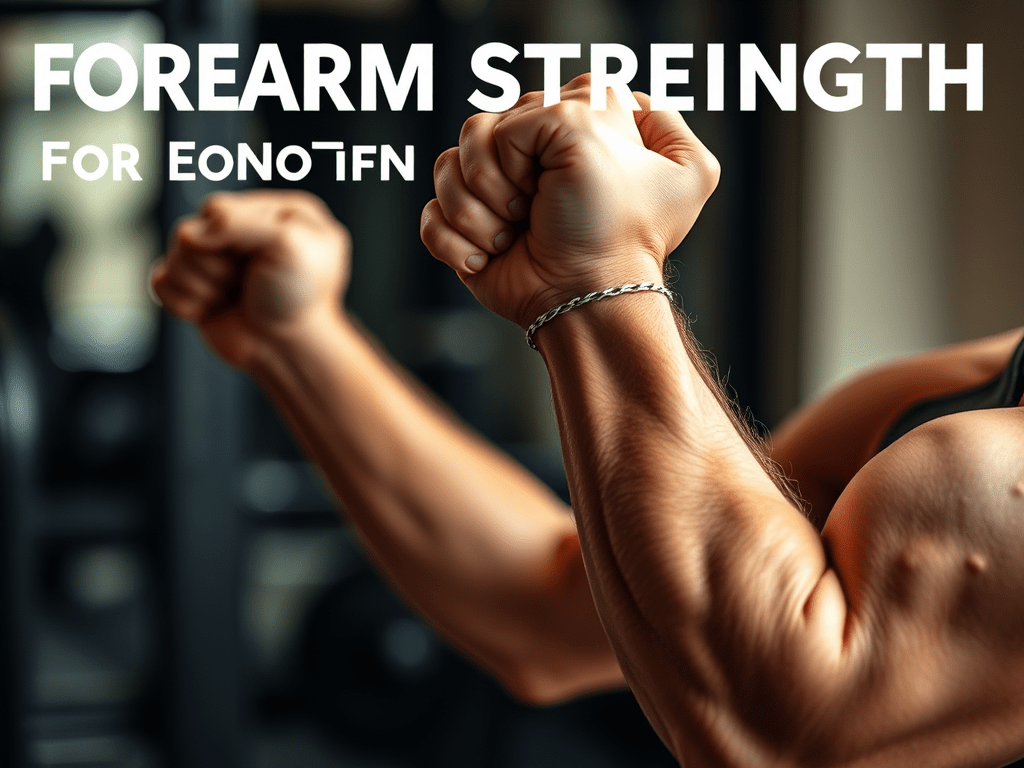



What if living longer wasn’t about fancy diets or expensive supplements? What if it were about strengthening a muscle group you’ve ignored? Your forearms might be the key to longevity, and most people don’t know it.
When we think about fitness, we often focus on our core, heart health, or weight training. But research shows that grip strength, mainly from your forearms, is crucial for health and how long you might live.
Working on this muscle group isn’t just for looking good. It’s about building a strong base for better health and more mobility. It could even add years to your life. Just think about improving your health with simple exercises that take just minutes a day.
Key Takeaways
- Forearm strength directly correlates with longevity
- Grip strength is a powerful health indicator
- Simple exercises can improve overall physical resilience
- The muscle group is often neglected in typical fitness routines
- Potential to enhance cardiovascular and metabolic health
The Hidden Connection Between Grip Strength and Longevity
Hand strength might be more than just muscle power. Research shows a surprising link between grip strength and health. Grip strength is a key sign of how long you might live.
The Lancet found a big link. Grip strength is linked to living longer. Weak grip strength means higher risks of heart disease, stroke, and dying early.
Understanding the Science Behind Grip Power
Grip strength shows how well your muscles and body are doing. Researchers found several reasons for this:
- Muscle mass shows metabolic health
- Muscular strength means better heart health
- Physical strength predicts long-term health
Key Research Findings from The Lancet Study
“Grip strength can be an inexpensive, standardized, and reliable marker of health status.”
| Grip Strength Level | Mortality Risk | Cardiovascular Risk |
|---|---|---|
| Weak | High | Increased |
| Moderate | Average | Standard |
| Strong | Low | Reduced |
Statistical Correlations with Life Expectancy
The study showed that strong grip strength means lower death risks. Every increase in grip strength lowers health risks.
Why Your Forearms Hold the Key to Healthy Aging

Your forearms are more than muscles. They show how healthy and long you might live. A study found that strong grip power is linked to aging well. This shows how important forearm strength is for staying independent as you get older.
As we age, our muscles shrink. But strong forearms can fight this. Keeping your forearm muscles strong can greatly improve your life later on.
- Preserve functional mobility
- Reduce risk of age-related muscle weakness
- Enhance daily activity performance
- Support cardiovascular health
Strong forearms do more than just make you strong. They help with:
- Neurological resilience: Keeping muscles connected to the brain
- Balance and coordination: Helping you avoid falls and injuries
- Metabolic efficiency: Boosting your body’s metabolism
Working on your forearm strength is more than just building muscles. It’s a way to ensure a healthier, more active life. A study showed that grip power is a key to aging well. So, your forearm exercises are a smart move for a longer life.
The Surprising Link Between Grip Strength and Heart Health

Your forearm muscles might hold the key to understanding your cardiovascular health. The Lancet found that weaker grip strength was linked to a higher risk of heart disease, stroke, and premature death. This unexpected connection reveals how your grip strength can be a powerful indicator of overall heart wellness.
Cardiovascular Benefits of Strong Forearms
Research shows that grip strength is more than just a measure of muscular power. It reflects your body’s overall cardiovascular condition. People with stronger grip strength usually have:
- Better blood circulation
- Reduced inflammation markers
- Enhanced metabolic health
- Improved muscle mass and quality
Prevention of Heart Disease Through Grip Training
Strengthening your forearms can directly impact heart health. By engaging in targeted grip exercises, you can potentially reduce your risk of cardiovascular complications. Regular training helps improve muscle endurance, which correlates with better heart function.
Stroke Risk Reduction Factors
The connection between grip strength and stroke risk is profound. Weak grip strength often indicates underlying health issues that might predispose you to stroke. By focusing on forearm exercises, you can potentially:
- Enhance neural connectivity
- Improve blood vessel elasticity
- Boost overall muscular resilience
- Support better cardiovascular performance
Remember, your grip strength is not just about hand power—it’s a window into your heart’s health.
Train This Overlooked Muscle Group to Add Years to Your Life

Your forearms are more than just muscles. They’re key to your overall health and how long you might live. Learning to strengthen your grip in minutes can greatly improve your health and life span.
Training your forearms has surprising benefits. People with strong grip strength often have better health. They tend to have:
- Improved metabolic health
- Enhanced cardiovascular function
- Reduced risk of age-related decline
- Better overall physical performance
Grip strength training is simple. You don’t need expensive equipment or hours of workout time. Short, focused exercises can make a big difference. Just 5-10 minutes a day can change your life.
Building strong forearms isn’t about getting big. It’s about gaining functional strength. This supports your body’s entire system. By spending a little time on this muscle group, you’re investing in your future health.
“Strength does not come from physical capacity. It comes from an indomitable will.” – Mahatma Gandhi
Your path to a longer life begins with grip strength. By regularly training this muscle, you’re not just making your hands stronger. You’re making your entire body stronger and more resilient.
Essential Exercises for Building Grip Strength

To build grip strength, you need exercises that target your forearms and hands. These specific workouts can greatly boost your muscle endurance and fitness.
You don’t need fancy gear or complicated plans for grip training. Simple exercises can make a big difference in your hand strength and health.
Tennis Ball Squeeze Technique
The tennis ball squeeze is a key exercise for grip strength. Here’s how to do it right:
- Choose a firm tennis ball or grip strengthener
- Do 30 reps per hand
- Squeeze the ball hard in each rep
- Keep a steady, controlled pace
Dead Hang Methods
Dead hangs are great for building grip endurance. Hang from a strong pull-up bar for up to 60 seconds. The Rep Fitness multi-grip pull-up bar offers various grip options to work different muscles.
Suitcase Hold Variations
The suitcase hold is a practical way to test your grip. Carry a heavy dumbbell (or a real suitcase) for 30 seconds on each side. It’s like lifting in real life and strengthens your forearms.
Pro tip: Stick to it in grip training. Begin with lighter weights and slowly add more as you get stronger.
Daily Activities That Benefit From Strong Forearms

Grip strength is more important than you think. Your forearm muscles are key for everyday tasks. They help you stay independent and safe. From carrying groceries to keeping your balance, strong forearms can greatly improve your life.
When you think about daily activities, it’s clear why forearm strength is important. Grip strength lets you do simple yet crucial tasks easily and confidently.
- Grocery Handling: Carrying multiple bags without strain
- Opening tight jar lids effortlessly
- Maintaining balance on public transportation
- Securely holding onto railings and support structures
- Preventing potential falls as you age
As you get older, grip strength becomes even more important. Your ability to hold onto surfaces and manage items is linked to forearm muscle strength. A weak grip can increase accident risks and reduce mobility.
Strong forearms aren’t just about muscle—they’re about maintaining your freedom and confidence in daily life.
Building your grip strength means investing in a safer and more capable future. Simple exercises and regular training can boost muscle strength. They also lower injury risks and improve physical performance.
Progressive Training Methods for Lasting Results

Building grip strength needs a smart plan. It’s about growing muscle slowly and safely. Start by learning about progressive training.
Getting better at grip strength is not about doing lots of hard exercises. It’s about doing smart, consistent workouts. This way, you can grow your muscles well and avoid injuries.
Beginner to Advanced Exercise Progression
Begin with simple exercises to lay a strong foundation:
- Week 1-2: Soft stress ball squeezes
- Week 3-4: Tennis ball grip training
- Week 5-6: Introduction to dead hangs
- Week 7-8: Farmer’s walks with light weights
Weekly Training Schedule
| Day | Exercise | Duration | Intensity |
|---|---|---|---|
| Monday | Grip Squeezes | 10-15 minutes | Low |
| Wednesday | Dead Hangs | 15-20 minutes | Medium |
| Friday | Weighted Carries | 20-25 minutes | High |
Recovery and Maintenance Tips
Rest is key in strength training. Listen to your body and rest enough between workouts. Stretch your forearms, use massage, and drink plenty of water to help your muscles heal.
“Consistent, gradual progress trumps sporadic, intense training every time.” – Fitness Experts
By using these progressive training methods, you’ll improve your grip strength. This will help you live longer and stronger.
Common Mistakes to Avoid in Grip Training

Strengthening your grip in minutes is more than just doing random exercises. Many people make big mistakes that slow down their progress and might even hurt them.
It’s important to know these common errors to improve your grip strength. Using the right techniques and training smart is essential to reach your full potential.
- Overtraining Without Rest: Muscles grow stronger when they rest. Too much training without rest can cause injuries and lower your performance.
- Ignoring Proper Form: Bad grip techniques don’t work well and can hurt you when trying to get stronger.
- Using Inappropriate Equipment: Not all tools are good for grip training. Choosing the wrong one can slow down your progress.
Grip training needs a smart plan. Start with light weights and focus on smooth movements. As you get stronger, you can do more.
“Consistent, intelligent training beats sporadic, intense workouts every time.” – Strength Training Experts
Stay away from these mistakes by making a detailed training plan. It should have progressive challenges and keep proper technique in mind. Your forearms will appreciate the careful way you build strength.
Measuring and Tracking Your Grip Strength Progress

Tracking your grip strength is key to knowing how it affects your health and life span. Since grip strength is linked to a lower risk of early death, it’s vital to keep an eye on your progress. This is a big part of your fitness journey.
There are many ways to measure grip strength accurately. Athletes and health experts use special tools called dynamometers. But, you can start with simple tests at home that still give you useful information.
- Hand Dynamometer Test: A Professional handheld device measuring grip force
- Bathroom Scale Method: Squeeze a bathroom scale to estimate strength
- Repetition Count Technique: Track how many times you can squeeze a tennis ball
Your grip strength can show important health signs. Studies have linked strong forearm muscles to lower death risks.
| Measurement Method | Accuracy Level | Recommended Frequency |
|---|---|---|
| Digital Dynamometer | High | Monthly |
| Home Scale Test | Medium | Bi-weekly |
| Tennis Ball Squeezes | Low | Weekly |
Consistent tracking helps you see how you’re improving. Grip strength is not just about muscle power—it’s a window into your overall physical wellness.
By regularly checking your grip strength, you’re taking steps to understand your body’s potential. This can help lower the risk of early death by focusing on muscle development.
Conclusion
Grip strength is more than just hand power. It shows how healthy you are and how long you might live. Studies show that working on this muscle group can greatly improve your health and life span.
Adding simple exercises like tennis ball squeezes, dead hangs, and suitcase holds to your routine can boost your forearm strength. This can lead to many health benefits. It can lower heart disease risks, improve how your body uses energy, and help you stay independent as you get older.
Building grip strength isn’t about complicated workouts. It’s about regular, focused practice. Start with simple exercises, slowly get better, and keep track of your progress. This way, you can add years to your life and improve your health over time.
Your journey to stronger forearms and a healthier future starts today. Begin with a small step, stay committed, and see how your grip strength helps keep you active and healthy for years to come.



 trim down and shape up
Leave a comment