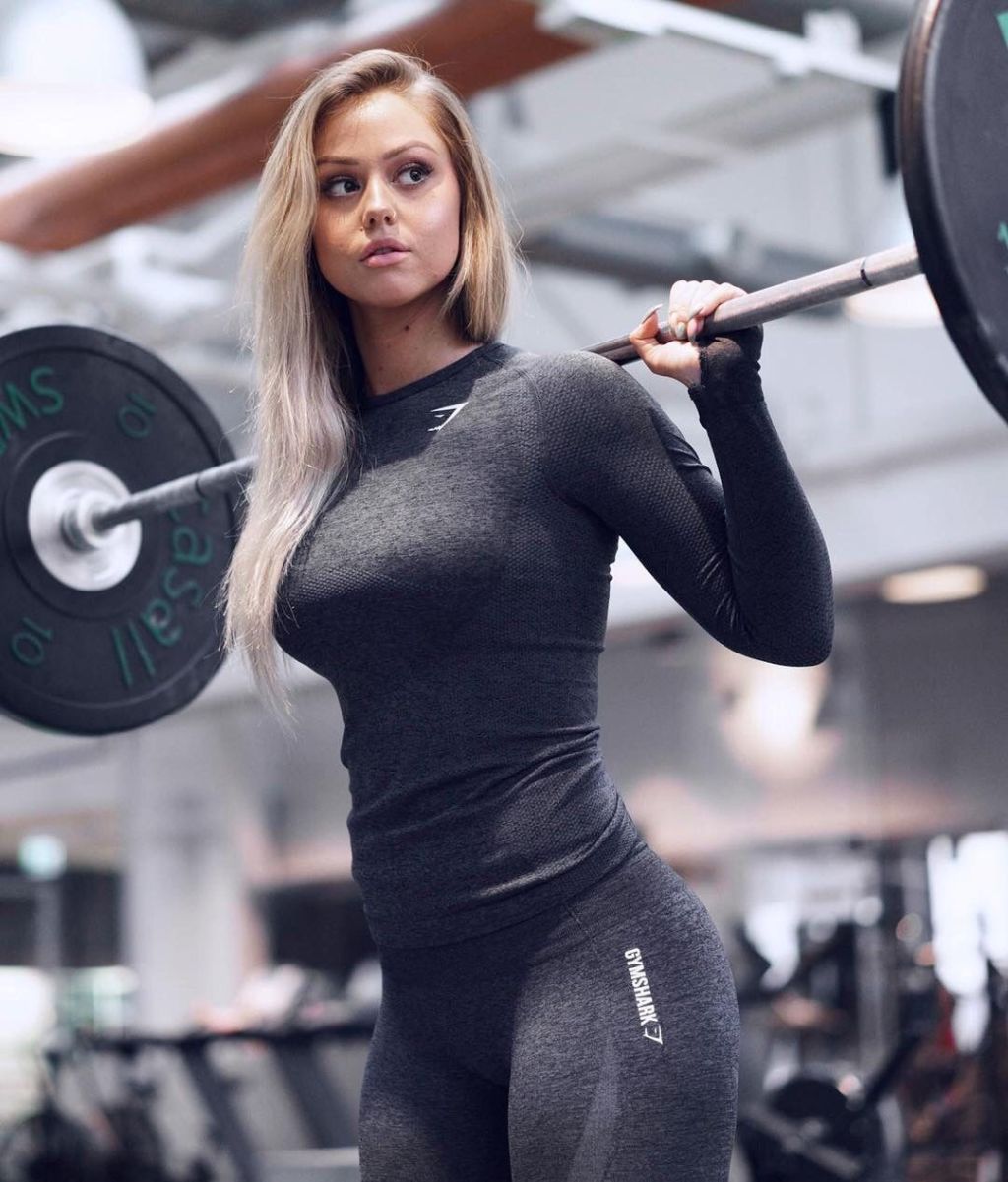


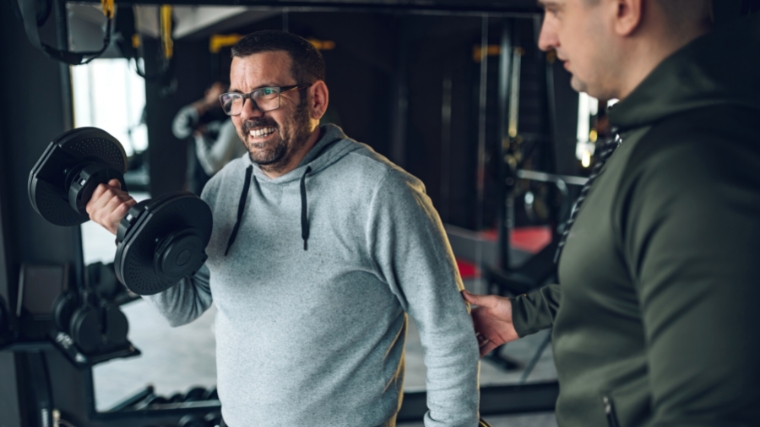
Are you scared of the weight room, wondering if strength training is for you? Imagine changing your body and feeling more confident with just a few steps into weightlifting.
Starting a gym routine for beginners isn’t hard. Strength training basics are easier than you think. Whether you want to build muscle, boost your metabolism, or get fitter, weight training is a great way to change yourself.
This guide will cover everything you need to know to start lifting weights. You’ll learn about the right equipment and how to lift correctly. You’ll feel ready and confident to go to the gym.
Key Takeaways
- Weight training is accessible to all fitness levels
- Proper form matters more than lifting heavy weights
- Consistent practice builds confidence and strength
- Start with basic movements and progress gradually
- Mental preparation is as crucial as physical training
Understanding the Benefits of Weight Training for Beginners
Starting your fitness journey with weight training can change your body and mind in amazing ways. Many beginners worry about injury. But learning about muscle building can make you feel more confident and safe.
Weight training does more than just build muscle. Your body will change in incredible ways when you stick to a strength training routine.
Physical Performance Advantages
Proper lifting form is key to getting the most out of weight training. When you do strength training, you can expect:
- Increased muscle mass and strength
- Enhanced metabolic rate
- Improved bone density
- Better body composition
- More efficient fat burning
Mental Health Transformation
Weight training isn’t just for your body. It can also greatly improve your mental health:
- Reduced stress levels
- Increased self-confidence
- Better mood regulation
- Enhanced cognitive function
Long-Term Health Investments
Starting with muscle building early is a big investment in your health. Regular strength training can prevent chronic diseases, keep you mobile, and support your wellness as you get older.
Remember, every fitness journey begins with a single rep. Your body is capable of incredible transformations when you approach training with knowledge and consistency.
Essential Gym Equipment for Novice Lifters

Starting at a gym can be daunting with so many options. Your fitness journey begins with knowing the basic tools for muscle building and fitness improvement.
For beginners, some equipment is key to your fitness path. Here are the must-know tools:
- Dumbbells: Versatile weights perfect for isolated and compound movements
- Barbells: Ideal for fundamental strength training exercises
- Weight machines: Provide guided movements for safer learning
- Kettlebells: Great for dynamic and functional training
- Resistance bands: Helpful for mobility and supplemental strength work
When picking out equipment, look for quality and comfort. Your fitness program should focus on tools that help you do compound movements safely and well.
Remember: Quality equipment is an investment in your fitness journey.
Beginners should think about these when choosing gym gear:
- Proper weight range for your current fitness level
- Comfortable grip and ergonomic design
- Durability and maintenance requirements
- Compatibility with your specific fitness goals
Start with basic gear and add more as you get more comfortable with exercises and techniques.
Safety First: Proper Form and Technique Fundamentals
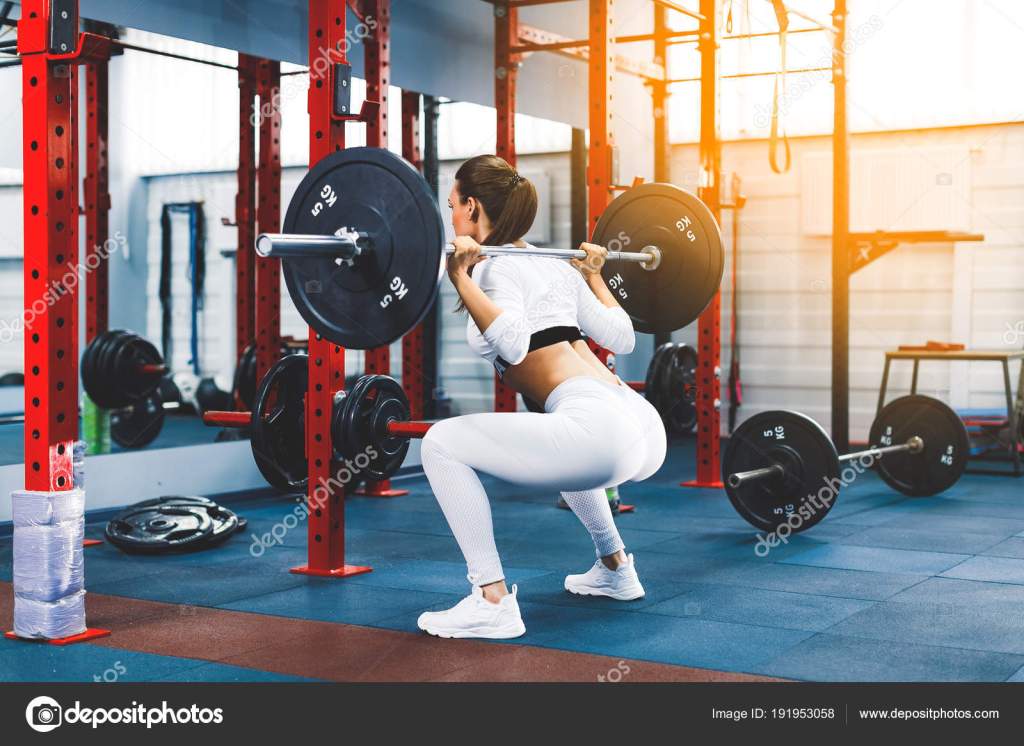
Starting with weight lifting can seem scary, but it’s okay. Learning proper lifting form is key to a safe workout. It’s safer than many other exercises you might do.
Knowing the basics of safe weight training is important. It helps you get the most out of your workout while staying safe. Gym etiquette means knowing basic movements and listening to your body.
Basic Movement Patterns
Good weight training starts with mastering key movements:
- Squats: Keep your chest up, back straight, and knees over your toes
- Deadlifts: Keep your spine straight and engage your core
- Presses: Control the weight and don’t arch your back
Breathing Techniques
Proper breathing is key during weightlifting. Here’s what to do:
- Exhale when lifting gets hard
- Inhale when it gets easier
- Keep breathing steadily to avoid getting dizzy
Common Form Mistakes to Avoid
Beginners often make mistakes that can hurt:
- Using momentum instead of muscle control
- Lifting too heavy for your strength
- Not warming up or stretching enough
Getting better at technique takes time and effort. Start with lighter weights, focus on form, and build your strength and confidence slowly.
Starting with Gym Machines vs Free Weights

When starting strength training, beginners often debate gym machines or free weights. It’s perfectly fine to begin with gym machines. They help keep your movements steady and consistent.
Gym machines have many benefits for newbies:
- They guide your movements to lower injury risk
- They show you how to do exercises right
- They’re easier for those new to fitness
- They boost your confidence in lifting
Machines offer a structured way to learn basic strength training movements. They limit your range of motion. This ensures you perform exercises with controlled and predictable actions. It’s super helpful when you’re just starting out.
“Machines are like training wheels for weight training – they help you build a solid foundation before moving to more complex movements.” – Professional Fitness Trainer
But you’ll want to move to free weights later. Free weights work your stabilizer muscles and give a more complete workout. They need more skill, but let you move in different ways.
Your journey might go like this:
- Begin with machine exercises
- Learn the right form and muscle use
- Slowly add free weight variations
- Master more advanced lifting techniques
Every fitness path is unique. Don’t hurry – focus on keeping the right form and slowly building strength and confidence.
How Do I Get Started in the Gym Lifting Weights?

Starting at the gym for the first time can be scary, especially when you’re new to lifting weights. But with the right steps, you can grow confident and see real progress in your fitness journey.
Starting your weight training journey needs careful planning and a smart approach. To succeed, follow these key steps for beginners in fitness.
Initial Assessment Steps
Before you start lifting weights, it’s important to know your current fitness level. Take time to check:
- Your overall health and any physical limitations
- Current strength and mobility
- Any previous injuries or medical concerns
Creating Your First Workout Plan
Creating a structured workout plan is essential for progress. If you’re not sure where to start, consider getting a personal trainer. A good plan should include:
- Fundamental compound exercises
- Appropriate number of sets and repetitions
- Rest periods between workouts
Setting Realistic Goals
Setting goals is a key part of your fitness journey. Be specific and achievable with your goals. Start with small targets like:
- Mastering proper form
- Consistently attending gym sessions
- Gradually increasing weight and repetitions
Remember, starting in the gym lifting weights is a journey. Be patient, consistent, and open to learning. These qualities will help you build strength and confidence.
Building Your First Training Schedule

Creating your first gym routine can seem daunting. Start simple and focus on consistency. Experts say to begin with muscle-strengthening activities twice a week.
Quality is more important than how much you do in the gym. Short, focused workouts can still yield great results. Aim for structured sessions that challenge you without burning out.
- Start with 2-3 gym sessions per week
- Each session should last 30-45 minutes
- Focus on full-body workouts initially
- Include rest days between training sessions
Your first gym routine should balance muscle groups. Beginners should prioritize compound movements that engage multiple muscle groups simultaneously. This method is efficient and safer.
“Progress is measured by consistency, not perfection” – Fitness Experts
Here’s a sample beginner training schedule:
| Day | Focus | Duration |
|---|---|---|
| Monday | Full Body Strength Training | 45 minutes |
| Wednesday | Lower Body & Core | 30-40 minutes |
| Friday | Upper Body Workout | 30-40 minutes |
Always listen to your body and tweak your routine as you get better. Slow and steady wins over trying too hard.
Understanding Progressive Overload for Beginners
Progressive overload is key to good strength training. For beginners, it’s important to know how to slowly challenge your muscles. This helps you keep getting better and avoid hitting a wall in your fitness journey.
The government says to start with muscle strengthening twice a week. This lets your body get stronger and grow. It also helps prevent injuries.
Weight Progression Guidelines
Don’t try to lift too much too soon. First, learn the right form. Then, slowly increase how hard your workouts are in a few ways:
- When you feel comfortable, add 2-5% more weight
- Add 1-2 more reps to your sets
- Take less time to rest between sets
- Try harder versions of exercises
Recovery and Rest Periods
Muscles grow when you’re resting, not when you’re working out. Good recovery is key to avoiding injuries and getting stronger. Pay attention to your body and use these recovery tips:
- Wait 48-72 hours before working the same muscles again
- Get 7-9 hours of sleep each night
- Drink plenty of water
- Eat enough protein
Remember, building strength takes time. Be patient and keep at it. You’ll get stronger safely and effectively.
Essential Exercises for Beginners
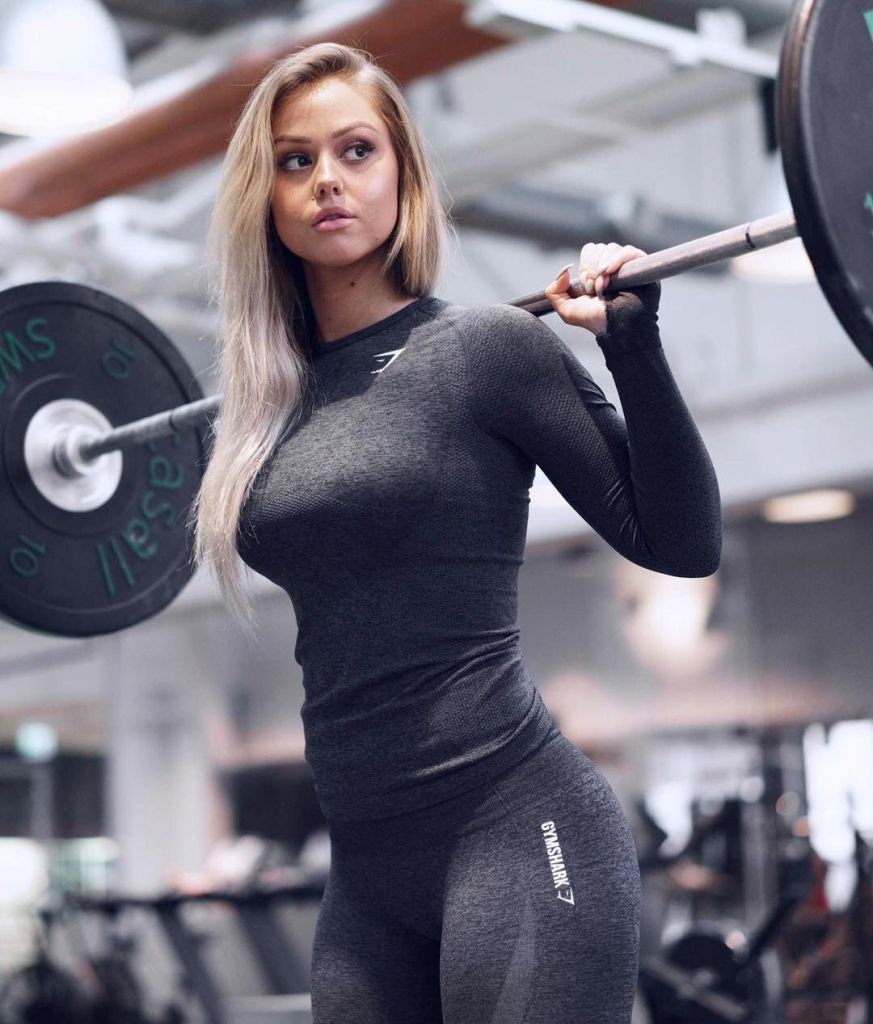
Learning muscle-building basics starts with key compound exercises. These exercises are the core of any starting strength program. They help build overall strength, improve muscle coordination, and lay a solid fitness foundation.
The most critical exercises for beginners include:
- Squats: Targeting lower body muscle groups
- Deadlifts: Full-body strength development
- Bench Press: Upper body muscle building
- Overhead Press: Shoulder and arm strength
- Barbell Rows: Back muscle engagement
When doing these exercises, focus on proper form over heavy weights. A starting strength program values technique over intensity. This ensures a strong foundation without risking injury.
| Exercise | Primary Muscle Groups | Key Benefits |
|---|---|---|
| Squats | Quadriceps, Glutes, Hamstrings | Lower body strength, core stability |
| Deadlifts | Lower Back, Glutes, Hamstrings | Total body strength, posterior chain development |
| Bench Press | Chest, Triceps, Shoulders | Upper body power, pushing strength |
Start with lighter weights and gradually increase as you get better. Consistency and proper technique are more important than lifting heavy weights quickly.
Nutrition Basics for New Lifters

Muscle building starts with knowing how important nutrition is. It’s safer to go to the gym than to be sedentary. Good nutrition can change your workout and results.
Correct nutrition is a game-changer when you start lifting. It affects muscle growth, recovery, and how well you perform.
Powering Up Before Your Workout
Good pre-workout nutrition gets your body ready for hard training. Here are some tips:
- Eat complex carbs 1-2 hours before working out
- Add lean protein for muscle prep
- Drink water or electrolyte drinks to stay hydrated
- Avoid big meals that make you feel slow
Recovery Nutrition Essentials
After working out, your muscles need certain nutrients to heal and grow. Pay attention to:
- Eat protein-rich foods within 30 minutes after exercising
- Combine proteins and carbs
- Drink enough water to help muscles recover
Pro tip: Being consistent in nutrition is more important than being perfect. Start simple and build habits that help your fitness goals.
Developing Proper Gym Etiquette
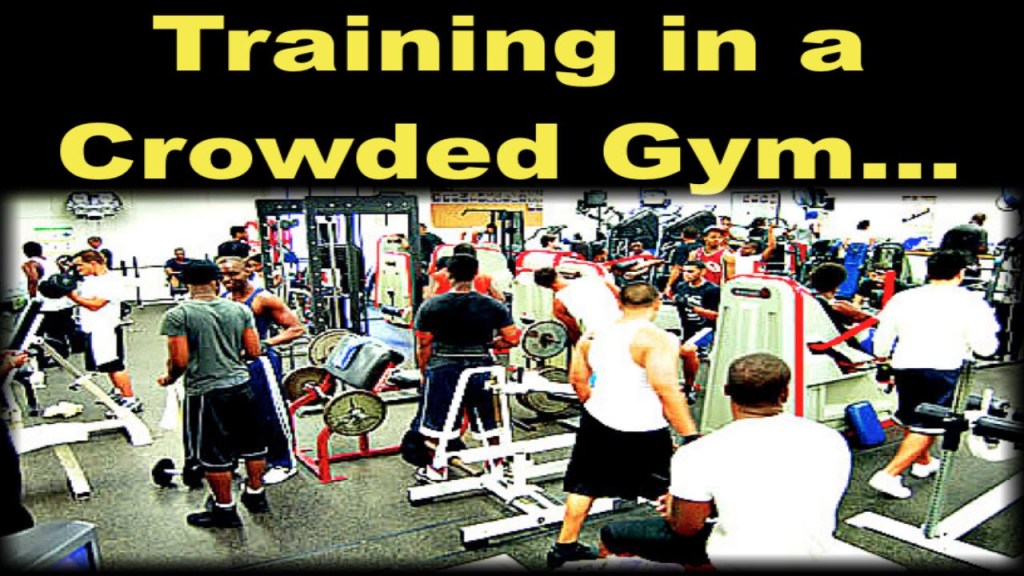
Learning to lift weights in the gym starts with understanding gym etiquette. It’s key to making a positive workout space. Showing respect to others and the gym itself is important.
Gym etiquette is more than just being polite. It’s about making a space where everyone can reach their fitness goals. Here are some tips to help you feel at home in the gym:
- Wipe down equipment after use with the provided sanitizing wipes
- Limit your time on machines during peak hours
- Return weights and equipment to their proper places
- Avoid loud conversations or excessive grunting
- Use headphones and keep music volume low
Pro tip: If someone is using equipment you want, politely ask to “work in” between their sets, which means alternating use of the machine or weights.
“Respect is the foundation of a great gym community.” – Fitness Professional
Starting out with weight lifting can make you feel shy. But remember, everyone was once a beginner. Keep your focus on your workout, respect others’ space, and follow these guidelines. This will help you feel more confident and comfortable in the gym.
Tracking Progress and Staying Motivated
Learning how to keep your gym habit going is key to lasting fitness success. Studies show it can take six weeks to make going to the gym a habit. The more you go in those first six weeks, the stronger the habit will be.
Keeping track of your progress is important for staying motivated. Here are some ways to stay on track:
- Use a workout journal to log your exercises
- Take body measurements monthly
- Snap progress photos
- Utilize fitness tracking apps
It’s also important to celebrate small wins. Set goals that are realistic and achievable. This way, you can feel a sense of accomplishment and avoid feeling overwhelmed.
| Motivation Strategy | Impact |
|---|---|
| Find a workout buddy | Increases accountability |
| Join group fitness classes | Provides social support |
| Reward system | Reinforces positive behavior |
Remember, consistency is key in transforming your gym routine into a lasting lifestyle habit. By using these tracking and motivation methods, you’ll be ready to stick to your fitness goals.
Conclusion
Starting your weightlifting journey is about finding what you like at the gym. Every fitness path is unique. The most important thing is to find a workout routine that keeps you motivated and engaged.
Train in a way that you enjoy. Try different exercises and techniques that interest you and make you feel strong.
Finding a friend to join the gym with is a great strategy. A workout partner can give you accountability, support, and make workouts more fun. This will help you stay consistent and reach your fitness goals.
Remember, your fitness journey is a progressive experience. Start with basic movements, build your confidence, and then challenge yourself more. Your body will get stronger, your skills will improve, and you’ll develop a lasting approach to fitness.
Your gym adventure is just starting. Stay patient, stay consistent, and enjoy the journey of getting stronger, healthier, and more confident. The most important step is the one you take today.



 trim down and shape up
Leave a comment