


Are you noticing changes in your urine habits? You might be wondering what’s happening to your body. Benign prostatic hyperplasia (BPH) is a common issue many men face as they get older. It can affect your daily life in unexpected ways.
BPH is a common condition that makes the prostate gland grow bigger. This non-cancerous growth can disrupt your urine flow and quality of life. It’s important to know about BPH symptoms and treatment options to stay healthy.
Your prostate doesn’t have to control your life. With the right knowledge and medical advice, you can manage BPH. This article will guide you through BPH, from early signs to treatment strategies.
Key Takeaways
- BPH is a non-cancerous prostate enlargement that affects many men
- Symptoms can significantly impact urinary function and quality of life
- Early detection and management are critical for effective treatment
- Multiple treatment options are available for managing BPH
- Age is a primary factor in prostate growth and BPH development
Understanding Benign Prostatic Hyperplasia as You Age
As men get older, their bodies change in many ways. The prostate gland is one area that changes. Benign prostatic hyperplasia (BPH), or an enlarged prostate, is a common aging issue. Knowing how your prostate changes can help you stay healthy.
What Happens to Your Prostate Over Time
Your prostate is a small gland below your bladder. It grows as you age. Several factors influence this growth:
- Hormonal changes, especially dihydrotestosterone (DHT)
- Cellular growth patterns specific to aging males
- Genetic predisposition
“The prostate typically starts to enlarge around age 40 and continues to grow throughout a man’s life.” – Urology Health Experts
Why BPH Becomes More Common with Age
Benign prostatic hyperplasia is more common with age. Here’s why:
- Approximately 50% of men in their 50s experience BPH
- Up to 90% of men in their 80s have an enlarged prostate
An enlarged prostate might seem scary, but it’s a normal part of aging. It’s important to watch your prostate health. If you notice changes in your urine, talk to a doctor.
Recognizing the Warning Signs of an Enlarged Prostate

Knowing your symptoms and prostate size is key to catching health issues early. Not all men show the same signs of an enlarged prostate. The severity of symptoms doesn’t always match the prostate’s size.
Your body sends out signals that something might be off. It’s important to listen to these warning signs for your urinary health. Some men might see small changes, while others face bigger issues.
- Gradual changes in urination patterns
- Unexpected shifts in bathroom habits
- Intermittent stream difficulties
- Increased nighttime bathroom visits
The size of your prostate affects your urinary symptoms. An enlarged prostate can put pressure on the urethra, causing problems. Your symptoms can change due to many factors, like:
- Daily fluid intake
- Medication effects
- Temperature changes
- Stress levels
Remember, early recognition is key to effective management. If you notice lasting changes in your urine, see a healthcare professional. They can offer personalized advice and treatment options.
Your body communicates through symptoms – listen carefully and act proactively.
Common Symptoms of BPH You Shouldn’t Ignore

Having an enlarged prostate can really change your daily life. Knowing the signs of BPH helps you know when to see a doctor. It’s key to taking care of your urinary health.
Frequent or Urgent Need to Urinate
A common sign of BPH is needing to pee a lot. Your prostate gets bigger and presses on your bladder. This makes you feel like you need to go even when you don’t.
This can be really hard and embarrassing. It might make you plan your day around finding a bathroom.
- Sudden, intense urination urges
- Feeling of incomplete bladder emptying
- Interruptions in social and professional activities
Nighttime Urination and Sleep Disruption
Waking up to pee a lot can mess up your sleep. Men with BPH might get up two to six times a night. This can make you tired and less productive.
“Interrupted sleep is not just an inconvenience—it’s a health concern that can affect your overall well-being.” – Urology Experts
Weak Urine Stream and Difficulty Starting
Your prostate getting bigger can also narrow your urethra. This makes it hard to start peeing and can make your stream weak. You might also dribble at the end or not empty your bladder fully.
- Weak or interrupted urine stream
- Straining to begin urination
- Feeling of incomplete bladder emptying
Spotting these signs early can help you manage BPH better. It keeps your quality of life good.
Less Common But Serious BPH Symptoms

Most men know about common prostate problems. But there are rare symptoms that are very serious. Knowing these signs can help keep you healthy and avoid big problems.
Urinary tract infections are a big risk if your prostate blocks your bladder. This can cause urine to stay in your bladder, letting bacteria grow. This can lead to serious health issues.
- Not being able to pee can signal acute urinary retention
- Blood in the urine might indicate underlying prostate complications
- Sudden inability to urinate requires urgent medical evaluation
If you can’t pass urine, get medical help right away. Waiting too long can harm your kidneys or cause other serious health problems.
| Symptom | Potential Consequences | Recommended Action |
|---|---|---|
| Complete Urinary Blockage | Kidney Damage | Emergency Medical Care |
| Recurring UTIs | Chronic Infection | Prostate Evaluation |
| Blood in Urine | Possible Prostate Inflammation | Immediate Doctor Consultation |
Spotting these serious symptoms early can stop long-term health issues. It also makes sure you get the right medical care on time.
How Your Prostate Size Affects Your Health
It’s important to know how your prostate size relates to your symptoms for good urological health. Not every big prostate causes the same problems. The size of your prostate doesn’t always mean you’ll have bad symptoms.
Your prostate can grow in different ways. So, the size of your prostate doesn’t always mean you’ll have bad symptoms. Some men with big prostates might not have many urinary problems. Others with slightly bigger prostates might feel a lot of discomfort.
The Relationship Between Prostate Size and Symptom Severity
Doctors use several ways to check prostate size:
- Digital rectal examination (DRE)
- Transrectal ultrasound
- Prostate-specific antigen (PSA) tests
These tools help figure out how your symptoms might be affected by prostate growth. The location and direction of prostate enlargement play a critical role in urinary function.
When an Enlarged Prostate Requires Immediate Attention
Look out for these warning signs that mean your prostate size might be serious:
- Complete urinary retention
- Recurring urinary tract infections
- Persistent blood in urine
- Signs of kidney damage
“Your symptoms are more important than prostate size alone in determining appropriate treatment.” – Urology Experts
Regular check-ups help your doctor know when you need more help than just watching or taking medicine.
Benign Prostatic Hyperplasia (BPH), Symptoms, and Treatment
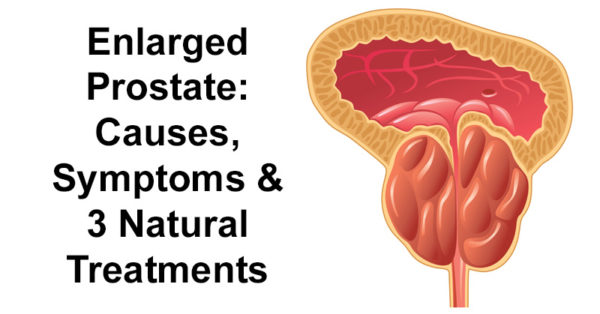
Understanding benign prostatic hyperplasia (BPH) means looking at your prostate health in a personal way. Each man feels BPH symptoms differently. So, treatments must fit each person’s needs and the severity of their symptoms are.
Your BPH treatment journey has several key stages:
- First, check how bad your symptoms are
- Then, looking at your prostate size and any possible problems
- Finally, picking the best treatment for you
Doctors choose treatments based on many things:
- Your age and health
- How big is your prostate?
- The specific BPH symptoms you have
- How much do your symptoms affect your life
Today, managing BPH includes everything from watchful waiting for mild symptoms to more serious treatments for severe cases. Your doctor will guide you through these choices. They want to make sure you get the best care for your situation.
Treatment options range from making lifestyle changes to medications, small procedures, or surgery. The aim is to make urination easier and lessen the discomfort from an enlarged prostate.
Remember: BPH treatment is not one-size-fits-all. Open communication with your doctor is key to finding the right management strategy.
Non-Surgical Treatment Options for Managing BPH

Managing BPH symptoms doesn’t always mean surgery. Many non-surgical options can help control prostate-related urinary issues. These methods aim to ease your symptoms and enhance your life quality.
Medications That Can Help Relieve Your Symptoms
Pharmaceutical treatments are strong tools for BPH management. There are two main types of medications:
- Alpha-Blockers: These, like tamsulosin and alfuzosin, relax muscles in the prostate and bladder, making it easier to urinate.
- 5-Alpha Reductase Inhibitors: Drugs like finasteride shrink the prostate by blocking hormone growth.
Using both types of medication together can offer better symptom control. Most people see improvements in a few weeks to months.
Perhaps, the least invasive and private treatment option is a high-quality supplement. One designed to alleviate the symptoms of BPH and avoid an embarrassing trip to the doctor.
Learn more about the cheapest, least invasive and most private BPH treatment options Here!
Lifestyle Changes to Improve Urinary Function
Making simple changes can greatly help manage BPH:
- Drink less water before bedtime.
- Reduce caffeine and alcohol.
- Try double voiding techniques.
- Stay active.
- Do pelvic floor exercises.
“Small lifestyle adjustments can make a substantial difference in managing your BPH symptoms” – Urology Experts
Bladder training can also help. It helps you go longer between bathroom visits, improving control.
Other Health Problems That May Complicate Your BPH

Dealing with benign prostatic hyperplasia (BPH) gets tougher when other health issues come into play. Your overall health can greatly affect how BPH symptoms show up and how well they respond to treatment.
Some medical conditions can make managing BPH more complicated for men. Knowing about these potential interactions helps you and your healthcare provider create a better treatment plan.
- Diabetes can really mess with bladder function and make urinary symptoms worse
- Neurological conditions like Parkinson’s disease or multiple sclerosis can mess with bladder control
- Cardiovascular diseases might limit some BPH treatment options
- Kidney problems need careful watching during BPH management
Medications for other health issues can also affect BPH treatments. Drugs like antihistamines, decongestants, antidepressants, and diuretics can make urinary problems worse or clash with BPH meds.
Your body weight is also key. Being overweight can up your risk for BPH and make symptoms worse. This shows why taking care of your whole health is so important.
Sharing your full medical history with your doctor helps make BPH treatment safer and more focused.
By knowing how different health conditions affect BPH, you can work better with doctors to manage symptoms. This helps keep your quality of life high.
Conclusion
Understanding benign prostatic hyperplasia (BPH) is key to keeping your prostate healthy. Your symptoms can change a lot, but they shouldn’t rule your life. By staying informed and taking action, you can manage BPH well.
Early detection and treatment are vital to avoid serious problems. Regular check-ups and talking openly with doctors are important. This helps create a treatment plan just for you. You have many options, like medicine, lifestyle changes, or surgery, to fit your needs.
BPH is common among older men. You’re not alone in this. By knowing your body, watching for changes, and getting professional advice, you can keep your quality of life high. This helps prevent urinary tract issues that can come from untreated symptoms.
Start taking care of your prostate health now. Don’t ignore signs or think symptoms are just part of aging. With today’s treatments and a proactive mindset, you can face BPH’s challenges and live a full, comfortable life.



 trim down and shape up
Leave a comment