


Did you know that standing on one leg for 10 seconds can tell a lot about your health? Research shows that those who can do this might live longer. This simple test is a surprising way to guess how long you’ll live.
The 10-second balance test is more than a challenge. It shows how well you’re doing in health and fitness. Doctors found that those who can’t balance face a big risk of dying early.
A study found that adults who can’t balance for 10 seconds are 84% more likely to die in 10 years. This test shows how well your muscles and nerves work. It’s a simple way to learn a lot about your body.
Key Takeaways
- The 10-second balance test can predict potential health risks
- Inability to balance may indicate a higher mortality risk
- The test measures muscle strength and neurological function
- A simple assessment requires no special equipment
- Results can motivate proactive health improvements
What Is the 10-Second Balance Test and How Does It Work
The 10-second balance test is a simple yet powerful way to check your physical health and how long you might live. It looks at how well your body and brain work together by having you stand in a certain way.

To do the test, stand with one leg tucked behind the other and your arms by your sides. Or, stand with one leg raised in front of you to hip height. Your goal is to stay balanced for a certain amount of time.
Understanding the Single-Leg Stance Test
The single-leg stance test checks how well you can stay balanced. People usually try to:
- Stay balanced for up to 10 seconds
- Get to about 20 seconds as they get better
- Keep their position steady without any help
Proper Test Execution and Safety Precautions
Before you start the balance test, keep these tips in mind:
- Stand near something stable, like a wall or counter
- Use a surface that won’t slip, on your bare feet
- Begin with your eyes open before trying it with them closed
- Stop right away if you feel off balance or might fall
Tip: It’s not about which leg you use. It’s about staying steady without moving or holding onto something.
Balance is not just about physical strength—it’s a critical indicator of overall health and neurological function.
10-Second Exercise Test Could Predict If You’ll Die Early or Outlive Your Peers

Imagine a simple 10-second exercise test that could reveal insights about your potential lifespan. Recent scientific research suggests that your ability to balance on one leg might be more than just a physical skill—it could be a powerful predictor of your long-term health and mortality risk.
The groundbreaking study discovered a startling connection: adults who failed the 10-second balance test were 84% more likely to die within the next decade. This doesn’t mean the test itself causes death, but it offers a fascinating glimpse into your overall health status.
- Chronic conditions like diabetes and heart disease can impact balance
- Poor balance increases fall risk, which can lead to serious injuries
- Physical activity levels correlate with balance and longevity
Your balance ability reflects multiple health factors, including:
- Neuromuscular function
- Muscle strength
- Proprioception
- General fitness level
The 10-second exercise test could predict if you’ll die early or outlive your peers by serving as a quick health snapshot. Researchers emphasize that the test is not a definitive predictor but a valuable indicator of potential health risks.
“Balance is more than just standing on one leg—it’s a window into your overall physical well-being.”
Understanding this connection empowers you to take proactive steps toward improving your health and potentially extending your lifespan.
The Science Behind Balance and Longevity Connection
Your body’s ability to balance is key to your health and how long you live. As you get older, keeping your balance becomes more important. It affects your well-being and survival.

As you age, you naturally lose muscle mass. This can make it harder to move around and stay independent. About 10 percent of older adults in the US have sarcopenia. This is a condition where you lose muscle over time, affecting your physical abilities.
Why Balance Matters for Your Overall Health
Balance involves many body systems working together. These include:
- Vestibular system (inner ear)
- Visual perception
- Muscle strength and coordination
- Nervous system responsiveness
“Your balance is a window into your body’s overall functional health.” – Aging Research Institute
Understanding Muscle Mass Decline and Fall Risk
When you lose muscle mass, you’re at higher risk for falls. Falls lead to about 41,400 deaths each year. One fall can be very dangerous for an older adult, causing:
- Serious injury
- Reduced mobility
- Loss of independence
- Increased mortality risk
Maintaining muscle strength and balance is vital as you age. It helps protect you from serious health issues.
The Sitting-Rising Test as an Alternative Longevity Predictor
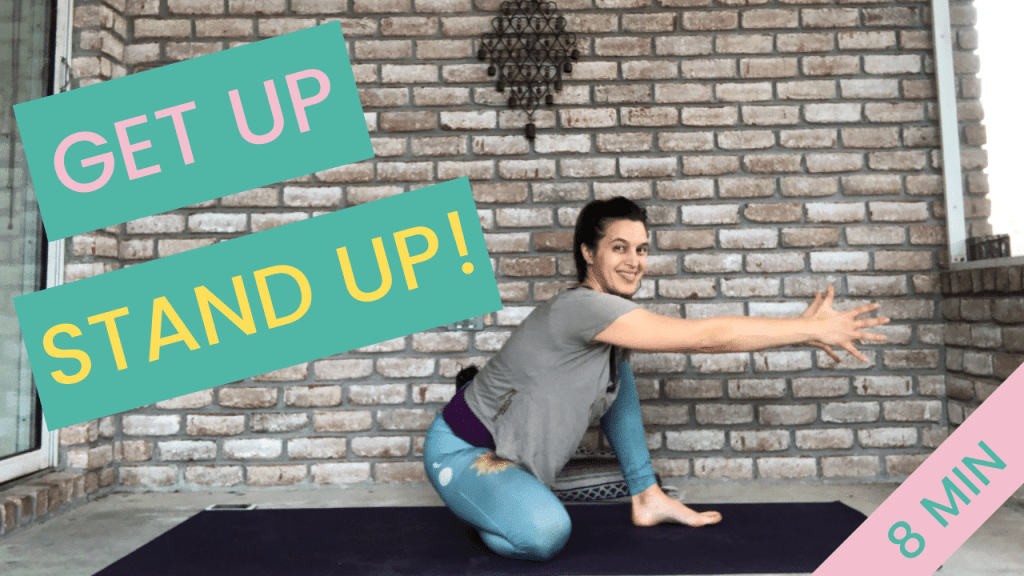
The sitting-rising test (SRT) gives a peek into how long you might live. It’s a simple test that checks if you can sit and stand from the floor. It shows how fit you are and your risk of dying from natural causes.
Here’s how the SRT score works:
- Start with a perfect 10-point score
- 5 points for sitting down
- 5 points for rising back up
- Lose points for using hands, knees, or additional support
Research in the European Journal of Preventive Cardiology shows its power. People with lower SRT scores had a much higher risk of dying:
| SRT Score | 10-Year Death Rate |
|---|---|
| Perfect Score (10) | 3.7% |
| Moderate Score (8) | 11% |
| Low Score | 42% |
Think about your physical limits before trying the test. If you have serious joint problems or have had surgery recently, talk to a doctor first. Other tests like the 30-second balance test or Timed Up & Go test, can also give useful insights.
The SRT is more than just a test. It checks your balance, flexibility, strength, and power. Your results show how well your body handles important movements that get harder with age.
How to Improve Your Balance Test Results and Extend Your Lifespan
Discovering you struggle with balance doesn’t mean your fate is sealed. Your body has remarkable potential to improve with targeted exercises and training. Implementing specific strategies can dramatically enhance your stability and potentially extend your healthy years.

The best way to prevent the decline is strength training, which offers multiple benefits for maintaining physical resilience. Let’s explore effective approaches to boosting your balance and overall fitness.
Effective Exercises to Boost Your Balance
Try these powerful balance-improving techniques:
- Flamingo Stand: Practice standing on one leg during daily activities like brushing teeth or washing dishes
- Water workouts in a swimming pool to build stability with reduced fall risk
- Tai chi for smooth, controlled movements that enhance coordination
- Physical therapy targeted exercises for personalized balance improvement
Strength Training to Prevent Muscle Mass Loss
Muscle preservation is crucial for maintaining balance and preventing age-related decline. Incorporate these strength-building strategies:
- Perform chair sit-to-stand exercises
- Use resistance bands for home workouts
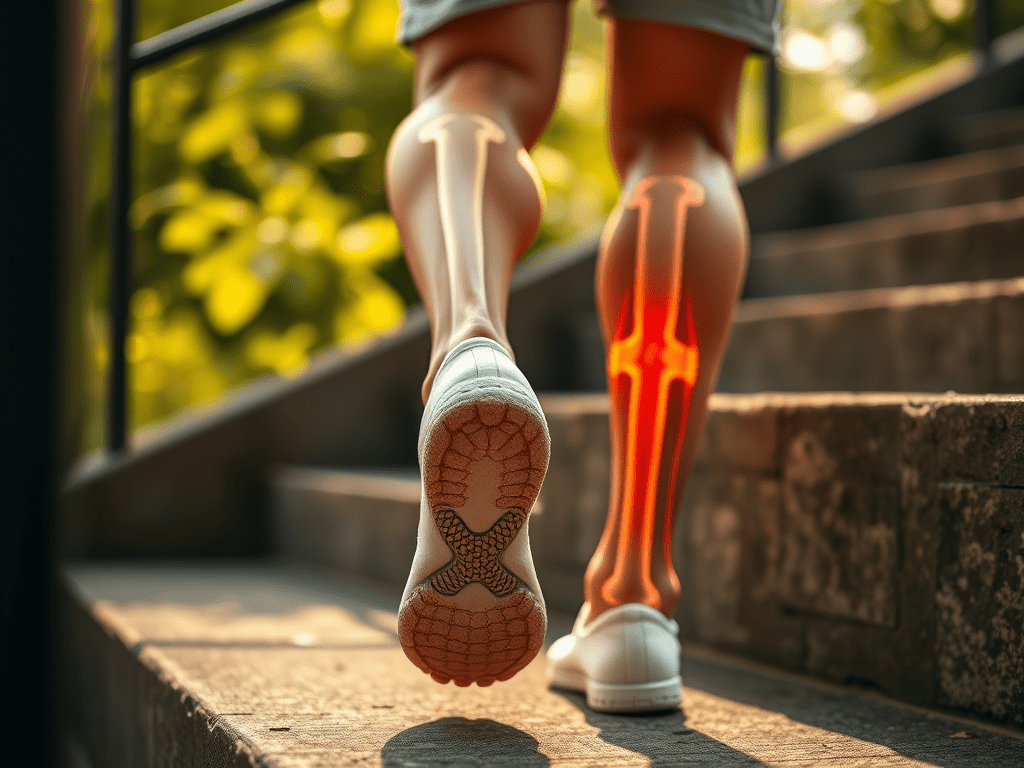
- Practice stair climbing regularly
- Engage in weight training targeting legs, core, and hip muscles
Remember, balance improvement is a continuous journey. Consistent practice and targeted exercises can help you maintain stability, reduce fall risks, and potentially extend your healthy lifespan.
Conclusion
Your balance ability is more than just a simple skill. It’s a powerful tool for assessing your health and predicting longevity. The 10-second balance test and sitting-rising test give insights into your physical health. They show how well your body might age.
Research shows that balance naturally declines with age. But you can fight this decline. By doing targeted exercises and strength training, you can improve your balance. These efforts help prevent falls and keep you independent, preserving muscle mass and potentially adding years to your life.
Remember, you have the power to change your future. Your longevity is not fixed. With effort and the right approach, you can boost your balance and reduce health risks. It’s never too early or too late to work on your body’s stability and well-being.
Begin today by adding balance exercises to your routine. Take proactive steps toward a healthier, more resilient future. Your body can adapt and improve with your commitment and consistent practice.

 trim down and shape up
Leave a comment