


Did you know muscle mass drops by 3-8% every decade after 40? This fact shows why men over 40 need to focus on strength training. The best exercises aren’t on fancy machines. They’re classic moves that work many muscles at once.
In most gyms, you’ll see rows of machines that promise quick gains. But for men over 40, these machines often don’t deliver. The 5 classic strength moves that outdo machines focus on real-life movements. They protect your joints, improve coordination, and build real strength.
Kris Herbert, a certified personal trainer for mature fitness, says the goal isn’t just muscle soreness. It’s about building muscle that works in everyday life. This protects your body and boosts your performance.
Key Takeaways
- Muscle mass naturally declines with age, making strategic training essential
- Compound movements outperform machine-based exercises
- Focus on functional strength over isolated muscle development
- Protect joints while building muscle after 40
- Prioritize movement patterns that translate to real-life activities
Why Free Weights Outperform Machines for Building Muscle After 40
As you get older, how you work out is key to keeping your muscles strong and your body fit. Muscle doesn’t care if you use machines or free weights. What matters most is the tension, how well you coordinate, and how much you challenge yourself.

Free weights are great for older muscles. They make you work harder to stay balanced, which means more muscle gets used. This helps you get stronger in a way that machines can’t match.
The Science of Muscle Activation
Your muscles react to certain challenges that machines can’t offer. Free weights make your body work harder in many ways. They improve your:
- Neuromuscular coordination
- Balance and stability
- Full range of motion
- Integrated muscle recruitment
Progressive Overload Without Machines
It’s possible and even better to build strength without machines. You can increase your strength in several ways:
- Increasing repetitions
- Improving the exercise range of motion
- Adjusting workout tempo
- Reducing rest periods
Studies show that muscle growth can happen without extra weights if you do exercises right. Using free weights and your own body weight can help you stay strong, improve coordination, and keep your muscles after 40.
The Squat: Building Functional Leg Strength for Everyday Movement
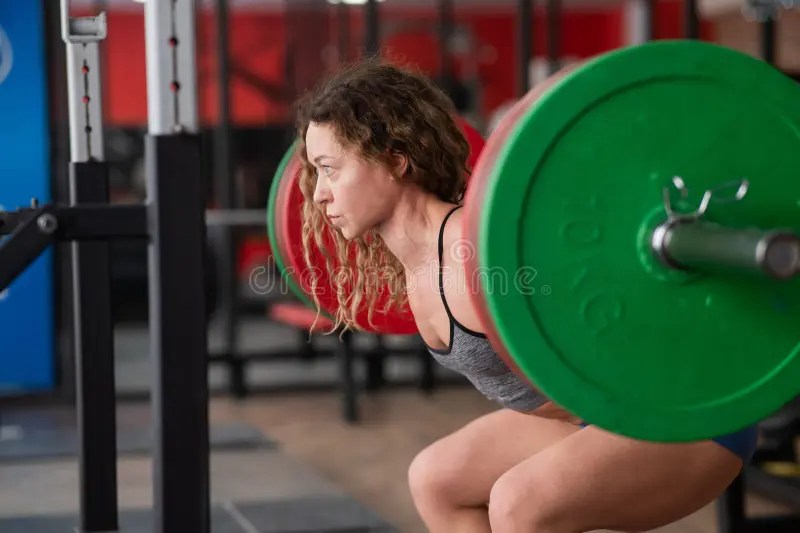
The squat is a powerful exercise that changes how you move after 40. It works your legs and hips and keeps your core strong. This helps you do everyday tasks like getting up from a chair or climbing stairs.
Experts say squats are key for older adults to stay strong. They work many muscles at once. This helps keep muscles from shrinking, improves joint health, and boosts your ability to move.
Squat Variations for Maximum Benefit
- Goblet Squat: Holding a dumbbell at chest height
- Barbell Back Squat: Using a weighted bar across your shoulders
- Slant Board Squat: Improving ankle mobility and calf strength
Proper Squat Technique
- Stand with feet shoulder-width apart
- Engage your core
- Sit hips back and down
- Keep chest upright
- Lower until thighs are parallel to the floor
- Drive through heels to stand
Do 3-4 sets of 6-10 reps, resting 90-120 seconds between sets. Focus on controlled movements and proper form to maximize muscle engagement and prevent injury.
“The squat builds strength through the legs and hips while reinforcing core stability, which supports bone density, joint health, and the ability to move well as you age.” – Kris Herbert
| Squat Type | Primary Benefits | Difficulty Level |
|---|---|---|
| Goblet Squat | Core Stability, Lower Body Strength | Beginner Friendly |
| Barbell Back Squat | Maximum Muscle Activation | Intermediate to Advanced |
| Slant Board Squat | Ankle Mobility, Calf Strength | Intermediate |
The Deadlift: Your Total-Body Strength Foundation
As you get older, the deadlift becomes key for building strength. It’s not just about lifting weights. It helps your body move better in everyday life.

The deadlift is a top choice for strengthening your whole body. It works many muscles at once, including:
- Glutes
- Hamstrings
- Back muscles
- Grip strength
Mastering the Hip Hinge for Spine Protection
Learning the right hip hinge is vital for your spine. Bend at your hips and keep your spine straight. This keeps your back safe and works your muscles well.
Trap Bar vs Conventional Deadlift Options
Choosing between trap bar and conventional deadlifts depends on your fitness level. The trap bar is easier on your back because it keeps your torso upright. But conventional deadlifts work your hips more and build strength.
For those over 40, do 3-5 sets of 4-8 reps. Rest for 2-3 minutes between sets. Start with lighter weights to get your form right and then add more as you get stronger.
Push-Ups and Bench Press: Essential Upper Body Pressing Movements

Push-ups and bench press are key for upper-body strength after 40. They work your chest, shoulders, arms, and core. Plus, they help keep your shoulders stable, which machines can’t do.
“Push-ups are a great exercise to help improve upper-body pushing strength. They can build muscle mass, strength, and endurance,” says Zack George, CrossFit athlete.
Both push-ups and bench press are vital for your upper body. Here’s why:
- They work many muscles at once
- Boost your strength for everyday tasks
- Strengthen your core
- Can be adjusted for your fitness level
To get the most out of push-ups, focus on your form:
- Put your hands wider than your shoulders
- Keep your body straight from head to toe
- Use your core and glutes
- Lower your chest slowly
- Push back up to start
Studies back up these exercises. A Journal of Exercise Science & Fitness study showed push-ups are as good as the bench press for building muscle and strength. This is when they’re done at the same intensity.
Do 3-4 sets of 8-15 reps, resting 60-90 seconds between sets. As you get stronger, tweak your technique to keep pushing your muscles.
5 Classic Strength Moves that Build More Muscle than Machines After 40

As you get closer to midlife, lifting weights is key to keeping muscles strong and fit. Free-weight exercises are better than machine workouts for building muscle, especially for those over 40.
How Compound Exercises Maximize Muscle Fiber Recruitment
Compound movements are great for muscle growth in your 40s. They work many muscles at once, giving a better workout than machines. This way, you grow more muscle and get stronger for everyday tasks.
- Activate more muscle groups in a single movement
- Improve overall muscle coordination
- Enhance functional strength for everyday activities
Coordination and Balance: The Hidden Muscle Builders
Your body’s skill in complex movements is a strong muscle builder. Free-weight exercises work your stabilizer muscles, making your workouts more effective. This way of lifting weights in midlife builds real strength, not just muscle size.
“Bodyweight training can be modified for any fitness level, allowing continuous challenge and strength building,” says fitness expert Bobby Windebank.
| Exercise Type | Muscle Fiber Activation | Functional Strength |
|---|---|---|
| Machine Exercises | Limited | Low |
| Free Weight Exercises | High | High |
The 5 classic strength moves that build more muscle than machines after 40 are not just about lifting weights. They’re about making a strong, resilient body that helps you in all areas of life.
Rows: Strengthening Your Back and Improving Posture

After 40, keeping your upper body strong is key. Rows are a top exercise for this. They make your upper back and arms stronger and help your posture. These dumbbell workouts are vital for keeping muscle mass and fighting muscle loss with age.
Proper row technique is important:
- Maintain a neutral spine
- Use hinged hips for stability
- Pull elbows toward hips, not shoulders
- Squeeze shoulder blades together at the top
- Lower weights slowly and with control
Fitness experts say doing 4 row exercises with dumbbells or barbells is best. The incline neutral-grip row is especially good for your upper back muscles.
| Row Variation | Muscle Groups | Sets/Reps |
|---|---|---|
| Dumbbell Rows | Upper Back, Lats | 3-4 sets of 8-12 reps |
| Barbell Rows | Entire Back, Arms | 3-4 sets of 8-12 reps |
| Incline Neutral-Grip Row | Upper Back, Stabilizer Muscles | 3 sets of 10 reps |
“Rows are not just about muscle—they’re about functional strength and preventing postural issues that develop with age,” says strength training expert Kris Herbert.
Adding rows to your workout routine makes your upper body stronger. This helps with everyday activities and fights against the effects of sitting too much.
Overhead Press: Building Strong Shoulders With Core Stability
As you get closer to 40, keeping your shoulders strong is key to fitness and everyday tasks. The overhead press is a top exercise. It builds muscle and boosts core stability.

Experts say the overhead press is a must for upper-body strength. You can use dumbbells or a barbell. This exercise works many muscles at once.
“Pressing overhead builds strong shoulders and arms while demanding core stability. It improves shoulder function instead of breaking it down.” – Kris Herbert
Mastering the Overhead Press Technique
Getting the form right is crucial for the overhead press. Here’s how to do it:
- Stand with feet shoulder-width apart
- Hold dumbbells or a barbell at shoulder height
- Brace your core and engage your glutes
- Press the weight directly overhead in a controlled motion
- Finish with biceps near your ears
- Lower weights back to shoulder height with control
Safety Considerations for Pressing Overhead
Many think the overhead press is risky. But it’s really bad form or too much weight that’s the problem. Start with lighter weights and focus on your technique. Slowly add more weight as you get stronger and more confident.
Do 3-4 sets of 6-10 reps, resting for 90-120 seconds between sets. This helps build muscle and keeps injuries low.
Programming These Movements Into Your Weekly Training Routine

Creating a good workout plan after 40 needs careful planning. It’s important to think about how often you train and how much time you need to recover. This helps build muscle and keep strength up.
Using a smart workout plan can help you grow muscle and avoid injuries. Here are some tips to add strength training to your weekly routine:
- Focus on 2-3 training sessions per week
- Allow 48-72 hours between full-body workouts
- Implement progressive overload gradually
- Prioritize proper form and technique
Here’s a sample weekly training split that balances intensity and recovery:
| Day | Workout Focus | Key Exercises |
|---|---|---|
| Monday | Full Body Strength | Squats, Deadlifts, Push-ups |
| Wednesday | Upper Body | Rows, Overhead Press |
| Friday | Full Body Strength | Deadlifts, Push-ups, Rows |
When adding more weight or reps, start small. Listen to your body and adjust your training frequency based on recovery time. Older athletes might need more rest between hard workouts.
Remember: Quality always trumps quantity in strength training after 40.
Conclusion
Strength training after 40 isn’t about complicated workouts. It’s about mastering basic movements that build muscle, protect joints, and boost fitness. The five classic exercises we’ve looked at offer a solid way to build muscle and support your health goals.
Your body can get stronger with age. By doing compound exercises like squats, deadlifts, and push-ups, you work more muscles. This makes your body stronger and more balanced than machine workouts can.
To build muscle after 40, be consistent and smart about your progress. You don’t need to train for hours or lift heavy weights. Focus on doing exercises right, slowly add more weight, and listen to your body. This will help you build muscle, strengthen bones, and improve your fitness.
Begin your strength training journey today. Leave the fancy equipment behind and focus on these timeless exercises. Your body will reward you with more strength, better mobility, and a strong foundation for an active life.



 trim down and shape up
Leave a comment