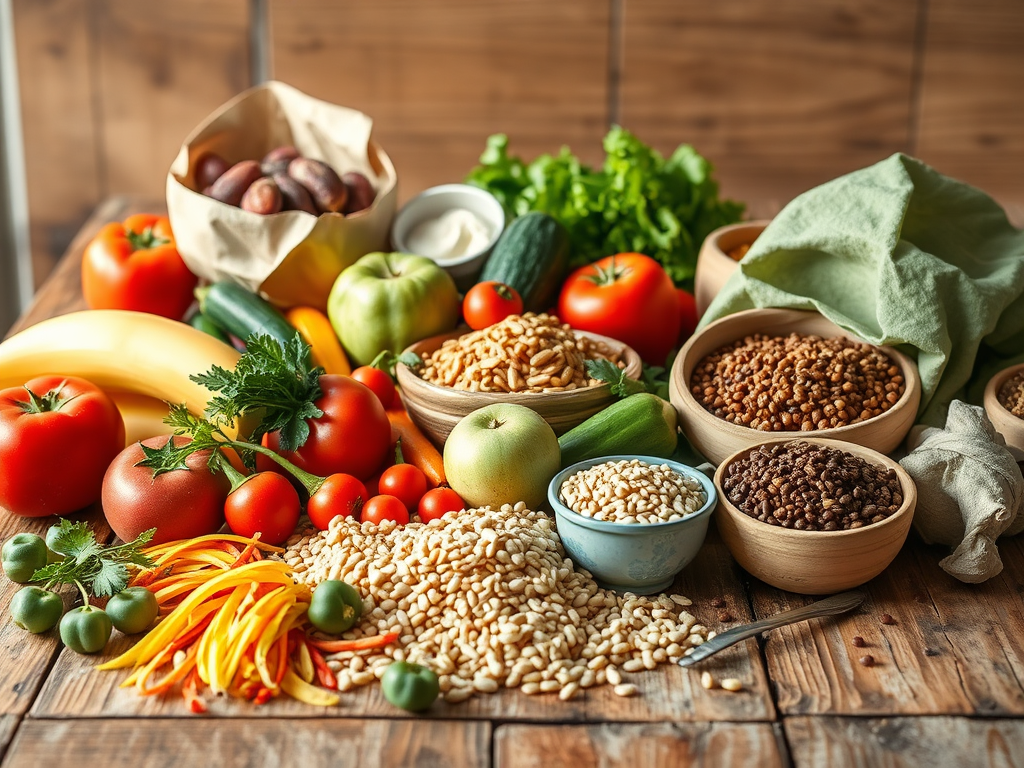


Can you eat nutritious meals without spending a lot? Many Americans think healthy food is only for the wealthy. But what if you could eat well without breaking the bank?
Wesley McWhorter, DrPh, a chef and dietitian, says you can eat healthy affordably. Most cheap, healthy foods cost less than $1 per serving. This shows that eating well on a budget is possible for all.
Even when money is tight, you don’t have to sacrifice nutrition. Affordable nutrition is about making smart choices and shopping wisely. This guide will show you 10 key foods to help you eat healthy without spending a lot.
Key Takeaways
- Healthy eating can be affordable for everyone
- Budget-friendly foods can cost less than $1 per serving
- Nutrition doesn’t require expensive specialty products
- Strategic food selection saves money and supports health
- Whole foods offer better nutrition than processed alternatives
Why Nutritious Food Doesn’t Have to Break the Bank

Eating healthy on a budget is possible. Many think it costs a lot, but it doesn’t. Learning about food economics can change how you save and eat.
The Hidden Costs of Processed Foods
Processed foods might seem cheap, but they’re expensive in the long run. They often lack nutrients, making you hungry and unsatisfied. The true cost affects your health and wallet.
- Processed foods can lead to increased medical expenses
- Nutrient-poor meals create more frequent hunger
- Long-term health risks outweigh short-term savings
Smart Shopping Strategies for Maximum Savings
Finding cheap, nutritious foods is easier than you think. Smart shopping can cut your grocery bill while keeping your diet healthy.
- Compare the price-per-unit for better deals
- Buy generic brands with identical ingredients
- Purchase staple items in bulk
- Plan meals around weekly sales
Your savings start with knowing nutrition doesn’t need high prices. By choosing wisely, you can make tasty, healthy meals without spending a lot.
Trying to eat healthy on a budget? Don’t skip these 10 foods

Eating well doesn’t have to empty your wallet. By choosing affordable, healthy foods, you can nourish your body without spending too much. The key is to pick foods that are both cheap and full of nutrients.
Changing how you shop for groceries can change your diet and save money. These foods are nutritional powerhouses that offer great value. They give you essential nutrients without costing a lot.
- Maximize nutrition while minimizing spending
- Choose versatile, nutrient-dense ingredients
- Prioritize foods with long shelf life
When picking affordable foods, look for these important qualities:
- Affordability: Cost-effective per serving
- Nutritional density: High nutrient content
- Versatility: Multiple recipe options
- Shelf stability: Long-lasting storage
These aren’t fancy superfoods or trendy health items. They’re common foods found in regular stores that boost your nutrition while saving money. Adding these foods to your meals helps you eat well and stay within your budget.
“Eating well doesn’t have to be expensive—it just requires smart choices.”
Ready to find the top 10 budget-friendly foods? Let’s see how you can improve your diet without spending more.
Pantry Powerhouses: Dried Beans and Lentils

Dried beans and lentils are top picks for budget-friendly foods. They are full of nutrients and won’t empty your wallet. These legumes are a great way to improve your diet without spending a lot.
Nutritional Benefits of Legumes
Lentils and dried beans are nutritional powerhouses. They offer a lot of health benefits. A cup of them has about 15 grams of plant-based protein, which is great for those looking to save money on meat.
These budget-friendly legumes are packed with essential nutrients. They are high in fiber for better digestion. They also have folate, iron, and potassium. Plus, they help with heart health and blood sugar control.
Cost-Effective Protein Alternatives
Dried beans are much cheaper than canned beans. You can make a serving for under 50 cents. This is a big savings compared to expensive protein sources.
Each type of bean has its own nutritional benefits. Black beans are full of antioxidants. Chickpeas are great for protein and fiber. Kidney beans are rich in minerals. Red lentils are quick to cook and versatile.
Proper Storage for Extended Shelf Life
Storing dried beans right can make them last forever. Keep them in airtight containers in a cool, dry place. This helps keep their nutritional value high.
Pro tip: Buy in bulk when they’re on sale. This way, you save even more on these budget superfoods.
“Beans are nature’s affordable nutrition powerhouse” – Nutrition Experts
Whole Grains That Stretch Your Dollar

Want to eat healthy without spending a lot? Whole grains are the answer. Oats are a top choice for their nutritional value and affordability.
Oats are a great choice for those watching their budget. A half-cup of dried oats costs under 10 cents. Buying big containers of plain oats saves you money compared to flavored ones.
- Nutrient-dense: Packed with essential vitamins and minerals
- Heart-healthy: Helps lower LDL cholesterol
- Versatile: Use in breakfast, snacks, and main dishes
Brown rice is another affordable whole grain. It has 4 grams of fiber per cup and is full of nutrients like:
- B vitamins
- Magnesium
- Selenium
- Phosphorus
Storing whole grains properly can save you money. Store oats and other grains in airtight containers to keep them fresh for months. Freezing cooked grains is a great way to use them up and avoid waste.
Whole grains are an investment in your health and your budget.
Don’t just eat oats for breakfast. Use them in energy balls, as a casserole binder, or in grain bowls. This adds nutrition and saves money on your food budget.
Frozen Produce: The Budget-Friendly Nutrition Solution
Think again about frozen vegetables. They’re about to revolutionize your healthy eating and shopping habits. Frozen veggies are a mix of convenience, nutrition, and affordability that can change your meal planning.

Nutritionists have always praised frozen vegetables. They debunk the myth that these foods are less healthy than fresh ones. The key is in how they’re preserved.
Why Frozen Vegetables Match Fresh Quality
Frozen veggies are picked at the peak of ripeness and flash-frozen right away. This method keeps more nutrients than fresh produce that travels far and sits in stores.
- Frozen peas are full of fiber and vitamin C
- Frozen broccoli boosts your immune system
- Spinach contains vitamins K, folate, and iron
Reducing Food Waste with Frozen Options
Frozen vegetables are great for cutting down on food waste. They help you save money by avoiding spoiled produce. Plus, you can use just what you need.
“Frozen vegetables are a game-changer for budget-conscious, health-aware consumers.” – Nutrition Expert
Choosing frozen veggies means saving money and getting a healthy, convenient meal. Fill your freezer with these affordable, nutritious options. Enjoy meals that are tasty and good for you.
Affordable Fresh Vegetables You Should Always Buy

Eating healthy doesn’t have to cost a lot. Some veggies are packed with nutrients and are easy on the wallet. You can fill your cart with healthy options without spending too much.
Cabbage is a great choice for those watching their budget. It’s full of nutrients and is very affordable. One big cabbage can make up to 15 servings, making it a smart buy for saving money.
- Cabbage contains high levels of fiber
- Rich in vitamins C and K
- Packed with antioxidants like myricetin
Sweet potatoes are also a smart pick. They’re nutritious and won’t empty your wallet. A 5-pound bag costs less than $5 and is full of beta-carotene and potassium.
“Eating healthy doesn’t have to be expensive – it’s about making smart choices” – Nutrition Expert
Here are some tips for buying veggies:
- Buy seasonal produce
- Purchase from local farmers markets
- Look for sales on bulk vegetables
Apples are also a good choice, even though they’re not veggies. They’re affordable and nutritious. By choosing veggies like cabbage and sweet potatoes, you can make tasty, healthy meals without spending a lot.
Protein-Packed Foods for Less
Eating protein-rich foods doesn’t have to be expensive. Smart shoppers find ways to get great nutrition without spending a lot. Let’s look at some affordable protein sources that are both filling and healthy.

Protein is key to muscle health, metabolism, and overall well-being. The good news is that you can find affordable options that are packed with nutrients.
Eggs: Your Nutritional Powerhouse
Eggs are a nutritional superhero for those watching their budget. At less than 20 cents per egg, they offer a lot:
- 6 grams of high-quality protein per large egg
- Rich in omega-3 fatty acids
- Excellent source of vitamin D and B vitamins
- Contains antioxidants like lutein and zeaxanthin
Canned Fish: Affordable Omega-3 Boost
Canned fish is a great protein option with extra health benefits. Tuna and salmon are lean proteins that are good for your heart:
| Canned Fish Type | Protein per Serving | Average Cost |
|---|---|---|
| Canned Tuna | 20-30 grams | Less than $2 per can |
| Canned Wild Salmon | 20-25 grams | Around $2-$3 per can |
Natural Peanut Butter: Plant-Based Protein Champion
Natural peanut butter is a versatile and affordable protein source. A 2-tablespoon serving gives you:
- Plant-based protein
- Heart-healthy fats
- Vitamin E and B vitamins
- Essential fiber
When picking natural peanut butter, choose options with less than 2 grams of added sugar. Your body and wallet will appreciate it!
Budget-Friendly Cooking Tips to Maximize Your Savings

Turning your kitchen into a cost-effective place is easy. You don’t need to be a pro chef. Just use smart cooking tips to save money and enjoy tasty, healthy meals.
Start by stocking your pantry with key ingredients. Choose items that make simple dishes better:
- Olive oil (use a spray bottle to control portions)
- Vinegar for homemade dressings
- Dried spices like garlic powder, cumin, and paprika
- Dried herbs, including oregano, thyme, and rosemary
Batch cooking is a big help for saving money. Make lots of meals and freeze them. This way, you always have something quick and healthy to eat.
Smart cooking is about maximizing ingredients and minimizing waste.
Here are some tips to save money while cooking:
- Check what you have before you shop
- Buy nonperishable items in bulk
- Choose seasonal produce
- Freeze fruits and vegetables like strawberries and onions
| Cooking Strategy | Cost Savings | Time Investment |
|---|---|---|
| Batch Cooking | High | Medium |
| Bulk Purchasing | High | Low |
| Homemade Dressings | Medium | Low |
Meal prepping doesn’t have to be hard. Start with something simple, like a big soup batch on weekends. Use it all week. With time, you’ll get better at cooking efficiently, saving money and time.
Conclusion
Eating healthy doesn’t have to cost a lot. We’ve shown how easy it can be with the right approach to grocery shopping. By choosing affordable foods like dried beans, whole grains, and frozen produce, you can eat well without spending a lot.
Small changes can lead to big improvements. Try adding some budget-friendly foods to your meals each week. Buying in bulk, opting for generic brands, and cooking at home can save money. Plus, it’s good for your health and wallet.
If you’re struggling to get food, help is available. The USA.gov/food-help website has info on programs that help people get healthy meals. Every step you take towards better eating is a step towards taking care of yourself.
Your journey to eating well without breaking the bank begins today. With some planning, creativity, and the right info, you can make smart food choices. These choices will improve your health and save money.

 trim down and shape up
Leave a comment