


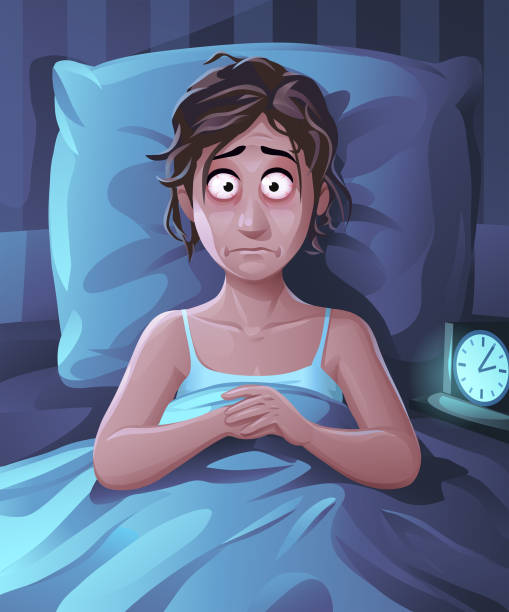
Did you know 35% of American adults don’t get enough sleep? This shocking fact from the Centers for Disease Control and Prevention shows a big health problem. It could be quietly affecting your health for a long time.
Sleep is not just a luxury; it’s essential for your body. It helps your body fix, grow back, and fight off health dangers. If you don’t get enough sleep, you might face serious health issues that can change your life.
Studies show that not getting enough sleep can lead to many diseases. This includes heart problems and mental health issues. Not getting enough sleep can make you feel tired all day. Knowing these risks can help you make sleep a priority and keep your health safe.
Key Takeaways
- Sleep deprivation affects more than 1/3 of American adults
- Chronic lack of sleep can trigger serious health conditions
- Quality sleep is crucial for physical and mental restoration
- Different age groups have varying sleep requirements
- Preventive measures can mitigate sleep-related health risks
Understanding the Critical Role of Sleep in Your Health

Sleep is more than just closing your eyes at night. It’s a vital process that affects your health and helps prevent diseases. Your body needs sleep to heal, repair, and keep your mind sharp.
While you sleep, your body does amazing things to keep you healthy. Sleep helps your immune system and fights off diseases.
Why Your Body Needs Adequate Rest
Your body needs sleep for important reasons:
- It makes cytokines to fight infections
- It controls stress hormones
- It keeps your immune system strong
- It helps you remember and learn
The Science Behind Sleep and Disease Prevention
Research shows that sleep is active in preventing disease. Your immune system makes cytokines during sleep. These proteins fight inflammation and protect you from health threats.
Good sleep gives your body a strong defense against disease. Not enough sleep can weaken your body and make you more likely to get sick.
“Sleep is not merely a time of rest, but a critical biological function that maintains and repairs your body’s systems.”
Knowing how sleep fights disease helps you value your sleep. It’s a key part of staying healthy.
Signs You’re Not Getting Enough Sleep

Sleep deprivation can sneak up on you quietly. You might be able to function, but there are real signs of sleep deprivation that you should pay attention to before they become serious health issues.
Recognizing the warning signs of insufficient sleep is crucial for your overall health. Constant fatigue that doesn’t disappear even after resting is one of the most prominent indicators that your body is crying out for more sleep.
- Persistent cravings for sugar or caffeine
- Trouble focusing on tasks
- Increased irritability
- Unintentional falling asleep during the day
Your body sends clear signals when you’re not getting enough rest. These signs go beyond simple tiredness and can significantly impact your daily performance and mental well-being.
| Sleep Deprivation Symptom | Potential Impact |
|---|---|
| Sugar/Caffeine Cravings | Desperate attempt to boost energy levels |
| Mental Fog | Reduced cognitive function and decision-making |
| Falling Asleep Unintentionally | Increased risk of accidents (3x higher) |
If you’re experiencing these symptoms, it’s time to prioritize your sleep. Ignoring these warning signs can lead to more serious health complications down the road.
Heart Disease and High Blood Pressure

Your sleep habits are key to a healthy heart. Sleep and heart health are closely linked. Not enough sleep raises your risk of heart disease and high blood pressure.
How Sleep Deprivation Affects Your Cardiovascular System
Less than 5 to 6 hours of sleep each night is tough on your body. It messes with stress hormones. This affects your heart in many bad ways:
- Increased blood pressure
- Elevated heart rate
- Chronic inflammation
- Higher stress hormone levels
This strain on your heart can lead to heart attacks and stroke. Your body needs enough sleep to keep hormones and the heart in balance.
The Link Between Sleep and Heart Attacks
Studies link sleep loss to higher risks of heart problems. Too little or too much sleep is bad for your heart. Doctors say it’s because of sleep loss:
- Disrupts brain areas that control blood flow
- Triggers inflammation
- Makes blood clots more likely
Getting 7-8 hours of sleep each night is best for heart health. Quality sleep lowers heart disease risk and boosts heart wellness.
Obesity and Metabolic Syndrome

Your sleep habits are key to managing weight and avoiding metabolic syndrome. Lack of sleep starts a hormonal change that affects weight and metabolism.
Sleep loss changes your hormones, making it hard to control weight. Two important hormones are affected:
- Cortisol: The stress hormone goes up with poor sleep, leading to eating more and making bad food choices
- Ghrelin: This hunger hormone increases with sleep loss, making you feel very hungry
Studies show a strong link between sleep and weight. A big study of over 21,000 adults found that those sleeping less than 5 hours a night were more likely to be obese. People sleeping 7-8 hours a night had better metabolic health.
Metabolic syndrome includes several health risks, such as:
- High blood pressure
- High blood sugar levels
- Too much belly fat
- Bad cholesterol levels
Your metabolism drops when you don’t get enough sleep. Less sleep means less activity, eating more calories, and wanting high-carb and sugary foods.
Prioritizing sleep is not just about rest—it’s a critical strategy for maintaining a healthy weight and preventing metabolic complications.
Type 2 Diabetes

Sleep is key to managing your metabolic health, like with type 2 diabetes. Your body’s glucose processing and insulin production depend on good sleep. Getting enough rest each night is crucial.
Sleep’s Impact on Insulin Production
Your insulin levels can change with your sleep patterns. Not enough sleep makes it hard for your body to control blood sugar. Studies show sleep’s role in insulin function:
- Less than 5 hours of sleep can disrupt insulin production
- Chronic sleep deprivation increases type 2 diabetes risk
- Consistent sleep helps maintain healthy glucose processing
How Insufficient Rest Disrupts Glucose Processing
Not getting enough sleep affects how your body handles glucose. Without enough rest, your cells don’t respond well to insulin. This can lead to blood sugar issues. Experts say you need 7 to 8 hours of sleep for good metabolic health.
Sleep is not a luxury—it’s a critical component of your metabolic wellness.
The link between sleep and type 2 diabetes is clear. Your body needs quality, consistent sleep for insulin and glucose processing. Making sleep a priority is vital for preventing metabolic disorders.
Weakened Immune System and More Infections

Your immune system works best when you sleep enough. Not getting enough sleep weakens your body’s defenses. This makes you more likely to catch colds and flu.
While you sleep, your body makes important proteins called cytokines. These proteins help fight off infections. Without enough sleep, your immune system can’t fight off viruses as well.
- Reduced antibody production
- Decreased immune cell effectiveness
- Increased susceptibility to infections
- Slower recovery from illness
Studies show a clear link between sleep and immune health. People who sleep less than 7 hours are three times more likely to get sick than those who sleep well.
| Sleep Duration | Infection Risk | Immune Response |
|---|---|---|
| Less than 6 hours | High | Significantly Reduced |
| 7-9 hours | Low | Optimal |
Getting quality sleep is key to a strong immune system. Your body needs enough rest to make antibodies and fight off threats.
Depression, Anxiety, and Mood Disorders
Sleep is key to your mental health, linking deeply with your emotional state. Your brain’s balance can shift with sleep patterns, leading to mood issues.

The Intricate Link Between Sleep and Mental Wellness
Not getting enough sleep can hurt your mental health, creating a cycle of depression and anxiety. Those with sleep problems often feel:
- More irritable
- Less motivated
- More stressed
- Less able to control their emotions
Melatonin’s Role in Mood Regulation
Melatonin is vital for sleep and mental health. Low melatonin levels are linked to depression and sleep issues, showing how sleep affects your mind.
People with anxiety and mood problems often have melatonin issues. This can:
- Make it hard to sleep naturally
- Make them less resilient to stress
- Worsen depression symptoms
- Make them less emotionally stable
Knowing this connection helps you see sleep as essential for mental health.
10 Diseases You Can Get From Not Getting Enough Sleep

Sleep is not just a luxury—it’s essential for your health. Not getting enough sleep can lead to serious health problems. These problems can greatly affect your life and health in the long run.
Knowing the diseases linked to not enough sleep can help you value sleep more. Here are the top 10 diseases you might get from poor sleep:
- Heart Disease and High Blood Pressure
- Obesity and Metabolic Syndrome
- Type 2 Diabetes
- Weakened Immune System
- Depression and Anxiety Disorders
- Dementia and Cognitive Decline
- Hormonal Imbalances
- Chronic Inflammation
- Increased Risk of Certain Cancers
- Early Death
Chronic inflammation is a big risk from not sleeping enough. Your body’s inflammation can keep going, harming your cells and making you more likely to get sick.
Research shows a strong link between not enough sleep and cancer risks. People who don’t sleep well are more likely to get breast, colorectal, and prostate cancers.
The most worrying thing is the link between sleep deprivation and early death. Studies show that people who sleep less than 7 hours a night are at a higher risk of dying than those who sleep well.
“Sleep is not a passive state, but an active process crucial for maintaining optimal health and preventing serious diseases.”
Choosing to prioritize sleep could save your life. Try to get 7-9 hours of quality sleep each night to avoid these health risks.
Dementia and Cognitive Decline Including Alzheimer’s Disease

Sleep is key to keeping your brain healthy. Not getting enough sleep can raise your risk of brain problems. This includes dementia and Alzheimer’s disease.
Your brain needs sleep to stay in top shape. It cleans out bad stuff and keeps memories sharp. These are vital for your brain to work well.
Understanding Memory Loss and Brain Function
Not sleeping enough can hurt your brain a lot. Research shows that not getting enough rest can cause big problems:
- Decreased ability to form new memories
- Reduced problem-solving skills
- Impaired emotional regulation
- Slower cognitive processing
Even one week of poor sleep can harm your brain a lot. People in sleep studies had lasting thinking and memory issues. They struggled even after trying to rest more.
Keeping your brain healthy means getting enough sleep. Your brain needs rest to fix itself and stay sharp. This is important for your brain’s performance all your life.
Hormonal Imbalances
Sleep is key to keeping your body’s hormones in balance. Not getting enough sleep can hurt your reproductive hormones. This can affect your fertility and libido.
Studies show sleep loss and hormonal problems are linked:
- Testosterone levels can drop dramatically with insufficient sleep
- Reproductive hormone production becomes disrupted
- Fertility potential may decrease
A small study found that sleeping 5 or fewer hours a night can lower sex hormone levels by 10% to 15%. This drop happens fast, in just one week of bad sleep.
“Sleep is not just rest, it’s a critical mechanism for hormonal regulation.”
Women with sleep disorders like sleep apnea or insomnia are at risk for sexual problems. The brain area that controls your sleep also controls hormone release. This shows a clear link between sleep quality and hormone health.
Your endocrine system needs good sleep to work properly. Protecting your sleep is more than just feeling rested. It’s about keeping your hormones and reproductive health in check.
How Much Sleep Do You Need at Your Age
Knowing how much sleep you need is key to staying healthy. Sleep needs change as you grow. This guide will show you how much sleep you need based on your age.
Sleep needs vary by age. Your age affects how much sleep your body needs to work well.
Sleep Needs for Children and Adolescents
The American Academy of Sleep Medicine has guidelines for sleep by age:
- Infants (4-12 months): 12-16 hours, including naps
- Toddlers (1-2 years): 11-14 hours, including naps
- Preschoolers (3-5 years): 10-13 hours, including naps
- School-age children (6-12 years): 9-12 hours
- Teenagers (13-18 years): 8-10 hours
Optimal Sleep Duration for Adults
Adults need 7 to 9 hours of sleep each night. Sleeping more than 9 to 10 hours can harm your health.
Consistency is key: Try to go to bed and wake up at the same time every day to maintain a healthy sleep pattern.
7 to 8 hours of sleep helps prevent health issues like diabetes and heart disease. Too little or too much sleep can harm your health.
Quality sleep is as important as quantity. A comfortable sleep environment and regular sleep schedules help your body rest well.
Conclusion
Sleep is more than just a nightly routine—it’s key to your health and disease prevention. Knowing the risks of sleep deprivation can motivate you to change your sleep habits. This can protect your physical and mental health.
Preventing disease through sleep is simple. Making small changes in your sleep habits can lower your risk of serious health issues. Your body repairs and regenerates itself during sleep, supporting your immune system and brain.
Your path to better health begins with quality sleep. Aim for 7 to 8 hours of sleep each night. Establish a consistent sleep schedule, relax before bed, and make your sleep space comfortable. These steps can help you avoid the dangers of chronic sleep deprivation and support your health goals.
Remember, sleep is essential for your body’s best performance. By prioritizing sleep, you’re investing in a healthier, more vibrant you. Start tonight by making sleep a non-negotiable part of your wellness plan.



 trim down and shape up
Leave a comment