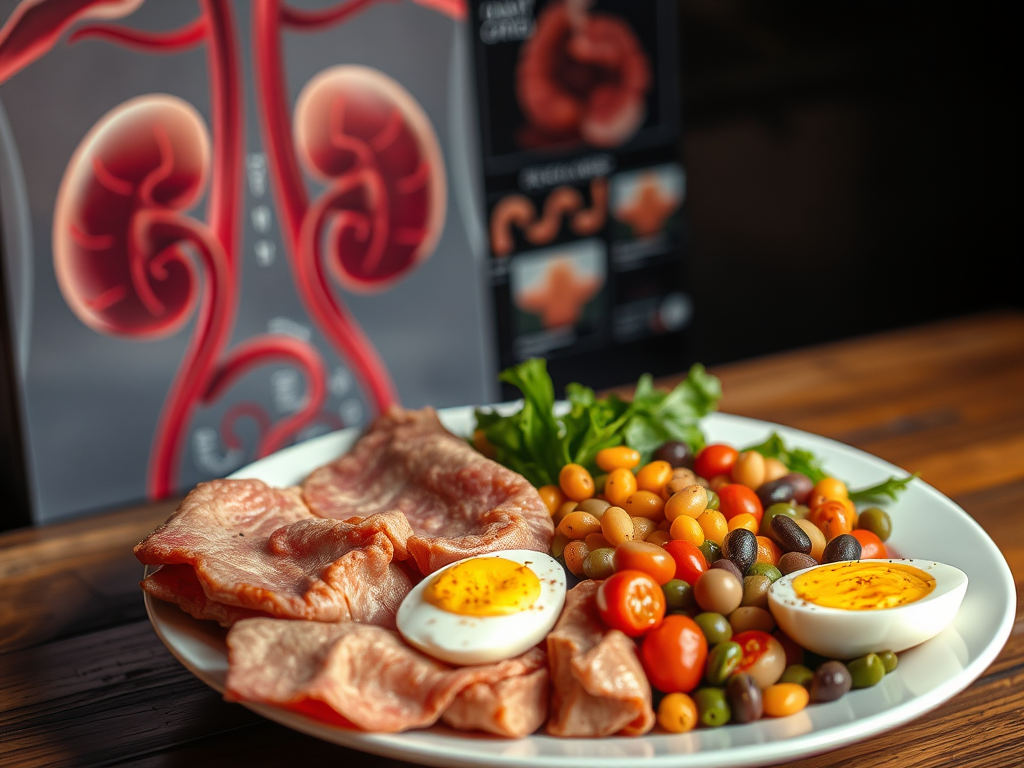


Did you know nearly 40% of American adults eat way too much protein? Protein is good for us, but too much can harm our health. It can cause serious side effects that many people don’t think about.
It’s important to know how much protein we need. Researchers at the University of Missouri found that eating more than 22 percent of daily calories as protein can be risky. It’s not always better to eat more protein.
Eating too much protein can hurt your kidneys, digestive system, and metabolism. Our bodies need the right mix of nutrients, and too much protein can mess with that balance.
Key Takeaways
- Excessive protein intake can stress your kidney function
- Protein overconsumption might lead to nutrient imbalances
- High-protein diets can cause unexpected digestive issues
- Balanced nutrition is more important than protein quantity
- Consulting healthcare professionals helps determine ideal protein intake
Understanding Protein’s Role in Your Body

Protein is a key part of your body’s health and function. It helps repair tissues, makes enzymes, and supports many body processes.
Why Protein Is Essential for Health
Your body needs protein for many important tasks. It helps with:
- Muscle growth and repair
- Hormone and enzyme production
- Immune system support
- Transportation of nutrients
- Maintaining healthy skin, hair, and nails
Protein is made of amino acids, which your body can’t make on its own. These amino acids are vital for life and keeping you healthy.
The Current Recommended Dietary Allowance for Protein
Knowing how much protein you need is key to good nutrition. The amount depends on your age, weight, and how active you are. Most adults need about 0.8 grams of protein for every kilogram of body weight each day.
You can get enough protein from a variety of foods. These include:
- Lean meats
- Fish
- Eggs
- Dairy products
- Legumes
- Nuts
“Protein is not just about quantity, but quality and balanced intake,” say nutrition experts.
Most people need 60-90 grams of protein each day. This means about 20-30 grams per meal. This amount helps your body work right and keeps you from getting too much or too little of certain nutrients.
The Rising Trend of High-Protein Diets

High-protein diets have changed the way we eat in the United States. What started with bodybuilders has become a big part of wellness culture worldwide.
Diets like keto and low-carb high-protein have changed our views on food. The protein supplements industry has grown, offering products for muscle growth, weight loss, and better performance.
- The keto diet popularized protein-rich food consumption
- Bodybuilding protein intake influenced mainstream dietary choices
- Protein-enriched products emerged across multiple food categories
Now, you can find protein-enhanced foods everywhere:
- Protein waters
- Protein coffee
- Protein chips
- Protein cereals
The message is clear: more protein equals better health. Athletes, fitness fans, and health seekers have bought into this idea. This has led to a big increase in protein products and diets.
“Protein is no longer just a supplement—it’s a lifestyle choice.”
More protein can help some groups, like athletes or older people. But experts warn against too much. It’s important to know how much protein is right for you to stay healthy.
Too Much Protein Can Be Harmful: Here Are 6 Serious Side Effects
Protein is key to your health, but too much can cause serious problems. Knowing these risks helps you eat right and stay healthy.

Protein is important for muscles and body functions. But eating too much can lead to health issues that many ignore.
Extra Stress on the Kidneys
Your kidneys work hard with too much protein. They have to filter more waste, which can harm them. This is bad for people with kidney problems.
Digestive Discomfort and Gastrointestinal Issues
High-protein diets can upset your stomach. You might feel:
- Constipation
- Bloating
- Stomach pain
- Nausea
Missing Out on Other Essential Nutrients
Too much protein means you might miss important nutrients. Your diet could lack:
- Fiber
- B vitamins
- Antioxidant-rich fruits and vegetables
- Healthy carbohydrates
Possible Heart Health Concerns
Some protein sources, like red and processed meats, can harm your heart. They have saturated fats that are bad for your heart.
Higher Risk of Kidney Stones
Eating too much protein can increase kidney stone risk. It makes your urine more acidic and changes its pH.
Disorders of Bone and Calcium Homeostasis
Too much protein makes your body acidic. Your bones release calcium to balance this, leading to calcium loss from high protein and a higher fracture risk.
How Excessive Protein Affects Your Kidneys and Urinary System

Your kidneys are key in processing protein and getting rid of waste. Too much protein puts extra stress on them, leading to health problems. The way kidneys handle protein is complex and important.
When kidneys break down amino acids, they filter out waste products. Healthy kidneys do this well. But eating too much protein can cause issues:
- Increased waste filtration demands
- Potential renal function decline
- Higher risk of hyperuricosuria
- Elevated uric acid levels
Studies show that eating a lot of protein, mainly from animals, can harm kidney function. People with kidney problems face even greater risks. The link between kidney disease and protein is clear and serious.
Protein breakdown creates substances like urea and ammonia. Your kidneys must filter and remove these. High protein intake can make kidneys work too hard, leading to faster waste removal.
Consistent high protein consumption may accelerate renal function decline, particular in individuals with mild kidney insufficiency.
Knowing how protein affects your kidneys helps you make better food choices. This protects your kidney health and keeps your metabolism working well.
The Connection Between High Protein Intake and Cardiovascular Disease

Research shows a link between protein and heart health that’s surprising. It turns out that how much protein you eat might affect your heart health. This is true, even for heart attack risk.
Studies have found a key link between protein and heart health. Researchers at the University of Missouri found a special link between leucine and macrophage activity. This could affect your heart’s health.
How Leucine Triggers Macrophage Cell Activity
Leucine, found in animal proteins, is important for macrophage cells. These cells help clean blood vessels. But too much leucine can mess with their work.
- Leucine triggers specific signaling pathways in macrophage cells
- Overactive macrophage activity can lead to potential heart health concerns
- Animal proteins high in leucine may contribute to cardiovascular disease risks
Atherosclerosis and Plaque Buildup in Blood Vessels
High-protein diets can lead to atherosclerosis, a condition where plaque builds up in blood vessels. This happens because of how the macrophage activity protein works.
Consuming more than 22% of daily calories from protein may increase cardiovascular disease risks.
| Protein Source | Leucine Content | Cardiovascular Risk |
|---|---|---|
| Red Meat | High | Elevated |
| Eggs | Moderate | Moderate |
| Plant Proteins | Low | Lower |
Knowing about these connections can help you make better food choices. By eating the right amount of protein and choosing different sources, you can lower your risk of heart disease.
Overuse of Protein Bars and Powders
Protein supplements have become very popular lately. People who work out and those who care about their health love them. But these quick fixes can hide some serious health risks.

Using too many protein bars and powders can mess with your stomach. They often have ingredients that can cause health problems.
Hidden Ingredients in Protein Supplements
Most protein powders have more than just protein. They also have:
- Artificial sweeteners
- Preservatives
- Thickening agents
- Emulsifiers
“Not all protein supplements are created equal. What looks healthy might be hiding serious digestive challenges.” – Nutrition Experts
Sugar Alcohols and Digestive Side Effects
Sugar alcohols are a big problem for many. They can cause serious stomach issues.
| Sugar Alcohol | Potential Digestive Impact |
|---|---|
| Maltitol | Severe bloating |
| Sorbitol | Potential diarrhea |
| Erythritol | Gas and stomach discomfort |
Whey protein can make these problems worse. Your body has a hard time digesting these fake sugars. This leads to bad stomach feelings.
Protein bars can also harm you in the long run. Relying too much on them can mess up how your body absorbs nutrients. This can hurt your health in big ways.
How Much Protein Is Enough?

Knowing how much protein you need is key to staying healthy and reaching your fitness goals. The recommended daily amount is a good starting point. But your personal needs can change based on many factors.
For most adults, the standard protein intake guidelines suggest:
- 0.8 grams of protein per kilogram of body weight daily
- 20-30 grams of protein per meal
- 60-90 grams of total protein per day
Your protein needs can change with age and how active you are. Athletes, older adults, and those with specific health goals might need more protein for muscle building and maintenance.
When figuring out your optimal protein intake, think about these situations where you might need to adjust:
- Muscle Building: If you’re doing a lot of resistance training
- Wound Healing: Helping with recovery and tissue repair
- Age-Related Muscle Loss: Keeping muscle mass as you age
- High-Intensity Exercise: Supporting your body’s increased demands
Studies show that eating more than 22% of your daily calories from protein might not be good. Most people don’t need to go beyond the usual protein intake.
Moderation is key when it comes to protein intake – more isn’t always better for your health.
It’s a good idea to talk to a nutritionist or healthcare professional. They can help tailor your protein intake to meet your specific needs.
Everything in Moderation: Finding Your Protein Balance

Nutrition is a delicate dance of balance, and protein intake is no exception. Understanding protein balance means recognizing that everything in moderation is key to maintaining optimal health. Your body requires a nuanced approach to protein consumption that goes beyond simple quantity.
Protein recommendations aren’t one-size-fits-all. Your individual needs depend on multiple factors, including:
- Age and life stage
- Activity level
- Overall health status
- Specific medical conditions
Tailoring Protein Intake for Special Health Conditions
If you have kidney disease, heart conditions, or digestive issues, it’s important to tailor protein intake. Personalized protein recommendations can help you navigate potential health challenges safely.
Different health conditions require specific protein approaches:
- Kidney disease may require a lower protein intake
- Heart conditions benefit from plant-based protein sources
- Digestive disorders might need carefully selected protein types
The Importance of Professional Guidance
A dietitian’s protein advice can be invaluable in creating a balanced nutrition plan. A registered dietitian can help you develop personalized protein recommendations that align with your unique health profile and nutritional goals.
“A normal functioning body can manage protein intake, but focusing solely on protein might mean missing essential nutrients.” – Leah Groppo, Clinical Dietitian
Remember, optimal nutrition is about creating a balanced plate that provides all necessary nutrients, not just maximizing protein consumption.
Conclusion
Knowing how much protein to eat is key to a balanced diet. Your protein journey is more than just following the latest trends. It’s about choosing the right amount based on science.
It’s not about cutting out protein entirely. It’s about finding the right balance for your body. Studies show that sticking to recommended protein levels is good for your kidneys, heart, and overall health.
Your protein plan should be personal and smart. While most people need about 0.8 g/kg of body weight daily, your needs might be different. Talking to a dietitian or doctor can help you create a plan that fits your health goals.
Health comes from a balanced diet, not just protein. By making smart choices and listening to your body, you can stay healthy. Avoiding extreme diets and marketing tricks is important for a balanced life.

 trim down and shape up
Leave a comment