


Are you ready to make the biggest muscle in your body stronger and more defined? Your gluteus maximus is key to strength, preventing injuries, and boosting overall power.
The three glute muscles in your butt are vital, not just for looks. They support your body’s most important movements. Whether you’re a pro athlete or a weekend warrior, a smart glute training plan can help.
This guide will show you how to get the most out of your glutes. You’ll learn about targeted resistance training, proven techniques, and a workout plan for muscle growth and strength.
Key Takeaways
- Discover why the gluteus maximus is crucial for overall body performance
- Learn targeted techniques to activate and develop all three glute muscles
- Understand the science behind effective glute training
- Explore a comprehensive workout strategy for optimal muscle development
- Gain insights into preventing injuries through proper glute conditioning
Understanding Your Glute Muscles and Their Growth Potential
Your glute muscles are more than just a pretty sight. They are a powerhouse of strength and movement. The gluteal muscle group has three distinct muscles. These muscles play key roles in your body’s biomechanics and physical performance.
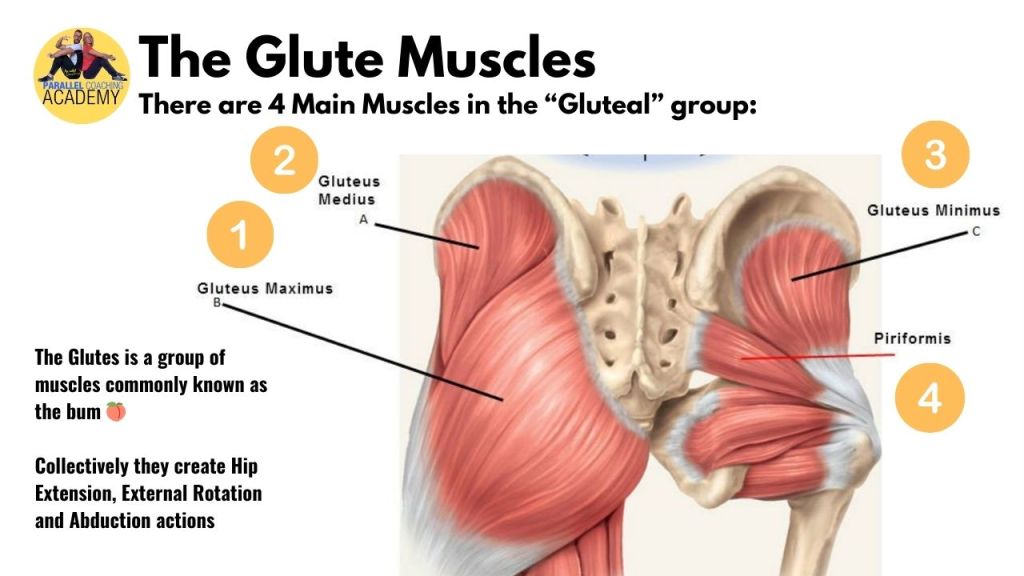
Let’s explore the amazing world of glute muscles and their growth potential. Knowing their anatomy and capabilities helps you create better training plans.
The Anatomy of Three Glute Muscles
Your glute muscles have three main parts:
- Gluteus Maximus: The largest muscle that shapes your buttocks and gives you power
- Gluteus Medius: Important for hip stability and side movement
- Gluteus Minimus: The deepest muscle that supports hip rotation
Why Your Glutes Can Handle High Training Volume
The glute muscles are built to handle tough training. Their size, muscle fiber, and recovery ability make them strong against frequent, hard workouts.
| Muscle | Primary Function | Training Capacity |
|---|---|---|
| Gluteus Maximus | Hip Extension | High Volume Tolerance |
| Gluteus Medius | Hip Stabilization | Moderate Volume Capacity |
| Gluteus Minimus | Hip Rotation | Moderate Volume Capacity |
The Science Behind 36 Sets Per Week for Maximum Growth
Studies show that muscle growth comes from the right training volume. For glute muscles, about 36 sets a week, split over three sessions, can lead to significant growth. This method challenges the muscles enough while allowing for enough rest.
By knowing your glute muscles’ anatomy and growth potential, you can create a workout plan that boosts muscle development and performance.
Give the Biggest Muscle in Your Body, Your Glutes, the Workout It Deserves
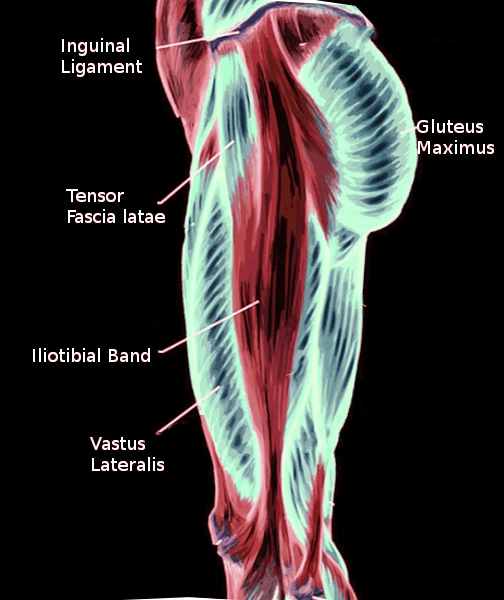
Your glutes are the powerhouse behind every dynamic movement you make. They are the biggest muscles in your body. They deserve more than just a passing moment in your fitness routine.
Targeted training of these muscles goes far beyond aesthetic goals. It’s about unlocking your body’s full potential.
Muscle development in the glutes isn’t just about looking good. These muscles play a critical role in:
- Stabilizing your pelvis
- Improving athletic performance
- Preventing lower back pain
- Enhancing overall body strength
A strategic glute workout can transform how you move, perform, and feel. When you engage in purposeful glute training, you’re investing in more than muscle. You’re building a foundation for functional fitness that supports every physical activity.
Strong glutes are the secret weapon to unlocking your body’s true athletic potential.
By dedicating focused attention to this powerful muscle group, you’ll experience improvements in posture. You’ll reduce injury risks and create a more balanced, powerful physique. Your glutes are ready – are you prepared to give them the workout they truly deserve?
The Strategic 36-Set Weekly Training Plan for Rounder Glutes
To get rounder glutes, you need a smart weekly workout. This plan has 36 sets, divided into three sessions. It targets all glute muscles for the best results.

Your workout strategy will focus on specific movements. These movements challenge and grow your muscles well.
Session One: Horizontal Movement Patterns for Gluteus Maximus
Horizontal movements are key for the gluteus maximus. This session uses exercises that work the hip extension in a horizontal plane.
- Hip thrusts: 4 sets of 8-12 reps
- Cable pull-throughs: 4 sets of 12-15 reps
- Romanian deadlifts: 4 sets of 8-10 reps
Session Two: Abduction Exercises for Medius and Minimus Activation
The second session targets the smaller glute muscles. It uses abduction exercises to shape and activate them.
- Lateral band walks: 3 sets of 15-20 steps
- Seated hip abduction machine: 3 sets of 12-15 reps
- Standing cable hip abductions: 3 sets of 12-15 reps per side
Session Three: Vertical Hip Extension Movements for Complete Development
The final session focuses on vertical hip extension. It ensures full glute muscle development through various movements.
- Back squats: 4 sets of 8-10 reps
- Walking lunges: 4 sets of 12-15 steps
- Step-ups: 4 sets of 10-12 reps per leg
Pro tip: Always start with a dynamic warm-up and end with static stretching. This helps with muscle recovery and injury prevention.
Essential Compound Exercises for Building Your Best Booty
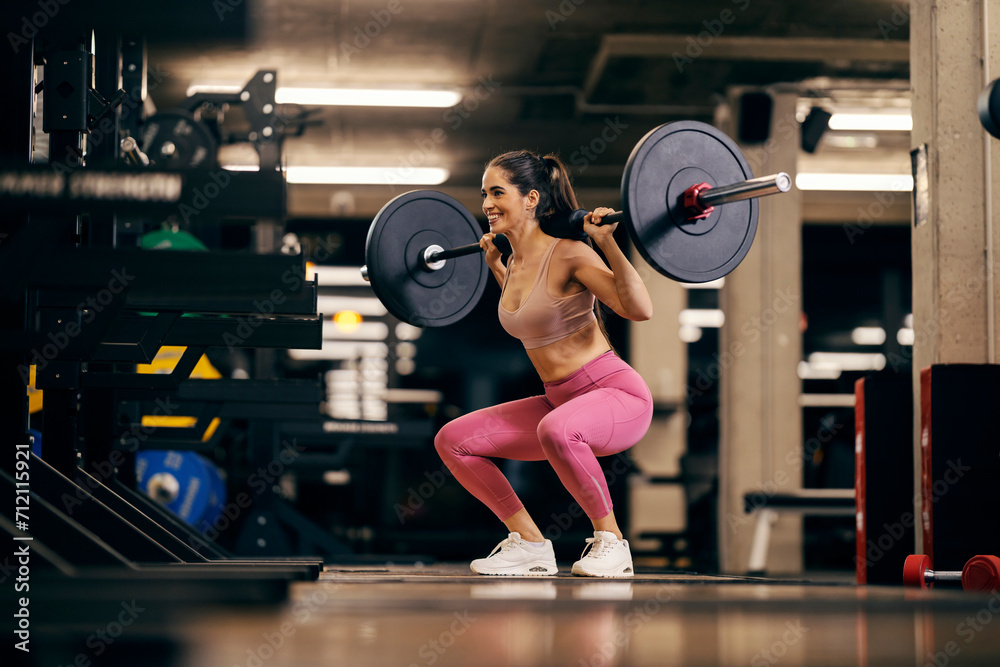
To build strong glutes, you need compound exercises. These exercises work on many muscles at once. They help strengthen your glutes and other muscles in your lower body.
Here are the top exercises for a better booty:
- Back Squats: The king of lower body movements
- Bulgarian Split Squats: Unilateral power developer
- Romanian Deadlifts: Posterior chain emphasizer
- Smith Machine Reverse Lunges: Stability-focused glute activator
Back squats are key for a strong lower body. They work your glutes, core, and quads. To do them right, stand wide, keep your chest up, and go down until your thighs are almost parallel to the ground.
“Form always trumps weight when building muscle” – Fitness Experts
Bulgarian split squats are great for your glutes. They’re a single-leg exercise that builds strength and fixes muscle imbalances. Stand with your back foot up and keep your body straight to really work your glutes and improve balance.
| Exercise | Primary Muscle Groups | Key Benefits |
|---|---|---|
| Back Squats | Glutes, Quadriceps, Core | Overall Lower Body Strength |
| Bulgarian Split Squats | Glutes, Quadriceps, Stabilizers | Unilateral Development |
| Romanian Deadlifts | Hamstrings, Glutes, Lower Back | Posterior Chain Activation |
Romanian deadlifts are a must-have exercise. They focus on the hip hinge and keep your spine straight. This helps build strong hamstrings and glutes. Focus on stretching and contracting during the movement.
Advanced Techniques to Maximize Glute Activation and Growth
To take your glute training to the next level, you need to try new approaches. These advanced techniques can really boost muscle activation and growth. They help target your glutes with more precision and intensity.

Hip Elevation Methods for Increased Range of Motion
Understanding hip elevation techniques is key to maximizing glute activation. Elevating your shoulders during hip thrusts and bridges extends your range of motion. This allows for a deeper stretch and more complete muscle contraction.
- Use stable platforms like benches or step platforms
- Maintain feet flat with knees at 90-degree angles
- Drive through heels while maximally squeezing glutes
Single-Leg Exercise Variations for Balanced Development
Single-leg exercises are vital for spotting and fixing muscle imbalances. These exercises work each side separately, helping to achieve balanced strength and development.
| Exercise | Key Focus | Technique Tip |
|---|---|---|
| Single-Leg Deadlift | Posterior Chain | Maintain core tightness |
| Single-Leg Hip Thrust | Glute Isolation | Slow, controlled descent |
Strategic Foot Placement for Optimal Glute Engagement
Making small changes in foot placement can greatly increase glute activation. Try wider stances and external rotation to focus more on your glute muscles.
- Use wider-than-shoulder-width stance
- Rotate toes slightly outward during exercises
- Focus on back extension machine movements
By using these advanced techniques, you can unlock new levels of glute activation and muscle growth. Remember, it’s the precise execution that counts, not just the weight you lift.
Quick and Effective Glute Building Workout You Can Do at Home
Turn your living room into a glute training zone with this home workout. Bodyweight exercises are great for building strong glutes without needing expensive gear. Your workout will focus on using minimal space and resources to engage and grow muscles.
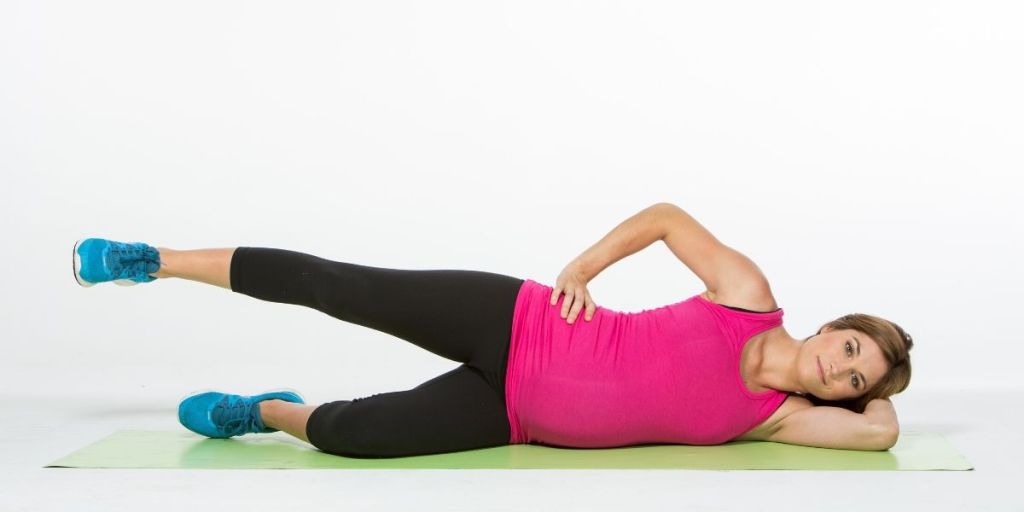
Here are key glute exercises at home to help you sculpt and strengthen your posterior:
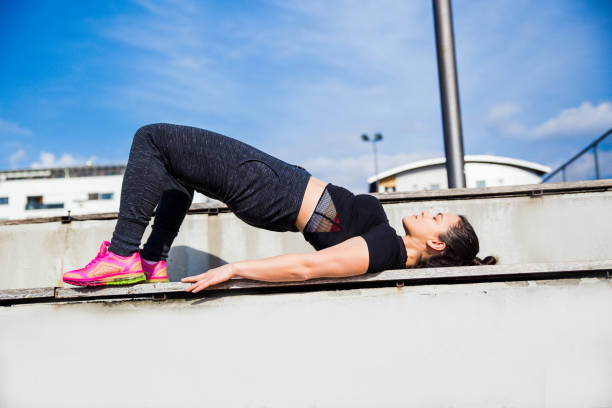
- Bridge exercise: A fundamental movement for glute activation
- Side-lying leg lift: Targets smaller glute muscles
- Bodyweight hip thrusts
- Single-leg Romanian deadlifts
Your home workout routine should include these movements with strategic repetitions and sets. Below is a recommended workout structure:
| Exercise | Sets | Reps | Rest |
|---|---|---|---|
| Bridge Exercise | 3 | 12-15 | 60 seconds |
| Side-Lying Leg Lift | 3 | 10-12 each side | 45 seconds |
| Bodyweight Hip Thrust | 3 | 10-12 | 60 seconds |
For the best results, do this glute workout 2-3 times per week. Make sure to focus on proper form and controlled movements. This will help you engage your muscles better and avoid injuries. As you get stronger, increase the number of reps or add resistance bands to keep challenging your muscles.
Targeted Resistance Training with Specialized Equipment
To boost your glute training, use special equipment that activates muscles well. This equipment goes beyond regular weights. It brings in new tools that make workouts more effective.

Professional athletes and fitness lovers are finding the power of special training gear. It’s made to target the posterior chain with great precision.
Using Multi-Loop Stretch Bands for Perfect Alignment
Stretch bands offer a unique way to train with constant tension. Their multi-loop design helps in several ways:
- It boosts muscle engagement
- Improves movement alignment
- Increases range of motion
- Offers versatile training options
When using stretch bands, keep proper form and control each rep. They activate muscles that regular weights might not.
The Hyper Pro for Advanced Posterior Chain Training
The Hyper Pro is a game-changer in training gear. It’s designed for deep work on the posterior chain. It has many settings for focused muscle work.
| Exercise | Sets | Reps |
|---|---|---|
| 90-Degree Back Extensions | 4 | 12-15 |
| Hip Thrusts | 4 | 8-10 |
| Bulgarian Split Squats | 4 | 8-10 per leg |
Getting good at these exercises on the Hyper Pro boosts glute strength and muscle shape. It also improves the overall posterior chain.
High-Repetition Isolation Movements for Definition and Endurance
To get defined glutes, you need more than big exercises. Isolation exercises are key for targeting specific muscles and improving definition. Your workout should include precise moves that challenge your muscles in new ways.
High-repetition training is great for building glute endurance and definition. It helps you hit hard-to-reach muscle fibers and balance your body.
- Side plank with leg lift: A dynamic exercise targeting gluteus medius and minimus
- Cable exercises for constant muscle tension
- High-rep sets (15-20 repetitions) to promote metabolic stress
Here are some top isolation exercises for your glutes:
- Side Plank Variation: Start in a side plank, feet stacked. Lift your top leg slowly while keeping your body straight. This targets your hip stabilizers and enhances muscle definition.
- Cable Machine Leg Swings: Use an ankle strap on a low pulley. Lean forward and swing your leg back, keeping it straight. The constant tension from the cable engages your muscles fully.
For effective high-repetition training, focus on perfect form. Choose weights for 15-20 reps, feeling a deep burn. Imagine your glutes working hard with each rep.
Precision is key: Quality repetitions trump quantity every time.
Adding these isolation exercises to your routine boosts glute endurance and definition. You’ll get a more sculpted lower body.
Proper Form Tips for Maximum Results and Injury Prevention
Learning the right way to do exercises is key for strong glutes and avoiding injuries. Good form turns your workouts into powerful tools for building muscle. Knowing the small details of each exercise can greatly improve your safety and results.
Being precise in your movements helps you work your muscles better and avoid injury. Let’s look at three important exercises for better glute training.
Back Squat Form Essentials
To do a back squat right, pay attention to a few important things:
- Position feet shoulder-width apart with toes slightly turned out
- Place the barbell comfortably on the upper back muscles
- Brace your core for stability
- Keep chest lifted throughout the movement
- Descend by pushing your hips back and bending your knees
- Squat until thighs reach parallel with the ground
- Drive through heels when returning to the starting position
Bulgarian Split Squat Technique
This exercise needs careful positioning and control:
- Stand in front of a bench with one foot elevated behind you
- Hold dumbbells at your sides for added resistance
- Lower body by bending the front knee
- Maintain an upright torso
- Descend as low as possible without compromising form
- Press back up through the front heel
Romanian Deadlift Execution
The Romanian deadlift targets the back muscles with great precision:
- Stand with feet shoulder-width apart
- Grip barbell or dumbbells in front of thighs
- Maintain a slight knee bend
- Hinge at the hips while lowering weights
- Keep your back straight throughout the movement
- Lower until feeling the hamstring stretch
- Squeeze glutes to return to the standing position
Remember, training safety starts with knowing each movement’s details. Start with lighter weights until your exercise technique is perfect.
Progressive Overload Strategies for Continuous Glute Development
Muscle growth is a journey, not a one-time thing. It’s about getting stronger over time. Progressive overload is key for keeping your glutes strong.
Progressive overload means making your workouts harder to get stronger. Your body gets used to the challenge. So, you need to keep making your workouts harder to keep growing.
- Increase weight by 2.5-5 pounds when current weights feel manageable
- Add extra sets or repetitions to your existing routine
- Reduce rest periods between exercise sets
- Expand the range of motion during glute exercises
It’s important to track your workouts. Record the weights, sets, and repetitions for each exercise. This helps you know when to increase the challenge and when to keep it the same.
Try advanced techniques like drop sets for more strength gains. Drop the weight by 10-20 pounds in your final set. Keep going until you can’t do anymore. This pushes your glutes to grow more.
Remember: Small, consistent improvements compound into significant transformations over weeks and months.
Start making your workouts harder slowly to avoid injury. Your glutes will appreciate the careful planning in your training.
Conclusion
Your journey to strong glutes needs a smart plan. This guide shows you how to build your backside through hard work. Knowing your glute muscles and using the 36-set plan are key steps.
Sticking to your workout routine is the most important thing. Focus on big exercises like back squats and deadlifts. Use special techniques and stay focused to get stronger glutes.
Remember, getting stronger takes time. Your guide talks about the need for more weight, specific exercises, and patience. Keep track of your progress and stay excited. With hard work and the right plan, you’ll have a strong lower body.
Begin your journey now. Your dream body is possible with smart, regular workouts. Believe in the method, challenge yourself, and watch your glutes grow.


 trim down and shape up
Leave a comment