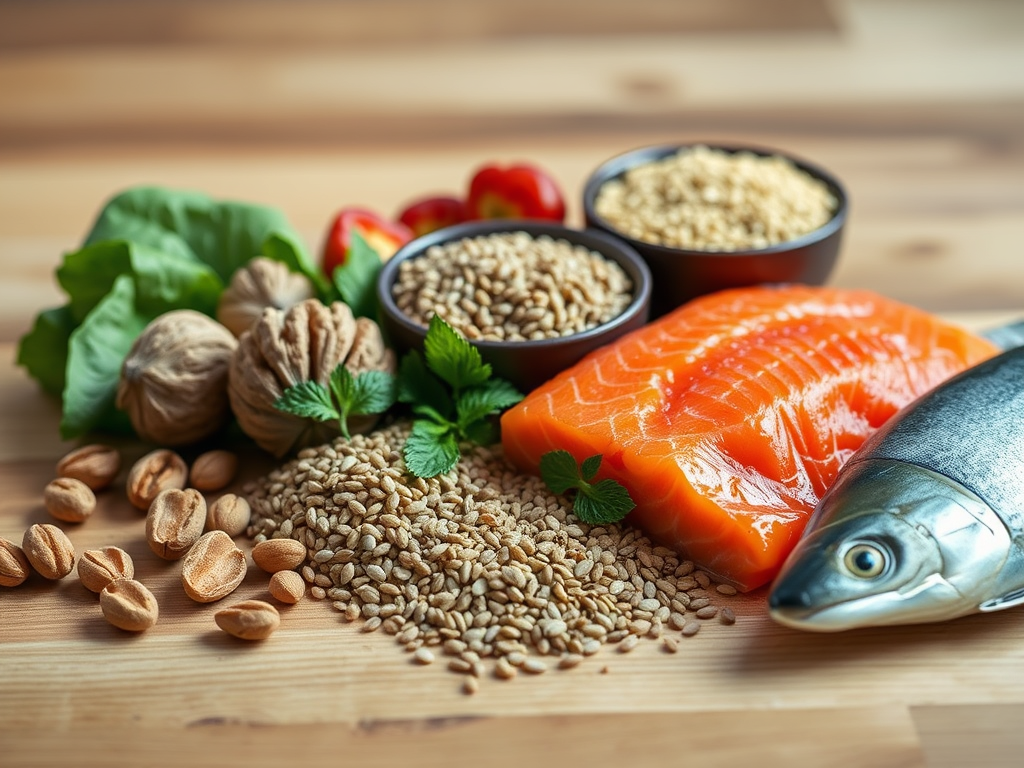


Did you know nearly 19 million Americans take omega-3 supplements every year? Yet, many could be getting better health from their food. Your path to better health might not be in a pill, but in your meals.
Learning about the 9 foods that are better than omega-3 supplements can change how you eat. These foods give you more than just essential fatty acids. They offer a complete package of nutrients that supplements can’t match.
Natural foods with omega-3s give you more than just nutrients. They give you a mix of vitamins, minerals, and other compounds that help your health. By eating whole foods, you’re investing in your health for the long run.
Key Takeaways
- Whole foods provide more comprehensive nutrition than supplements
- Natural omega-3 sources offer additional health benefits
- Food-based nutrients are often more bioavailable
- Variety in omega-3 sources ensures balanced nutrition
- Dietary approach supports overall health more effectively
Understanding Omega-3 Fatty Acids and Why Your Body Needs Them
Omega-3s are a key type of fatty acid important for heart and brain health. They are essential for your body’s cells, helping you stay well in many ways.

The Three Essential Forms of Omega-3s
Your body needs three main types of omega-3 fatty acids. Each has its own benefits and sources:
- Alpha-linolenic acid (ALA): Found in plant sources like walnuts and flaxseeds
- Eicosapentaenoic acid (EPA): Primarily sourced from cold-water fish
- Docosahexaenoic acid (DHA): Critical for brain and heart health, abundant in marine environments
How Omega-3s Support Heart and Brain Health
Omega-3s protect your heart and brain. They help keep your heart rhythm steady, lower inflammation, and support cell health. DHA is key for brain growth, making up a lot of brain tissue.
| Omega-3 Type | Primary Sources | Key Health Benefits |
|---|---|---|
| ALA | Flaxseeds, Chia seeds, Walnuts | Supports overall cellular health |
| EPA | Salmon, Mackerel, Sardines | Reduces inflammation, supports heart health |
| DHA | Fish oil, Fatty fish | Critical for brain development and function |
Knowing about omega-3 fatty acids helps you choose better foods. This supports your health and well-being for the long term.
Why Your Body Can’t Produce Omega-3s on Its Own

Your body is amazing and can make most of what it needs. But there’s a big catch with omega-3 fatty acids. Unlike other fats, your body can’t make omega-3s. So, you must get them from your diet.
Over a century ago, George and Mildred Burr found something important. They discovered fats that are key to health but can’t be made by our bodies.
- Omega-3s are considered essential fatty acids
- These compounds must be obtained through food sources
- Your body relies completely on dietary intake for omega-3s
This means you must eat foods rich in omega-3s. Without enough, your body can’t do important jobs. It can’t build cell membranes, make hormones, or support your body’s functions.
| Fat Type | Body Production Capability | Dietary Requirement |
|---|---|---|
| Most Fats | Can be produced internally | Low |
| Omega-3 Fatty Acids | Cannot be produced | High |
Knowing how special omega-3s are shows why what you eat is so important for your health.
The Science Behind Omega-3 Benefits for Your Health
Omega-3 fatty acids are nutritional powerhouses that play a critical role in supporting your overall health. These essential nutrients work at the deepest cellular levels to protect and enhance your body’s most important functions.

Scientists have uncovered remarkable benefits of omega-3s that extend far beyond basic nutrition. Your body relies on these fatty acids to maintain optimal health and prevent potential diseases.
Cardiovascular Protection and Heart Rhythm Regulation
The benefits of omega-3s shine brightest in cardiovascular health. Your heart depends on these nutrients to maintain a steady, healthy rhythm. Research shows omega-3 fatty acids can:
- Reduce dangerous heart arrhythmias
- Lower blood pressure
- Improve blood vessel function
- Decrease triglyceride levels
Reducing Inflammation and Supporting Cell Function
Omega-3s are molecular multitaskers embedded in every cell membrane. They help regulate critical bodily processes by:
- Producing essential hormones
- Managing blood clotting mechanisms
- Controlling artery wall flexibility
- Modulating inflammatory responses
*Omega-3s: Your body’s natural defense mechanism at the cellular level*
| Omega-3 Benefit | Cellular Impact |
|---|---|
| Heart Health | Reduces cardiac risk by 30-40% |
| Inflammation Control | Decreases chronic disease progression |
| Cell Membrane Support | Enhances intercellular communication |
By incorporating omega-3-rich foods into your diet, you’re investing in a comprehensive approach to long-term health and wellness.
How Much Omega-3 Do You Actually Need Each Day

Figuring out how much omega-3 you need can be confusing. The amount you should take depends on your age, health, and nutritional needs. Health experts offer guidelines to help you get enough omega-3.
Most healthy adults need 250-500 mg of EPA and DHA each day. This means eating fish or seafood 1-2 times a week. Make sure one of these meals includes fatty fish, which are rich in omega-3.
- Adults: 250-500 mg EPA and DHA daily
- Pregnant women: 450-500 mg daily
- Children: 50-100 mg depending on age
Some groups need more omega-3. Pregnant and nursing mothers need higher amounts to support fetal brain development. People with certain health issues might need extra omega-3, but only with a doctor’s advice.
| Population Group | Recommended Daily Intake |
|---|---|
| Healthy Adults | 250-500 mg |
| Pregnant Women | 450-500 mg |
| Children | 50-100 mg |
When it comes to supplements, aim for about 450 mg of omega-3 daily. This amount is similar to what you’d get from eating the right amount of fish. Whole foods are often better for absorbing nutrients than supplements.
Why Getting Omega-3s from Food Beats Supplements Every Time
Learning about the benefits of omega-3s from food can change how you view nutrition. Supplements might be easy, but whole foods offer a better way to health. Your body knows how to use them best.

Your body wants nutrients in their natural form. Getting omega-3s from food has many advantages over pills. Whole foods give you omega-3s with all the nutrients your body needs.
Superior Nutrient Absorption from Whole Foods
Eating omega-3-rich foods helps your body absorb nutrients better. Whole foods have many compounds that work together. This makes them better for your health than supplements.
- Natural protein interactions
- Complementary micronutrients
- Synergistic vitamin combinations
Additional Vitamins and Minerals You Get from Food Sources
Choosing food over supplements gives you extra nutrients. Here are some omega-3 foods that are also packed with vitamins and minerals:
| Food Source | Additional Nutrients |
|---|---|
| Salmon | Vitamin D, Selenium, B Vitamins |
| Walnuts | Fiber, Magnesium, Antioxidants |
| Chia Seeds | Protein, Calcium, Zinc |
By picking whole foods, you’re not just getting omega-3s. You’re getting comprehensive nutritional wellness. Your body will appreciate the natural, complete nutrition.
9 Foods That Are Better for Your Health Than Omega-3 Supplements
Discovering natural sources of omega-3 fatty acids can change your nutrition plan. Instead of supplements, get these nutrients from whole foods. These foods offer extra health benefits and better nutrient absorption.

Our guide shows nine foods with lots of omega-3s. They can make your diet better and help you stay healthy.

Salmon: The Omega-3 Powerhouse
Wild-caught salmon is a top omega-3 source. A 3.5-ounce serving has about 2,200mg of omega-3s. It also has high-quality protein, vitamin D, selenium, and B vitamins.
Sardines: Small Fish with Big Benefits
Sardines are tiny but very nutritious. They have about 1,200mg of omega-3s per serving. They are low in mercury and good for the planet. Plus, their bones add extra calcium.
Mackerel: Rich in EPA and DHA
Atlantic mackerel is a great choice for omega-3s, with about 4,100mg per serving. Choose Atlantic mackerel to avoid mercury.
Herring: A Heart-Healthy Choice
Herring has about 1,700mg of omega-3s per serving. It’s also rich in vitamin D and selenium, making it good for your heart.
Plant-Based Omega-3 Sources
- Walnuts: The only nut with a lot of omega-3s, with 2,500mg of ALA per ounce
- Chia Seeds: Nearly 5,000mg of ALA per ounce, plus fiber and minerals
- Flaxseeds: About 6,400mg of ALA per ounce, very versatile
Additional Omega-3 Rich Foods
| Food | Omega-3 Content | Additional Benefits |
|---|---|---|
| Oysters | 400mg per serving | High in zinc, vitamin B12, and iron |
| Edamame | 280mg ALA per cup | Complete protein, fiber-rich |
Adding these foods to your diet boosts your omega-3 intake. You’ll enjoy delicious, whole foods that are full of essential fatty acids.
Simple Ways to Include Omega-3 Rich Foods in Your Daily Diet

Adding omega-3-rich foods to your diet is easy. You don’t need to spend hours cooking. Just use smart strategies to boost your nutrition.
Begin by adding omega-3-packed ingredients to your meals. Here are some easy ways to plan your meals. They make it simple to get these important nutrients:
- Breakfast options:
- Sprinkle chopped walnuts on morning oatmeal
- Add chia seeds to smoothies
- Top yogurt with a seed mix containing flaxseeds
- Lunch strategies:
- Mix tinned sardines into salads
- Create salmon-topped whole-grain toast
- Prepare quick mackerel wraps
- Dinner techniques:
- Bake salmon with roasted vegetables
- Grill mackerel with herb seasoning
- Use rapeseed oil for cooking
Making your diet rich in omega-3s can be tasty and healthy. Mix things up to keep your meals fun. This also helps you get the most nutrients from whole foods.
| Food Category | Omega-3 Content | Serving Suggestion |
|---|---|---|
| Fish | High EPA/DHA | 3-4 oz, 2-3 times weekly |
| Seeds | ALA Omega-3 | 2-3 tablespoons daily |
| Nuts | Moderate Omega-3 | 1/4 cup as a snack or topping |
Consistent meal planning is crucial for a diet full of omega-3s. Try different omega-3-rich foods. This keeps your meals interesting and balanced.
Understanding the Omega-6 to Omega-3 Ratio in Your Diet
Exploring polyunsaturated fatty acids can seem like a nutritional maze. Many are concerned about their omega-6 to omega-3 ratio. But the science reveals a more detailed story about dietary balance.

Your body needs both omega-6 and omega-3 fatty acids for health. These fats are key for cell function, controlling inflammation, and overall well-being. Experts often talk about balancing these fats, but new research shows it’s more complex.
Debunking Ratio Myths
You don’t have to limit omega-6 fats too much. The goal is to understand how these fats work together:
- Omega-6 fats are vital for hormone production
- They help build cell membranes
- They manage inflammation
Studies show omega-6 fats don’t always raise inflammation. Some research even finds heart health benefits from enough omega-6 intake.
Practical Dietary Insights
| Omega-6 Sources | Omega-3 Sources |
|---|---|
| Vegetable oils | Fatty fish |
| Nuts | Chia seeds |
| Corn oil | Flaxseeds |
| Sunflower seeds | Walnuts |
Your diet should aim to include a variety of nutrients. Most Americans get enough omega-6 from everyday foods. The main goal is to make sure you get enough omega-3 to balance your diet.
When to Consider Supplements and How to Choose Wisely
Not everyone needs omega-3 supplements. Your diet should be the main source of these fatty acids. Certain situations might make fish oil supplements a good choice for your health.
When might you need omega-3 supplements? Consider these scenarios:
- You have a fish allergy
- You follow a strict vegan diet
- Your doctor recommends supplement selection for specific health conditions
- You cannot consume omega-3-rich foods regularly
Selecting high-quality fish oil supplements requires careful attention. Look for products that meet these critical criteria:
- Contain EPA and DHA omega-3s
- Clearly display omega-3 content per serving
- Aim for approximately 450mg combined daily
- Have third-party testing certifications (USP, NSF, IFOS)
Vegan alternatives exist with microalgae-based omega-3 supplements. These provide EPA and DHA without fish sources. Always consult your healthcare provider before starting any supplement regimen, especially if you take blood-thinning medications.
Remember: Supplements should complement, not replace, a nutrient-rich diet.
Carefully review supplement labels for potential vitamin A content. Excessive vitamin A can increase osteoporosis risks. Your total daily intake should not exceed 1.5mg from supplements and diet combined.
Conclusion
Your journey into omega-3 nutrition shows a key truth about food sources. The nine foods we’ve looked at offer more than supplements can. They give you a full package of nutrients for your heart, brain, and cells.
Adding these omega-3 foods to your diet is more than a health plan. It’s a promise to your future well-being. By choosing whole foods, you get the best and most natural form of these fats. Studies show that getting omega-3s from natural sources is better for your body.
Start with one or two of these foods each week. Try new recipes and ways to cook them. Your body will be grateful for this choice, moving away from artificial supplements to real, whole foods.
Omega-3 benefits go beyond just supplements. Eating foods like salmon, walnuts, or chia seeds is good for your heart and brain. Your journey to better nutrition is filled with real, healthy foods that nature made for you.


 trim down and shape up
Leave a comment