


Why Leg Endurance Matters More Than Strength After 55
You’ve probably heard plenty about leg strength as you age, but your leg endurance may actually tell a more important story about your fitness. Muscle endurance reflects how long your legs can repeatedly produce force without your form breaking down or your control fading.
That matters in everyday life, where movement rarely happens just once and stops. Whether you’re climbing stairs, carrying groceries, getting up from a chair, or walking for long distances, endurance is what keeps you moving with confidence and stability throughout your day.
Strength and endurance work together, but they aren’t the same. Strength shows up in how much force you can generate in a single effort. Endurance shows up in how well you can repeat that effort again and again without fatiguing.
After 55, endurance often becomes the limiting factor — not because your muscles disappear, but because they become less efficient and fatigue more quickly when they aren’t trained properly.
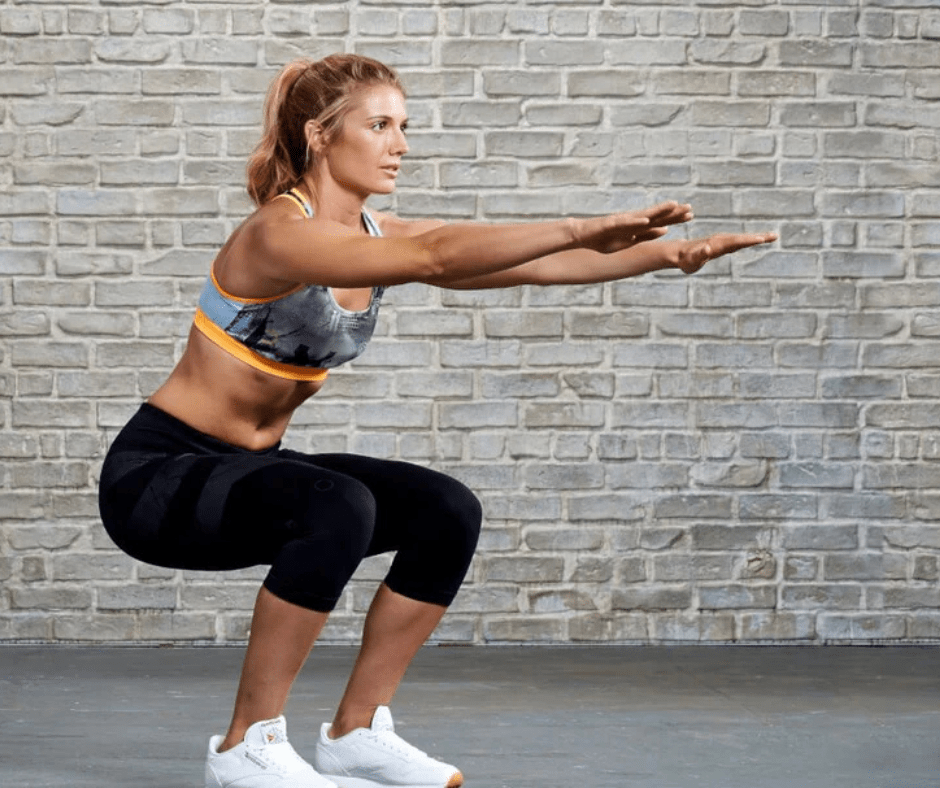
That’s why squats are such a powerful measure of your fitness. When you can perform high-quality squats for repeated reps, you’re showing that your legs can support your body, absorb force, and recover between efforts.
1) Why Squats Are One of the Best Functional Exercises for Aging Adults

Squats Mimic Everyday Movements
Every time you stand up from a chair, pick something off the floor, or walk down stairs, you’re performing a version of a squat. Training this pattern intentionally keeps those everyday movements strong, smooth, and coordinated.
How Squats Strengthen Multiple Muscle Groups at Once
Squats engage your:
- Quadriceps
- Glutes
- Hamstrings
- Calves
- Core muscles
Because they work so many muscles at once, squats build endurance in a way that closely mirrors real-life movement.
Squats Improve Balance, Joint Health, and Mobility
Each squat repetition requires controlled movement at your hips, knees, and ankles. When you can maintain that control over many reps, it shows that your legs can manage fatigue without collapsing into poor positions — which helps prevent injury and supports long-term mobility.
2) How to Perform a Proper Bodyweight Squat (Step-by-Step)

Your squat technique matters because endurance only counts when your reps stay clean and controlled. Proper form keeps stress in your muscles — not your joints.
Correct Squat Form for Maximum Benefits
- Stand tall with your feet about shoulder-width apart, toes slightly turned out.
- Brace your core as if you’re about to cough.
- Sit your hips back and down while bending your knees under control.
- Lower until your thighs are at least parallel to the floor (or your comfortable depth).
- Press through your heels and midfoot to stand back up.
- Keep your chest tall and repeat each rep with the same depth and speed.
Stop when your form begins to break down.
3) Squat Endurance Test: How Many Reps Should You Be Able to Do After 55?
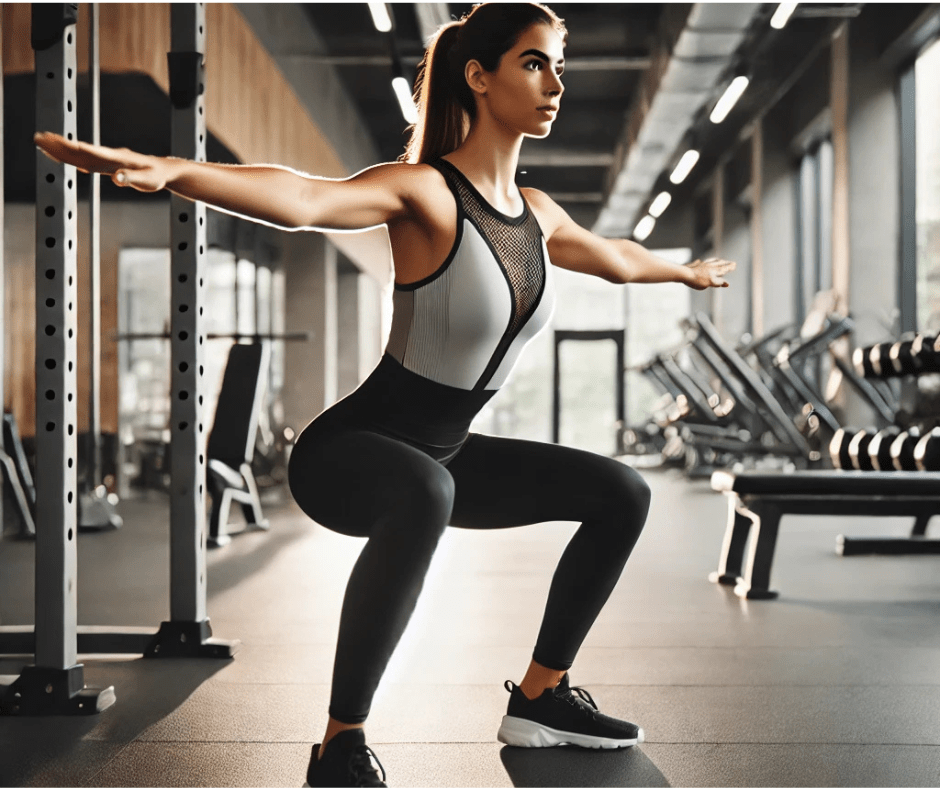
This test measures how many bodyweight squats you can perform continuously with solid form. Move at a steady, comfortable pace and stop when your form falters or you need to rest.
Squat Endurance Score Breakdown (Ages 55+)
Under 15 reps — Needs Improvement
Lower-body endurance is limited. Daily tasks like climbing stairs or standing for long periods may feel tiring.
15 to 25 reps — Average
You have a solid base, but endurance may fade during longer or more demanding activities.
26 to 40 reps — Above Average
Your legs can repeat effort efficiently and maintain control under fatigue.
41+ reps — Elite
Exceptional leg endurance for your age. Your muscles recover quickly between reps, your joints stay stable, and your form remains strong even as fatigue builds.
4) How to Improve Leg Endurance After 55 (Smart Training Tips)
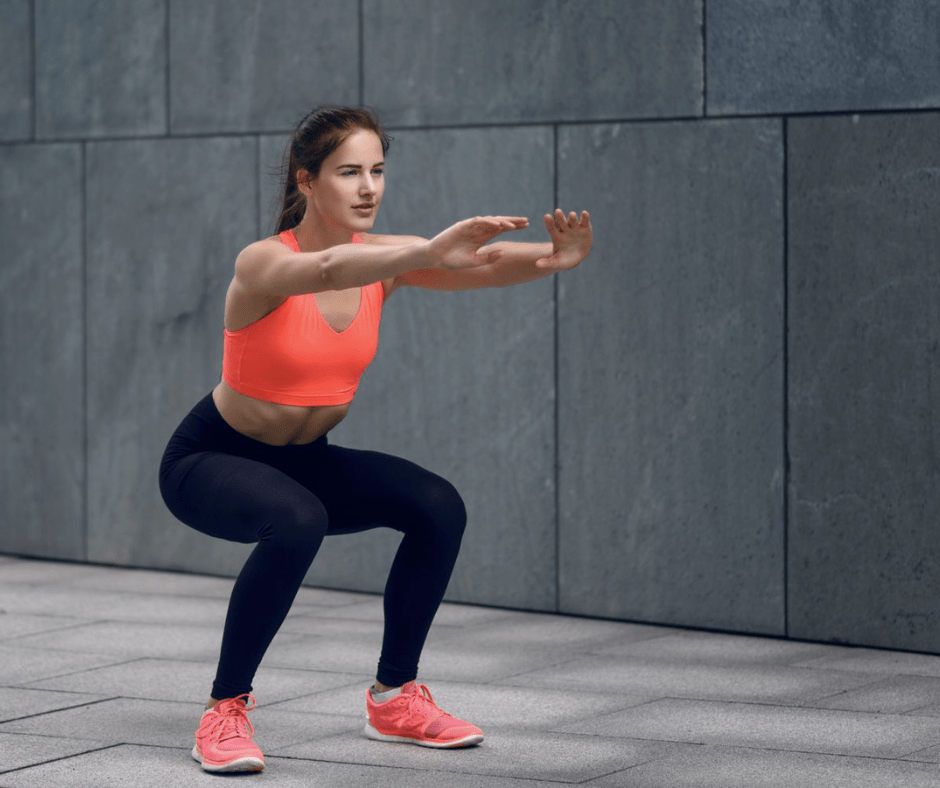
Best Training Strategies to Boost Squat Endurance
Train squats 2–3 times per week
Allow at least one rest day between sessions.
Use moderate rep ranges (12–20 reps per set)
This builds fatigue resistance more effectively than very low or very high reps.
Slow your tempo
Controlled reps increase time under tension and improve movement quality.
Strengthen supporting muscles
Add exercises like:
- Step-ups
- Glute bridges
- Split squats
These reduce weak links that can limit your endurance.
Listen to your body
Mild muscle fatigue is normal. Joint pain or lingering soreness means you should reduce volume or intensity.
Why Improving Your Squat Endurance Is an Investment in Your Independence
Your leg endurance reflects how well your body moves, repeats effort, and stays reliable in real life. When you improve your squat capacity, you’re directly investing in your confidence, mobility, and independence after 55.
If you enjoyed this article, do take a moment and follow me for more health and fitness tips.


 trim down and shape up
Leave a comment