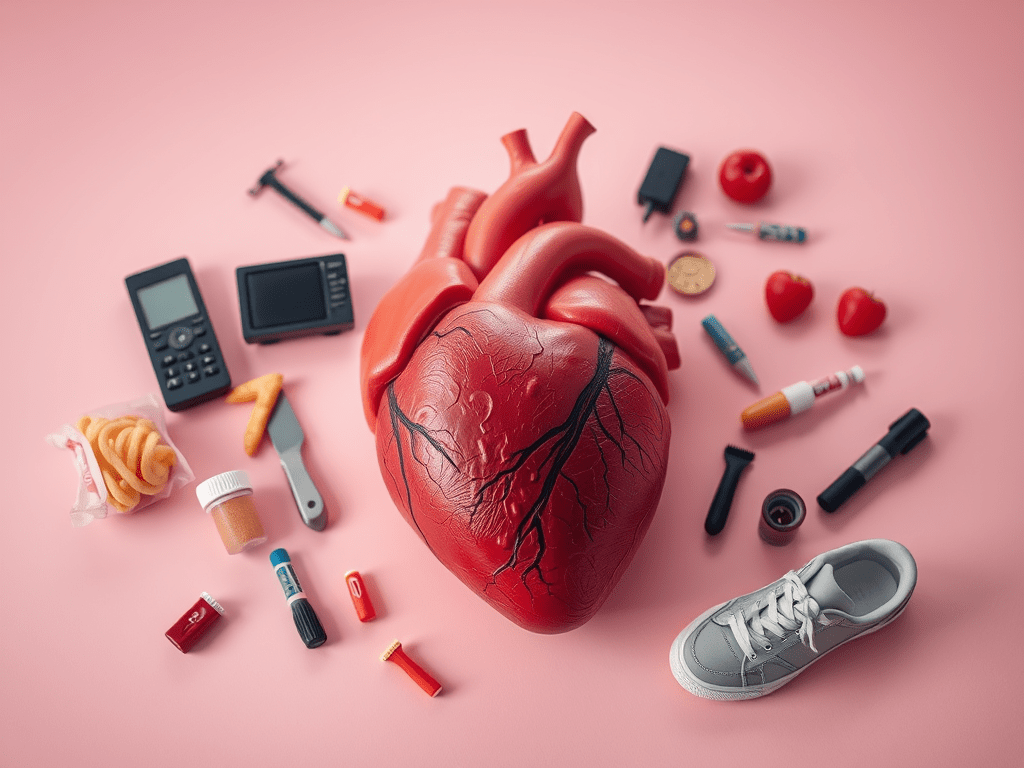


Cardiovascular disease is a big killer in the United States. It takes nearly 919,000 lives each year. Many people don’t know that simple mistakes can harm their heart.
Your heart works hard every day, beating about 100,000 times. Cardiologists say small, everyday habits can hurt your heart. These habits might seem harmless, but they can weaken your heart over time.
Knowing what cardiologists say about heart health is key. Making small changes can help protect your heart. This can lower your risk of heart problems.
Key Takeaways
- Cardiovascular disease remains the top killer in the United States
- Small daily habits can contribute to heart damage
- Your heart beats 100,000 times per day
- Preventable heart damage can be reduced through lifestyle changes
- Awareness is the first step to better heart health
Mistakes Cardiologists Say Could Be Wrecking Your Heart Health
Your heart is more vulnerable than you might think. Many people believe heart problems come out of nowhere. But the truth is more complex. Slowly, dangerous habits build up, creating risks that harm your heart before you even notice.

The human heart is strong yet fragile. Cardiologists say heart health issues aren’t big moments. They’re small, daily choices that slowly affect your heart.
Understanding the Silent Threats to Your Cardiovascular System
Your body sends subtle signs about heart health that many ignore. Cardiovascular risk factors build up slowly, weakening your heart over time. These silent dangers include:
- Chronic stress that raises blood pressure
- A sedentary lifestyle
- Poor diet choices
- Unstable sleep patterns
Why Small Daily Habits Create Lasting Heart Damage
Every choice you make affects your heart’s health. Small actions can lead to big heart problems.
| Daily Habit | Potential Heart Impact |
|---|---|
| Skipping exercise | Increased heart disease risk |
| High sodium intake | Blood pressure elevation |
| Chronic stress | Inflammation and artery damage |
Knowing these links helps you make better choices. These choices can protect your heart and extend your life.
Sitting Too Much and Missing Out on Movement

Your sedentary lifestyle might be silently damaging your cardiac health. Prolonged sitting can trigger serious cardiovascular risks that many people overlook. Only about 25% of adults meet recommended physical activity guidelines, making sitting too much a widespread health epidemic.
“Sitting is the new smoking” – Dr. Brian Downey, Cardiologist
When you sit for extended periods, your body enters a dangerous metabolic slowdown. Blood circulation becomes sluggish, muscles remain inactive, and your heart doesn’t receive the challenge it needs to stay strong.
- Extended sitting increases the risk of blood clots
- Reduces calorie-burning efficiency
- Contributes to weight gain and insulin resistance
- Elevates the potential for high blood pressure
Breaking the sitting cycle doesn’t require extreme changes. Small, consistent movements can dramatically improve your cardiac health. Try these simple strategies:
- Stand up every hour during work
- Take walking breaks during lunch
- Use stairs instead of elevators
- Consider a standing desk
Your body was designed for movement. Reclaim your natural rhythm and protect your heart by challenging the modern sedentary lifestyle.
Eating Too Much Salt and Late-Night Snacking Habits
Your heart health is not just about exercise and doctor visits. What you eat is also key. It can help prevent heart problems that might not show up until later.

Too much salt is a big issue in the US. Most people eat way more sodium than they should. This can really harm their heart health.
How Sodium Overloads Your Cardiovascular System
Sodium is a sneaky enemy of your heart. You should only have about 2,300 milligrams of salt a day, or about one teaspoon. Too much salt makes your body hold onto water, which means your heart has to work harder.
- Most sodium comes from processed foods
- Too much sodium raises your blood pressure
- Packaged meals are often full of salt
Why Nighttime Eating Disrupts Your Heart’s Natural Rhythm
Eating late at night is bad for your health. Your body doesn’t process calories as well when it’s not hungry.
| Late-Night Eating Impact | Cardiovascular Risk |
|---|---|
| Weight Gain | High |
| Insulin Resistance | Moderate to High |
| Elevated Triglycerides | High |
To keep your heart healthy, eat mindfully. Cut down on salt and avoid eating late at night. Listen to your body’s natural hunger signals.
Scrolling on Your Phone Before Bed and Ignoring Sleep Quality

Scrolling on your phone before bed can harm more than just your sleep. It’s a common mistake that many overlook. The blue light from your screen can affect your heart health.
Experts say late-night phone use is risky. Scrolling before bed can lead to several health problems:
- Blue light suppresses melatonin production
- Increases stress hormone cortisol
- Prevents natural blood pressure reduction
- Disrupts critical sleep recovery cycles
Dr. Harmony Reynolds from NYU Langone says your heart needs good sleep to heal. Each night of scrolling hurts your body’s stress management and heart health.
Your phone might seem harmless, but it’s causing long-term harm. The time you spend scrolling is time your heart could be healing. Knowing these risks helps you make better choices at night.
“Sleep isn’t optional—it’s a critical component of heart health.” – Dr. Harmony Reynolds
Stop scrolling and let your heart rest. Make your bedroom phone-free, set a digital bedtime, and focus on your heart’s health.
Not Having Enough Social Connection and Keeping Stress Unchecked
Your heart health is more than just exercise and diet. Cardiologists warn about the importance of social connections and managing stress. Your emotional well-being is key to a healthy heart.

The Hidden Link Between Loneliness and Heart Disease
Not having enough social connections can harm your health. Studies show that loneliness affects your heart in unexpected ways. It leads to stress that can hurt your heart.
- Increased inflammatory markers
- Higher stress hormone levels
- Disrupted sleep patterns
- Reduced immune function
“Stress, anxiety, and lack of social connections are softer risk factors for heart disease that we cannot ignore.” – Dr. Baljash Cheema, Cardiologist
How Chronic Stress Keeps Your Heart on High Alert
Unmanaged stress makes your body a constant fight zone. Chronic stress means your heart is always on edge. This can cause serious heart problems.
Cardiologists stress the need for stress management:
- Practice daily meditation
- Engage in regular social activities
- Set clear work-life boundaries
- Prioritize meaningful relationships
Your heart needs emotional care as much as physical. Building strong social ties and managing stress are crucial for heart health.
Conclusion
Breaking free from thinking you can’t change your lifestyle starts with knowing your heart’s health can get better. Cardiologists like Dr. Baljash Cheema say your body can heal and get stronger, no matter how long you’ve been inactive or unhealthy.
Ignoring early warning signs is risky. Your heart sends signals like chest pain, arm pain, or sudden tiredness. Dr. Harmony Reynolds says it’s crucial to listen to these signs and get medical help right away if symptoms last more than 15 minutes.
Keeping junk food out of your home is a smart move for heart health. Making small, steady changes is more effective than big, sudden changes. By avoiding unhealthy foods and choosing healthier options, you’re on the path to better heart health.
Protecting your heart is about making smart choices every day. Your heart benefits from small, steady improvements. Begin with small steps, stay consistent, and see how these changes can improve your heart health over time.

 trim down and shape up
Leave a comment