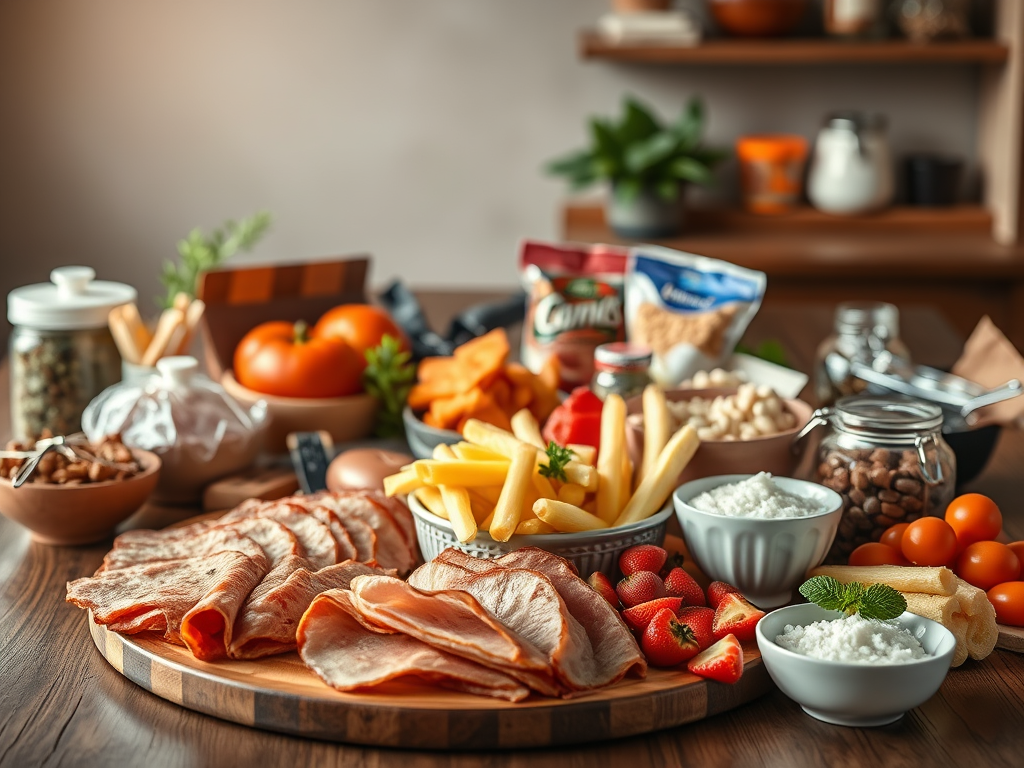


Did you know your heart beats about 100,000 times every day? Yet, some foods can quietly harm it. Knowing the 7 foods that raise heart disease risk is key to keeping your heart healthy.
Your diet is very important for your heart. Some foods that are bad for heart patients might be in your meals without you knowing. Every bite can help or hurt your heart’s health.
Nutrition experts say eating certain foods too often can greatly raise heart disease risk. These foods are common in many American homes and can be very dangerous for your heart.
Key Takeaways
- Heart health is directly influenced by dietary choices
- Some common foods can significantly increase heart disease risk
- Awareness is the first step in protecting cardiovascular health
- Small dietary changes can make a substantial difference
- Not all delicious foods are heart-friendly
Understanding the Link Between Diet and Heart Disease

Heart disease is a major killer worldwide, and diet is a key factor. What you eat directly affects your heart health. It’s vital to know how your diet impacts your cardiovascular system.
Why Heart Disease Is a Global Health Challenge
Heart disease is a serious issue. Recent numbers show how big the problem is:
- 94 million American adults have high cholesterol levels
- Cardiovascular disease claims more lives worldwide than any other condition
- Diet and lifestyle choices significantly influence heart health risks
Genetics matter, but your diet can change your heart disease risk a lot. The link between food and heart health is deep and complex.
How Food Choices Threaten Your Cardiovascular System
Your daily food can either help or harm your heart. The worst foods for your heart trigger bad responses in your body:
- Saturated fats increase harmful LDL cholesterol
- Added sugars cause inflammation
- Refined carbohydrates disrupt blood sugar levels
- High-sodium foods elevate blood pressure
Understanding the diet and heart disease connection is your first step toward prevention.
By choosing the right foods, you can lower your heart disease risk. This improves your heart health overall.
Processed Meats and Their Hidden Dangers

Processed meats are a big risk for heart attacks. They seem convenient but hide dangers that harm your heart.
Hot dogs, sausages, and bacon are bad for your heart. They have too much fat, salt, and chemicals. This makes them very bad for your heart health:
- High saturated fat content
- Excessive sodium levels
- Harmful preservative chemicals
- Increased risk of cholesterol buildup
Bacon is very bad for you. More than half of its calories come from saturated fat. This raises your bad cholesterol, increasing heart attack and stroke risks.
“The convenience of processed meats comes at a significant cost to your cardiovascular health.” – American Heart Association
These meats are bad for your body in many ways. The salt makes your heart work too hard. The preservatives, like nitrates and nitrites, also increase heart disease risk.
| Processed Meat | Saturated Fat Content | Sodium Level |
|---|---|---|
| Bacon | High (54% of calories) | Very High |
| Hot Dogs | High | Extremely High |
| Salami | Very High | High |
You don’t have to cut them out completely. But, eat them only sometimes. Choose fresh, unprocessed proteins to keep your heart healthy.
The Truth About Sugary Beverages and Heart Health
Sugary drinks are very bad for your heart. Just one can of soda can have too much sugar. This is bad news for your heart.

Your favorite drinks might be hurting your heart. Drinks with sugar can cause many health problems. These problems can harm your heart.
How Soda Affects Your Arteries
Soda does more than just add calories. It can also harm your heart in several ways:
- Increases triglyceride levels
- Elevates harmful LDL cholesterol
- Promotes systemic inflammation
- Contributes to weight gain
The Problem with Added Sugar in Drinks
Not all drinks are the same. Many have hidden sugars that can harm your heart.
| Beverage Type | Sugar Content (per 12 oz) | Heart Health Impact |
|---|---|---|
| Regular Soda | 39 grams | High Risk |
| Energy Drinks | 41 grams | Very High Risk |
| Sweetened Coffee | 30 grams | Moderate Risk |
To keep your heart healthy, choose water, unsweetened tea, or sparkling water. Your heart will be grateful for these better choices.
Trans Fats: The Silent Artery Cloggers

Trans fats are harmful foods that can hurt your heart. There are hidden dangers in many foods. You might eat them without knowing the harm they can cause.
Trans fats are bad for your heart in two ways. They:
- Raise LDL (bad) cholesterol levels
- Lower HDL (good) cholesterol levels
- Make your body more inflamed
Foods with trans fats are often hidden. They can be found in:
- Commercially baked goods
- Packaged snack foods
- Some margarines and shortenings
- Fried restaurant foods
Even though the FDA has banned artificial trans fats, some foods still have them. Look for “partially hydrogenated oils”. The best way to avoid them is to read labels carefully and choose whole foods.
Pro Tip: Replace trans fats with heart-healthy liquid plant oils like olive or avocado oil.
By avoiding trans fats, you can lower your heart disease risk. This protects your heart from unnecessary harm.
Why Refined Carbohydrates Threaten Your Heart

Refined carbohydrates might seem harmless, but they’re a big risk for your heart. These processed grains lack the nutrients found in whole grains. Knowing how they affect your health can guide you to better food choices.
White flour and refined grains quickly turn into sugar in your body. This leads to blood sugar spikes. Such spikes can lead to unhealthy eating habits and harm your heart.
The Impact of White Flour on Blood Sugar
When whole grains become white flour, they lose important nutrients. This results in a product that acts like sugar in your body. Your body then faces insulin spikes that:
- Promote aggressive fat storage
- Increase systemic inflammation
- Stress your cardiovascular system
Refined Grains and Belly Fat Connection
Eating too many refined carbs can lead to belly fat. This fat is harmful because it produces inflammation. This inflammation can damage your heart and blood vessels. Studies show a link between this fat and:
- Increased heart disease risk
- Higher probability of type 2 diabetes
- Elevated cardiovascular stress
Pro tip: Choose “100% whole grain” products for at least half your grain intake to protect your heart and maintain stable blood sugar levels.
Fried Foods and Cardiovascular Risk

Fried foods are very bad for heart patients. The deep-frying process turns simple foods into harmful ones. Eating fried foods often can really hurt your heart.
Even your favorite crispy foods have dangers. Foods like French fries, chicken, and others from restaurants are full of bad stuff. They can harm your heart:
- High levels of saturated and trans fats
- Excessive sodium content
- Increased calorie density
- Potential for inflammation
Studies show fried foods can lead to heart issues. Eating fried foods 2-3 times a week can increase your risk of dying early. Deep-frying adds a lot of calories and unhealthy fats to good foods.
| Fried Food Type | Heart Disease Risk | Recommended Alternative |
|---|---|---|
| French Fries | High | Baked sweet potato wedges |
| Fried Chicken | Moderate to High | Grilled or air-fried chicken |
| Onion Rings | Very High | Roasted vegetable chips |
To keep your heart safe, choose better foods. Try baking, grilling, or air-frying instead. These ways can make your meals tasty without hurting your heart.
7 Foods that Increase Your Chance of Heart Disease
Your diet is very important for heart health. Knowing which foods can harm your heart is crucial. Not all foods are good for your heart.

Some foods are bad for your heart and can quietly harm you. These foods can damage your health over time.
Red Meat: A Hidden Cardiovascular Threat
Red meat is bad for your heart because it has a lot of saturated fats. Beef, lamb, and pork can raise your heart disease risk. Studies show these meats can cause inflammation and damage your arteries.
- Beef contains high levels of saturated fat
- Lamb and veal increase LDL cholesterol
- Processed red meats are even more dangerous
Full-Fat Dairy: Cholesterol Concerns
Full-fat dairy products are also bad for your heart. Whole milk, cheese, and cream have a lot of saturated fats. These fats can harm your heart health.
| Dairy Product | Saturated Fat Content | Heart Disease Risk |
|---|---|---|
| Whole Milk | High | Increased |
| Cheddar Cheese | Very High | Significantly Increased |
| Cream | Extremely High | High Risk |
Choosing low-fat or plant-based options can help your heart. Your heart will thank you for these smart food choices.
High-Sodium Foods and Blood Pressure

Your heart works hard every day. But high-sodium foods make its job even harder. These foods are often hidden in everyday meals, making them seem harmless. It’s important to know how high-sodium foods affect your heart health.
Some unhealthy foods for your heart include:
- Processed pizza with too much salt
- Canned soups full of sodium
- Potato chips and other salty snacks
- Ranch dressing and other condiment sauces
Sodium can sneakily raise your blood pressure. When you eat high-sodium foods, your body holds onto water. This makes your heart work even harder. This strain can lead to serious heart problems, such as:
- Stroke
- Heart disease
- Heart failure
Doctors say most adults should eat no more than 2,300 milligrams of sodium a day. If you have heart problems, you might need even less. Reading labels, choosing low-sodium foods, and cooking at home can help a lot.
Protecting your heart is up to you. By cutting down on high-sodium foods, you can help keep your heart healthy. This step can lead to a healthier future for you.
The Role of Cholesterol in Heart Attack Risk
Cholesterol is vital for your body, helping make hormones and cell membranes. But too much can be harmful. Knowing about cholesterol types and their heart impact is key to avoiding heart disease.
Decoding Good and Bad Cholesterol
Your body has two main cholesterol types, each affecting heart attack risk differently:
- LDL (Low-Density Lipoprotein): Known as “bad” cholesterol, it can clog arteries and cause heart problems
- HDL (High-Density Lipoprotein): Called “good” cholesterol, it helps clear out bad cholesterol from your blood
Foods That Elevate Bad Cholesterol Levels
Some foods can raise your bad cholesterol, increasing heart attack risk. Here are the top offenders:
| Food Category | Cholesterol Impact | Risk Level |
|---|---|---|
| Red Meat | High saturated fat content | Very High |
| Fried Foods | Trans fat accumulation | High |
| Full-Fat Dairy | Increases LDL cholesterol | Moderate to High |
| Processed Meats | Saturated fat and sodium | High |
Watching what you eat and making smart choices can control cholesterol. This helps protect your heart from artery-clogging foods.
Making Heart-Healthy Food Swaps
Changing your diet doesn’t mean you have to give up tasty foods. By making smart swaps, you can avoid bad foods for your heart. This way, you can still enjoy your meals and eat well.
Here are some smart swaps to avoid heart attack risk foods:
- Swap butter for olive oil or vegetable oil-based spreads
- Replace full-fat dairy with low-fat alternatives
- Choose baked options over fried dishes
- Select whole grains instead of refined carbohydrates
Some specific swaps can really help cut down on unhealthy foods for your heart:
| Unhealthy Food | Heart-Healthy Replacement |
|---|---|
| Deep-fried French fries | Oven-baked fries with olive oil |
| Sugary flavored yogurt | Plain low-fat yogurt with fresh fruit |
| Cream-based dressings | Homemade herb dressing with low-fat buttermilk |
Your snack choices are important, too. Choose snacks that are good for you:
- Whole-grain crackers with low-fat cheese
- Homemade popcorn drizzled with olive oil
- Frozen fruit bars instead of ice cream
Protecting your heart doesn’t mean you have to diet too much. Small, easy changes can make a big difference in your heart health.
Creating a Sustainable Heart-Protective Diet
Protecting your heart doesn’t mean you have to follow an impossible diet. The secret is finding a balanced diet that you can keep up with for a long time. Most people find it hard to stick to strict diets that feel like a punishment.
The 80/80 Rule is a simple way to keep your heart healthy. It shows that you don’t need to be perfect to see big improvements in your heart health.
Understanding the 80/80 Principle
Here’s how the 80/80 Rule works to fight against bad foods for your heart:
- Aim to eat heart-healthy foods 80% of the time
- Allow yourself occasional treats in the remaining 20%
- Focus on consistent, sustainable choices
This method helps you manage bad foods without feeling trapped. Instead of cutting out foods completely, you’ll create a balanced diet. This supports your heart health over time.
| 80% Heart-Healthy Foods | 20% Occasional Treats |
|---|---|
| Fruits and vegetables | Processed meats |
| Whole grains | Sugary desserts |
| Lean proteins | Fried foods |
| Low-fat dairy | High-sodium snacks |
Remember, your goal is progress, not perfection. By choosing wisely most of the time, you’ll lower your heart disease risk. And you’ll still get to enjoy life’s tasty moments.
Conclusion
Learning about dangerous foods for heart patients is key to protecting your heart. The 7 foods that raise heart disease risk are serious threats to your heart health. They can quietly harm your cardiovascular system.
Your food choices are crucial in avoiding heart attack risk foods. Knowing what you eat and making smart food choices can lower your heart disease risk. The power to keep your heart healthy is in your hands, or more accurately, on your fork.
Heart health is about making good choices consistently, not being perfect. Work with your doctor to check your cholesterol and understand your heart risk. Small, lasting changes can greatly help prevent heart disease and keep your heart well.
With knowledge about nutrition and heart health, you can make better food choices. Your heart health journey begins with every meal. Choose wisely, eat mindfully, and support your heart’s health.
 trim down and shape up
Leave a comment