

Can you enjoy your favorite cocktail without ruining your fitness goals? It’s important to know how alcohol affects your body. This is key to staying fit while still having fun.
Drinking alcohol doesn’t have to stop you from being fit. Learning how alcohol works with your body helps you make better choices. This way, you can drink sometimes without hurting your health goals.
This guide will explain how alcohol affects your body. It will also show you how to balance fitness with social drinking. You’ll learn how to make smarter choices about drinking. This helps you keep your athletic performance high.
Key Takeaways
- Alcohol impacts metabolism and fitness performance
- Individual factors influence alcohol’s effects on the body
- Strategic drinking is possible without completely derailing fitness goals
- Understanding alcohol’s physiological impacts empowers better choices
- Moderation and knowledge are key to balancing fitness and social drinking
Understanding Alcohol’s Effects on the Body

When you drink alcohol, your body starts a complex process. This process can affect your fitness goals. It’s important to know how alcohol changes your metabolism to keep your health and body shape in check.
The Metabolic Priority of Alcohol
Alcohol is processed differently than other nutrients in your body. When you drink, your body sees alcohol as the main fuel. This means fat burning stops temporarily. This happens because:
- Alcohol has 7 calories per gram, but it’s empty calories
- The liver focuses on breaking down alcohol first
- Fat burning slows down a lot while alcohol is being processed
Metabolic Interruption and Fat Storage
This pause in fat burning means your body stops its usual metabolic work. It focuses only on breaking down alcohol. This can lead to:
- A 37% drop in muscle protein making
- A decrease in your metabolic rate
- More fat storage
Your body treats alcohol as a toxin, so it prioritizes breaking it down over burning fat or processing other nutrients.
Knowing these changes can help you make better choices about drinking. It can also help you stay on track with your fitness goals.
The Caloric Content of Common Alcoholic Beverages
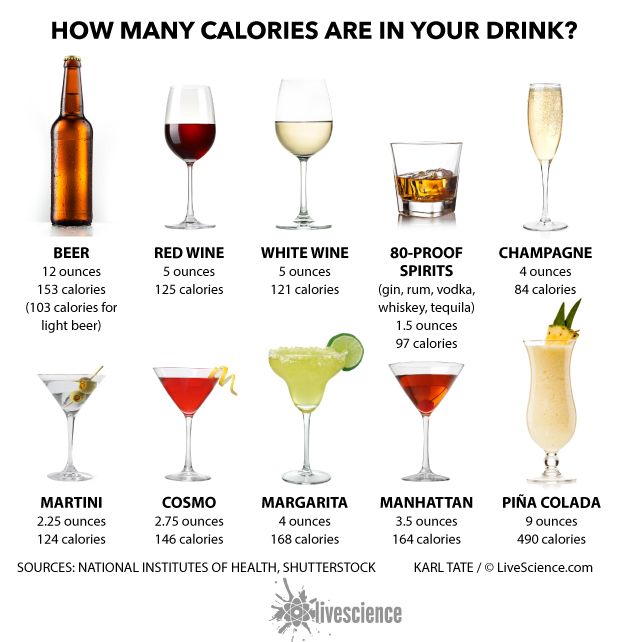
Knowing how many calories are in different drinks can help you drink smarter. This is key if you want to stay fit. Different drinks have different calorie counts, which affects your diet.
Exploring the calories in common drinks shows some big differences:
- Clear spirits like vodka, gin, and tequila have the fewest calories
- Beer and mixed drinks can add a lot of calories quickly
- Wine has some good nutrients, but still has a lot of calories
Here’s a detailed look at how many calories are in each drink:
| Beverage Type | Calories per Standard Serving |
|---|---|
| Vodka (1.5 oz) | 97 |
| Red Wine (5 oz) | 125 |
| Light Beer (12 oz) | 110 |
| Regular Beer (12 oz) | 150 |
| Margarita | 300-500 |
Mixers can really up the calorie count of your drink. A vodka soda is much lower in calories than a sweet cocktail.
To keep calories down, choose clear spirits with no-calorie mixers. Or pick drinks with few ingredients. Your body will appreciate your careful choices.
Alcohol’s Impact on Muscle Recovery and Growth
When you’re into fitness, knowing how alcohol affects muscle recovery is key. Drinking, even a little, can hurt your gym gains.
Alcohol messes with muscle recovery and growth in several ways. It can really set back your workout progress.
Protein Synthesis Disruption
Studies from PLOS One show how alcohol hinders muscle building:
- Drinking after working out can cut muscle protein synthesis by 24-37%
- Even eating protein can’t fully fight alcohol’s bad effects
- Alcohol stops the mTORC1 pathway, which is key to muscle growth
Dehydration and Muscle Recovery Challenges
Dehydration is a big deal for muscle recovery. Alcohol makes you lose water fast, making it hard for your body to recover.
| Alcohol’s Hydration Impact | Recovery Consequences |
|---|---|
| Inhibits anti-diuretic hormone | Increases urination frequency |
| Reduces water retention | Slows nutrient delivery to muscles |
| Requires 2x water for rehydration | Extends muscle recovery time |
Muscles are about 75% water, so staying hydrated is crucial for recovery. Knowing how alcohol affects protein synthesis and dehydration helps you make better choices about drinking and muscle growth.
Effects on Sleep and Recovery
When you’re into fitness, knowing how alcohol affects sleep and recovery is key. Alcohol might help you fall asleep quickly. But it messes up your body’s natural healing.

Alcohol makes you feel sleepy. But it ruins the quality of your sleep. This hurts your fitness goals a lot.
How Alcohol Disrupts REM Sleep
REM sleep is vital for healing. Alcohol messes with this important sleep stage. Here’s what happens:
- Alcohol cuts down REM sleep time
- Increases nighttime wake-ups
- Blocks deep, healing sleep cycles
- Reduces growth hormone by up to 50%
The Connection Between Quality Sleep and Fitness
Your fitness depends on good sleep. Poor sleep can ruin weeks of hard work. Alcohol harms recovery in many ways:
- Slows muscle growth
- Wrecks brain function
- Slows down reaction time
- Weaks immune system
Just one drink can slow down recovery. Fitness trackers show how alcohol affects your body’s healing.
Guide to Drinking Alcohol and Staying in Shape

It’s possible to balance fitness goals with social drinking. A smart guide shows how to manage alcohol without giving it up completely. Your fitness goals will guide how you include alcohol in your life.
Here are some tips for keeping fit while enjoying drinks:
- Know your current fitness level and goals
- Go for drinks with fewer calories
- Drink on days you’re not training
- Drink water before and after drinking
Your plan for drinking should be unique to you. Professional athletes might need stricter limits, while casual exercisers can be more flexible. The key is knowing how alcohol affects your body’s performance and recovery.
Here’s what serious athletes do to stay fit while drinking:
- Drink less when training hard
- Choose drinks with less sugar
- Keep track of calories from drinks
- Focus on recovery and staying hydrated
Your success comes from knowing yourself and planning wisely. Moderation, being aware, and smart planning help you enjoy social drinks while keeping your fitness level up.
Tips for Drinking Smartly

It can be tough to stay fit while out with friends. Drinking smartly means picking drinks that won’t hurt your health or fitness. It’s all about making smart choices.
Choosing Lower-Calorie Drinks
Not all drinks are the same when it comes to calories. Here are some good choices:
- Clear spirits like vodka, gin, and tequila (about 97 calories per 1.5 oz)
- Vodka soda with lime
- Dry Martini
- Tequila on the rocks
Avoid drinks with lots of sugar and cream. They can add too many calories and sugar, ruining your fitness plans.
Hydration Is Key
Staying hydrated is key to drinking smartly. Here’s how to do it:
- Drink a full glass of water between drinks
- Alternate between alcohol and water to slow down
- Make sure to drink at least one glass of water for every alcoholic drink
Water is important for your body. It helps with nutrient transport and keeping your body temperature right. It’s also vital for your performance.
By following these tips, you can have fun with friends without ruining your fitness goals. Just remember to choose wisely, stay hydrated, and control how much you drink.
Limiting Consumption

Knowing how to control your alcohol intake is key to reaching your fitness goals. It’s not about cutting out alcohol completely. It’s about making choices that help your health and performance.
Official guidelines give clear advice on drinking in moderation:
- Men: No more than 2 drinks per day
- Women: No more than 1 drink per day
What counts as heavy drinking changes based on gender:
- Males: More than 4 drinks daily or 14 drinks weekly
- Females: More than 3 drinks daily or 7 drinks weekly
Limiting your drinking can greatly help your fitness journey. Here are some useful tips:
- Set a personal weekly drink limit lower than official guidelines
- Designate specific alcohol-free days
- Avoid drinking on consecutive days
- Eliminate alcohol during intense training periods
The NoLo (no alcohol and low alcohol) movement is growing. It offers fun, alcohol-free drinks like non-alcoholic beers and mocktails. These options let you enjoy social events without hurting your fitness goals.
Remember, each drink represents a choice between immediate social enjoyment and long-term performance outcomes.
Eating Before Drinking
Getting ready for alcohol is more than just not eating before. Eating before drinking is key to keeping your nutrition balanced. It also helps manage how alcohol affects your body.

When you plan to drink, your meal beforehand can be a strong defense. A good meal can lessen alcohol’s bad effects on your body. It’s important to plan your nutrition and alcohol use to stay healthy and fit.
Strategic Meal Composition for Alcohol Consumption
Your meal before drinking should have the right mix of nutrients. This mix slows down alcohol absorption and keeps energy levels up. Here are some important foods to include:
- Lean proteins like grilled chicken or fish
- Complex carbohydrates such as sweet potatoes and quinoa
- Healthy fats from avocados and nuts
- Fiber-rich vegetables to support digestion
These foods work together to protect your body. Eating before drinking helps keep blood sugar stable. This prevents energy crashes and bad food choices later.
Nutritional Considerations for Alcohol Consumption
Drinking regularly can mess with how your body absorbs nutrients. Vitamins A, C, D, K, and B-complex, and minerals like calcium and magnesium, can be affected. Eating well and watching your alcohol intake can help avoid these problems.
Your body needs consistent, high-quality nutrition to perform at its best, even when occasional drinking is part of your lifestyle.
Smart nutrition doesn’t mean giving up fun. It’s about making choices that support your health and fitness goals.
Avoiding Binge Drinking
Binge drinking can ruin your fitness goals and health. It’s important for athletes and fitness lovers to know the risks. To avoid binge drinking, you need a plan and to be aware of your actions.
The official definition of binge drinking is having enough alcohol to make your blood alcohol level 0.08% or higher. For men, this means 5 or more drinks in two hours. For women, it’s 4 or more drinks in the same time.
- Recognize the immediate metabolic disruption caused by excessive drinking
- Understand the long-term impact on muscle recovery
- Learn strategies for social drinking without compromising fitness goals
Avoiding binge drinking isn’t about never drinking. It’s about making smart choices that support your athletic performance. Here are some practical tips:
- Set a strict drink limit before going out
- Alternate alcoholic drinks with water
- Eat substantial food throughout the evening
- Practice mindful drinking techniques
| Drink Type | Calories | Risk Level |
|---|---|---|
| Beer | 150-200 | High |
| Wine | 120-150 | Medium |
| Spirits | 90-110 | Low |
Your fitness journey needs discipline. By avoiding binge drinking, you protect your body’s recovery. Remember, one night of too much drinking can undo weeks of hard work.
Moderating Your Drinking for Athletic Performance
To improve athletic performance, managing alcohol intake is key. Professional athletes know that drinking can affect their training and fitness goals. Your alcohol use should match your athletic goals.
Choosing the right alcohol is crucial for athletes. Different drinks affect the body in different ways. Some drinks are better than others for athletes.
Best Alcohol Choices for Athletes
Not all drinks are the same for athletes. Some drinks are less harmful to performance when drunk in small amounts.
- Clear spirits (vodka, gin, tequila): Lowest in calories and sugar
- Red wine: Contains beneficial antioxidants
- Champagne: Moderate antioxidant content
| Alcohol Type | Calories per Serving | Performance Impact |
|---|---|---|
| Vodka | 97 | Minimal |
| Red Wine | 125 | Low |
| Beer | 153 | High |
Think about your training phase when drinking. In intense periods, it’s best to completely abstain from alcohol. Your body needs the best conditions to recover and perform well.
“Alcohol consumption should be a strategic decision, not a habit for athletes pursuing peak performance.” – Sports Nutrition Expert
Remember, moderation varies for each athlete. Guidelines suggest no more than two drinks a day for men and one for women. Pay attention to how alcohol affects your performance.
Social Strategies for Reducing Alcohol Intake
It can be tough to stay fit in social situations. Managing peer pressure is key when you want to drink less. Your strategies for social drinking can help you stick to your health goals.
Here are some effective ways to handle social drinking:
- Prepare non-alcoholic alternatives that look like cocktails
- Practice confident refusal techniques
- Understand your personal fitness motivations
- Use tracking technology to reinforce your choices
When friends offer drinks, have a go-to response ready. Say something like, “I’m focusing on my fitness goals right now” or “I’ll stick with sparkling water tonight.” Having a non-alcoholic drink can make you feel more at ease and cut down on drink offers.
Here are some non-alcoholic drinks that can help you fit in:
- Sparkling water with lime
- Mocktails
- Kombucha
- Zero-alcohol craft beverages
Fitness tracking devices like WHOOP can show how alcohol affects your recovery. Sharing this info can help others see your dedication to health. It might even inspire them to think about their drinking.
Your consistency speaks louder than words. Lead by example, and your friends will respect your choices.
If your friends often challenge your health goals, try new social activities. Join fitness classes, hiking groups, or morning workouts. These can be places where you find support for your health goals.
Conclusion
Your fitness journey is a personal path. It involves making informed choices about drinking. Alcohol can affect muscle growth and recovery, but it’s hard to avoid it completely.
Knowing how alcohol impacts your body helps you make better choices. This supports your fitness lifestyle in a sustainable way.
Research shows alcohol can slow down muscle growth by up to 37%. It also messes with important body processes. So, every drink can be a step back from your fitness goals.
The goal is not to never drink but to drink wisely. By being mindful of your drinking, you can enjoy social times while staying healthy.
Creating a balanced approach to drinking is key. Knowing how alcohol affects you lets you focus on your health. But remember, it’s your consistent effort that matters, not occasional drinks.
Your relationship with alcohol is about making choices that fit your health goals. Getting advice from fitness experts or nutritionists can help you find the right balance.
FAQ
How does alcohol affect my metabolism?
Drinking alcohol makes your body focus on breaking it down first. This stops fat burning. Alcohol has 7 calories per gram but offers no nutrients. When your body is busy with alcohol, it can’t burn fat, carbs, or proteins. This can really hurt your weight loss and muscle goals.
How many calories are in different types of alcoholic drinks?
A beer has about 150 calories. Wine has 120-130 calories per glass. Spirits have 97 calories per 1.5 oz. Mixed drinks can have 300-500 calories because of sugary ingredients. Clear spirits like vodka, gin, and tequila are usually the lowest in calories when mixed with no-calorie drinks.
Does alcohol impact muscle recovery and growth?
Yes, alcohol hurts muscle recovery. It can cut down muscle protein building by 24-37%, even with enough protein. It messes with the mTORC1 pathway and lowers human growth hormone by up to 70%.It also changes testosterone levels, which are key for muscle growth and maintenance.
How does alcohol affect sleep?
Alcohol might make you fall asleep more quickly. But it messes up your sleep, cutting down on REM sleep. It leads to poor sleep patterns and less deep sleep.It can also cut down growth hormone production by 50% at night. This affects your brain, muscle repair, and how well you do the next day.
What are the best drink choices for fitness-conscious individuals?
Go for drinks like vodka soda with lime, gin and tonic with diet tonic, or tequila on the rocks. Clear spirits have about 97 calories per 1.5 oz and little sugar. Stay away from sugary and creamy drinks that add a lot of calories.
How much alcohol is considered moderate drinking?
The NIAAA and CDC say moderate drinking is up to 2 drinks a day for men and 1 for women. But even this can mess with your fitness goals, like losing fat or building muscle.
What should I eat before drinking?
Have a big, balanced meal before drinking. Include lean protein, complex carbs, healthy fats, and veggies. This slows down alcohol absorption and keeps your blood sugar stable. It also makes sure you get your nutrients before drinking.
How can I minimize alcohol’s negative impacts?
Drink water between alcoholic drinks, choose low-calorie drinks, and eat before drinking. Set a drink limit, avoid drinking on consecutive days, and skip drinking during intense training or before competitions.
What is binge drinking, and why is it harmful?
Binge drinking is drinking a lot in a short time, raising your blood alcohol to 0.08% (usually 5+ drinks for men, 4+ for women). It causes big metabolic problems, overloads the liver, and triggers severe inflammation. It can take up to a week to recover, losing weeks of training.
 trim down and shape up
Leave a comment