


Are your kidneys working hard without you even knowing it? Most people never think about their kidneys until something goes wrong. Your kidneys filter waste from your blood and help control blood pressure. When they fail to work properly, you might not notice any warning signs at first.
About 14 percent of U.S. adults living with CKD don’t realize they have a problem. Chronic kidney disease is called a silent killer because it sneaks up on you. The disease progresses quietly. You feel fine and go about your day. Then one day, your doctor delivers shocking news about your kidney function.
The scary truth is that no symptoms appear until near kidney failure appears in most cases. By the time you notice something is wrong, your kidneys may already be severely damaged. This is why prevention and early detection matter so much for your long-term health.
The good news is real and important. Chronic kidney disease is incurable but treatable, which means you still have power over your future. You can take action today. What you can do to prevent chronic kidney disease starts with understanding your risk and making smart choices. Early recognition and treatment can slow disease progression or stop it completely.
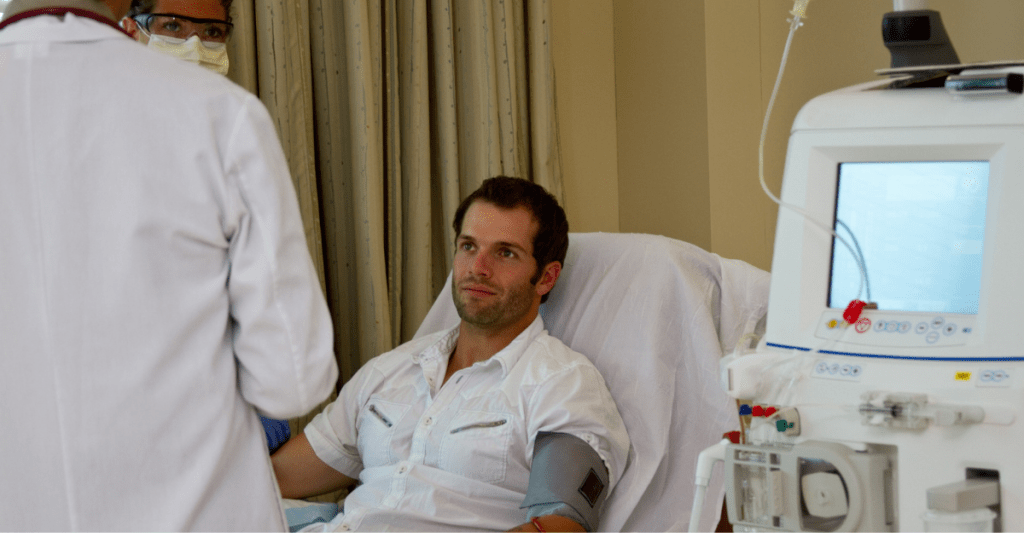
Your daily habits shape your kidney health. Diet, exercise, stress management, and medical care all play crucial roles. You are not powerless against this disease. Knowledge combined with action creates real protection for your kidneys and your entire body.
Key Takeaways
- Chronic kidney disease affects millions of Americans without their knowledge
- The silent killer nature of CKD means early detection saves lives
- No symptoms until near kidney failure makes prevention essential
- Chronic kidney disease incurable but treatable through proper management
- Your lifestyle choices directly impact kidney function and disease progression
- Early recognition allows you to slow or stop kidney disease advancement
- Taking action today protects your kidneys for years to come
Understanding Chronic Kidney Disease: The Silent Killer
Your kidneys filter your blood every day. They remove waste and extra fluid. If they get damaged, they can’t do this job well.
This damage can lead to serious health problems. It affects many parts of your body.
Chronic kidney disease develops slowly. It often goes unnoticed because it starts quietly. Knowing how it progresses is key to protecting your health.

Why CKD Often Goes Undetected
Early-stage kidney disease has no warning signs. You won’t feel pain, fatigue, or unusual symptoms at first. Your body keeps working normally even as your kidneys fail.
Many people find out they have chronic kidney disease too late. By then, kidney failure risks are high. Regular blood tests are the only way to catch it early. This is why screening is crucial for those at risk.
- Early CKD typically shows no symptoms
- Damage accumulates silently over months or years
- Most people feel perfectly healthy despite declining kidney function
- Blood tests reveal kidney problems before you notice anything
How Kidney Disease Affects Your Body
When the kidneys can’t filter blood, your body suffers. Waste and extra fluid build up in your blood. This creates dangerous conditions in your body.
| Kidney Disease Impact | What Happens |
|---|---|
| Heart Problems | Extra fluid strains your heart; kidney disease increases the risk of heart disease and heart attacks |
| Anemia | Your kidneys produce less erythropoietin, causing a low red blood cell count and fatigue |
| Bone Disease | Damaged kidneys can’t regulate calcium and phosphorus, weakening your bones |
| Nerve Damage | Toxins build up and harm nerves, causing weakness and numbness |
| Brain Function | Advanced kidney disease affects the heart and brain through fluid imbalances and chemical changes |
Advanced kidney disease harms your heart and brain. These organs deteriorate as kidney disease worsens. Without treatment, it can lead to complete kidney failure. This might require dialysis or a kidney transplant.
Understanding these connections shows why prevention is crucial. Early detection gives you the best chance to slow disease progression and protect your health.
Identifying Your Risk Factors for Kidney Disease
Knowing your risk for kidney disease is the first step to protecting your kidneys. Many people don’t know they have risk factors until it’s too late. By finding out early, you can work with your doctor to slow or stop kidney disease.
Your kidneys filter waste from your blood. Certain conditions make this job harder. Identifying your risk factors gives you power over your health.
Common Causes of Kidney Disease
Diabetes, high blood pressure, and heart disease cause most kidney disease. These conditions damage the tiny blood vessels in your kidneys over time.
- Diabetes affects approximately 1 in 3 adults, who may develop chronic kidney disease
- High blood pressure impacts about 1 in 5 adults, with potential kidney damage
- Heart disease significantly increases your risk of kidney disease
If you have diabetes, your blood sugar damages kidney filters. High blood pressure forces your kidneys to work too hard. Heart disease strains your entire system, including your kidneys.

Family History and Genetics
Your genetics and family history are key in kidney disease risk. If your parents, grandparents, or siblings have kidney failure, your risk goes up. Genetics and family history of kidney disease run in some families, making screening essential for you.
Other Important Risk Factors
Beyond diabetes and high blood pressure, several other conditions raise your risk:
| Risk Factor | How It Affects Your Kidneys | Action Steps |
|---|---|---|
| Obesity | Extra weight puts pressure on the kidneys and increases blood sugar problems | Aim for a healthy weight through a balanced diet and exercise |
| Kidney Infections | Repeated infections can scar kidney tissue and reduce function | Seek treatment promptly for any urinary tract infections |
| Cancer | Some cancer treatments damage kidney cells; cancer as a risk factor requires monitoring | Discuss kidney protection with your oncology team |
| NSAIDs Harmful Use | Long-term use of ibuprofen or naproxen reduces kidney blood flow | Use pain relievers sparingly and ask your doctor about alternatives |
| Physical Injury | Trauma to the kidney area can cause immediate or delayed damage | Protect yourself during sports and activities |
Being overweight or obese strains your kidneys, along with other health problems. Kidney infections and physical injury can trigger immediate kidney damage. Cancer as a risk factor sometimes includes kidney-damaging treatments.
The Medication Warning
Many people use over-the-counter pain relievers without thinking about kidney damage. NSAIDs’ harmful effects become serious with regular, long-term use. Ask your doctor about safer pain relief options if you take these medicines regularly.
The Dangerous Cycle
Having kidney disease creates a concerning cycle. Your kidney problems increase your chances of developing heart disease and stroke. This means protecting your kidneys also protects your heart.
Start by listing which risk factors apply to your situation. Talk with your healthcare provider about screening tests and prevention strategies. Early action prevents serious kidney damage down the road.
Recognizing the Warning Signs and Red Flags
Your kidneys filter waste from your blood quietly. When they fail, knowing the signs is crucial. Early detection can greatly improve your health. But kidney disease often shows no symptoms at first.
Many people ignore kidney warning signs, thinking they’re something else. Fatigue might seem like being busy, and swelling could be from standing too long. Learning about these signs helps you catch kidney problems early.

Early Symptoms of Kidney Dysfunction
When kidneys struggle, your body holds onto extra fluid. You might see swelling in your legs, feet, ankles, hands, or face. This is because your kidneys can’t remove water as they should.
Look out for these early signs:
- Unexplained fatigue that doesn’t improve with rest
- Appetite loss without trying to eat less
- Nausea that comes and goes throughout your day
- Changes in how often you urinate
- Darkened urine or foamy urine appearance
- Trouble sleeping or poor sleep quality
These symptoms are subtle and can be overlooked. Feeling tired one day might seem normal. A decrease in appetite could be mistaken for a cold. It’s important to notice when these signs happen together or last for weeks.
Advanced CKD Symptoms You Shouldn’t Ignore
As kidney disease gets worse, symptoms become more serious. Recognizing red flags is crucial for your health and safety.
Watch for these advanced warning signs that demand immediate attention:
- Weight loss that happens without dieting
- Muscle cramps, especially in your legs
- Chest pain or pressure in your chest area
- Shortness of breath during normal activities
- Concentration problems and difficulty thinking clearly
- Severe nausea and persistent poor appetite
- Extreme lack of energy throughout your day
- Mental confusion or difficulty remembering things
Chest pain and shortness of breath together can mean kidney problems are harming your heart. Concentration problems and mental decline suggest your kidneys are failing. These symptoms mean toxic waste is building up in your body.
In advanced stages, symptoms worsen. Your appetite almost disappears, and energy drops to very low levels. Sleep becomes restless, and nausea becomes constant.
Don’t wait for symptoms to get worse before seeing your doctor. If you notice any of these warning signs, get an appointment right away. Early action can slow kidney disease and protect your health from serious problems.
What You Can Do To Prevent Chronic Kidney Disease
You have more power over your kidney health than you might think. Taking action to prevent chronic kidney disease is simple. It focuses on managing health conditions like diabetes and high blood pressure. These steps also protect your whole body, not just your kidneys.
The timing of your action is crucial. The earlier you take steps for prevention and management, the better your outcomes will be. If you’ve already been diagnosed with CKD, the right treatment and lifestyle changes can help. They can slow disease progression and lower your risk of heart disease and kidney failure.
Many people feel trapped by kidney disease, thinking they have no control. But this is not true. You can take charge of your health through diet and lifestyle changes. Your choices really do matter.
Key Actions for Prevention and Management
- Control your blood pressure to prevent kidney damage
- Manage your blood sugar if you have diabetes
- Make healthy food choices and reduce sodium intake
- Stay physically active most days of the week
- Maintain a healthy weight for your body type
- Limit alcohol consumption
- Take medications as prescribed by your doctor
- Get regular kidney function tests
What you can do to prevent chronic kidney disease is to take charge today. These actions protect your kidneys and improve your life quality.
Managing Diabetes, High Blood Pressure, and Heart Disease
If you have diabetes, high blood pressure, or heart disease, your kidneys are at risk. These conditions can harm kidney tissue over time. But, there’s good news. You can take steps to protect your kidneys.
Keeping your blood sugar and blood pressure in check is key. Your healthcare team can help you achieve these goals. This stops kidney damage before it starts.
Managing these conditions means regular doctor visits. It’s important to control both blood sugar and blood pressure. This duo protects your kidney health. When you manage these well, you can prevent disease progression and keep your kidneys working longer.

Keeping Blood Sugar and Blood Pressure Under Control
If you have diabetes, check your blood glucose levels daily. Your healthcare team will set your blood sugar targets. Getting your A1C tested twice yearly helps track your blood sugar over time.
Your blood pressure goal is also crucial. Most people with diabetes should aim for readings below 140/90 mm Hg. Some doctors recommend a stricter target of less than 130/80 mm Hg. Regular monitoring at home or at your doctor’s office is important to see if your plan is working.
- Check blood glucose one or more times daily if you have diabetes
- Get A1C testing at least twice yearly, ideally four times per year
- Aim for blood pressure below 140/90 mm Hg (or 130/80 mm Hg for stricter control)
- Get kidney function tested yearly if you have diabetes
- Monitor blood pressure at home for better tracking
Medications That Protect Your Kidneys
Changing your medications can greatly protect your kidneys. Some blood pressure medicines do more than just lower your numbers. They actively protect your kidneys from damage.
ACE inhibitors and ARBs (angiotensin 2 receptor blockers) are frontline kidney protectors. These drugs reduce protein in your urine, a major risk factor for kidney disease. Ask your doctor if you’re taking medications like lisinopril, enalapril, losartan, or valsartan. If not, discuss whether these options fit your health needs.
A newer class called SGLT2 inhibitors shows promise for people with diabetes. These drugs were designed for blood sugar control, but also protect both your kidneys and heart. They work well if you have mild to moderate kidney disease with protein in your urine. Talk to your doctor about preventing disease progression with these newer options.
| Medication Type | How It Works | Best For |
|---|---|---|
| ACE Inhibitors | Lowers blood pressure and reduces protein in urine | Diabetes and high blood pressure |
| ARBs (Angiotensin 2 Receptor Blockers) | Protects the kidneys by lowering pressure inside the kidney blood vessels | Diabetes and high blood pressure |
| SGLT2 Inhibitors | Controls blood sugar while protecting the kidneys and heart | Diabetes with mild to moderate kidney disease |
Your healthcare team may suggest medication changes as your health needs shift. Work closely with your doctor to find the right combination of medicines for your situation. Regular blood pressure and blood sugar monitoring help you and your doctor know if your current medications are protecting your kidneys effectively.
Dietary Management and Lifestyle Changes for Kidney Health
Looking after your kidneys means making good food choices and living healthily. Start by eating foods that are good for your heart and body. Opt for fresh fruits, veggies, whole grains, and low-fat dairy. These foods are nutritious and gentle on your kidneys.
Reducing salt in your diet is key. Aim for less than 2,300 milligrams of sodium daily. If you have kidney disease, try to limit it to 2,000 milligrams. Avoid processed foods, canned soups, and frozen dinners that are high in salt. Also, limit added sugars to less than 10 percent of your daily calories.

When you have kidney disease, managing protein intake is crucial. Eating less protein helps your kidneys work less hard. Your doctor will tell you how much protein is safe for you. Also, watch your intake of potassium and phosphorus, as some foods are high in these minerals.
| High-Potassium Foods to Limit | Low-Potassium Foods to Choose |
|---|---|
| Bananas | Apples |
| Oranges | Grapes |
| Potatoes | Carrots |
| Spinach | Green beans |
| Tomatoes | Cabbage |
| Avocados | Strawberries |
Your lifestyle is just as important as your diet. Aim for 30 minutes of exercise most days. It helps control blood sugar and keeps your heart healthy. Avoiding tobacco and alcohol also protects your kidneys from harm. Limit alcohol to one drink a day for women and two for men.
Stress management is vital for kidney health. Your emotional state affects your physical health. Try these stress-reducing activities:
- Meditation
- Yoga
- Tai chi
- Walking in nature
- Deep breathing exercises
Make sure to get 7 to 8 hours of sleep each night. Losing weight, if you’re overweight, can also help your kidneys. Working with a registered dietitian can help you create a meal plan that’s good for your kidneys and meets your nutritional needs.
Getting Tested and Working with Your Healthcare Team
Staying informed and working with your doctors is key to managing your kidney health. Regular tests and open talks with your healthcare team are crucial. They help catch problems early and protect your kidneys from serious damage.

Essential Kidney Function Tests
Regular testing is a smart move for your kidney health. If you’re at risk for chronic kidney disease, talk to your doctor about testing frequency. People with diabetes should get tested yearly since early kidney disease often has no symptoms.
Blood and urine tests are key for checking your kidney function. Blood tests measure waste products like creatinine and urea. These numbers show how well your kidneys filter waste.
Urine tests look for protein and blood, which can signal kidney damage. Your doctor might also use ultrasound imaging to check your kidneys’ structure and size.
| Test Type | What It Measures | What Results Mean |
|---|---|---|
| Blood Creatinine Test | Waste product levels in blood | High levels suggest reduced kidney function |
| Glomerular Filtration Rate (GFR) | Kidney filtering ability percentage | Shows the remaining kidney function percentage |
| Blood Urea Nitrogen (BUN) | Nitrogen waste in the blood | Elevated levels indicate kidney stress |
| Urine Albumin Test | Protein in the urine sample | Presence suggests kidney damage |
| Kidney Ultrasound | Kidney structure and size | Detects abnormalities and damage |
Important Questions to Ask Your Doctor
Knowing what to ask your doctor is crucial for your care. Go to your appointments ready with questions about your kidney health and test results. This way, you stay informed and involved in your treatment plan.
Start by asking for your specific numbers. Ask for your GFR and urine albumin results. Also, ask about your blood pressure and blood glucose levels if you have diabetes. These details are important for understanding your kidney health.
Ask about your kidney health plan moving forward. Find out how often you should get tested based on your risk factors. Ask if you need different medicines or if ACE inhibitors or ARBs are recommended. Also, ask what daily actions you can take to keep your kidneys healthy.
- What is my current GFR number?
- What does my urine albumin result show?
- How often should I get my kidneys checked?
- Do I need different medications?
- Should I take ACE inhibitors or ARBs?
- What physical activities are safe for me?
- What foods should I eat or avoid?
- Am I at a healthy weight?
- Should I see a dietitian for meal planning?
- What other health problems with kidney disease might I face?
- Should I see a nephrologist for specialist care?
If your kidney disease is getting worse or you have other health issues, ask about seeing a nephrologist. A nephrologist is a kidney specialist who can offer expert care. Discuss other health complications you might face and how to prevent them. Good communication with your healthcare team empowers you to protect your kidneys and overall health.
Treatment Options When Kidney Disease Progresses
When your kidneys get severely damaged, you might reach end-stage renal disease. At this stage, your kidneys can’t filter waste, fluid, and salt from your body. Knowing your treatment options helps you make informed decisions with your healthcare team.
The goal of early treatment is to slow kidney disease and manage symptoms. But if your kidney function drops a lot, you’ll need kidney replacement therapy. You have several treatment options, each with its own benefits and challenges.
Understanding Your Main Treatment Options
You have three main treatment paths: kidney transplant, dialysis, or comprehensive medical management. Each approach helps you live with kidney failure in different ways.
| Treatment Type | How It Works | Time Commitment | Location |
|---|---|---|---|
| Kidney Transplant | Surgical placement of a healthy kidney from a donor | One-time surgery; lifelong medication | Hospital |
| Hemodialysis | Machine filters waste and excess fluid from the blood | 3-4 hours, three times weekly | Dialysis center or home |
| Peritoneal Dialysis | Abdominal membrane filters waste using dialysis solution | Nightly exchanges (automated) | Home |
| Medical Management | Symptom management and comfort care | Ongoing appointments as needed | Home and clinic visits |
Kidney Transplant: The Best Option for Many
A kidney transplant is the best treatment for kidney failure. Transplanted kidneys can come from deceased donors or living donors, like family or friends. You’ll need a complete evaluation to see if you’re healthy enough for surgery.
After surgery, you’ll take anti-rejection medicines for life. These medicines stop your body from attacking the new kidney. Many people with transplants have a better quality of life and live longer than those on dialysis.
Dialysis: Artificial Filtering of Your Blood
Dialysis removes waste and extra fluid when your kidneys fail. There are two main types:
- Hemodialysis uses a machine to filter your blood at a dialysis center three times per week for 3-4 hours each session. Some people can do it at home, offering more flexibility.
- Peritoneal dialysis happens at home using a thin tube in your abdominal area. Your body’s natural membrane acts as the filter. Most people use a cycler machine for automatic exchanges while sleeping at night.
Comprehensive Medical Management
Some people choose not to pursue dialysis or a kidney transplant. Instead, they focus on comprehensive medical management. This approach focuses on symptom control and comfort as kidney disease progresses. It works with your doctor to manage pain, nausea, and other effects of kidney failure.
Understanding these treatment options empowers you to discuss what’s best for your situation with your healthcare provider.
Conclusion
You now know how to prevent chronic kidney disease. Your kidneys filter waste from your blood every day. You have the power to protect them.
By taking action today, you can stop kidney disease or slow it down. Your choices are very important.
Being active in your health is key. Check your blood pressure at home and take your meds as told. Tell your doctor about any side effects right away.
Working with your medical team is crucial. They want to help protect your kidneys and keep you healthy.
Prevention and management keep your body strong. Controlling blood pressure stops kidney damage. Eating right and moving daily also helps.
Managing diabetes and other health issues is vital. Every step you take protects your kidneys and your whole body.
You are not helpless against kidney disease. Millions of Americans face this challenge, but you now have the knowledge to act. Keep learning about your health and get tested regularly.
Ask your doctor questions and follow the changes discussed. The steps you take today will build a healthier tomorrow. Your kidneys deserve your care, and your commitment will pay off for years to come.



 trim down and shape up
Leave a comment