

Every year, about 900,000 Americans face a blood clot event that needs medical help. Many cases could be stopped by simple food choices every day. Your body makes clots to stop bleeding after an injury. But clots in your blood vessels without cause are very dangerous.
You have the power to lower your clot risk. Unlike your age or family history, you can change your diet now. Foods that prevent blood clots help by keeping blood flowing well and reducing inflammation. Dr. Steven Masley, from The 30-Day Heart Tune-Up, says adding certain foods to your meals can stop deep vein thrombosis and other clotting issues.
This article teaches you about five foods backed by science to prevent blood clots. These foods are full of nutrients that help your heart. By knowing which foods to eat, you can protect your blood vessels. This info is to help you make better food choices.

Key Takeaways
- You can reduce your blood clot risk through smart dietary choices that work daily
- Omega-3 fatty acids and antioxidants support healthy blood flow naturally
- Specific foods that help prevent blood clots are backed by medical research
- Inflammation plays a major role in blood clot formation in your vessels
- Adding these five foods to your diet is a simple step toward better heart health
- Your doctor should review any major dietary changes, specially if you take blood thinners
- Foods that help prevent blood clots work best as part of an overall healthy lifestyle
Understanding Blood Clots and Their Risks
Blood clots are a natural part of healing, but they can be dangerous if they form in the wrong place. Knowing about blood clots and how they form helps you spot risks early. Your body needs to clot to stop bleeding, but unwanted clots can be deadly. By learning about these conditions, you can make diet and lifestyle choices to stay safe.

What Are Blood Clots and How Do They Form
What are blood clots? They are solid masses that form when your blood thickens. Your body has special cells called platelets that stick together when needed. When blood vessels get damaged or blood flow slows down, these platelets clump together.
A protein called fibrin acts like a net, trapping blood cells and creating a solid plug.
How do blood clots form inside your veins? Several factors trigger clot formation:
- Prolonged immobility from long flights or bed rest
- Injury to blood vessel walls
- Slow blood circulation in your legs
- Certain medical conditions affecting blood composition
- Surgery or trauma to your body
Your veins are more vulnerable because blood moves more slowly there compared to arteries.
Why Blood Clots Are Dangerous to Your Health
Why are blood clots dangerous? They block blood flow to vital organs and tissues. When a clot stops blood from reaching areas of your body, those tissues don’t get oxygen. This oxygen deprivation causes serious damage.
Blood clots can lead to:
- Stroke when clots block the brain’s blood vessels
- A heart attack if clots reach your heart
- Organ damage from reduced oxygen supply
- Pain and swelling in affected areas
- Skin discoloration and tissue death
The real danger comes when clots break loose and travel through your bloodstream.
Deep Vein Thrombosis and Pulmonary Embolism Explained
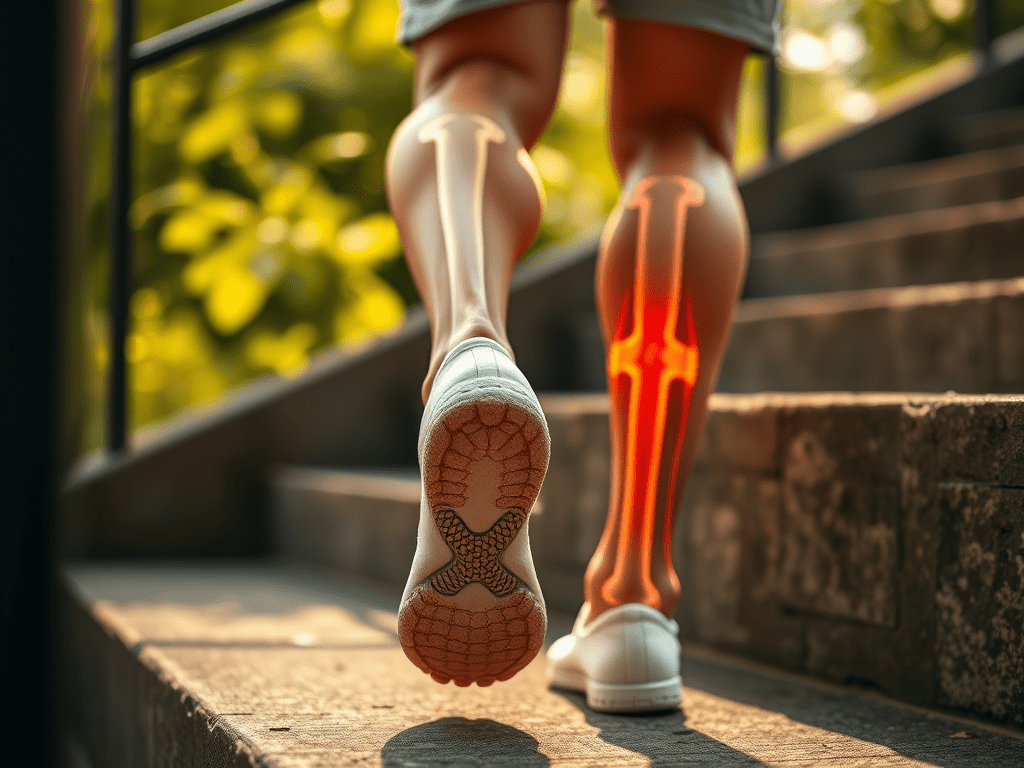
Deep vein thrombosis (DVT) is a blood clot that forms in a deep vein in the body, typically in your legs. You might notice swelling, warmth, redness, or pain in the affected leg. DVT is a blood clot that forms in a vein deep in the body and can break loose to cause a serious problem in the lungs called a pulmonary embolism.
A pulmonary embolism is a clot within the lungs that blocks blood flow to areas of the lung. This condition is life-threatening. A pulmonary embolism is a clot within the lungs that blocks blood flow to areas of the lung, sometimes making it difficult to breathe. Pulmonary embolism is a very dangerous condition because it can damage the lungs and other organs in the body.
Signs of pulmonary embolism include:
- Sudden shortness of breath
- Sharp chest pain
- Rapid heartbeat
- Dizziness or fainting
- Coughing up blood
| Condition | Location | Symptoms | Severity |
|---|---|---|---|
| Deep Vein Thrombosis (DVT) | Deep veins, usually in the legs | Swelling, pain, warmth, redness | Serious if the clot breaks loose |
| Pulmonary Embolism (PE) | Lungs | Shortness of breath, chest pain, rapid heartbeat | Life-threatening emergency |
The good news is that both DVT and pulmonary embolism are preventable and treatable. Early detection and proper medical care save lives. Your diet plays an important role in preventing these dangerous conditions from developing in the first place.
Common Risk Factors for Blood Clot Formation
Your risk of getting blood clots depends on many things. Some you can’t change, but others you can. Knowing what increases your risk helps you stay healthy. This part talks about the main reasons blood clots form.
Several things can cause blood clots. Injury to blood vessels makes your body try to heal. This healing can lead to clots as platelets stick together. Stasis of blood flow happens when blood moves too slowly in the veins. This slow movement lets platelets clump and form dangerous clots.

Your health history is also important. Certain medical conditions, like heart disease and cancer, increase your risk. Some medications also raise your clot risk. Birth control pills and hormone therapy are examples. Genetic factors like Factor V Leiden can also play a role.
Weight is something you can control. Being overweight or obese puts extra pressure on veins. This pressure doubles your risk of deep vein thrombosis. Age also increases your risk. While you can’t change your age or genetics, you can control your lifestyle choices.
| Risk Factor | Type (Controllable or Not) | Impact Level |
|---|---|---|
| Injury to blood vessels | Not Controllable | High |
| Stasis of blood flow | Controllable | High |
| Certain medical conditions | Not Controllable | Very High |
| Medications | Not Controllable | Moderate |
| Genetic factors | Not Controllable | Moderate to High |
| Obesity | Controllable | Very High |
| Age | Not Controllable | Moderate |
| Prolonged immobility | Controllable | High |
The good news is that your diet matters a lot. What you eat affects your blood flow and clotting risk. The next sections will show you which foods help prevent clots and which to avoid. By making smart food choices, you can control your risk.
How Your Diet Influences Blood Clot Prevention
Your diet is key to preventing blood clots. What you eat affects your body’s inflammation and blood pressure. A healthy diet helps manage your weight, reducing pressure on blood vessels and inflammation.
Knowing how food impacts blood clot prevention empowers you. It helps you make better choices at every meal.

The Connection Between Inflammation and Blood Clotting
Inflammation is your body’s response to damage from invaders. Your immune system tries to heal. But some foods cause long-term inflammation.
This chronic inflammation can lead to serious illnesses like diabetes and heart disease. These conditions affect blood clotting. So, controlling inflammation through diet is crucial.
- Chronic inflammation increases the risk of clot formation
- Poor food choices trigger prolonged inflammatory responses
- Anti-inflammatory nutrients reduce clotting dangers
- Weight management decreases inflammation markers
Foods That Promote Healthy Blood Flow
Foods rich in flavonoids and antioxidants help prevent blood clots. Dark chocolate, grapes, and certain teas are good examples. They support healthy blood circulation.
These foods also help control inflammation. Omega-3 fatty acids from fish oil offer additional protection. They work together to reduce blood clot risk.
| Food Type | Key Nutrients | Inflammation-Fighting Benefit |
|---|---|---|
| Dark Chocolate | Flavonoids | Lowers inflammation markers |
| Grapes | Antioxidants, Flavonoids | Reduces blood clot formation |
| Green Tea | Polyphenols, Flavonoids | Supports healthy blood flow |
| Fish Oil | Omega-3 Fatty Acids | Controls inflammation response |
Understanding inflammation’s impact on health is the first step to preventing blood clots. By eating foods high in antioxidants and anti-inflammatory nutrients, you can protect your heart. Every meal is a chance to support healthy blood flow and lower clotting risk.
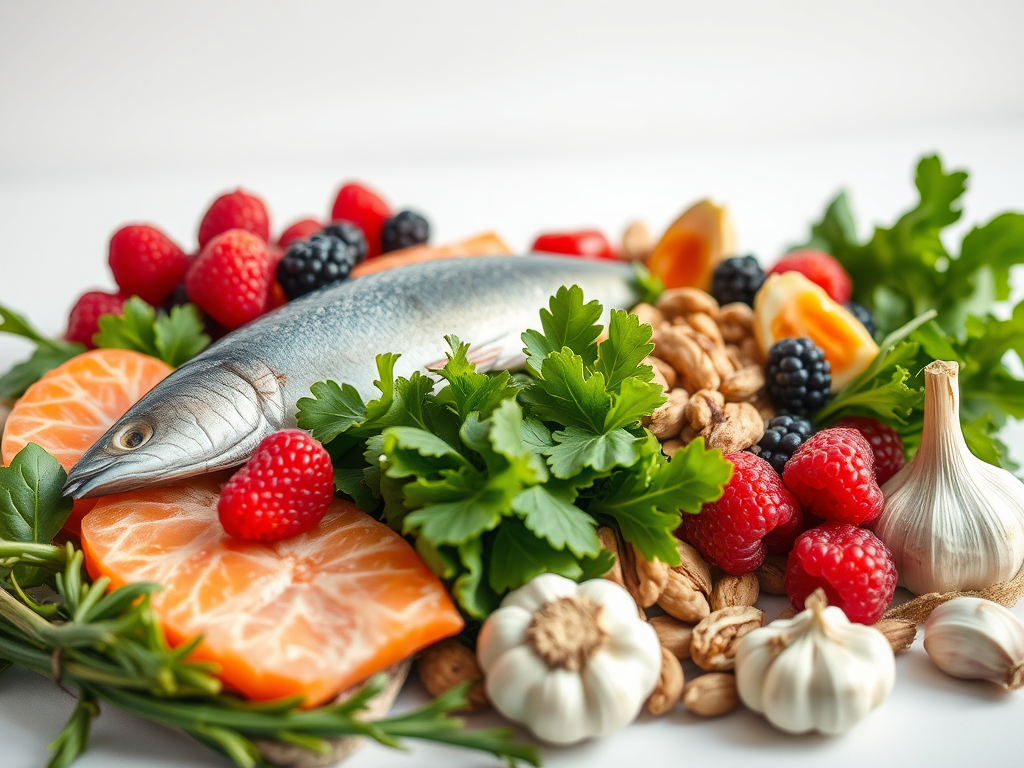
5 Foods That Help Prevent Blood Clots
Your diet is key to keeping your blood flowing well and preventing clots. Eating the right foods supports your heart health naturally. Five foods are great for lowering clot risk and boosting wellness.

Fatty Fish for Omega-3 Benefits
Fatty fish like salmon, mackerel, and sardines are full of omega-3s. These fight inflammation in your body. They help your blood vessels and improve blood flow.
Grill salmon, add sardines to salads, or bake mackerel. Omega-3s in fatty fish prevent blood from getting too thick and sticky.
Garlic as a Natural Blood Thinner
Garlic is more than just flavor. It lowers blood pressure, cholesterol, and triglycerides. A 2018 study found garlic prevents dangerous clotting.
Use fresh garlic in your cooking every day. Raw garlic in dressings gives the strongest benefits.
Turmeric and Its Anti-Clotting Properties
Turmeric has curcumin, which fights inflammation. It may thin your blood and prevent clots. A 2019 review showed turmeric boosts your body’s clot-fighting abilities.
Add turmeric to soups, rice dishes, and curries for daily benefits.
Dark Leafy Greens for Vascular Health
Dark leafy greens like spinach, kale, and Swiss chard are nutrient-rich. They support circulation and strengthen blood vessels. Eating these greens regularly keeps your vessels strong against clots.
- Spinach works great in smoothies and salads
- Kale chips make a satisfying snack
- Swiss chard blends into soups and stir-fries
Berries and Their Antioxidant Power
Berries like blueberries, strawberries, and raspberries are full of flavonoids and antioxidants. They fight inflammation and slow platelet activation. Studies show berries lower clot risk naturally.
Eat berries daily as snacks, add them to yogurt, or blend them into smoothies. Your body will be grateful for these sweet fruits.
Foods to Avoid That Increase Blood Clot Risk
Your diet is key to preventing blood clots. Some foods can harm your blood flow and cause inflammation. Knowing which foods to avoid is as important as knowing which ones to eat. By steering clear of bad foods, you can protect your heart.

Processed Foods and Refined Carbohydrates
Processed foods and refined carbs cause inflammation. This inflammation can lead to blood clots. Foods like white bread, white rice, and sugary cereals are culprits. Your body has a hard time processing them, leading to inflammation and damage to blood vessel walls.
Fast food is full of dangers. French fries, fried chicken, and burgers have trans fats that are bad for your heart. Trans fats are also found in margarine and shortening. Red meat and processed meats can also harm your arteries, raising your risk of blood clots.
Sodas and sugary drinks cause blood vessel inflammation. Candy and sweets add to the problem with too much sugar. These foods lack the nutrients your body needs for healthy blood flow.
Excessive Salt and Sugar Intake
Too much salt raises your blood pressure and makes your body hold water. This puts extra stress on your heart and disrupts blood flow, making clots more likely. Most Americans eat way too much sodium, over 2,300 milligrams a day.
Be careful with ingredient labels. Processed foods and fast food are often high in salt and sugar. Instead, use herbs and spices to flavor your food.
| Food Category | Examples | Risk Level | Primary Concern |
|---|---|---|---|
| Refined Carbohydrates | White bread, white rice, crackers | High | Inflammation and blood vessel damage |
| Fried Foods | French fries, fried chicken | High | Trans fats and plaque buildup |
| Sweetened Foods | Sugary cereals, pastries, and candy | High | Excessive sugar and inflammation |
| Beverages | Sodas, sugary drinks | High | Rapid glucose spikes |
| Processed Meats | Red meat, deli meats | High | Plaque formation and clotting risk |
| Cooking Fats | Margarine, shortening, lard | High | Trans fats and vessel damage |
Make informed choices by reading nutrition labels on all packaged items. Your blood health depends on eliminating these dangerous foods from your regular diet.
Staying Hydrated to Keep Blood Flowing Smoothly
Water is a powerful tool for preventing blood clots. Not drinking enough water makes your blood thicker and less efficient. This can lead to serious circulation problems and increase the risk.
The American Heart Association says dehydration makes blood thicker. Thicker blood moves slowly, which is perfect for clots to form. Your body needs water to keep blood flowing well and your heart working right.

Finding the right amount of water is easy. The National Academy of Sciences, Engineering, and Medicine has guidelines:
- Women should drink about 91 ounces of water daily from all sources
- Men should aim for 125 ounces daily
Cardiologists suggest drinking 1.5 to 2 liters of fluid each day. Stick to plain water and avoid carbonated drinks or sugary beverages.
Check Your Urine Color to Gauge Hydration
Your body tells you if you’re hydrated by your urine color:
| Urine Color | Hydration Status | What to Do |
|---|---|---|
| Pale yellow or clear | Well-hydrated | You’re drinking enough water |
| Dark yellow | Mild dehydration | Increase your daily water intake slightly |
| Amber or dark brown | Significant dehydration | Drink more water immediately and throughout the day |
Pale yellow urine means your blood flow is getting the hydration support it needs. Dark urine means you need to drink more water right away.
Practical Tips for Increasing Daily Hydration
Improving your hydration doesn’t need big changes:
- Carry a reusable water bottle with you wherever you go
- Set phone reminders throughout the day to drink water
- Eat water-rich foods like cucumbers, watermelon, and lettuce
- Drink a glass of water with each meal
- Keep water on your nightstand and drink when you wake up
Drinking enough water works with heart-healthy foods to prevent clots. While eating garlic, turmeric, and leafy greens, your water intake is key. Dehydration can undo all your clot-prevention efforts. So, start with hydration for better blood flow and vascular health.
The Role of Healthy Fats in Blood Clot Prevention
The type of fat you eat affects your blood clot risk. Your body needs healthy fats to function well and keep blood flowing. Choosing the right fats can lower your risk of blood clots, while the wrong ones can increase it.
It’s important to know the difference between good and bad fats. This section will explain which fats help prevent clots and which to avoid.

Extra Virgin Olive Oil Benefits
Extra virgin olive oil is a top choice for healthy fats. Studies show it can stop platelets from clumping. This is good because platelets sticking together can lead to blood clots.
Regularly eating olive oil supports healthy blood flow. It contains special substances that protect your heart and blood vessels.
Here are simple ways to use extra virgin olive oil daily:
- Drizzle it on salad greens as a dressing
- Use it lightly for sautéing vegetables
- Pour it over cooked whole grains
- Add it to soups after cooking
- Mix it into smoothies for extra nutrients
Avoiding Saturated Animal Fats
Saturated animal fats are different from healthy fats. They can cause inflammation in your body. This inflammation increases your risk of blood clots.
Foods like burgers, deep-fried items, and red meat are pro-inflammatory. They can trigger processes that make blood clots more likely. High cholesterol diets with these fats are risky for clot formation.
Making smarter food choices protects your health:
| Foods to Limit | Healthier Alternatives |
|---|---|
| Fatty meats and red meat | Lean chicken breast or fish |
| Full-fat dairy products | Low-fat or fat-free milk and yogurt |
| Deep-fried foods | Baked or grilled preparations |
| Butter and cream sauces | Olive oil-based dressings |
| Processed meat products | Plant-based protein sources |
By choosing olive oil and canola oil over saturated fats, you take a powerful step toward preventing blood clots and keeping your cardiovascular system healthy.
Important Considerations When Taking Blood Thinners
When you’re on blood thinners like warfarin or Coumadin, watch what you eat. Healthy foods can sometimes mess with your meds. Always check with your doctor before changing your diet, as some foods can interact with your meds.
Your doctor’s advice is key because meds can interact in ways you might not expect. The foods you choose can affect how well your blood thinners work.
Vitamin K and Warfarin Interactions
Vitamin K is in many healthy foods. But it can make warfarin and Coumadin less effective. Foods like spinach, kale, and broccoli are high in vitamin K. Also, talk to your doctor about cranberry juice, green tea, mayonnaise, and fish oil supplements.
You don’t have to avoid these foods. Eating them in small, consistent amounts is better than cutting them out. The National Institutes of Health suggests an average daily vitamin K intake of 122 micrograms for women and 138 micrograms for men.
| Food Item | Vitamin K Content | Recommendation |
|---|---|---|
| Cooked Spinach (1 cup) | 145 micrograms | Eat consistently in small portions |
| Cooked Kale (1 cup) | 1062 micrograms | Monitor intake carefully |
| Cooked Broccoli (1 cup) | 220 micrograms | Eat consistently in small portions |
| Brussels Sprouts (1 cup) | 218 micrograms | Eat consistently in small portions |
| Green Cabbage (1 cup) | 145 micrograms | Eat consistently in small portions |
Eating the same amount of vitamin K-rich foods each day keeps your blood levels steady. This helps your warfarin work better. Doctors used to tell patients to avoid green leafy veggies. Now, they say eat them regularly but keep portions the same.
If you take newer blood thinners like rivaroxaban or apixaban, you don’t have to worry about vitamin K. These meds work differently and aren’t affected by vitamin K like warfarin is.
Consulting Your Doctor Before Dietary Changes
Before changing your diet, talk to your doctor or pharmacist. This is crucial for your safety. Your healthcare provider knows your specific situation and medication interactions. They can tell you which foods are safe for your blood thinners.
Natural remedies and supplements might seem helpful, but they can interact with your meds. Some herbal products can affect how your anticoagulants work. Your doctor can explain which natural substances are safe with your meds.
- Always inform your doctor before starting any new food plan
- Tell your doctor about any supplements you take
- Ask about specific foods you’re concerned about
- Keep a food diary to track patterns
- Schedule regular blood tests as your doctor recommends
Your doctor wants you to stay healthy and avoid dangerous blood clots. Working together means better results. Don’t hesitate to ask questions about how foods affect your blood thinners. Clear communication prevents serious medication interactions and keeps you safe.
Additional Natural Substances That May Help
Many natural substances can help keep your blood flowing well. These substances work in different ways in your body. But remember, they are not as powerful as medicines and can’t dissolve blood clots.
- Ginger – This spice may stop blood clots by reducing a hormone that makes platelets stick. It has compounds like aspirin.
- Cinnamon – This spice has a blood-thinning agent used in warfarin. Eating a little of it might help other natural thinners.
- Ginkgo biloba – This herb may block an enzyme that causes blood clots.
- Vitamin E – This vitamin might help prevent blood clots, but too much can be bad.
- Grape seed extract – Studies show it might stop platelets from sticking.
- Bromelain from pineapple – This enzyme in pineapples has anti-inflammatory effects and might help your heart.
Always talk to your doctor before trying these natural remedies. They should not replace your medicines, and they might interact with them.
Conclusion
Deep vein thrombosis is a serious condition that can lead to illness, disability, or death. The good news is that you can prevent DVT. You can lower your risk by making smart dietary changes and living a healthier lifestyle.
By choosing better foods every day, you can control your heart health. This article has shown you five foods that help prevent blood clots. Fatty fish like salmon and mackerel are good for your blood. Garlic, turmeric, dark leafy greens, and berries also help.
It’s important to eat healthy fats, drink water, and avoid processed foods. These steps are key to a healthy lifestyle. They help lower your risk of DVT.
Natural foods and supplements can help your health, but they’re not a replacement for medicine. They can’t dissolve blood clots. If you’re on blood thinners, talk to your doctor before changing your diet.
While you can’t control your age or genetics, you can control what you eat. Your food choices are crucial. By making healthy changes and living a healthy lifestyle, you protect your heart and lower your DVT risk. Start today by adding one of these five foods to your next meal. Your future self will thank you.
 trim down and shape up
Leave a comment