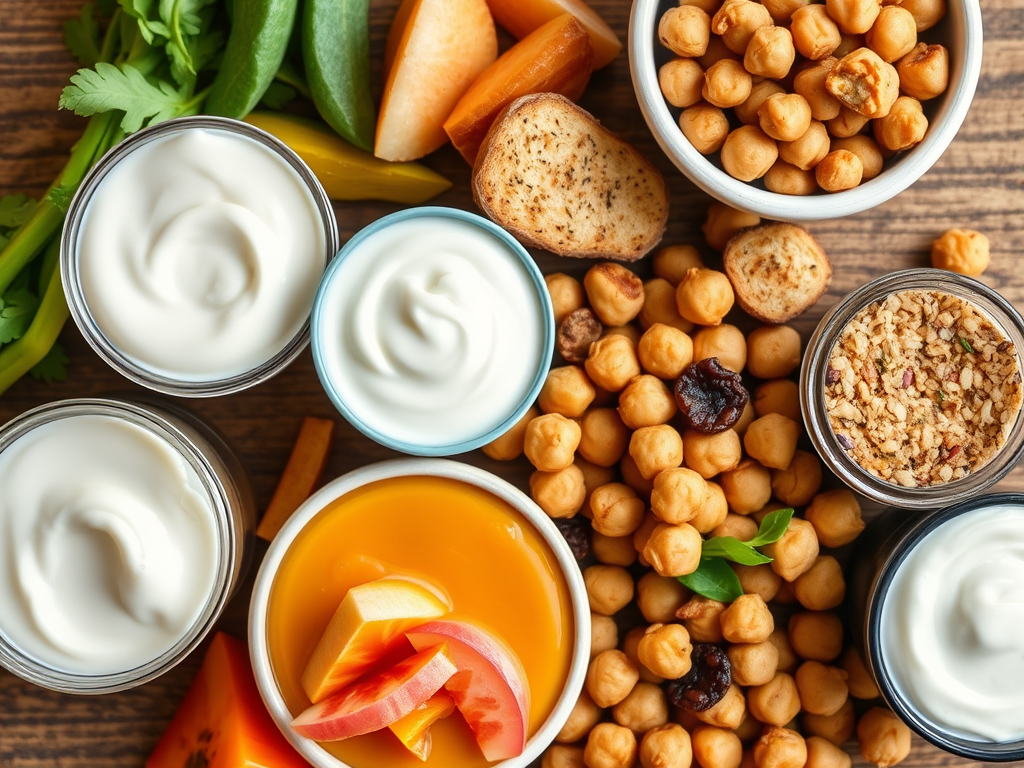


About 90 percent of your immune cells live in your gut. Yet, most people only think of yogurt for digestive wellness. Your gut microbiome needs more than one food to thrive.
We have found 6 more snacks with gut health benefits, not just yogurt, that can change your digestive health. The talk about gut-friendly eating has grown beyond yogurt in your fridge.
Your body does best with a mix of fermented foods and fiber-rich snacks. These snacks give your gut different beneficial bacteria and nutrients. Eating a variety is not just for new tastes—it’s for a healthy gut microbiome.
In this article, you’ll learn about 6 snacks with gut health benefits, not just yogurt. Each snack has unique compounds and health benefits. From fermented veggies to kombucha, these snacks are easy to add to your day for better digestion and wellness.

Key Takeaways
- Your gut microbiome contains trillions of bacteria that affect your immunity, digestion, and metabolism
- Fermented foods like kefir, kimchi, and natto provide beneficial bacteria your gut needs
- 6 snacks with gut health benefits that aren’t yogurt offer diverse nutritional support for your digestive system
- Fiber-rich snacks like roasted chickpeas feed the good bacteria already living in your gut
- Short-chain fatty acids produced by your gut bacteria help prevent disease and support overall health
- Eating a variety of gut-friendly foods creates a stronger, more resilient microbiome
Understanding the Connection Between Your Gut Microbiome and Overall Health
Your gut is more than just a place for digestion. It’s linked to your immunity, metabolism, and risk of chronic diseases. Inside your gut, trillions of bacteria work hard to keep you healthy. They affect your digestion, immunity, and how you fight infections.
Think of your gut bacteria as a hidden army protecting your health. Supporting gut health helps keep your microbiome diverse and benefits your overall health. When your microbiome thrives, your body works better. You can improve your gut health by choosing the right foods.

How Your Gut Influences Digestion and Immunity
Your gut bacteria do essential work every day. They break down foods your body can’t digest alone. They also create vitamins like B12 and K, which your body needs.
Your immune system relies on your gut health. About 70% of your immune cells live in your digestive tract. A strong and diverse gut microbiome helps your immune cells fight off harmful invaders. This keeps you from getting sick often and reduces inflammation.
- Beneficial bacteria strengthen your gut barrier
- Your gut produces compounds that fight bad bacteria
- A healthy microbiome trains your immune system to respond correctly
The Role of Gut Bacteria in Metabolism and Disease Prevention
Your gut bacteria play a huge role in managing your weight and energy. They affect how many calories you absorb and how efficiently you burn energy. They also influence your blood sugar levels, which helps prevent type 2 diabetes.
The gut microbiome is linked to digestion, immunity, metabolism, and chronic disease risk. Research shows that a diverse, healthy gut microbiome lowers the risk of heart disease, certain cancers, and autoimmune conditions. Your gut bacteria produce compounds that reduce inflammation and protect your health.
| Gut Health Factor | Impact on Your Body |
|---|---|
| Diverse Bacteria Population | Better digestion and stronger immunity |
| Healthy Gut Barrier | Reduced inflammation and better nutrient absorption |
| Short-Chain Fatty Acid Production | Lower disease risk and better metabolism |
| Vitamin Synthesis | Improved energy levels and bone health |
Supporting gut health is key to maintaining a diverse microbiome. The foods you eat today shape your gut bacteria tomorrow. Eating gut-friendly snacks rich in probiotics and fiber boosts your long-term wellness and disease prevention.
Kefir: A Probiotic-Rich Fermented Drink for Gut Wellness
Kefir is a fermented drink rich in probiotics, making it a top choice for gut health. It comes from the Caucasus Mountains and has been used for centuries to aid digestion. Unlike yogurt, kefir has 30+ beneficial bacteria and yeast varieties.
Kefir’s power comes from kefir grains, a mix of good microbes. These grains turn milk or water into a fizzy, nutrient-rich drink. Each sip brings a variety of microbes to your gut, boosting digestion and immunity.

- Dairy-based kefir—made from cow’s or goat’s milk, offering protein and calcium alongside probiotics
- Water-based kefir—a dairy-free option perfect if you’re lactose intolerant or follow a plant-based diet
It’s easy to add kefir to your diet. You can drink it straight, blend it into smoothies, or use it in salad dressings. Each serving has microbes like Lactobacillus kefiri, which fight off bad bacteria in your gut.
“Kefir provides more probiotic diversity than almost any other fermented food.”
Kefir is great for anyone looking to improve gut health without yogurt. It offers a wide range of beneficial microbes in every sip.
Kimchi: Traditional Korean Fermented Vegetables That Support Digestive Health
Kimchi is a traditional Korean dish made from fermented vegetables, often cabbage. It’s known for its bold taste and health benefits. Discover why kimchi is a great addition to your diet.

What Makes Kimchi a Gut-Friendly Food
The fermentation process turns kimchi into a probiotic powerhouse. Beneficial Lactobacillus bacteria grow, creating a rich source of probiotics. These are also found in probiotic supplements.
Kimchi offers more than just probiotics. It provides:
- Fiber for your good gut bacteria
- Vitamins A, B, and C from vegetables and spices
- Bioactive compounds from garlic, ginger, and chili peppers
- Essential minerals for overall health
The fermentation process boosts nutrient absorption. Eating kimchi strengthens your digestive system. It produces beneficial metabolites that work in your gut.
Incorporating Kimchi Into Your Daily Snacking Routine
You don’t have to limit kimchi to Korean meals. It’s versatile and can be part of many snacks:
- Eat kimchi straight from the jar as a tangy, spicy snack
- Top avocado toast with kimchi for crunch and flavor
- Mix kimchi into scrambled eggs for breakfast
- Add kimchi to grain bowls with rice and proteins
- Create kimchi quesadillas with cheese and vegetables
Start with small portions if you’re new to kimchi. Your taste buds will adjust, and your gut will thank you for the probiotic boost.
Natto: The Japanese Fermented Soybean Snack with Powerful Gut Benefits
Natto is a traditional Japanese food made from fermented soybeans. It offers impressive gut health benefits. This snack might be new to Americans, but it’s packed with probiotics.

Natto’s taste is nutty and earthy. Like aged cheese, its smell is strong. The texture is sticky and stringy, which can be a challenge at first. But don’t let that stop you from trying it.
Natto is more than just probiotics. It also has vitamin K2 for strong bones and the heart. It has nattokinase, an enzyme that helps with blood flow. Plus, it has probiotics and fiber for your gut.
Starting with natto doesn’t have to be hard. Here are some tips:
- Mix small amounts into warm rice with soy sauce
- Add mustard to soften the strong flavor
- Try freeze-dried natto for a crunchier texture with less intensity
- Combine natto with other toppings you enjoy
Natto is a traditional Japanese food that requires an adventurous spirit. Your gut will thank you for the effort.
6 Snacks with Gut Health Benefits That Aren’t Yogurt
You don’t need yogurt to keep your gut healthy. Many tasty snacks offer probiotic and prebiotic benefits in unique ways. Here are three more snacks to add to your list, each helping your digestive system in its own way.
Kombucha: Fermented Tea Packed with Beneficial Bacteria
Kombucha is made by mixing tea with sugar. This sugar feeds the SCOBY, a mix of bacteria and yeasts, during fermentation. It turns into a fizzy drink full of live probiotics, organic acids, and antioxidants.
During fermentation, good bacteria break down sugar. They create B vitamins and enzymes. You can find kombucha in many flavors at most stores. Choose brands with less sugar for more health benefits.
- Contains live probiotics that improve digestion
- Offers organic acids for better nutrient absorption
- Provides antioxidants from the tea base
- Available in diverse flavors for personal preference

Roasted Chickpeas: Fiber-Rich Snacks That Feed Your Gut Microbiome
Roasted chickpeas are full of dietary fiber and resistant starch. These are fermented by gut bacteria to make SCFAs. Unlike kombucha, they feed your existing gut bacteria, not introduce new ones.
To make roasted chickpeas, drain and dry canned chickpeas. Toss them with olive oil and seasonings, then roast until crispy. You can also buy them for a quick snack.
| Preparation Method | Sodium Level | Flavor Options | Convenience |
|---|---|---|---|
| Homemade roasted | Low to moderate | Unlimited custom options | Time-intensive |
| Store-bought packaged | Varies by brand | Multiple pre-made flavors | Ready to eat instantly |
Roasted Edamame: Prebiotic Powerhouse for SCFA Production
Edamame is a prebiotic powerhouse. It’s full of fermentable fiber and soy compounds that boost SCFA production. These young soybeans offer unique nutritional benefits.
You can roast frozen edamame pods with sea salt or your favorite seasonings. Their plant-based protein and fermentable fiber make them great for digestive health.
- Rich in plant-based protein for satiety
- Contains fermentable fiber that feeds gut bacteria
- Includes soy compounds with prebiotic effects
- Easy to prepare with simple seasonings
- Naturally low in calories and high in nutrients
Kombucha, roasted chickpeas, and roasted edamame offer different benefits. Mixing them up gives your microbiome a variety of benefits for better digestion.
How Short-Chain Fatty Acids Support Gut Health
Short-chain fatty acids, or SCFAs, are key to gut health. They are made by bacteria in your body. SCFAs come from breaking down fiber and starches in your colon.
This process turns food into beneficial molecules. These molecules help your whole body.
There are three main SCFAs: acetate, propionate, and butyrate. They are like fuel for your digestive system. Butyrate is the main energy source for your intestinal walls.
This energy keeps your gut strong. It prevents harmful substances from getting into your bloodstream. This is called “leaky gut.”
SCFAs do more than just help your gut. They also reduce inflammation and boost your immune system. Snacks that are good for your gut increase SCFA production.
Foods high in fiber feed the good bacteria. This lets them make more SCFAs.
SCFAs also help with metabolism. They control hunger, improve sugar processing, and aid in weight management. Foods like beans, whole grains, and veggies make SCFAs.
- Butyrate strengthens your intestinal barrier
- Acetate and propionate reduce body-wide inflammation
- SCFAs improve insulin sensitivity and glucose control
- These compounds regulate hunger hormones naturally
It’s important to eat both probiotic and prebiotic foods. Probiotics add good bacteria, while prebiotics feed them. This helps your gut microbiome thrive.
Supporting Your Gut Microbiome Through Diverse Food Choices
Eating a wide variety of foods is key to a healthy gut microbiome. Studies show that those who eat many plant-based foods have stronger gut bacteria. This diversity helps your body fight off infections and reduce inflammation.
Think of your gut bacteria as a team. Each type of bacteria needs different foods to thrive. Eating only yogurt, for example, doesn’t feed your entire bacterial team. It’s best to mix up your snacks to keep your gut healthy.
Why Variety Matters for Maintaining a Healthy Gut
Expanding your food choices is crucial for a healthy gut. Each fermented food and prebiotic snack adds unique bacteria and nutrients. This variety strengthens your gut ecosystem.
Start small when building dietary diversity:
- Try one new gut-friendly food each week
- Keep several fermented options in your refrigerator
- Combine prebiotic and probiotic foods in single meals
- Rotate between kefir, kimchi, natto, kombucha, chickpeas, and edamame
There are real barriers to eating diverse foods. Budget, time, and personal preferences can be obstacles. Start where you are and add foods gradually. Even small steps can make a big difference in your digestive health.
Conclusion
You now have a complete guide to 6 snacks with gut health benefits that aren’t yogurt. Kefir brings probiotics in a liquid form. Kimchi offers fermented vegetables packed with beneficial bacteria. Natto delivers powerful nutrients through fermented soybeans.
Kombucha provides fermented tea with live cultures. Roasted chickpeas and roasted edamame round out your options with fiber and prebiotic power. Each snack works in its own way to support your digestive system and overall wellness.
Your gut health depends on how well you feed your microbiome. Some of these 6 snacks with gut health benefits that aren’t yogurt introduce good bacteria directly into your system. Others feed the bacteria you already have.
A few help your body make short-chain fatty acids that strengthen your gut lining and reduce swelling. This variety creates a stronger, more balanced microbiome that keeps your digestion, immunity, and metabolism running smoothly.
The path forward is simple. Start with the snacks that appeal to your taste buds and fit your lifestyle. You don’t need to eat all six options every day. Small, steady changes to your snacking habits can produce big results for your gut health and energy levels.
Your microbiome thrives on variety, so mixing up these choices will give you the best outcomes. You have the knowledge to make smart choices about what you snack on. Moving beyond yogurt alone opens up a world of tasty options that support your wellness goals.
The power to improve your digestive health is in your hands. Start today by picking one new snack to try, and watch how your body responds to these delicious, gut-friendly foods.


 trim down and shape up
Leave a comment