

Could the secret to a smoother morning be hidden in your produce drawer rather than your medicine cabinet? It’s a frustrating reality that 16 in 100 adults in the United States struggle with regular bowel movements. This widespread digestive issue often stems from a simple gap in your daily nutrition.
Research shows that most adults don’t get enough fiber—boost intake with fiber-rich vegetables to help your system run more efficiently. Adding specific plant-based foods can soften waste and significantly speed up transit time. You can naturally support your gut health by making smarter choices at the grocery store.

To find lasting relief today, you should try these 5 veggies first if you’re constipated to jumpstart your internal rhythm. These specific garden favorites provide the perfect mix of roughage to keep you comfortable. Let’s look at which options offer the most benefits for your digestive tract.
Key Takeaways
- Approximately 16% of adults in the United States experience frequent constipation.
- Fiber is the essential nutrient needed to maintain consistent bowel regularity.
- Most people fail to meet the daily recommended intake of dietary fiber.
- Choosing specific vegetables can act as a natural and safe stool softener.
- Increasing plant variety helps improve overall gut transit time and comfort.
- Dietary adjustments are often the first line of defense before using laxatives.
Why Most Adults Don’t Get Enough Fiber
Fiber intake is very low among adults, which is bad for our digestive health. The U.S. Department of Agriculture says over 90% of women and 97% of men don’t get enough fiber. This is because many people prefer easy, processed foods over whole, fiber-rich foods.
A diet lacking in fiber can lead to constipation. Constipation means you don’t go to the bathroom often, have hard stools, and have trouble passing them. Fiber helps keep things moving by adding bulk to your stool.
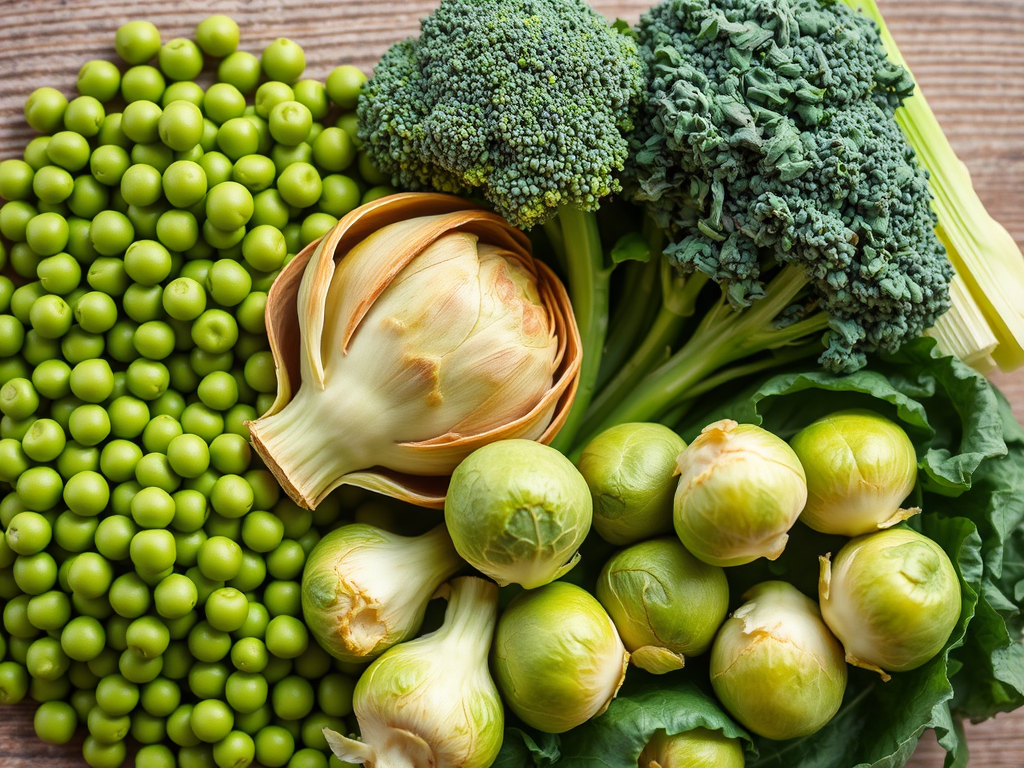
To get more fiber, eat fiber-rich vegetables. Foods like green peas, artichokes, broccoli, collard greens, and Brussels sprouts are full of fiber and vitamins. Drinking enough water and exercising regularly also helps with regular bowel movements and better digestion.

- Start your day with a fiber-rich breakfast, like oatmeal with fruits and nuts.
- Add a variety of vegetables to your meals and snacks.
- Choose whole grains over refined or processed ones.
- Snack on fruits and nuts, which are also fiber-rich.
By changing your diet and lifestyle, you can increase your fiber intake. This will help improve your overall health.
Try These 5 Veggies First If You’re Constipated
Adding specific vegetables to your diet can help manage constipation naturally. Green peas, artichokes, broccoli, collard greens, and Brussels sprouts are great choices. They are high in fiber and nutrients.
These veggies are full of fiber, which helps with regular bowel movements. They also have other nutrients that support digestive health. For example, green peas are rich in fiber and protein, making them great for a constipation-relieving diet.

Artichokes and broccoli are also good for digestion. Artichokes have inulin, a fiber that helps with bowel movements. Broccoli is full of vitamins and minerals that support gut health.
Collard greens and Brussels sprouts are also packed with fiber and nutrients. Collard greens have magnesium, which relaxes digestive muscles. Brussels sprouts help grow good gut bacteria.
It’s easy and tasty to add these veggies to your meals. You can put them in salads, soups, or stir-fries. Or enjoy them steamed or roasted as a side. Eating these veggies regularly can help relieve constipation and improve your digestive health.
1. Green Peas
Green peas are a top choice for fighting constipation because they’re full of fiber. Adding them to your meals can help keep your bowels regular. Make sure to drink plenty of water and exercise too for the best results.
Fiber Content and Nutritional Benefits
One cup of cooked green peas has 9 grams of fiber. This makes them a great choice for anyone trying to avoid constipation. They’re also rich in vitamins and minerals like vitamin K, manganese, and zinc.

How to Incorporate Green Peas Into Your Diet
It’s easy to add green peas to many dishes to increase their fiber. Try adding them to soups and stews for extra nutrition. You can also mix them into salads or use them in stir-fries.
For the best benefits, eat green peas a few times a week. This can help keep your digestive system working well.
2. Artichokes
Artichokes are not only tasty but also help with constipation. One medium raw artichoke has 6.9 grams of fiber. This makes them great for those trying to avoid constipation naturally.
Why Artichokes Are a Constipation Superfood
Artichokes are full of fiber, which helps with regular bowel movements. They also support gut health by promoting good bacteria. As Dr. Jane Smith, a gastroenterologist, notes, “Prebiotic foods like artichokes help in maintaining a healthy balance of gut bacteria, which is essential for optimal digestive health.”
The fiber in artichokes, called inulin, feeds the good bacteria in our gut. This improves digestion and boosts gut health.

Best Ways to Prepare and Eat Artichokes
Artichokes can be made in many ways to add variety to your meals. Here are some ideas:
- Steaming artichokes is a simple and healthy way to enjoy them without losing their nutritional value.
- Artichoke hearts can be added to salads, pasta dishes, or used as a topping for pizzas.
- You can also roast artichokes with olive oil, salt, and your choice of herbs for a flavorful side dish.
As
“The versatility of artichokes in cooking makes them easy to incorporate into your daily meals, ensuring you get the fiber and prebiotic benefits they offer.”
3. Broccoli
Broccoli is a great choice for a diet aimed at relieving constipation. It’s full of fiber and water, which are good for your digestive health.
Broccoli’s Fiber and Water Content
One cup of cooked broccoli has 5 grams of fiber. Eating foods high in fiber helps prevent constipation. It makes stool softer and bulkier, making it easier to pass.
Easy Ways to Add More Broccoli to Your Meals
You can steam broccoli as a side dish, roast it with olive oil and seasonings, or add it to salads for a nutritious boost.
| Vegetable | Fiber Content (per cup) | Preparation Methods |
|---|---|---|
| Broccoli | 5 grams (cooked) | Steaming, Roasting, Salads |
| Green Peas | 9 grams (cooked) | Steaming, Soups, Stir-fries |
| Artichokes | 7 grams (cooked) | Steaming, Boiling, Grilling |

4. Collard Greens
Collard greens are a nutrient-dense vegetable that can help alleviate constipation. They are rich in fiber, vitamins, and minerals that support digestive health. One cup of cooked collard greens contains 5 grams of fiber, making them an excellent addition to a high-fiber diet.
Nutritional Profile of Collard Greens
Collard greens are packed with nutrients that are beneficial for overall health. They are an excellent source of fiber, vitamins A, C, and K, and minerals like calcium and iron. The fiber in collard greens helps to promote regular bowel movements and prevent constipation.
| Nutrient | Amount per 1 cup cooked | Benefits |
|---|---|---|
| Fiber | 5 grams | Promotes regular bowel movements |
| Vitamin A | 200% DV | Supports immune function |
| Vitamin K | 700% DV | Essential for blood clotting |
Cooking Methods That Preserve Fiber
Cooking methods can significantly impact the nutritional value of collard greens. To preserve their fiber content, it’s best to use cooking methods that involve minimal water and heat. Steaming is an excellent way to cook collard greens without losing their fiber. You can also sauté them with a little olive oil and garlic to retain their nutritional benefits.

Incorporating collard greens into your diet can be easy and delicious. Try adding them to soups, stews, or salads, or use them as a nutritious side dish. By making collard greens a regular part of your meals, you can help support your digestive health and alleviate constipation.
5. Brussels Sprouts
Brussels sprouts are packed with fiber, making them great for your digestive health. One cup of cooked sprouts has 6 grams of fiber. This makes them a top choice for fighting constipation.
How Brussels Sprouts Support Digestive Health
Brussels sprouts are not just high in fiber. They also have nutrients that boost gut health. The fiber in them helps with regular bowel movements and stops constipation. They also have antioxidants and anti-inflammatory compounds for a healthy gut.

Delicious Ways to Prepare Brussels Sprouts
Brussels sprouts can be added to many dishes. Here are some tasty ways to enjoy them:
- Roasting them with olive oil, salt, and pepper makes them sweet.
- Sautéing with garlic and lemon juice adds flavor.
- Adding them to soups and stews boosts fiber.
Here’s a table to show the nutritional benefits of Brussels sprouts compared to other veggies:
| Vegetable | Fiber Content per Cup (cooked) | Other Key Nutrients |
|---|---|---|
| Brussels Sprouts | 6 grams | Antioxidants, Vitamin C |
| Green Peas | 9 grams | Protein, Vitamin K |
| Artichokes | 7 grams | Folate, Vitamin C |
| Broccoli | 5 grams | Vitamin C, Cancer-fighting compounds |
Other Ways to Relieve Constipation
Managing constipation requires a mix of diet, hydration, and exercise. Eating high-fiber veggies is key. But, other lifestyle changes can also help.
Eat High-Fiber Fruits Like Apples, Prunes, and Pears
Certain fruits are also high in fiber and can ease constipation. Apples, prunes, and pears are good examples. They have natural sugars that help move your bowels.
Apples have both soluble and insoluble fiber. This makes stool softer and bulkier. Prunes, or dried plums, have a lot of sorbitol. This makes them a natural laxative.
Drink Plenty of Fluids Throughout the Day
Drinking lots of fluids is key to avoiding constipation. Fluids and fiber work together to soften stool. This makes it easier to pass.
Drink water, clear soups, and unsweetened juices all day. Staying hydrated keeps your digestive system running smoothly.
Limit Fast Food and Highly Processed Foods
Fast food and processed foods are often low in fiber and high in bad fats. This can make constipation worse. Try to eat less of these foods.
Choose whole, unprocessed foods instead. This ensures you get enough fiber and nutrients.
Exercise Regularly to Keep Your Bowels Moving
Regular exercise is also important for preventing and treating constipation. It helps move your bowels and improves digestion. Try to exercise for at least 30 minutes a day.
Brisk walking, cycling, or swimming are good options. They’re all moderate-intensity exercises.
Conclusion
Adding the right veggies to your diet can help with constipation. Try green peas, artichokes, broccoli, collard greens, and Brussels sprouts first. These foods are full of fiber and can help your bowel movements stay regular.
For the best results, eat these veggies with plenty of water and exercise. Drinking lots of fluids and staying active can prevent constipation. It also keeps your digestive system healthy.
Managing constipation is about more than just food. It’s also about your lifestyle. By choosing the right foods and living a healthy life, you can keep constipation at bay.
 trim down and shape up
Leave a comment