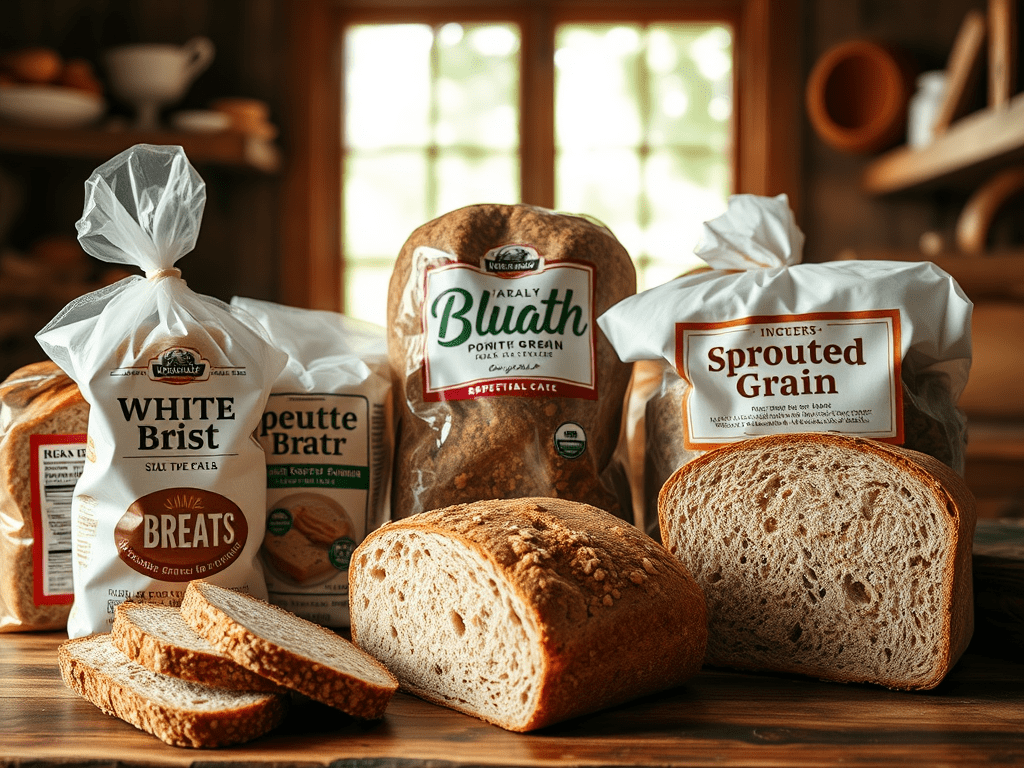


Are you thinking that multigrain bread is always healthy? Think again. Your grocery store bread aisle might be hiding more problems than you realize. Nutrition experts now warn that many packaged multigrain loaves are not as nutritious as their labels suggest.
You’ve probably heard white bread is bad for you. That’s true. But the real issue is deeper than just avoiding white sliced loaves. Joe Rogan recently discussed bread offerings in America on “The Joe Rogan Experience,” claiming most breads in the U.S. are unhealthy and contribute to inflammation in the body. He’s not alone in this concern.
Holistic health influencer Dennis Echelbarger pointed out the real problem. It’s ultra-processed, chemically altered, bleached, bromated, fake vitamin-filled wheat soaked in glyphosate. According to India Today, nutrition experts now warn that many packaged multigrain loaves deceive shoppers with clever marketing. You might stop eating bread entirely after learning what goes into most commercial options.
Your bread choices affect your blood sugar, inflammation levels, and overall health in ways you may not expect. This guide will help you understand what’s actually in your bread and guide you toward smarter selections.

Key Takeaways
- Most packaged multigrain breads contain refined flour despite health claims on their labels
- White bread and many “healthy” alternatives raise your blood sugar quickly and spike inflammation
- Marketing labels like “multigrain” don’t always mean whole grain or nutritious ingredients
- Chemical additives and processing methods in commercial breads impact your digestive health
- Sourdough and sprouted-grain breads offer better nutritional profiles than standard options
- Reading ingredient lists matters more than looking at front-of-package claims
- Understanding glycemic index helps you choose breads that won’t destabilize your blood sugar
The Truth Behind Multigrain Bread Labels
When you’re at the grocery store, you’ll see many “multigrain” breads. They look healthy and promise good nutrition. But what does “multigrain” really mean? It’s just a marketing term unless the grains are whole. Knowing this helps you choose better for your family’s health.
Bread makers use clever words to make their products seem good. The front of the package might look appealing. But the ingredient list tells the real story. Learning to read these labels helps you avoid misleading marketing.

What “Multigrain” Really Means
“Multigrain” means the bread has more than one type of grain. That’s all. It doesn’t mean the grains are whole or full of nutrients. You might be buying a loaf with mostly refined wheat flour, with just a little bit of oats or seeds for looks.
Many breads have refined wheat flour as the main ingredient, even if they have other grains. Dietitians say true nutrition comes from whole grains. These grains have bran, germ, and endosperm, which are full of fiber, vitamins, and minerals. Refined grains, on the other hand, have been stripped of these important parts.
- Multigrain = multiple grain types (not necessarily whole)
- Whole grain = intact bran, germ, and endosperm
- Refined grain = processed and stripped of nutrients
- Check the ingredient list, not just the package front
Hidden Refined Flour and Added Sugars
Some multigrain breads use refined flour as the main ingredient. They might also add sugars or colorings to make them look healthier. Caramel coloring can make the bread look brown, making you think it’s whole grain. But this color doesn’t mean it’s nutritious.
When you look at the ingredient list, watch out for added syrups, honey, or sugar. These increase calories without adding real nutrition. These hidden sugars can affect your blood sugar and energy levels all day.
| Marketing Term | What It Actually Means | What to Look For |
|---|---|---|
| Multigrain | Multiple grain types, possibly refined | “Whole grain” as the first ingredient |
| Made with Whole Grains | May contain mostly refined flour | Whole grain listed first on label |
| Natural Brown Color | Often from caramel coloring | Ingredient list showing grain type |
| 7-Grain or 12-Grain | Number of grain types, not quality | Verify grains are whole grain varieties |
Start reading ingredient lists from the beginning. The first ingredient listed is present in the largest amount. If you see “enriched wheat flour” or “maida” first, it’s mostly refined grain. Choose breads where whole grain is at the top of the list.
Understanding these marketing tricks helps you make better choices at the grocery store. Your health depends on making informed decisions.
White Bread vs Multigrain Bread
When you compare white bread vs multigrain bread, you might think you’re choosing between two completely different products. The reality is more complex. Understanding how these breads differ helps you make smarter choices about what you eat.
White bread is made from fully refined flour stripped of fiber and many nutrients. During processing, manufacturers remove the bran and germ from the grain kernel. This leaves only the starchy endosperm behind. Your body breaks down this refined flour very quickly. The result? Your blood sugar spikes rapidly. This digestion pattern can spike blood sugar, increasing long-term health risks like weight gain and type 2 diabetes over time.

Multigrain bread can vary widely in quality and nutrition. Just because a loaf contains multiple grains doesn’t mean it’s healthy. Many commercial brands use refined flour as their base ingredient. They add various grains for texture and marketing appeal. If whole grains aren’t the main ingredient, you’re getting minimal nutritional benefits.
Here’s what you should know about each type:
- White Bread: Made from refined flour, lacks fiber, causes rapid blood sugar spikes, and offers little nutritional value
- Multigrain Bread: Can contain refined flour mixed with multiple grains, may have added sugars, requires careful label reading
| Feature | White Bread | Multigrain Bread |
|---|---|---|
| Fiber Content | Very Low | Varies Widely |
| Blood Sugar Impact | Rapid Spike | Can Still Spike |
| Whole Grain Percentage | None | Often Under 50% |
| Added Sugars | Moderate | Often High |
Don’t assume multigrain options are automatically better for you. Many contain added sugars and refined ingredients that cancel out any benefits from the grain variety. Read ingredient lists carefully. Look for whole grains listed as the first ingredient to ensure you’re getting real nutritional value.
Stop Eating Bread? Experts Warn About Both White and Multigrain
Are you thinking about giving up bread? Health experts say both white and multigrain breads can harm you. It’s not just about calories. It’s how your body reacts to these foods.
Learning about bread’s effects on your body can help you choose better. This knowledge is key to staying healthy.

How Refined Flour Impacts Your Blood Sugar
Eating bread with refined flour makes your blood sugar rise fast. Dr. Jason Fung found that white bread’s glycemic index is 73. This means your body absorbs it quickly.
The refining process takes out fiber, fats, proteins, and bran. These are what slow down digestion. Your intestines absorb the fine flour like sugar.
Even whole wheat bread, with a glycemic index of 70, isn’t much better. The difference is too small. Ultra-processed bread makes things worse with texturizers and emulsifiers.
- White bread glycemic index: 73
- Whole wheat bread glycemic index: 70
- Refined flour loses fiber during processing
- Fine grinding increases absorption speed
The Inflammation Connection
Inflammation from bread comes from quick blood sugar spikes. When refined flour affects your blood sugar, insulin is released fast. This cycle stresses your body.
Ultra-processed bread’s chemical additives make things worse. Your body sees these as foreign, causing inflammation. Many feel better without bread, with less bloating and better energy.
The mix of quick glucose spikes and chemical additives makes your body work hard. This leaves you tired and inflamed.
Choosing Healthier Bread Options
When picking out bread at the store, start by reading the ingredient list. Look for bread with whole wheat flour or 100% whole grains as the first ingredient. This rule helps you avoid bread that seems healthy but isn’t.
Two good choices are clear when you check the labels. Choose breads with simple ingredients like whole grains, yeast, and a bit of salt. Also, pick breads with little added sugar and no preservatives. Dietitian Erin Palinski-Wade says simpler ingredient lists mean better quality.

Whole-grain bread is good for you. It has more fiber, which helps you feel full longer. This also helps control your blood sugar all day.
Here are some tips for reading ingredient lists:
- Whole grains should be the first ingredient.
- Look for bread with short lists, around five to eight items.
- Make sure there are no added sugars in the first three ingredients.
- Check that there are no artificial preservatives.
- Choose bread with less sodium.
Remember, healthier breads don’t last as long. You might need to freeze them and toast them when you want to eat. This way, you get fresh bread without additives.
Sourdough and Sprouted Grain Benefits
If you’re looking for bread that won’t spike your blood sugar or leave you feeling bloated, sourdough and sprouted grain bread are great choices. They differ from typical white and multigrain breads because of their making process. The processing methods break down hard-to-digest parts and increase nutritional value.

Why Sourdough Slows Digestion
Sourdough bread is different from regular bread. The fermentation process in sourdough baking slows digestion and helps keep blood sugar levels steady. The starter’s bacteria and yeast break down some of the carbohydrates in wheat before you eat it.
This fermentation creates acids that slow down glucose absorption. If you often feel bloated, gassy, or uncomfortable after eating bread, sourdough is better. It also has natural probiotics that help with digestion and gut health.
- Lower glycemic index than white bread
- Pre-digested carbohydrates from fermentation
- Natural acids slow glucose absorption
- Contains beneficial probiotics for gut health
Sprouted Grain Nutritional Advantages
Sprouted grain bread is another excellent option. Sprouted grains are easier to digest and more nutritious than standard breads. When grains sprout, enzymes break down starches naturally.
Ezekiel bread, made from sprouted whole grains and legumes, has a glycemic index of about 36. This is much lower than white bread’s 73. Sprouted grain bread has more fat, protein, antioxidants, and fiber than regular bread. This means you get better nutrition with less impact on your blood sugar.
| Bread Type | Glycemic Index | Key Benefits |
|---|---|---|
| White Bread | 73 | Quick energy, minimal nutrients |
| Sourdough | Lower than white | Better digestion, probiotics, steady energy |
| Sprouted Grain | 36 | High nutrients, easy digestion, sustained energy |
Both sourdough and sprouted-grain bread help your body process food better. This keeps your energy levels stable all day long.
Label Tricks to Watch Out For
Bread makers use smart marketing to make unhealthy bread seem good. Knowing these tricks helps you choose better at the store. Many companies use false claims on the front and hide the truth in fine print.

Caramel coloring is used to make white flour look like whole-grain flour. This coloring makes the bread seem healthier than it is. Even if there’s little whole grain, the dark color makes it seem nutritious.
Look out for added sugars and syrups in different names on labels. Companies list these separately to avoid “sugar” being first. Names like corn syrup and cane juice increase blood sugar and lower nutrition.
Be wary of healthy-sounding terms on bread that mean nothing. Claims like zero maida don’t mean low sugar if other refined starches are used. Terms like “multigrain” and “wheat bread” often confuse people.
Red Flags to Recognize Immediately
- Enriched flour or wheat flour listed as the first ingredient (not whole wheat flour)
- Sugar appears in the first five ingredients
- Long ingredient lists with unpronounceable chemical names
- Brown color from caramel coloring rather than natural grains
- Multiple types of added sugars and syrups are listed
Nutrition expert Erin Palinski-Wade suggests ignoring fancy packaging and checking the ingredients. Shorter lists are better. Look for “whole wheat flour” or “whole grain” first. Ignore bold claims and read the nutrition facts panel well. This way, you avoid tricks and pick healthier bread.
Understanding Whole Grains and Glycemic Index
The glycemic index scale shows how fast foods raise your blood sugar. It ranges from 0 to 100, with 100 causing the biggest spikes. Knowing this helps you pick healthier bread options.
White bread has a high glycemic index of 73. Machine-ground whole wheat is only slightly better at 70. This shows that just being whole grain doesn’t mean it’s better for blood sugar.

How bread is made affects digestion. Stone-ground flour keeps more fiber, which slows digestion. Always check for whole-grain ingredients on labels to find better breads.
| Bread Type | Glycemic Index | Key Feature |
|---|---|---|
| White Bread | 73 | Refined, fast digestion |
| Machine-Ground Whole Wheat | 70 | Fine milling reduces fiber |
| Pumpernickel | 50 | Coarse-ground rye flour |
| Rye Bread | 45-50 | Slower glucose absorption |
| Ezekiel Bread | 36 | Sprouted grain, low GI |
Sprouted grain options are a big plus. Ezekiel bread has a glycemic index of just 36. Sourdough and sprouted-grain breads offer better nutrition and stable blood sugar.
Sourdough’s natural acids slow down glucose absorption. Rye bread, with a glycemic index of 45-50, is much better than white bread. Choose high-fiber breads for steadier blood sugar.
- Pair bread with olive oil to slow glucose absorption
- Add vinegar-based dressings to your meals
- Combine bread with protein or fat sources
- Select breads with visible seeds and grains
Eating bread with fat, protein, or fiber slows down glucose absorption. This works with any bread. It helps manage blood sugar and keeps energy levels up all day.
Conclusion
You now know that not all bread is the same. White bread and some multigrain options are not as healthy as sourdough or sprouted grain. Choosing better bread starts with knowing what to look for.
When you read bread labels, look for whole grains first. The fiber content is more important than what the package says. This knowledge helps you make better choices.
When buying bread, look for whole-grain ingredients and high fiber content. Sourdough and sprouted grain are better for you. They help manage blood sugar better.
Dietitian Julie Stefanski says not all bread is bad. You can eat bread if you choose quality and control your portions. Pairing bread with fats and proteins helps keep your energy steady.
Bread doesn’t have to be a yes or no choice. Think about how often you eat it and your health goals. Reading labels is key, not just the packaging.
You now know how to pick bread wisely. Understanding glycemic index, whole grain benefits, and fermentation can help you stay healthy. These tips will keep your body strong.


 trim down and shape up
Leave a comment