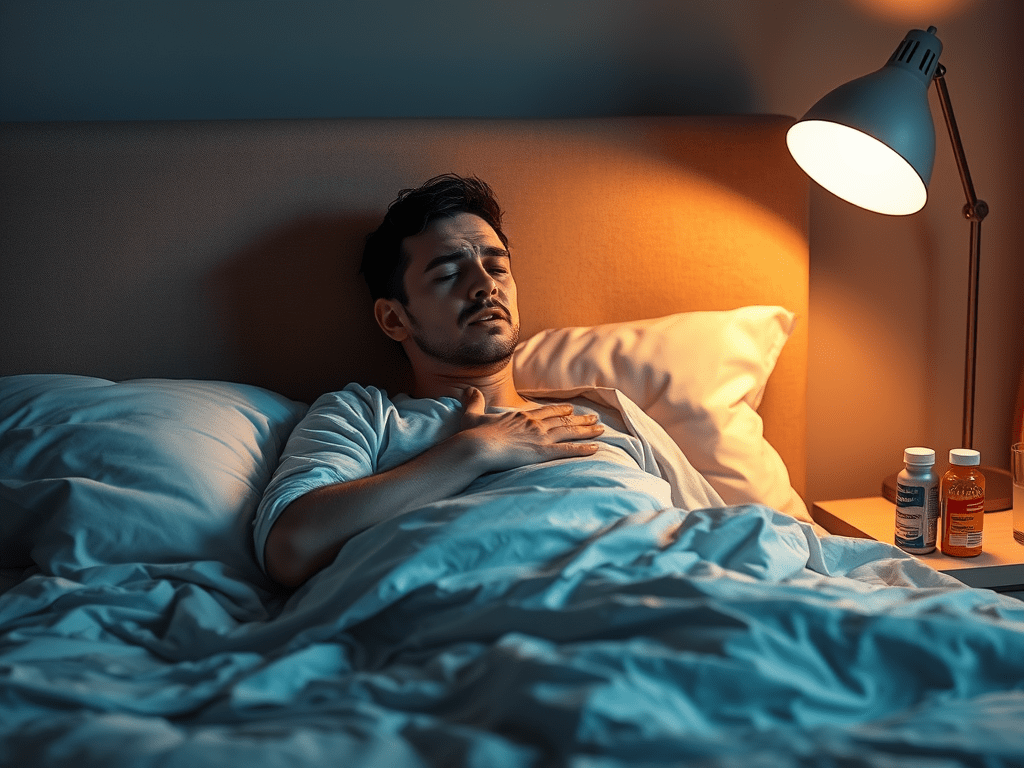


Have you ever noticed that your cough intensifies once you lie down? Or your fever spikes after sunset? Maybe your itching, pain, or congestion gets worse when you try to sleep.
You’re not just imagining it. Many illnesses and viral infections really do get worse at twilight. This is because your body’s internal clock changes. Your immune system gets busier, and your hormone levels shift when you rest.

It’s important to understand these changes to find relief from nighttime diseases. Learn about the 10 conditions that worsen after dark. Find out how to manage them so you can sleep better.
Key Takeaways
- Changes in hormones like cortisol can increase physical pain and swelling.
- Lying flat allows fluid to build up, which makes you cough more.
- The immune system stays busy during rest, often causing fevers to spike.
- Having fewer distractions makes you focus more on physical itching and discomfort.
- Natural shifts in body heat occur as you get ready for deep sleep.
- Higher levels of histamine in the evening can make allergy symptoms feel sharper.
Why Your Symptoms Feel Worse When the Sun Goes Down
When night falls, many diseases seem to get worse. This isn’t just in our heads. Our bodies go through changes as the day turns to night, making symptoms more severe.

Cortisol Levels Drop at Night
Cortisol, known as the “stress hormone,” has a daily cycle. It’s highest in the morning and lowest at night. This change can make inflammation and pain feel worse. With less cortisol, our body’s fight against inflammation weakens, making symptoms worse.
Your Body Temperature Fluctuates
Our body temperature changes throughout the day. It’s highest in the late afternoon and lowest at night. This drop can weaken our immune system. Some diseases get worse as our body temperature goes down.
Increased Awareness of Symptoms
At night, we notice our bodies more. This makes symptoms feel more intense. The quiet of the night makes discomfort or pain seem worse than during the day.
How Lying Down Changes Your Physiology
Lying down changes how our body works. For example, it can make acid reflux symptoms worse. It can also affect breathing, making respiratory issues worse. The way we lie can also worsen some conditions, making symptoms more severe.
Knowing these changes can help you manage your symptoms at night. By understanding how our body changes as the sun sets, we can take steps to lessen these effects.
10 Diseases That are Worse at Night
When night falls, many health issues get worse. This is because our bodies change with the day-night cycle. Knowing about these conditions helps us manage their effects better.
1. The Common Cold
The common cold gets worse at night because of more congestion. When we lie down, mucus builds up in our throats. This causes discomfort and coughing.
2. Influenza (The Flu)
Flu symptoms get worse at night. Fever, cough, and body aches are more severe. Our immune system is most active at night, which can make symptoms worse.
3. COVID-19
COVID-19 symptoms like cough and shortness of breath get worse at night. This is because of increased inflammation and how lying down affects breathing.
4. Croup (Common in Children)
Croup symptoms get worse at night. The airways narrow, causing more coughing and trouble breathing.
5. Asthma
Asthma symptoms get worse at night. Lung function changes, and allergens like dust mites in bedding play a role. The day-night cycle also affects asthma.

6. Acid Reflux (GERD)
Acid reflux symptoms are worse at night. Lying down lets stomach acid flow more easily into the esophagus. This causes heartburn.
7. Eczema (Atopic Dermatitis)
Eczema can flare up at night. The body’s natural cycle affects skin barrier function. Increased itching at night is also a factor.
8. Arthritis
Arthritis symptoms, like pain and stiffness, get worse at night. Changes in cortisol levels and rest affecting joint inflammation are reasons.
9. Restless Leg Syndrome (RLS)
RLS symptoms are worse in the evening and at night. This leads to discomfort and trouble falling asleep.
10. Sinus Infections (Sinusitis)
Sinus infection symptoms get worse at night. Increased congestion and pressure when lying down cause pain and discomfort.
| Disease | Nighttime Exacerbating Factors |
|---|---|
| The Common Cold | Increased congestion, lying down |
| Influenza (The Flu) | Immune response, fever |
| COVID-19 | Inflammation, respiratory function |
| Croup | Narrowing of airways |
| Asthma | Changes in lung function, allergens |
| Acid Reflux (GERD) | Lying down, stomach acid flow |
| Eczema (Atopic Dermatitis) | Circadian rhythm, itching |
| Arthritis | Cortisol levels, joint inflammation |
| Restless Leg Syndrome (RLS) | Evening and night discomfort |
| Sinus Infections (Sinusitis) | Congestion and pressure |
Bacterial Infections and Nighttime Patterns
As the sun sets, some bacterial infections get worse. You might notice symptoms getting more severe at night. This isn’t just random; there are reasons why infections like tuberculosis (TB) and urinary tract infections (UTIs) worsen at night.
Tuberculosis (TB)
TB is a lung infection caused by Mycobacterium tuberculosis. It can spread to other parts of the body. A fever that gets worse in the late afternoon or evening is a classic TB symptom. This pattern is so common that doctors use it to help diagnose TB. The reasons for this nighttime fever are complex, involving our body’s natural rhythms and how our immune system reacts to the infection.

Urinary Tract Infections (UTIs)
UTIs are common bacterial infections that can be very uncomfortable, especially at night. They happen when bacteria get into the urinary tract. Symptoms include burning when you pee, needing to pee a lot, and pain in the pelvic area. At night, these symptoms can feel worse because there’s less distraction during the day. Also, lying down can make the infection spread and irritate the bladder and urethra more, making symptoms worse.
Knowing how bacterial infections like TB and UTIs act at night can help you manage your symptoms. If you have recurring or severe symptoms at night, seeing a doctor is important. They can diagnose and treat you properly.
Why Your Fever Spikes After Sunset
Fever spiking after sunset is not random. It’s tied to your body’s internal clocks. To grasp this, we need to explore how your body regulates temperature and how it changes during the day.
Your Body’s Natural Temperature Rhythm
Your body temperature changes all day, usually hitting its peak in the late afternoon. It drops when you sleep. This rhythm is managed by your circadian system, which adjusts to light and dark.
Circadian Rhythm and Body Temperature: The circadian rhythm is key in controlling body temperature. Your temperature is lowest in the morning and highest in the late afternoon.
Circadian Influence on Fever Patterns
Fever patterns also follow the circadian rhythm. Studies show that the immune response and cytokine release, which fight infections, have a daily cycle. This can make fever spike in the evening or at night.

| Time of Day | Body Temperature Trend | Fever Pattern |
|---|---|---|
| Early Morning | Lowest | Typically Lower |
| Late Afternoon | Highest | Often Peaks |
| Night | Decreasing | Can Spike |
Knowing how the circadian rhythm affects fever can help you manage symptoms. It also tells you when to see a doctor if your fever doesn’t go away or gets worse.
The Role of Your Immune System at Night
Nighttime is key for your immune system. It boosts its defenses against harmful germs. Your immune system changes throughout the day, with some activities more active at night.

When Your Immune Response Peaks
Research shows your immune response can peak at night. This is due to your body’s natural rhythm. Cytokines, proteins that fight infections, are made more at night.
This nighttime peak helps fight off germs that enter your body during the day. It’s a key part of your body’s defense, helping you fight off infections well.
Inflammatory Markers and Sleep
Sleep greatly affects inflammatory markers and signs of inflammation. During sleep, some inflammatory markers are controlled. This can impact how your body handles infections and diseases.
Studies show bad sleep can raise inflammatory markers. This can make conditions like arthritis worse. So, getting enough sleep is vital for your immune system.
Psychological Factors That Amplify Nighttime Symptoms
Psychological factors greatly affect how we feel at night. They can make symptoms seem worse. When you’re in bed, your mind can change how you feel your body.
Anxiety and Symptom Perception
Anxiety makes you more aware of your body’s feelings at night. Feeling anxious can make small pains seem bigger. This can start a cycle where worrying about symptoms makes them feel worse, and so on.
Using relaxation methods like deep breathing or meditation can help. These can lower your anxiety. This makes it easier to ignore symptoms and sleep better.

The Quiet of Night and Heightened Focus
The quiet of the night makes symptoms seem more intense. During the day, distractions take your mind off any discomfort. But at night, with no distractions, symptoms can feel overwhelming.
This is tough for people with chronic conditions. Using techniques like CBT-I or calming bedtime routines can help.
Knowing how our minds affect nighttime symptoms is key. We can manage them with relaxation, anxiety control, and better sleep habits.
When Nighttime Symptoms Require Medical Attention
If you’re having severe or unusual symptoms at night, knowing when to get medical help is key. Some nighttime symptoms can mean serious health issues that need quick attention.
Red Flags You Shouldn’t Ignore
Some symptoms at night are warning signs that mean you should get medical help fast. These include severe trouble breathing, chest pain, or bad stomach pain. If you have any of these, act quickly.
- Severe difficulty breathing or shortness of breath
- Chest pain or discomfort that radiates to your arm, neck, or jaw
- Severe abdominal pain or tenderness
- Severe headache or confusion
- Severe dizziness or fainting

Emergency Warning Signs
There are also emergency signs that need immediate medical help. These include trouble speaking or swallowing, sudden severe pain, or a big change in how you think or feel.
- Difficulty speaking or swallowing
- Sudden severe pain or numbness in your face, arm, or leg
- Significant change in mental status, such as confusion or disorientation
- Severe vomiting or diarrhea
- High fever that persists or is accompanied by other concerning symptoms
Spotting these signs is important for getting medical help fast. This can help avoid serious problems.
How to Manage Nighttime Symptoms Effectively
Managing nighttime symptoms is key to a good night’s sleep. These symptoms can mess up your sleep and quality of life. By using the right strategies, you can ease these symptoms and sleep better.
Environmental Adjustments for Better Sleep
Creating a sleep-friendly environment is vital. Keep your bedroom cool, quiet, and dark. Blackout curtains, earplugs, or a white noise machine can help.
Also, think about your bedding and mattress. A comfy mattress and pillows can make a big difference. Getting a new mattress or hypoallergenic bedding might help if you have allergies or discomfort at night.
| Environmental Adjustment | Benefit |
|---|---|
| Cool Bedroom Temperature | Promotes Better Sleep Quality |
| Reduced Noise Levels | Minimizes Sleep Disturbances |
| Darkness | Regulates Circadian Rhythms |
Positioning Strategies
Changing how you sleep can help with symptoms. For example, elevating the head of your bed can help with acid reflux. It stops stomach acid from flowing up into your esophagus.
“Elevating the head of the bed is a simple yet effective strategy for managing acid reflux symptoms at night.”
Dr. John Smith, Gastroenterologist
If you have restless leg syndrome, try shaking your legs or using a vibrating device before bed. It can help reduce symptoms.
Medication Timing Considerations
When you take medication can affect your symptoms at night. Some meds are meant to be taken before bed. Always follow the prescribed medication schedule from your doctor.
- Take medication as directed by your healthcare provider
- Consider a medication reminder to ensure you don’t miss a dose
- Discuss any concerns about medication timing with your healthcare provider
Hydration and Humidity Solutions
It’s important to stay hydrated, but watch your fluid intake before bed. Limiting fluids in the hour leading up to bedtime can help avoid waking up at night.
Using a humidifier in your bedroom can also help. Dry air can make symptoms worse, so keeping humidity right can help.

Conclusion
You’re not imagining it; many diseases and viral infections feel worse at night. Various factors, both physical and mental, make symptoms worse after dark.
Your body’s natural rhythms, like the drop in cortisol levels and body temperature changes, play a big role. Also, the quiet of the night and your focus on your symptoms can affect how you feel.
Understanding these factors and using strategies like adjusting your environment and taking medication at the right time can help. This way, you can manage your symptoms better and improve your life quality.
Many diseases, like the common cold, influenza, and COVID-19, get worse at night. Knowing the signs that need medical help and taking action early can help you deal with these conditions better.

 trim down and shape up
Leave a comment