


What if the probiotic foods you eat every morning are actually damaging your gut instead of healing it?
Your gut is key to your health. It’s home to 70% of your immune system and affects your energy and mood. A healthy gut microbiome is vital for your body’s systems to work well.
Probiotics are seen as a quick fix for gut health. Stores are full of fermented foods and supplements that promise to fix digestion fast. But the truth is more complex. Not all probiotic foods are good for everyone, and some can even harm you.
Many think all fermented foods are good for digestion. But this is a dangerous belief. Some probiotic foods can cause inflammation, upset your stomach, and even introduce harmful bacteria. The wrong choices can harm your gut balance instead of helping it.

Knowing which probiotic foods to avoid is as important as knowing which ones to eat. Some fermented foods have hidden sugars that feed bad bacteria. Others may have contamination risks that people often overlook. And, some can overwhelm your digestive system with too many bacteria too quickly.
Key Takeaways
- Not all probiotic foods work the same way for every person or health condition
- Commercial fermented foods often contain added sugars that harm your gut
- Unpasteurized fermented products carry contamination and food safety risks
- Too many probiotics at once can trigger digestive distress and inflammation
- People with weakened immune systems should avoid certain probiotic foods entirely
- Reading labels carefully is essential to choosing safe probiotic foods
- Your individual health status determines which fermented foods suit you best
The Dark Side of Probiotic Foods: Not All Are Created Equal
The probiotic industry has grown a lot, becoming a huge market. Companies say their products will improve your digestive health. But the truth is more complicated. Not every probiotic food is good for everyone.
Your health, immune system, and gut bacteria are key. They decide if a probiotic product will help or harm you.
It’s important to know the difference. Many people eat probiotic foods hoping for amazing results. But some products can make you feel worse. They can upset your digestion, trigger infections, or make health problems worse.

Understanding the Probiotic Hype and Hidden Dangers
Marketing has set high hopes for probiotic foods. Companies focus on the good and hide the bad. The truth is, not all probiotic foods are safe or good for everyone, even more so for those with health issues.
Your gut is unique. What’s good for someone else might not be for you. If you have a weak immune system or digestive problems, choose probiotic products carefully.
When Good Bacteria Turn Bad: The Reality Check
Beneficial bacteria can be bad in certain situations. Eating contaminated probiotic foods or using them too much can cause problems. This can lead to:
- Irritable bowel syndrome (IBS)
- SIBO (small intestinal bacterial overgrowth)
- Crohn’s Disease complications
- Stomach pain and bloating
- Digestive irregularity
A damaged gut microbiome can lead to infections and make health problems worse. Knowing how this works helps explain why some people react badly to supposed healing foods.
Unpasteurized Kombucha: The Contamination Risk You Can’t Ignore
Kombucha, a fermented tea, has become very popular. It’s loved for its health benefits, like aiding digestion. But unpasteurized kombucha can be risky because it may contain harmful bacteria or mold.
When you make kombucha at home, it has not been pasteurized. This means it might have dangerous germs. The good bacteria in it can grow, but so can the bad ones if it’s not made right.

- Harmful molds like Aspergillus that produce toxic compounds
- Bacteria such as Salmonella or E. coli can be spread through poor sanitation
- Unwanted yeasts that create unsafe fermentation byproducts
- Botulism can occur in rare cases from improper storage conditions
Be careful with your kombucha. Watch for unusual colors, excessive fizzing, or strange smells. These signs mean it’s contaminated. People with weak immune systems, like pregnant women and the elderly, are at higher risk.
Drinking too much kombucha can also harm your teeth and upset your stomach. The risk of contamination makes it important to store and choose your kombucha carefully.
High-Sugar Yogurts: Feeding the Wrong Bacteria in Your Gut
Many people think yogurt is good for their gut health. But many “probiotic” yogurts are too sweet. This can harm the good bacteria they have.
When you eat these yogurts, you might be helping the bad bacteria grow. This makes your gut health worse, not better.
High-sugar yogurts are not as healthy as they seem. They can make your gut function poorly. This is because sugar is bad for your gut.

Why Commercial Probiotic Yogurts May Backfire
Commercial yogurts have a lot of added sugar. They have good bacteria, but the sugar is a problem. Sugar helps bad bacteria grow fast.
- Sugar feeds pathogenic bacteria more than it feeds good bacteria
- Excess sugar promotes inflammation in your digestive tract
- High sugar levels can lead to dysbiosis, an imbalance in your gut microbiome
- Sweetened yogurts often contain more sugar than desserts
The Sugar-Probiotic Paradox Explained
The sugar in yogurt can ruin its health benefits. Yogurts with lots of sugar, like those with cane juice or corn syrup, seem healthy but aren’t.
| Yogurt Type | Sugar Per Serving | Effect on Gut Health |
|---|---|---|
| Plain, unsweetened yogurt | 6-8g (natural lactose) | Supports beneficial bacteria growth |
| Fruit-flavored yogurt | 20-25g (added sugars) | Feeds harmful bacteria |
| Vanilla yogurt | 18-22g (added sugars) | Promotes inflammation |
| Greek yogurt, plain | 5-7g (natural lactose) | Supports gut balance |
Choose plain, unsweetened yogurt for better gut health. Avoid yogurts with lots of sugar. This way, you get the probiotic benefits without harming your gut.
Raw, Unfermented Sauerkraut: Too Harsh for Your Digestive System
Not all sauerkraut is the same. The difference between fermented and unfermented sauerkraut can affect your gut health. Raw, unfermented sauerkraut lacks the good bacteria that come from fermentation.
Fermentation turns cabbage into a probiotic superfood. It’s done by Lactobacillus bacteria, which need the right salt, temperature, and time. Raw sauerkraut skips these important steps.
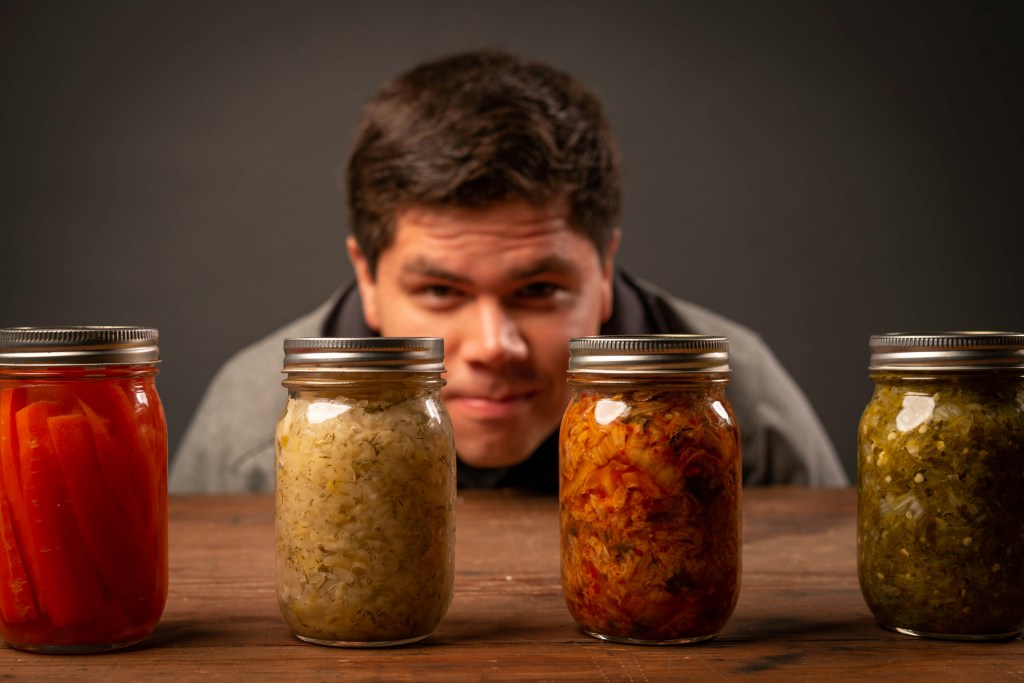
- It might have harmful bacteria like Listeria and E. coli.
- It can have harmful organisms that weren’t killed off during fermentation.
- It has high histamine levels, which can upset sensitive people.
- It can cause digestive problems and even food poisoning.
Too many probiotics at once can trigger bloating, gas, and diarrhea. This is true, even if you’re used to fermented foods. It’s better to introduce probiotics slowly.
If sauerkraut isn’t fermented or stored properly, it can be dangerous. Look for it in the fridge with just cabbage and salt. It should smell tangy, not bad. Start with small amounts to ease your stomach.
5 Probiotic Foods That Do More Harm Than Good
Not all probiotic foods are good for you. Some have ingredients that harm the good bacteria. Others can be risky for certain people. Knowing which probiotic foods to avoid is key to keeping your digestive health safe.
Fermented Dairy Products with Added Flavors and Hidden Risks
Fermented dairy products with added flavors can harm your gut. Flavored kefir, yogurt drinks, or probiotic smoothies often have artificial sweeteners and additives. These can irritate your gut and damage your intestinal lining.
Dairy can quickly change your gut bacteria. This change can lead to harmful bacterial growth. Artificial sweeteners, in particular, can harm your microbiome, causing glucose intolerance and metabolic issues.

Be careful of these harmful ingredients in flavored fermented dairy products:
- Carrageenan and gums that trigger inflammation
- Artificial colors and synthetic dyes
- High amounts of added sugars
- Synthetic flavoring agents and additives
- Artificial sweeteners like aspartame and sucralose
Brands often hide these harmful ingredients with marketing terms. Always check the ingredient list before buying any flavored probiotic product.
Probiotic Supplements in Immunocompromised Individuals
Probiotic supplements can be risky for people with weakened immune systems. High doses of certain bacteria in these supplements can cause infections. When your immune system is down, these bacteria can be dangerous.
People at high risk include those:
- Undergoing chemotherapy or cancer treatment
- Living with HIV/AIDS
- Taking immunosuppressive medications
- Recovering from organ transplants
- With severe digestive tract damage
Beneficial bacteria can enter your bloodstream in immunocompromised patients. This can lead to serious infections like sepsis or fungemia. Always get medical advice before adding probiotic products to your diet if you have immune system issues.
| Risk Factor | Probiotic Strain Concern | Recommended Action |
|---|---|---|
| Chemotherapy patients | Lactobacillus and Bifidobacterium | Avoid supplements; consult an oncologist |
| HIV/AIDS individuals | Saccharomyces cerevisiae | Medical clearance is required first |
| Post-transplant recipients | All high-dose strains | Hospital supervision mandatory |
| People on immunosuppressants | Lactobacillus plantarum | Doctor approval necessary |
Never self-treat with probiotic supplements if you have any immune system compromise. Talk with your healthcare provider about safe alternatives for supporting your gut health.
Who Should Avoid Certain Probiotic Foods
Not everyone should eat the same probiotic foods. Your body’s health status decides if certain fermented products are good or bad for your gut. Since your gut is a big part of your immune system, picking the right foods is very important for your health.
It’s key to know which groups might face risks from certain probiotic foods. Some people have bad reactions to foods that are good for most healthy adults.

Your health status is crucial in deciding if you should eat certain probiotic foods. Some groups are at higher risk when eating fermented products or taking probiotic supplements.
| Population Group | Primary Risk | Specific Concern | Recommended Action |
|---|---|---|---|
| Pregnant and Breastfeeding Women | Bacterial contamination | Listeria in unpasteurized products | Avoid raw fermented foods; consult a doctor |
| Infants and Young Children | Immune system development | Underdeveloped digestive systems | Wait until age 3; introduce slowly |
| People with SIBO | Bacterial overgrowth | Worsening bloating and pain | Avoid fermented foods temporarily |
| Individuals with Histamine Intolerance | Histamine reactions | High histamine in fermented items | Choose low-histamine probiotic sources |
| Those with IBS or Crohn’s Disease | Digestive flare-ups | Increased inflammation and discomfort | Start with small amounts; monitor response |
| Elderly Individuals | Compromised immunity | Multiple medication interactions | Seek medical clearance first |
People on immunosuppressive drugs have special challenges. These drugs weaken your body’s fight against bacteria. This makes certain probiotic foods risky for your digestive health.
Those recovering from intestinal surgery need careful handling. Your gut needs time to heal before introducing new bacteria. Your healthcare provider should guide you on which probiotic foods are safe for your recovery.
Here are key populations who should consult doctors before consuming probiotic foods:
- People with damaged gut barriers from disease or surgery
- Individuals taking antibiotics currently
- Those with severe IBS, SIBO, or inflammatory bowel diseases
- Anyone experiencing unexplained digestive pain or bloating
- Patients with weakened immune systems from any cause
Talk with your healthcare provider about your specific situation. They know your medical history best. Your doctor can suggest safe probiotic foods or other ways to support your gut health without harm.
How to Choose Safe and Beneficial Probiotic Foods for Your Gut
Choosing the right probiotic foods can greatly improve your digestive health. The market has many options, but not all are good for you. Knowing what makes a probiotic food beneficial helps you avoid harmful ones.
Learning to read labels and finding a balance in fermented foods is key. This empowers you to make choices that are good for your body.

Reading Labels: What to Look For and What to Avoid
When looking for probiotic products, check the label closely. Look for these important signs of quality:
- Live and active cultures statement on the packaging
- Specific bacterial strain names like Lactobacillus acidophilus or Bifidobacterium lactis
- CFU (colony-forming units) count showing bacterial potency
- Recent expiration dates ensure viable cultures
- Refrigeration requirements for living cultures
Avoid products with more than 5 grams of added sugars per serving. Skip items with artificial sweeteners like aspartame or sucralose. Be wary of vague “probiotic blend” claims without specific strain information. These signs help you spot products that are not truly beneficial.
Knowing the difference between good and bad probiotic foods is crucial. Many commercial products have harmful ingredients that can harm your gut health.
Supporting Your Gut Health the Right Way
Start with whole foods. Include fresh vegetables, fruits, lean proteins, and whole grains in your diet. These foods provide fiber and nutrients your gut needs.
Gradually add fermented foods to your diet. Start with 1 to 2 tablespoons daily and increase slowly. Include these probiotic-rich options:
- Plain yogurt without added sugars
- Kefir from quality dairy sources
- Sauerkraut made without preservatives
- Kimchi for spicy probiotic benefits
- Unpasteurized miso paste
- Tempeh for plant-based fermentation
Choose unpasteurized miso for its probiotic benefits. Pasteurization and heating can kill these beneficial bacteria. Add it to cool dishes when possible.
Pair fermented foods with prebiotic fibers to feed beneficial bacteria. Stay hydrated to support your gut’s mucus layer. Pay attention to how your body reacts to different foods and adjust your intake as needed.
Conclusion
Knowing which probiotic foods can harm you is key to good digestion. The market is full of products claiming to improve health. But not all live up to their promises. It’s crucial to pick the right probiotic foods for your body.
Your gut health affects your overall well-being more than you might think. By avoiding harmful probiotic foods and choosing whole foods, you can boost your gut health. This way, you can feel better and avoid risks from contaminated foods.
Everyone’s gut health is different. What works for one person might not work for another. Pay attention to how your body reacts to different foods. If you still have digestive problems, talk to a healthcare provider. They can help you find the right solution for you.
Now you can make smart choices in the probiotic market. With the right knowledge, you can pick foods that really help your digestion. Focus on whole foods, introduce fermented foods slowly, and read labels carefully. With this approach, you’ll be on the right path to better gut health.


 trim down and shape up
Leave a comment