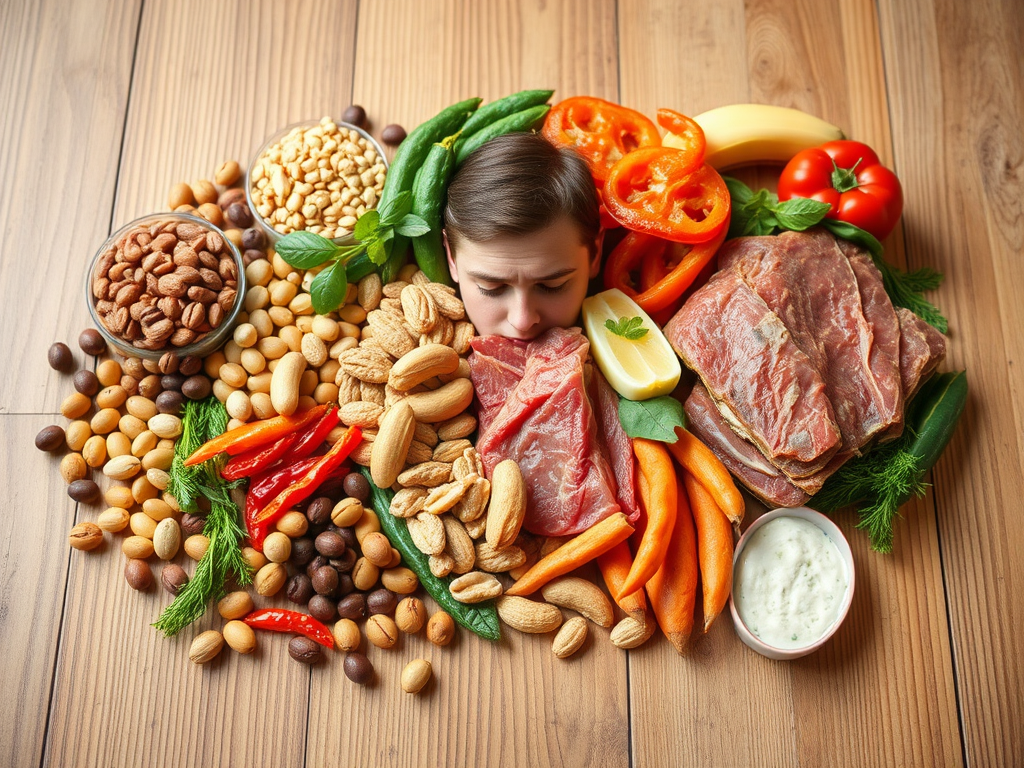


About 1 in 3 people over 50 don’t get enough protein. This shows protein deficiency is more common than we think. Your body has over 10,000 proteins, essential for health. Protein helps repair and strengthen your body.
Signs of protein deficiency might not be obvious at first. You might feel tired or weak. Your skin could get dry and flaky. These signs mean it’s time to check your diet.
Knowing the signs of protein deficiency empowers you to take care of your health. You can act early to avoid bigger problems. This guide helps you spot and fix these issues with better food choices.

Key Takeaways
- Protein deficiency affects roughly 1 in 3 adults over age 50 in the United States
- Your body needs protein for muscle strength, immune function, and bone health
- Muscle weakness and persistent fatigue are early warning signs to watch for
- Slow-healing cuts and frequent infections point to low protein levels
- Recognizing these symptoms early allows you to adjust your diet and prevent serious health issues
- Plant-based and animal-based foods can both boost your daily protein intake
- A healthcare provider can test for protein deficiency if you notice multiple warning signs
Why Protein Is Essential for Your Overall Health
Protein is vital for your body’s daily functions. It’s made up of over 10,000 different proteins that work in every part of you. These proteins are constantly being used and broken down. You need to replace them regularly to keep everything running smoothly.
Think of protein as the building material of the body. It forms the structural foundation for your muscles, organs, skin, and bones. Proteins also make up important substances like hormones and enzymes that control how your body works. Without enough protein, your body can’t maintain these structures or create new ones as you grow and develop.

Protein as the Building Material of Your Body
Your body is constantly breaking down and rebuilding proteins. This means you need a steady supply of protein from your diet. The three main proteins that keep you looking and feeling good are:
- Collagen – keeps your skin firm and elastic
- Elastin – provides flexibility to your skin and tissues
- Keratin – makes up your hair, skin, and nails
Without enough protein, your body can’t repair damaged cells or build new muscle tissue. This is crucial when you exercise or recover from illness.
How Amino Acids Support Vital Body Functions
Proteins are made up of amino acids. Your body needs 20 different amino acids to function correctly. The amino acids that compose it are used to create new cells, repair existing cells, and carry out countless chemical reactions throughout your body.
Your body can produce 11 of these amino acids on its own. The remaining nine, called essential amino acids, must come from the food you eat. Because your body cannot store amino acids like it stores fat or carbohydrates, you need to replenish them every day.
Amino acids perform critical jobs that keep you healthy:
- Build and repair muscle tissue after exercise
- Create antibodies that help fight infections and viruses
- Make neurotransmitters that affect mood and brain function
- Transport nutrients throughout your bloodstream
- Maintain fluid balance in your cells
These functions show just how much your body depends on getting enough protein every day. The better you understand these processes, the easier it becomes to make smart choices about your daily nutrition.
Understanding Your Daily Protein Requirements
Your body needs a certain amount of protein every day. This amount depends on your weight, age, and activity level. Most adults need about 0.75 grams of protein for each kilogram of body weight. This is roughly 0.36 grams for each pound.
Protein is important for muscle growth, bone strength, and a strong immune system. To find out how much protein you need, multiply your weight in pounds by 0.36. This tells you the minimum number of grams you should eat daily. Try to get at least 10% of your daily calories from protein.

- If you weigh 120 pounds, aim for 43 grams of protein daily
- If you weigh 150 pounds, aim for 54 grams of protein daily
- If you weigh 200 pounds, aim for 72 grams of protein daily
Your protein needs change as you get older and based on your lifestyle. Older adults should aim for 1-1.2 grams of protein per kilogram of body weight per day. This helps prevent muscle loss. Athletes need about twice as much, around 0.5-1 gram per pound of body weight each day.
It’s also important to spread out your protein intake throughout the day. Aim for 25-30 grams of protein per meal. This helps your body use protein more effectively. Start with breakfast, add protein at lunch, and end with a protein-rich dinner to meet your daily needs.
5 Signs Your Body Is Suffering from a Protein Deficiency
Your body sends clear signals when it’s not getting enough protein. Understanding these warning signs helps you catch nutritional problems early. Protein deficiency can sneak up on you if you follow restrictive diets or have limited food access. The five signs below represent your body’s way of telling you something needs to change.

Muscle Weakness and Loss of Strength
Even just one week of insufficient protein intake can affect the muscles that control your posture and movement. If you’re over 55, this effect happens faster and stronger. Your muscles feel softer, and everyday tasks become harder.
Starting around age 30, you naturally lose 3-5% of muscle mass every decade. When protein intake drops too low, this process speeds up dramatically. You might notice:
- Difficulty rising from chairs or climbing stairs
- Trouble maintaining balance during daily activities
- Clothes fitting looser around your arms and legs
- Decreased ability to carry groceries or lift objects
Advanced muscle wasting, called sarcopenia, affects 10-20% of older adults. This condition greatly increases your risk of falls and serious injuries that take longer to heal.
Recurring Infections and Illnesses
Your immune system relies on amino acids to build antibodies and activate white blood cells. Without adequate protein, your body cannot fight off viruses, bacteria, and toxins effectively. This leads to recurring infections and illnesses that seem to hit you constantly.
You might experience:
- Frequent colds that last longer than usual
- Repeated sinus infections
- Slow wound healing after cuts or injuries
- Infections that take weeks to clear up
Your immune defenses become weaker without proper protein nutrition, making you vulnerable to every bug going around.
Persistent Fatigue and Low Energy Levels
Protein supplies your body with energy and helps regulate blood sugar levels throughout the day. When protein intake drops, you experience persistent fatigue even after sleeping well. Simple activities like cooking, cleaning, or walking feel exhausting.
Low protein can also lead to anemia when your body struggles to produce enough hemoglobin. Red blood cells cannot carry oxygen efficiently, leaving you feeling sluggish and weak. You might notice:
- Difficulty concentrating at work or school
- Afternoon energy crashes even after eating
- Shortness of breath during light activity
- Feeling cold more often than normal
Fractures and Impaired Bone Density
Your bones need protein to maintain their structural strength and integrity. Protein is essential for producing collagen, the framework that keeps bones strong and flexible. Without enough protein, bones become brittle and prone to stress fractures.
Stress fractures occur when bone tissue doesn’t have adequate protein to repair itself. This risk increases significantly for people over 50, particularly women going through or past menopause. Signs include:
- Unexplained bone pain or aches
- Frequent sprains or fractures from minor falls
- Slow healing after bone injuries
- Poor recovery from dental work or surgery
| Age Group | Muscle Loss Per Decade | Sarcopenia Impact | Fracture Risk |
|---|---|---|---|
| 30-40 years | 3-5% baseline | Minimal with adequate protein | Low |
| 41-55 years | 3-5% accelerated | Increased with low protein | Moderate |
| 56+ years | 3-5% rapid decline | 10-20% affected by sarcopenia | High |
Increased Cravings for Snacks
If you want to eat frequently despite having regular meals, your body might be signaling that you need more protein. Hunger that won’t go away points to nutritional gaps in your diet. Your appetite stays high because your body craves the nutrients it’s missing.
Protein-rich foods help you feel fuller throughout the day by stabilizing blood sugar and satisfying hunger. Without adequate protein, your body keeps pushing you to eat more, hoping to find the nutrition it needs. You might experience:
- Constant snacking between meals
- Cravings for sweets and carbs
- Difficulty feeling satisfied after eating
- Weight gain from extra snacking
Studies show that increased cravings for snacks often disappear when you add more protein-rich foods to your meals. This simple change can reduce overall calorie intake by making you feel satisfied longer.
“Protein isn’t just about building muscle—it’s the foundation of nearly every function your body performs, from fighting infections to maintaining bone strength and stable energy levels.”
Recognizing these five signs empowers you to take action before protein deficiency causes serious health problems. Each warning sign reveals something different about your nutritional needs. Pay attention to your body’s messages and consider whether your current protein intake matches your actual needs.
Who Is Most at Risk for Protein Deficiency
Most Americans get enough protein to stay healthy. But some groups face a higher risk. Knowing who these groups are can help you see if you might be at risk too.
If you notice some signs, it’s time to check your diet. Your age, health, and eating habits affect your protein intake.

Groups Most Vulnerable to Low Protein Intake
Older adults are at the highest risk. About 1 in 3 people over 50 don’t get enough protein. This is due to several reasons:
- Reduced appetite as you age
- Changes in taste that make food less appealing
- Dental problems and difficulty chewing
- Swallowing difficulties
- Decreased ability to build muscle from protein
Your body uses protein less efficiently as you age. Teenagers build muscle better from protein than older adults. Older women often don’t focus on protein in their meals.
| Risk Group | Primary Challenge | Impact on Protein Intake |
|---|---|---|
| Adults Over 50 | Low appetite and taste changes | Reduced food consumption |
| People with Cancer | Treatment side effects | Difficulty eating adequate amounts |
| Post-Surgery Patients | Higher tissue repair needs | Increased protein requirements |
| Restrictive Diet Followers | Limited food choices | Unintentional protein cuts |
| Cancer Patients | Metabolic changes | Increased nutrient demands |
Other High-Risk Populations
People recovering from illness or surgery need more protein. Your body works hard to repair tissue and fight infection. Those on restrictive diets might cut out too much protein.
Cancer patients often struggle to get enough protein. Treatment side effects and increased metabolism make it hard.
“A lot of older individuals tend to not prioritize protein, older women in particular.”
If you notice signs of protein deficiency, it’s time to rethink your diet. Protein malnutrition is rare in developed countries but can occur during disasters or when dietary needs are ignored.
Knowing your risk helps you take steps to avoid deficiency.
How to Increase Your Protein Intake
Boosting your protein intake is easy. Just make a few simple swaps and plan your meals wisely. Focus on quality sources and spread protein across your day. You can find tasty ways to get enough protein, whether you eat meat or prefer plants.

Quality Animal-Based Protein Sources
Animal proteins are complete proteins. They have all nine essential amino acids your body needs. Eggs, fish, chicken, and dairy products like Greek yogurt and low-fat cheeses are great. They’re packed with nutrients and easy for your body to use.
- Eggs: One large egg provides about 6 grams of protein
- Chicken breast: A 3-ounce serving offers approximately 25 grams of protein
- Greek yogurt: A 6-ounce container delivers about 17 grams of protein
- Fish: Salmon or tuna provides 20-25 grams per 3-ounce serving
- Low-fat cheese: One ounce contains roughly 7 grams of protein
Plant-Based Protein Options
Plant-based foods offer great protein choices. While most are incomplete, some stand out. Quinoa, for example, has all nine essential amino acids, making it a complete protein. Legumes like lentils, chickpeas, and beans are also good.
Whole grains add protein, too. They can be mixed into salads and side dishes to increase your intake. A cup of black beans has about 15 grams of protein. Nuts and seeds are easy to add protein to meals or snacks. A handful of about 30 grams can give you valuable protein and healthy fats.
If you prefer plant-based milk, know that unfortified almond, oat, or rice milk has little protein. Look for fortified versions that add 7-10 grams per serving.
| Plant-Based Protein Source | Serving Size | Protein Content | Complete Protein |
|---|---|---|---|
| Quinoa | 1 cup cooked | 8 grams | Yes |
| Black beans | 1 cup cooked | 15 grams | No |
| Lentils | 1 cup cooked | 18 grams | No |
| Chickpeas | 1 cup cooked | 15 grams | No |
| Almonds | 1 ounce (23 nuts) | 6 grams | No |
| Hemp seeds | 3 tablespoons | 10 grams | Yes |
| Tofu | 3.5 ounces | 15 grams | Yes |
| Edamame | 1 cup cooked | 18 grams | Yes |
Smart Ways to Add Protein Throughout Your Day
Begin your day with protein-rich foods. Eggs, Greek yogurt, or oatmeal with nuts and milk give you energy. For lunch, try tuna salad, chicken wraps, lentil soup, or turkey sandwiches. Dinner can include chicken, fish, tofu, or beans with vegetables and whole grains.
Make simple swaps to increase your protein without extra effort. Choose quinoa over regular rice, add hemp seeds to smoothies, or include edamame in salads. Mix complementary plant proteins, such as hummus, with whole-grain pita bread or beans and rice to create complete amino acid profiles.
Keep protein-rich snacks ready throughout the day:
- Cheese sticks
- Cottage cheese
- Boiled eggs
- Nut butter on fruit
- Almonds or mixed nuts
- Protein-fortified shakes
Your body uses protein best when you eat it before or after light activity like walking. Stay hydrated to help your body absorb and use protein effectively.
When to Seek Professional Help for Nutritional Concerns
Knowing when to ask for help with nutrition is key to better health. If you’re tired all the time, weak, losing weight without trying, or wounds heal slowly, see your doctor. These signs might mean you’re not getting enough nutrients.
Your doctor can run blood tests to check for protein and nutrient levels. These tests help determine whether you have a protein deficiency or another issue. They look at your health history, lifestyle, and diet.
Some symptoms are serious because they can mean many nutritional problems. Weakness, brittle hair and nails, swelling, anemia, and poor wound healing can all be signs of protein deficiency. They can also mean you’re lacking vitamin C or other nutrients. Severe vitamin C deficiency can cause scurvy, a serious condition.
If you have chronic conditions like kidney disease, diabetes, or heart disease, getting help is crucial. These conditions require careful protein balance to avoid worsening them. A registered dietitian can make a nutrition plan that fits your life and budget.
- Schedule an appointment with your primary care physician if symptoms persist beyond two weeks
- Ask for blood tests to evaluate your nutritional status
- Request a referral to a registered dietitian for personalized guidance
- Bring a food diary to your appointment to discuss your current eating patterns
- Ask your healthcare provider to calculate your specific protein target based on your needs
Don’t wait until symptoms get worse. Early action makes it easier to fix problems and prevents serious health issues. Getting professional help is a smart choice for your health.
Conclusion
Your body needs protein for almost everything it does. It helps build and fix tissues. It also makes enzymes, hormones, and immune cells that keep you healthy.
When you focus on protein, you’re investing in your health and happiness. The five warning signs you learned about are important. They help you catch problems early and stay strong.
You don’t need expensive supplements or hard meal plans to get enough protein. Simple steps can make a big difference. Eat protein with every meal and snack.
Choose foods like chicken, fish, eggs, Greek yogurt, and beans. Keep healthy snacks ready for when you’re hungry. These changes will give you more energy and strength every day.
As you get older, protein becomes even more important. It helps keep your muscles, bones, and immune system strong.
Find out how much protein you need based on your weight and activity level. Use the tips from this article to reach your goals. If you’re worried about your nutrition, talk to a healthcare provider or a registered dietitian.
They can give you advice that fits your needs. Making small changes to your diet can make a big difference. These changes will help you stay healthy and independent for years.

 trim down and shape up
Leave a comment